
Barbara Holland (1) (1933–2010)
Author of Endangered Pleasures: In Defense of Naps, Bacon, Martinis, Profanity, and Other Indulgences
For other authors named Barbara Holland, see the disambiguation page.
About the Author
Barbara Holland is a Virginian and long-time observer of the Washington scene.
Works by Barbara Holland
Endangered Pleasures: In Defense of Naps, Bacon, Martinis, Profanity, and Other Indulgences (1995) 284 copies, 8 reviews
They Went Whistling: Women Wayfarers, Warriors, Runaways, and Renegades (2001) 191 copies, 5 reviews
Wasn't the Grass Greener?: Thirty-three Reasons Why Life Isn't as Good as It Used to Be (1999) 60 copies, 1 review
Associated Works
Tagged
Common Knowledge
- Other names
- Murray, Barbara (birth name)
- Birthdate
- 1933-04-05
- Date of death
- 2010-09-07
- Gender
- female
- Occupations
- memoirist
essayist
children's book author
advertising copywriter - Relationships
- Holland, Marion (mother)
- Nationality
- USA
- Birthplace
- Washington, D.C., USA
- Places of residence
- Bluemont, Virginia, USA
Chevy Chase, Maryland, USA - Place of death
- Bluemont, Virginia, USA
- Associated Place (for map)
- USA
Members
Reviews
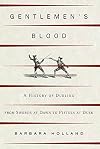
A fun popular history of dueling. Author Barbara Holland writes with dry humor:
"Aside from the occasional separatist movement in Quebec, Canada today seems a placid place. Americans think of it as bland and law-abiding and a bit self-righteous; Europeans, when they think of it at all, feel it must be something like Australia, only colder."
I was amazed at the amount of carnage in the 19th century. The Irish went at each other with pistols over any minor insult; according to the Irish rules show more for duels it was very ungentlemanly to fire in the air or deliberately miss your opponent (both parties were required to reload and shoot again). A duel was a serious thing and must be taken seriously – about one duel in four in Ireland ended fatally. In England, dueling was practically a requirement to hold high office; Prime Ministers Bath, Shelburne, Pitt, Fox, Canning, Wellington, and Peel all fought duels (Disraeli challenged Daniel O’Connell but was turned down). In American you didn’t mess around with wimpy little pistols; in a duel between John Hampton Pleasants, (editor of the Richmond Whig), and Thomas Ritchie, Jr. (coeditor of the Richmond Enquirer – the mainstream media was a lot more exciting in those days) Pleasants showed up with a revolver, two dueling pistols, a bowie knife, and a sword cane; Ritchie had four pistols, a revolver, and a cutlass. (Pleasants was hit four times but slashed Ritchie with his sword cane before dying).
Bystanders got into the act; at a duel on a sandbar in the Mississippi between Dr. Maddox and Samuel Welles, both of Rapides, Louisiana, practically the entire town showed up, including Colonel Crane, Major Wright, General Currey, both Bowie brothers (Resin and Jim) and assorted other friends and relations. The principals exchanged shots, missed, and decided honor had been satisfied; the spectators disagreed and went at it. Colonel Crane and Jim Bowie fired at each other without effect; then Crane knocked Jim Bowie on the head with a dueling pistol, and Major Wright stabbed him with a sword cane. The sword cane was poor quality and bent after partially penetrating Bowie’s chest, whereupon Bowie stabbed Wright in the heart with his eponymous knife. In the meantime, the fight became general and ended with six killed and fifteen wounded (not including either of the principals).
American politicians were not immune. Andrew Jackson killed at least one man and reportedly suffered numerous wounds. Cousins Senator Armistead T. Mason and Colonel John McCarthy of Virginia fell out over allowing Quakers to buy out of military service; they fought with muskets at four (!) paces. Oddly, McCarthy survived; Mason got his musket tangled up in his overcoat while raising it and only blew McCarthy’s arm off.
Things weren’t that much better across the pond; both Russia and Prussia had military ordinances requiring officers to fight duels if insulted. In Russia, it went even further; you could be forced to fight a duel if a third party decided you had been insulted, thus allowing a harmless jest between friends to become a deadly encounter the next day. (I understand it didn't change much in the Communist era, where a third party could denounce you for a conversation. In fact, I understand agents would deliberately have "provocative" conversations within earshot of others and then arrest listeners for failure to denounce. Personally, I think I'd rather take my chances with a duel; I think the mortality rate was less than the Gulag). The Erast Fandorin novels describe the Russian "handkerchief" duel, in which the participants each held the corner of a handkerchief and blazed away with dueling pistols. The advantage was supposedly that it could be done indoors, although one expects people in the next apartment might be inconvenienced by stray bullets. While Holland doesn't mention the handkerchief duel, she does mention the American "bandanna" duel, in which the interested parties each held a corner of a bandanna in their teeth and then fought with Bowie knives; presumably spectators wore raincoats.
Despite the amusement value, dueling cost a lot of lives that would have been better to have been lived out: Alexander Hamilton and Stephen Decatur in the US; authors Pushkin and Lermontov in Russia, and the mathematician Evariste Galois in France.
Holland attributes the popularity of dueling to testosterone (although noting that various women in history fought lethal duels) and suggests the NRA is a remnant of the need to express masculinity. She speculates, only half in jest, that a return to rapiers might make everybody more polite; and on a final note, comments that before the invasion of Iraq the vice president of Iraq sent a challenge to the US, suggesting a duel between the respective presidents and vice presidents rather than a war. It was not accepted. show less
"Aside from the occasional separatist movement in Quebec, Canada today seems a placid place. Americans think of it as bland and law-abiding and a bit self-righteous; Europeans, when they think of it at all, feel it must be something like Australia, only colder."
I was amazed at the amount of carnage in the 19th century. The Irish went at each other with pistols over any minor insult; according to the Irish rules show more for duels it was very ungentlemanly to fire in the air or deliberately miss your opponent (both parties were required to reload and shoot again). A duel was a serious thing and must be taken seriously – about one duel in four in Ireland ended fatally. In England, dueling was practically a requirement to hold high office; Prime Ministers Bath, Shelburne, Pitt, Fox, Canning, Wellington, and Peel all fought duels (Disraeli challenged Daniel O’Connell but was turned down). In American you didn’t mess around with wimpy little pistols; in a duel between John Hampton Pleasants, (editor of the Richmond Whig), and Thomas Ritchie, Jr. (coeditor of the Richmond Enquirer – the mainstream media was a lot more exciting in those days) Pleasants showed up with a revolver, two dueling pistols, a bowie knife, and a sword cane; Ritchie had four pistols, a revolver, and a cutlass. (Pleasants was hit four times but slashed Ritchie with his sword cane before dying).
Bystanders got into the act; at a duel on a sandbar in the Mississippi between Dr. Maddox and Samuel Welles, both of Rapides, Louisiana, practically the entire town showed up, including Colonel Crane, Major Wright, General Currey, both Bowie brothers (Resin and Jim) and assorted other friends and relations. The principals exchanged shots, missed, and decided honor had been satisfied; the spectators disagreed and went at it. Colonel Crane and Jim Bowie fired at each other without effect; then Crane knocked Jim Bowie on the head with a dueling pistol, and Major Wright stabbed him with a sword cane. The sword cane was poor quality and bent after partially penetrating Bowie’s chest, whereupon Bowie stabbed Wright in the heart with his eponymous knife. In the meantime, the fight became general and ended with six killed and fifteen wounded (not including either of the principals).
American politicians were not immune. Andrew Jackson killed at least one man and reportedly suffered numerous wounds. Cousins Senator Armistead T. Mason and Colonel John McCarthy of Virginia fell out over allowing Quakers to buy out of military service; they fought with muskets at four (!) paces. Oddly, McCarthy survived; Mason got his musket tangled up in his overcoat while raising it and only blew McCarthy’s arm off.
Things weren’t that much better across the pond; both Russia and Prussia had military ordinances requiring officers to fight duels if insulted. In Russia, it went even further; you could be forced to fight a duel if a third party decided you had been insulted, thus allowing a harmless jest between friends to become a deadly encounter the next day. (I understand it didn't change much in the Communist era, where a third party could denounce you for a conversation. In fact, I understand agents would deliberately have "provocative" conversations within earshot of others and then arrest listeners for failure to denounce. Personally, I think I'd rather take my chances with a duel; I think the mortality rate was less than the Gulag). The Erast Fandorin novels describe the Russian "handkerchief" duel, in which the participants each held the corner of a handkerchief and blazed away with dueling pistols. The advantage was supposedly that it could be done indoors, although one expects people in the next apartment might be inconvenienced by stray bullets. While Holland doesn't mention the handkerchief duel, she does mention the American "bandanna" duel, in which the interested parties each held a corner of a bandanna in their teeth and then fought with Bowie knives; presumably spectators wore raincoats.
Despite the amusement value, dueling cost a lot of lives that would have been better to have been lived out: Alexander Hamilton and Stephen Decatur in the US; authors Pushkin and Lermontov in Russia, and the mathematician Evariste Galois in France.
Holland attributes the popularity of dueling to testosterone (although noting that various women in history fought lethal duels) and suggests the NRA is a remnant of the need to express masculinity. She speculates, only half in jest, that a return to rapiers might make everybody more polite; and on a final note, comments that before the invasion of Iraq the vice president of Iraq sent a challenge to the US, suggesting a duel between the respective presidents and vice presidents rather than a war. It was not accepted. show less

Its not often that a cat book surprises me. I've read many of them, all with more or less the same information. This book has information, much of it I had not heard before, interspersed with interesting, non-cutesy stories of cats that the author had known.
She discusses such things as the ever controversial cats indoors or inside/outside, declawing, and the topic that is sure to drive cat people to arms, diet.
She does this with great humor, grace, and a full understanding of cat behavior. show more The anecdotes that she describes are humorous, but with respect to the cat. She manages that fine balance between current cat science, and keeping things easy to read, accessible.
I think this book has the best reason I have ever seen as to why to get a cat fixed: A cats sexuality is like a drug or addiction, the cats vision is narrowed to a pinpoint, its mental landscape contracted to a single thought. Getting a cat fixed will release a cat and allow him the opportunity to discover the world on his terms.
One thing the author does say - is that kittens are cute and adorable. The book was written in 1988. At the time, modern animal rescue was just starting to take off and best practices were being developed. I suspect the act of fostering animals, specifically kittens, was not something that was available.
This is a very well written book about cats. I would recommend it to anyone who likes cats, and even thinking about getting a cat. One think to note, at the end of the book, there is a sort of "guide to cats", essentially a few sentences about a topic. It includes things like medical, diet, behavior, etc. I would suggest investing in a book aimed at the topic of cat health, rather than depend on a few sentences at the back of the book. show less
She discusses such things as the ever controversial cats indoors or inside/outside, declawing, and the topic that is sure to drive cat people to arms, diet.
She does this with great humor, grace, and a full understanding of cat behavior. show more The anecdotes that she describes are humorous, but with respect to the cat. She manages that fine balance between current cat science, and keeping things easy to read, accessible.
I think this book has the best reason I have ever seen as to why to get a cat fixed: A cats sexuality is like a drug or addiction, the cats vision is narrowed to a pinpoint, its mental landscape contracted to a single thought. Getting a cat fixed will release a cat and allow him the opportunity to discover the world on his terms.
One thing the author does say - is that kittens are cute and adorable. The book was written in 1988. At the time, modern animal rescue was just starting to take off and best practices were being developed. I suspect the act of fostering animals, specifically kittens, was not something that was available.
This is a very well written book about cats. I would recommend it to anyone who likes cats, and even thinking about getting a cat. One think to note, at the end of the book, there is a sort of "guide to cats", essentially a few sentences about a topic. It includes things like medical, diet, behavior, etc. I would suggest investing in a book aimed at the topic of cat health, rather than depend on a few sentences at the back of the book. show less
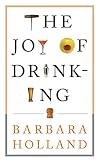
I picked this up at the library because it looked cute. It was hilarious. Holland's authorial tone is wry and wonderful. The book is sort of an overview of alcohol's history, but Holland dips and lingers in a wholly whimsical fashion, and ends with directions for building a still, which item has been on my darling's wish list since I've known him.
It gets progressively funnier as it moves forward in time. I enjoyed it mightily, and can't resist sharing a snippet about the new beer snobs that show more made me guffaw:
"Former beer joints gone classy offer beer tastings in little sample glasses for the educated palate. [...] Its customers are quite, quite different from sweaty Joe Six-Pack with his canned Budweiser. They're discriminating experts of an entirely different social class with an entirely different agenda.
Of course drinking, old-fashioned drinking, is still unwholesome, still bad for the body if not the actual soul, but fortunately, what they're doing isn't drinking at all. They aren't drinkers. They're connoisseurs and critics, priests of ritual, sniffers and tasters, discerning scholars scowling thoughtfully into their glass. Fun has nothing to do with it and they never break into song." show less
It gets progressively funnier as it moves forward in time. I enjoyed it mightily, and can't resist sharing a snippet about the new beer snobs that show more made me guffaw:
"Former beer joints gone classy offer beer tastings in little sample glasses for the educated palate. [...] Its customers are quite, quite different from sweaty Joe Six-Pack with his canned Budweiser. They're discriminating experts of an entirely different social class with an entirely different agenda.
Of course drinking, old-fashioned drinking, is still unwholesome, still bad for the body if not the actual soul, but fortunately, what they're doing isn't drinking at all. They aren't drinkers. They're connoisseurs and critics, priests of ritual, sniffers and tasters, discerning scholars scowling thoughtfully into their glass. Fun has nothing to do with it and they never break into song." show less
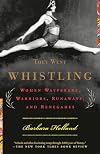
I generally don't review books I haven't read completely, but couldn't get over my annoyance with this one. I couldn't get past the introduction, particularly the paragraph that claims all the male characters are individuals, while the female ones are all the same except for hair color and other superficial differences. I'm not sure what books the author grew up with, but I certainly read enough stories where girls and women were main characters (brave, strong, smart, sometimes willful) and show more not just interchangeable bits of window dressing. (I'm also not sure I would've cited Stuart Little, the Black Stallion and the Little Train That Could as representative boys.) It's possible the author was trying to make the rebels she's profiling stand out, but she didn't have to do it by portraying the rest of womankind (factual and fictional) as dutiful and submissive. show less
Lists
Awards


You May Also Like


Associated Authors
Statistics
- Works
- 21
- Also by
- 1
- Members
- 1,677
- Popularity
- #15,324
- Rating
- 3.8
- Reviews
- 42
- ISBNs
- 67
- Languages
- 6