
Anthony Ray Hinton
Author of The Sun Does Shine: How I Found Life and Freedom on Death Row
About the Author
Anthony Ray Hinton is an African American man who spent 28 years on death row in Alabama. He was convicted of two murders that he did not commit. He was released in April 2015. His memoir is entitled, The Sun Does Shine: How I Found Life and Freedom on Death Row, published in March 2018. (Bowker show more Author Biography) show less
Image credit: reading at Politics and Prose By Slowking4 - Own work, GFDL 1.2, https://commons.wikimedia.org/w/index.php?curid=67980249
Works by Anthony Ray Hinton
Tagged
Common Knowledge
- Birthdate
- 1956-06-01
- Gender
- male
- Nationality
- USA
- Birthplace
- Alabama, USA
- Associated Place (for map)
- Alabama, USA
Members
Reviews
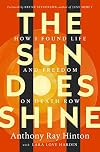
An astonishing read, incredibly powerful. I was on the verge of tears many times. Hinton's perseverance and spirit are incredible. The injustice and racial bias of the legal system is disgusting and I was furious, often, reading it. That, to me, is the sign of a great non-fiction book - if I'm mad, it's good. I've thoroughly enjoyed watching a few Youtube clips of Anthony Ray Hinton discussing his book and life outside of prison and I hope he has a peaceful life for the rest of his years. show more He's earned it! show less
This was a devastating memoir. I basically spent the entire time listening furious and heartbroken. None of this is new information, the US justice system does not care about Black people, and it absolutely does not care about poor people, but hearing it laid out so clearly through one man’s experience is crushing. The death penalty only works if you believe in certainty and fairness, and this book makes it painfully obvious that neither of those exist. The number of ways Ray is failed is show more unbelievable. Bad lawyers, bad science, bad faith, over and over. I don’t know how he survived nearly 30 years on death row without becoming the monster the system was trying to make him. Thinking about everything he missed while the world moved on without him really broke my heart. The fact that Alabama can just drop the charges and avoid any real accountability is infuriating. You don’t get to steal decades of someone’s life and then shrug and walk away. The system was broken and bigoted in 1986, and it sure as hell still is now in 2026. It should be required reading. I hated how it made me feel, and I’m glad I read it. show less
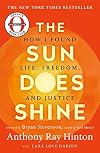
This is Anthony Ray Hinton's account of a horrifying failure of the Alabama justice system, in which Hinton was convicted of a crime he obviously didn't commit (evidence proving his innocence was not allowed, while the evidence against him was false or incomplete), and sentenced to death by the judge, even though the jury had decided on a life sentence. Hinton's series of appeals took nearly THIRTY YEARS, but with the help of Bryan Stevenson and his Equal Justice Initiative, ultimately he show more proved his innocence and regained his freedom. In addition to relating the twists and turns of his own case, Hinton makes a strong argument against the death penalty for anyone.
See also: Just Mercy by Bryan Stevenson
Quotes
Foreword: "We need to think about the fact that we are all more than the worst thing we have done." (xi)
"It's strange what you can get used to." ...This was something that I didn't want to get used to. This was something that should never be normal. (24-25)
There was no logic to the story they were creating. It was like they had picked me as the killer and then went about twisting reality to make me fit into the plot they were creating. (70)
Anything true that didn't make me a killer was left out or just plain lied about. (72)
I shouldn't have had to prove I was innocent - they were supposed to prove I was guilty - but not in this courtroom. (73)
When no one believes a word you say, the best thing to do is stop talking. (81)
No one can understand what freedom means until they don't have it. (114)
Despair was a choice. Hatred was a choice. Anger was a choice. I still had choices, and that knowledge rocked me. (115)
I was born with the same gift from God we are all born with - the impulse to reach out and lessen the suffering of another human being. It was a gift, and we each had a choice whether the use this gift or not. (117)
You couldn't grow up black in the South and not know how to work within the system. (142)
A little bit of kindness was amplified on death row, because it was so unexpected. (142)
"What does capital punishment mean?"
"It means a guy without capital gets punished." (166)
It shouldn't have been so hard for an innocent man to get out of prison, but it was. (173)
The State was unwilling to admit it had made a mistake. Alabama would rather stay wrong than admit that it had been wrong; rather accept injustice than admit it had been unjust. (185)
"I don't think people should get used to injustice." (202)
"...a system of justice that is shockingly tolerant of error, a system that treats you better if you are rich and guilty than if you're poor and innocent...
...With 34 executions and seven exonerations since 1975, one innocent person has been identified on Alabama's death row for ever five executions. It's an astonishing rate of error." (Bryan Stevenson, The Birmingham News, 11/7/05; p. 210)
How many sunrises and sunsets could one man miss in his life and still have a life? (225) show less
See also: Just Mercy by Bryan Stevenson
Quotes
Foreword: "We need to think about the fact that we are all more than the worst thing we have done." (xi)
"It's strange what you can get used to." ...This was something that I didn't want to get used to. This was something that should never be normal. (24-25)
There was no logic to the story they were creating. It was like they had picked me as the killer and then went about twisting reality to make me fit into the plot they were creating. (70)
Anything true that didn't make me a killer was left out or just plain lied about. (72)
I shouldn't have had to prove I was innocent - they were supposed to prove I was guilty - but not in this courtroom. (73)
When no one believes a word you say, the best thing to do is stop talking. (81)
No one can understand what freedom means until they don't have it. (114)
Despair was a choice. Hatred was a choice. Anger was a choice. I still had choices, and that knowledge rocked me. (115)
I was born with the same gift from God we are all born with - the impulse to reach out and lessen the suffering of another human being. It was a gift, and we each had a choice whether the use this gift or not. (117)
You couldn't grow up black in the South and not know how to work within the system. (142)
A little bit of kindness was amplified on death row, because it was so unexpected. (142)
"What does capital punishment mean?"
"It means a guy without capital gets punished." (166)
It shouldn't have been so hard for an innocent man to get out of prison, but it was. (173)
The State was unwilling to admit it had made a mistake. Alabama would rather stay wrong than admit that it had been wrong; rather accept injustice than admit it had been unjust. (185)
"I don't think people should get used to injustice." (202)
"...a system of justice that is shockingly tolerant of error, a system that treats you better if you are rich and guilty than if you're poor and innocent...
...With 34 executions and seven exonerations since 1975, one innocent person has been identified on Alabama's death row for ever five executions. It's an astonishing rate of error." (Bryan Stevenson, The Birmingham News, 11/7/05; p. 210)
How many sunrises and sunsets could one man miss in his life and still have a life? (225) show less
The Sun Does Shine: How I Found Life and Freedom on Death Row (Oprah's Book Club Summer 2018 Selection) by Anthony Ray Hinton
Wow! This is a book everyone needs to read. Anthony Ray Hinton was convicted of two murders which he did not do and sentenced to Death Row in Alabama. He tells of his fight to clear his name and regain his freedom as well as the men he met on Death Row.
This book made me think about the death penalty and what it means. Does the state have the right to take a life? Does the state have the right to deny an innocent man another day in court when new evidence comes to light? Does the state have show more the right to deny they were wrong? Mr. Hinton is philosophically about life as he exists on Death Row. He has some deep thoughts about life, love, choices, death, and God. I cried at some of the things that happened outside the prison that he could not be part of. I also cried tears of joy when he was released. He lost more than 30 years of his life. I appreciated that he shared his reentry into society. Some things may never go back the way they were.
This is one of the best books I have read. show less
This book made me think about the death penalty and what it means. Does the state have the right to take a life? Does the state have the right to deny an innocent man another day in court when new evidence comes to light? Does the state have show more the right to deny they were wrong? Mr. Hinton is philosophically about life as he exists on Death Row. He has some deep thoughts about life, love, choices, death, and God. I cried at some of the things that happened outside the prison that he could not be part of. I also cried tears of joy when he was released. He lost more than 30 years of his life. I appreciated that he shared his reentry into society. Some things may never go back the way they were.
This is one of the best books I have read. show less
Lists
Awards


You May Also Like


Associated Authors
Statistics
- Works
- 2
- Members
- 1,259
- Popularity
- #20,383
- Rating
- 4.5
- Reviews
- 55
- ISBNs
- 19
- Languages
- 1