
Doris Pilkington (1937–2014)
Author of Rabbit-Proof Fence
About the Author
Works by Doris Pilkington
Associated Works
Those Who Remain Will Always Remember: An Anthology of Aboriginal Writing (2000) — Contributor — 11 copies
Tagged
Common Knowledge
- Other names
- Garimara, Nugi (birth name)
Pilkington Garimara, Doris - Birthdate
- 1937-07-01
- Date of death
- 2014-04-10
- Gender
- female
- Occupations
- nurse
writer - Awards and honors
- AM (2006)
Red Ochre Award (2008)
Western Australia Writers Hall of Fame (posthumous) - Cause of death
- ovarian cancer
- Nationality
- Australia
- Birthplace
- Balfour Downs Station, Western Australia, Australia
- Place of death
- Perth, Western Australia, Australia
- Associated Place (for map)
- Western Australia, Australia
Members
Reviews

This book can be considered a sequel to the much more famous Rabbit-Proof Fence. It shows Molly's life on a cattle station after she escaped from the Moore River Native Settlement, and the birth of her daughter Doris.
"What is the baby's name, Molly?" asked Mrs Dunnet.
"Her name is Nugi," the young mother pronounced.
"Nugi, that's a stupid name," said her employer. "Give her a proper name, call her Doris," she ordered.
This dialogue makes clear how little control Molly had about anything in her show more life, and soon enough, history repeats itself, as Doris is taken away from her and forced to live in the same place her mother escaped from: The Moore River Native Settlement in the south of Western Australia.
The major part of the book is about Doris's childhood and teenage years in several institutions. The author wrote this memoir in the third person and in simple words, but nevertheless, it is heartbreaking. The reader follows as the young girl grows up at different schools far from home, finding a little comfort where she can, but becoming more and more estranged from her culture. Garimara also shows what this estrangement did to her as she grew up, and what difficulties it caused when she finally met her family again, brainwashed to see her relatives as devil worshippers and uncivilized, wild people.
Later, she becomes a nurse and marries, trying to build a life for herself, but things are never easy.
To me, this is the best book of the three that this author wrote, although all of them are worth reading. show less
"What is the baby's name, Molly?" asked Mrs Dunnet.
"Her name is Nugi," the young mother pronounced.
"Nugi, that's a stupid name," said her employer. "Give her a proper name, call her Doris," she ordered.
This dialogue makes clear how little control Molly had about anything in her show more life, and soon enough, history repeats itself, as Doris is taken away from her and forced to live in the same place her mother escaped from: The Moore River Native Settlement in the south of Western Australia.
The major part of the book is about Doris's childhood and teenage years in several institutions. The author wrote this memoir in the third person and in simple words, but nevertheless, it is heartbreaking. The reader follows as the young girl grows up at different schools far from home, finding a little comfort where she can, but becoming more and more estranged from her culture. Garimara also shows what this estrangement did to her as she grew up, and what difficulties it caused when she finally met her family again, brainwashed to see her relatives as devil worshippers and uncivilized, wild people.
Later, she becomes a nurse and marries, trying to build a life for herself, but things are never easy.
To me, this is the best book of the three that this author wrote, although all of them are worth reading. show less
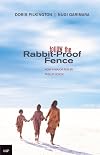
This is the story of three Aboriginal half caste girls removed from their families in Western Australia by government officials who sent them 1000 miles away to a 'residential school', more like a prison than a boarding school, where they were incarcerated and expected to learn to read and write and speak English before being sent off to be servants. The author, Doris Pilkington (Aboriginal name Nugi Garimara)is the daughter of the eldest girl, Molly and she retells their story in simple, show more straightforward language.
Molly and the two younger girls, sisters Daisy and Gracie run away from the school within days of arriving with only the clothes on their backs and no provisions. They amazingly manage to survive using their native skills in hunting and finding clean water and later strangers who give them food and clothing. Somehow, partly due to the rain and partly to their skills at hiding they manage to evade the police and the trackers sent to find them. Molly is familiar with the rabbit proof fence that runs the length of the state and knows if she can find that then they will just need to follow it home.
Although told simply, this incredible story of tenacity and survival is powerful in portraying the devastation of white settlement on Australia's Aboriginal communities, first by depriving them of their land and the ability to feed themselves and then by allowing a paternalistic government to deprive them of their mixed race children. show less
Molly and the two younger girls, sisters Daisy and Gracie run away from the school within days of arriving with only the clothes on their backs and no provisions. They amazingly manage to survive using their native skills in hunting and finding clean water and later strangers who give them food and clothing. Somehow, partly due to the rain and partly to their skills at hiding they manage to evade the police and the trackers sent to find them. Molly is familiar with the rabbit proof fence that runs the length of the state and knows if she can find that then they will just need to follow it home.
Although told simply, this incredible story of tenacity and survival is powerful in portraying the devastation of white settlement on Australia's Aboriginal communities, first by depriving them of their land and the ability to feed themselves and then by allowing a paternalistic government to deprive them of their mixed race children. show less
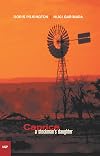
Rabbit-Proof Fence is much more famous, but Caprice - A Stockman's Daughter was the author's first book. It is not a memoir, but a novel, although it reads like a memoir and it might have been heavily influenced by her family's history (I tried to find out more but found conflicting information about this).
The novel is narrated by Kate, who later calls herself Caprice. She was born at the Moore River Native Settlement, an institution where so-called "half-caste" children were educated to show more make them forget their indigenousness. These children, who became known as the Stolen Generations, were forced to give up their languages, their cultures, their belief systems and their roots.
The novel starts when Kate tries to find out about her grandmother, an Indigenous Australian, and her grandfather, an Irish immigrant. She meets two old friends of her grandparents who tell her the story of her family, including how her grandparents met and married against the odds and how her mother was born and later brought to the Moore River Native Settlement. Kate then recalls how she grew up in often severe circumstances, and then we follow her as she creates a new life for herself.
In many way, this novel is more readable and more accessible than Rabbit-Proof Fence. The language is often beautiful, but also simple, and it feels like the reader is told the stories directly by the characters, in their own words and from their own minds. The horrors that the indigenous people had to endure are told in unembellished, plain words.
However, towards the end the events are rushed a little too much and aspects and events are missing that would have made the story more round and powerful.
This short novel is still worth a read, especially if you are interested in Australian history or in own voices stories of the consequences of colonialism in general. show less
The novel is narrated by Kate, who later calls herself Caprice. She was born at the Moore River Native Settlement, an institution where so-called "half-caste" children were educated to show more make them forget their indigenousness. These children, who became known as the Stolen Generations, were forced to give up their languages, their cultures, their belief systems and their roots.
The novel starts when Kate tries to find out about her grandmother, an Indigenous Australian, and her grandfather, an Irish immigrant. She meets two old friends of her grandparents who tell her the story of her family, including how her grandparents met and married against the odds and how her mother was born and later brought to the Moore River Native Settlement. Kate then recalls how she grew up in often severe circumstances, and then we follow her as she creates a new life for herself.
In many way, this novel is more readable and more accessible than Rabbit-Proof Fence. The language is often beautiful, but also simple, and it feels like the reader is told the stories directly by the characters, in their own words and from their own minds. The horrors that the indigenous people had to endure are told in unembellished, plain words.
However, towards the end the events are rushed a little too much and aspects and events are missing that would have made the story more round and powerful.
This short novel is still worth a read, especially if you are interested in Australian history or in own voices stories of the consequences of colonialism in general. show less
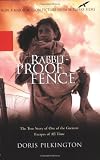
This is the story of three girls (Molly, aged 14, Gracie, aged 11, and Daisy, aged 8), who were removed from their home in the Pilbara to a school close to Perth, as a part of what became known as the Stolen Generations. They had Indigenous mothers and white fathers, and the plan was to let them grow up apart from the families, make them forget their cultural roots, and train them to be workers and servants.
However, the author starts the story much earlier. In a sequence of scenes, she show more depicts several generations of First Nations Australians and how they deal with the arrival of white colonialists, how they adapt to the circumstances, until finally we arrive at Molly's life and how she is snatched from home, her family watching powerless. Thus, the trip to the Moore River Native Settlement (the so-called school) and the long trek up north back to their families only starts around half way through the book. This really surprised me the first time around, and again this time, since I had nearly forgotten about it.
The style of the book is rather simple, but it feels authentic. The author is Molly's daughter and she conducted interviews with Molly and Daisy before writing this. The book defies expectations of an exciting adventure novel or gripping nonfictional report, but if you set these expectations aside, it is possible to feel the orality in the writing, appearing, I think, in the details of the descriptions of trees and flowers, of the meals the girls prepared and also in the detachedness after so many years. It does not make the writing really thrilling, and I would have wished for more background information, more emotions and a longer book involving what happened afterwards. However, this doesn't make the book and the story behind it any less special. show less
However, the author starts the story much earlier. In a sequence of scenes, she show more depicts several generations of First Nations Australians and how they deal with the arrival of white colonialists, how they adapt to the circumstances, until finally we arrive at Molly's life and how she is snatched from home, her family watching powerless. Thus, the trip to the Moore River Native Settlement (the so-called school) and the long trek up north back to their families only starts around half way through the book. This really surprised me the first time around, and again this time, since I had nearly forgotten about it.
The style of the book is rather simple, but it feels authentic. The author is Molly's daughter and she conducted interviews with Molly and Daisy before writing this. The book defies expectations of an exciting adventure novel or gripping nonfictional report, but if you set these expectations aside, it is possible to feel the orality in the writing, appearing, I think, in the details of the descriptions of trees and flowers, of the meals the girls prepared and also in the detachedness after so many years. It does not make the writing really thrilling, and I would have wished for more background information, more emotions and a longer book involving what happened afterwards. However, this doesn't make the book and the story behind it any less special. show less
Lists
Black Authors (1)
Awards


You May Also Like


Associated Authors
Statistics
- Works
- 4
- Also by
- 2
- Members
- 992
- Popularity
- #25,966
- Rating
- 3.4
- Reviews
- 34
- ISBNs
- 52
- Languages
- 6