
Kate Mosse
Author of Labyrinth
About the Author
Disambiguation Notice:
Not to be confused with the model Kate Moss.
Series
Works by Kate Mosse
Warrior Queens & Quiet Revolutionaries: How Women (Also) Built the World (2022) 129 copies, 3 reviews
Burning Chambers Series 2 Books Collection Set By Kate Mosse (The Burning Chambers, The City of Tears) (2021) 3 copies
The Taxidermist's Daughter / The Winter Ghosts / The Mistletoe Bride and Other Haunting Tales 2 copies
La Cité des morts (French Edition) 2 copies
the ghosts of paris 1 copy
Guerra senza confini 1 copy
Languedoc 1: Labyrinth 1 copy
Languedoc 2 : Sepulchre 1 copy
Languedoc 3 : Citadel 1 copy
100 Great Plays For Women 1 copy
Associated Works
The Book Lovers' Appreciation Society: Breast Cancer Care Short Story Collection (2009) — Contributor — 97 copies, 1 review
Reader's Digest Select Editions: 61 Hours | The Wish List | The Lock Artist | The Winter Ghosts (2010) — Contributor — 8 copies
Tagged
Common Knowledge
- Canonical name
- Mosse, Kate
- Legal name
- Mosse, Katharine Louise
- Birthdate
- 1961-10-20
- Gender
- female
- Education
- University of Oxford (BA|1984 - New College)
- Occupations
- novelist
broadcaster - Organizations
- Orange Prize for Fiction
- Awards and honors
- European Woman of Achievement (2007)
Order of the British Empire (Officer, 2013) - Relationships
- Mosse, Greg (husband)
- Short biography
- Katharine Louise Mosse OBE (born 20 October 1961) is an English novelist, non-fiction and short story writer and broadcaster. She is best known for her 2005 novel Labyrinth, which has been translated into more than 37 languages.
Mosse was born in Chichester, and raised in Fishbourne, West Sussex, the eldest of three sisters born to a solicitor. Their aunt was involved in the campaign for the ordination of women and her grandfather was a vicar. She was educated at Chichester High School For Girls and New College, Oxford and graduated in 1984 with a BA (Hons) in English. After leaving university, she spent seven years working in publishing in London for Hodder & Stoughton, then Century, and finally as an editorial director at Hutchinson, part of the Random House Group. She was a member of the National Union of Journalists (NUJ) and Women in Publishing.
She left publishing in 1992, for a writing career beginning with the non-fiction, Becoming a Mother. - Nationality
- UK
- Birthplace
- Chichester, West Sussex, England, UK
- Places of residence
- West Sussex, England, UK
- Map Location
- England, UK
- Disambiguation notice
- Not to be confused with the model Kate Moss.
Members
Discussions
Kate Mosse talks about Historical Fiction in Historical Fiction (December 2014)
Reviews
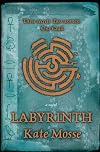
I've committed a lot of book abandonment so far this year--sixteen titles through October--and here, alas, is yet one more: Labyrinth is going down at just past the midpoint.
When I take a day or two off from my main read, my bedtime read, and don't miss it, it's doomed.
In the present case, it's definitely a matter of the author's handling of her material. She must have got the idea somewhere that it's a good plan to dispense with exposition and get right to the action, plunging the reader show more headlong into the story instead of weighing it down with description and explanation.
This is all very well in a certain kind of novel, but here is one with two main characters, very many secondary and minor characters (several of whose names are similar), two timelines separated by eight centuries, unfamiliar settings, historical situations, and fantasy elements that only the author can tell us about. This is too much to get by inference or retain in memory and then keep track of without enough reminders at each shift of time and place. The author seems to think that keeping a reader disoriented (not disorientated, Kate) arouses curiosity and suspense, whereas I simply find it annoying. In medias res is one thing; a constant state of "What's going on? And who are these people? Are they new, or am I supposed to know them already?" is wearing.
As it happens, I've done a fair bit of research into that period and place myself, having read some eight or ten books on medieval France and the Cathars in particular, so I'm receptive to its power to fascinate. And I do appreciate the way the author evokes the sensory experience of the setting. But what's bogging me down is trying to hold in mind a large assortment of characters without enough clues to which ones are going to be important or enough reminders as to their interrelationships.
This becomes even harder when the author's own slips occur. For instance, on page 148 Amiel is a blacksmith in a stable. On page 180 another Amiel, Amiel de Coursan, performs a rescue. On page 247 people are praising the bravery of Amaury, not Amiel, de Coursan. An Amazon search tells me that there are two other Amaurys mentioned in the book.
In fact, there are altogether too many names beginning with A throughout, including the two principals, whose similarity of names is obviously deliberate and who ought to have been enough for the A's.
I'm also bothered by a certain self-conscious preciousness of style, having already been put off by the presence of four exclamation points in two pages of acknowledgments up front (two in the same paragraph). At numerous points I get the feeling that the author is preening a little, showing off technique and research instead of keeping her craftsmanship smooth and invisible. The result, to me, is lack of polish. A rigorous and fearless edit might have done wonders with what ought to have been a marvelous story.
On another front, I prefer a little more restraint in my sex scenes. A matter of taste, yes, I realize that; but still.
I can't let this pass without a mention: by page 117, the author has handled the physical descriptions of not one, not two, but three female characters using the amateurish device of having them study their reflections in a mirror.
Probably I should have stopped at the first one.
(Abandoned; unrated.) show less
When I take a day or two off from my main read, my bedtime read, and don't miss it, it's doomed.
In the present case, it's definitely a matter of the author's handling of her material. She must have got the idea somewhere that it's a good plan to dispense with exposition and get right to the action, plunging the reader show more headlong into the story instead of weighing it down with description and explanation.
This is all very well in a certain kind of novel, but here is one with two main characters, very many secondary and minor characters (several of whose names are similar), two timelines separated by eight centuries, unfamiliar settings, historical situations, and fantasy elements that only the author can tell us about. This is too much to get by inference or retain in memory and then keep track of without enough reminders at each shift of time and place. The author seems to think that keeping a reader disoriented (not disorientated, Kate) arouses curiosity and suspense, whereas I simply find it annoying. In medias res is one thing; a constant state of "What's going on? And who are these people? Are they new, or am I supposed to know them already?" is wearing.
As it happens, I've done a fair bit of research into that period and place myself, having read some eight or ten books on medieval France and the Cathars in particular, so I'm receptive to its power to fascinate. And I do appreciate the way the author evokes the sensory experience of the setting. But what's bogging me down is trying to hold in mind a large assortment of characters without enough clues to which ones are going to be important or enough reminders as to their interrelationships.
This becomes even harder when the author's own slips occur. For instance, on page 148 Amiel is a blacksmith in a stable. On page 180 another Amiel, Amiel de Coursan, performs a rescue. On page 247 people are praising the bravery of Amaury, not Amiel, de Coursan. An Amazon search tells me that there are two other Amaurys mentioned in the book.
In fact, there are altogether too many names beginning with A throughout, including the two principals, whose similarity of names is obviously deliberate and who ought to have been enough for the A's.
I'm also bothered by a certain self-conscious preciousness of style, having already been put off by the presence of four exclamation points in two pages of acknowledgments up front (two in the same paragraph). At numerous points I get the feeling that the author is preening a little, showing off technique and research instead of keeping her craftsmanship smooth and invisible. The result, to me, is lack of polish. A rigorous and fearless edit might have done wonders with what ought to have been a marvelous story.
On another front, I prefer a little more restraint in my sex scenes. A matter of taste, yes, I realize that; but still.
I can't let this pass without a mention: by page 117, the author has handled the physical descriptions of not one, not two, but three female characters using the amateurish device of having them study their reflections in a mirror.
Probably I should have stopped at the first one.
(Abandoned; unrated.) show less
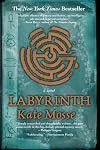
Oh dear me. This was really two books in one, with the most spurious connection between the two. On one level you've got a tale of the 1200s in southern France, connected to the Cathar persecution, and the protection of a religious treasure. But the treasure that is in danger isn't actually a Cathar treasure - but one from a strange mish-mash of religion that is from all creeds and none. Overlaid on this is the same story, with (so you're supposed to accept) descendants of the same people in show more the first story, who have, by some strange quirk of genetic fate come to play the same roles 800 years later. The memory transferance betwen Alais/Alice seemed contrived. In a sense, either book would have been OK - it's hardly great literature, but readable - but together it was just terribly far-fetched and ludicrously long. Tosh and I wont be looking the auther out again... show less
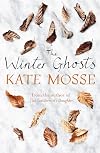
‘’Bones and shadows and dust. I am the last. The others have slipped away into darkness. Around me now, at the end of my days, only an echo in the still air of the memory of those who once I loved. Solitude, silence.’’
Kate Mosse is one those writers that I trust completely. I’d choose one of her books without reading the blurb or a single review without reservations. Although I’ve never read the Languedoc trilogy because I’ve been spoiled to the degree of knowing every single show more detail, ‘’The Taxidermist’s Daughter’’ is a novel very close to my heart. Choosing ‘’The Winter Ghosts’’ as one of my wintry reads was a no-brainer and what a journey it proved to be!
The story is simple but fascinating. We find ourselves in 1933 when our hero, Freddie, visits a special bookseller. Through his narration, we are transported in 1928, the year when Freddie visits the French Pyrenees in an attempt to spend some time with his thoughts while he’s still trying to recover from his brother’s fall during the Great War. One night, he decides to attend the feast of St. Etienne, a day that carries special connotations for the residents of the village, and he meets an alluring young woman. The events that follow are stunning and exciting.
‘’Sunshine and shadows’’
Where to begin? How to contain in a single, inadequate review the wealth that is hidden in this beautiful, haunting tale? Mosse uses so many ingredients to create a marvellous novel. First of all, the richness of the natural environment that becomes a character in itself. The Spanish slopes become a symbol of light while the French side of the legendary mountains symbolize the darkness that has fallen over the lives of the residents. Even the shops and the streets are tokens of a weird, heavy feeling of sadness. The snow, the wind that carries voices through the storm, the caves, the fire, the sound of laughter and weeping. Beautiful, haunting real-life photos make the reading experience even more immediate and realistic.
‘’I do not fear death. But I fear the forgetting.’’
Through the frozen landscape, we have the people. The living and the dead. Mosse writes about suffering and memory with the focus on the male character. I found this extremely refreshing since we have been used to experience similar stories through the eyes of female characters. Here, she decides to place a young man at the centre of the action and this is masterfully done. The primary question that is asked is what happens when we are faced with an untimely, tragic death? How do we go on? We remember our loved ones with fondness but what happens when we feel inadequate compared to them? What are the consequences when the shadows of the dead oppress the living? How does one feel when the possibility of death becomes an immediate certainty? There are questions that cannot be easily answered (if at all) and Mosse communicates her themes through History. She returns to France and the persecutions of the Cathars to create a haunting tale through clear, immediate, poetic writing. Beautiful descriptions, rounded characters and interactions that should be taught on every Creative Writing class.
Freddie and Fabrissa are the main characters. Freddie is a deeply engaging, sympathetic character. His dilemmas, his thoughts and fears can be related to our war-mongering society of today. He is a dreamer because the reality his parents created for him is deeply unjust. Fabrissa is the jewel of the story. We see her briefly but her mark is evident throughout the novel, bringing the aura of an era lost in time, of people who suffered because their beliefs didn’t bow down to the ones in power. The story of the Cathars has always been one of my favourite moments in Medieval History and the way Mosse brings it to focus in this novel is exceptional. I want to add a quote by Freddie here ‘’We remember so that such slaughter is never allowed to happen again.’’ Such sad words because a few years later the Second World War broke out after Hitler’s rise to power in Germany. One of the major beliefs of the Cathars was the duality of the nature and life as an eternal rebirth and transformation. Everything is repeated, a conviction similar to the Gnostic beliefs. Think of the image of a snake that bites its own tail. What evidence could be more tragic than the two Worlds Wars that reaped mankind apart?
This is a ghost story, a love story, a Historical Fiction novel of the finest kind. It rises up through the mists of the ages, through the bloody traces of History and enters the reader’s soul. You definitely want to read it…
‘’But in truth, I felt nothing. And my thoughts insisted on spiralling back to the dead sleeping in the cold earth. Shattered bones and mud and blood. The headstones and the graves, the wild and untended places between.’’
My reviews can also be found on https://theopinionatedreaderblog.wordpress.com show less
Kate Mosse is one those writers that I trust completely. I’d choose one of her books without reading the blurb or a single review without reservations. Although I’ve never read the Languedoc trilogy because I’ve been spoiled to the degree of knowing every single show more detail, ‘’The Taxidermist’s Daughter’’ is a novel very close to my heart. Choosing ‘’The Winter Ghosts’’ as one of my wintry reads was a no-brainer and what a journey it proved to be!
The story is simple but fascinating. We find ourselves in 1933 when our hero, Freddie, visits a special bookseller. Through his narration, we are transported in 1928, the year when Freddie visits the French Pyrenees in an attempt to spend some time with his thoughts while he’s still trying to recover from his brother’s fall during the Great War. One night, he decides to attend the feast of St. Etienne, a day that carries special connotations for the residents of the village, and he meets an alluring young woman. The events that follow are stunning and exciting.
‘’Sunshine and shadows’’
Where to begin? How to contain in a single, inadequate review the wealth that is hidden in this beautiful, haunting tale? Mosse uses so many ingredients to create a marvellous novel. First of all, the richness of the natural environment that becomes a character in itself. The Spanish slopes become a symbol of light while the French side of the legendary mountains symbolize the darkness that has fallen over the lives of the residents. Even the shops and the streets are tokens of a weird, heavy feeling of sadness. The snow, the wind that carries voices through the storm, the caves, the fire, the sound of laughter and weeping. Beautiful, haunting real-life photos make the reading experience even more immediate and realistic.
‘’I do not fear death. But I fear the forgetting.’’
Through the frozen landscape, we have the people. The living and the dead. Mosse writes about suffering and memory with the focus on the male character. I found this extremely refreshing since we have been used to experience similar stories through the eyes of female characters. Here, she decides to place a young man at the centre of the action and this is masterfully done. The primary question that is asked is what happens when we are faced with an untimely, tragic death? How do we go on? We remember our loved ones with fondness but what happens when we feel inadequate compared to them? What are the consequences when the shadows of the dead oppress the living? How does one feel when the possibility of death becomes an immediate certainty? There are questions that cannot be easily answered (if at all) and Mosse communicates her themes through History. She returns to France and the persecutions of the Cathars to create a haunting tale through clear, immediate, poetic writing. Beautiful descriptions, rounded characters and interactions that should be taught on every Creative Writing class.
Freddie and Fabrissa are the main characters. Freddie is a deeply engaging, sympathetic character. His dilemmas, his thoughts and fears can be related to our war-mongering society of today. He is a dreamer because the reality his parents created for him is deeply unjust. Fabrissa is the jewel of the story. We see her briefly but her mark is evident throughout the novel, bringing the aura of an era lost in time, of people who suffered because their beliefs didn’t bow down to the ones in power. The story of the Cathars has always been one of my favourite moments in Medieval History and the way Mosse brings it to focus in this novel is exceptional. I want to add a quote by Freddie here ‘’We remember so that such slaughter is never allowed to happen again.’’ Such sad words because a few years later the Second World War broke out after Hitler’s rise to power in Germany. One of the major beliefs of the Cathars was the duality of the nature and life as an eternal rebirth and transformation. Everything is repeated, a conviction similar to the Gnostic beliefs. Think of the image of a snake that bites its own tail. What evidence could be more tragic than the two Worlds Wars that reaped mankind apart?
This is a ghost story, a love story, a Historical Fiction novel of the finest kind. It rises up through the mists of the ages, through the bloody traces of History and enters the reader’s soul. You definitely want to read it…
‘’But in truth, I felt nothing. And my thoughts insisted on spiralling back to the dead sleeping in the cold earth. Shattered bones and mud and blood. The headstones and the graves, the wild and untended places between.’’
My reviews can also be found on https://theopinionatedreaderblog.wordpress.com show less
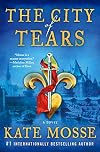
Kate Mosse is such an extraordinary writer that you turn page after page, never stopping to think that you have read 300 pages and still have another 300 pages to go before you find out what history has already taught you. This is another book that when I went to check my notes and highlights - there weren’t any. Speaks to how invested I was in each page. I believed I could remember all the names, the places, the vendettas and the myriad reasons for all the insanity. Power, who has it, who show more wants it, who will do anything to keep it, and who will risk all to wrench it away from the status quo.
It took less than ten pages to remember all that happened in “The Burning Chambers” and become reacquainted with Minou Joubert and Piet Reydon. Mosse’s skill in infusing her characters with realistic qualities of love, fear, selflessness, selfishness, prejudice and hate makes you care about the good and righteous and depise the powerful and depraved. The personal losses are so great there may be no coming back from their edge of the abyss.
Once again Mosse has dropped the reader into the bloody civil wars in France of the 16th Century. The Catholics are killing the Huguenots, the Duke of Guise is looking to cement his position and make the ultimate power grab. The Cardinals are corrupt, the Bishops do their bidding, the leaders are insane and the poor populace is about to be slaughtered.
The political situations created by Catherine De’ Medici, The Duke of Guise and Henri of Navarre make the politics of today look like absolute child’s play.
The ending, the ending, the ending, what next Ms Mosse? Thank you NetGalley and Minotaur Books for a copy show less
It took less than ten pages to remember all that happened in “The Burning Chambers” and become reacquainted with Minou Joubert and Piet Reydon. Mosse’s skill in infusing her characters with realistic qualities of love, fear, selflessness, selfishness, prejudice and hate makes you care about the good and righteous and depise the powerful and depraved. The personal losses are so great there may be no coming back from their edge of the abyss.
Once again Mosse has dropped the reader into the bloody civil wars in France of the 16th Century. The Catholics are killing the Huguenots, the Duke of Guise is looking to cement his position and make the ultimate power grab. The Cardinals are corrupt, the Bishops do their bidding, the leaders are insane and the poor populace is about to be slaughtered.
The political situations created by Catherine De’ Medici, The Duke of Guise and Henri of Navarre make the politics of today look like absolute child’s play.
The ending, the ending, the ending, what next Ms Mosse? Thank you NetGalley and Minotaur Books for a copy show less
Lists
Awards


You May Also Like


Associated Authors
Statistics
- Works
- 38
- Also by
- 14
- Members
- 16,378
- Popularity
- #1,385
- Rating
- 3.7
- Reviews
- 574
- ISBNs
- 430
- Languages
- 23
- Favorited
- 20


