
Hugo Vickers
Author of Alice: Princess Andrew of Greece
About the Author
Image credit: www.hugovickers.co.uk/home.htm?nav=home
Works by Hugo Vickers
Loving Garbo: The Story of Greta Garbo, Cecil Beaton, and Mercedes de Acosta (1994) 54 copies, 1 review
The Crown Dissected: An Analysis of the Netflix Series The Crown Seasons 1, 2 and 3 (2019) 14 copies
Book of the Royal Wedding 6 copies
Associated Works
The Unexpurgated Beaton: The Cecil Beaton Diaries as He Wrote Them, 1970-1980 (2002) — Introduction — 154 copies, 2 reviews
Beaton in the Sixties: The Cecil Beaton Diaries as He Wrote Them, 1965-1969 (2003) — Introduction, some editions — 91 copies, 1 review
Tagged
Common Knowledge
- Birthdate
- 1951-11-12
- Gender
- male
- Education
- Eton College
Strasbourg University - Organizations
- Chairman of the Jubilee Walkway Trust
- Nationality
- UK
- Associated Place (for map)
- UK
Members
Reviews
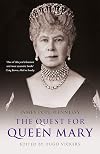
Shortly after Queen Mary's death (1953), James Pope- Hennessy was commissioned with writing her biography. This is NOT that book, but a collection of the many inteviews he had with those who knew her,; the (often more revealing) letters P-H wrote about those interviews to his friends...and very literate (and often hilarious) descriptions of the places, the characters and the author's reactions, the whole interpolated with explanations from editor Hugh Vickers.
Utter entertainment as P-H show more prowls around stately homes, gets invited to stay with sundy royals, reminisces with past servants, ladies of the bedchamber etc. I feel hugely motivated to read the actual work. Normally a biographer is a shadowy presence as he brings forth the character of his subject, but Pope-Hennessy is a very vivid, vital part of the telling- and, strangely, that in fact adds to his work.
Who could forget the Duchess of Windsor ("She is flat and angular, and could have been designed for a medieval playing card...the expression is either anticipatory (signalling to one, "I know this is going to be loads of fun, don't yew?") or appreciative- the great giglamp smile, thee wide wide open eyes, which are so very large and pale and veined, the painted lips and the cannibal teeth.")
And the surprisingly negative take on Sandringham- a place I've never visited- "Next to the death-chamber is the most sinister little room of all, now used by Prince Charles as his schoolroom...I should not like to be alone in that room at night."
Completely brings flat characters in Burke's Peerage to very vivid life. I'm very glad Mr Pope-Hennessy never wrote MY biography! Uttely recommended. show less
Utter entertainment as P-H show more prowls around stately homes, gets invited to stay with sundy royals, reminisces with past servants, ladies of the bedchamber etc. I feel hugely motivated to read the actual work. Normally a biographer is a shadowy presence as he brings forth the character of his subject, but Pope-Hennessy is a very vivid, vital part of the telling- and, strangely, that in fact adds to his work.
Who could forget the Duchess of Windsor ("She is flat and angular, and could have been designed for a medieval playing card...the expression is either anticipatory (signalling to one, "I know this is going to be loads of fun, don't yew?") or appreciative- the great giglamp smile, thee wide wide open eyes, which are so very large and pale and veined, the painted lips and the cannibal teeth.")
And the surprisingly negative take on Sandringham- a place I've never visited- "Next to the death-chamber is the most sinister little room of all, now used by Prince Charles as his schoolroom...I should not like to be alone in that room at night."
Completely brings flat characters in Burke's Peerage to very vivid life. I'm very glad Mr Pope-Hennessy never wrote MY biography! Uttely recommended. show less

Recently seeing A Streetcar Named Desire for the first time in years, I was bowled over by this breathtakingly beautiful woman who was also putting on such a wonderful performance as an actress. Where did she come up with the combination of lostness, spunk, deep hurt and pathos that she poured out into Brando's and Kim Hunter's dysfunctional hovel, while also wreaking such havoc on poor Karl Malden as her hypnotized accidental suitor? How could she inject such a depth of hard-won passion and show more tragic loss into a movie role? This was no typical melodramatic performance. Was it perhaps her whole life that had prepared her for it?
After choosing and ordering one from over a dozen available Vivien Leigh biographies, I set about trying to find an answer.
Vivien Hartley came from a respectable family without huge amounts of money or status. Educated in a nunnery, followed by finishing school, she was prepared to join the elite by virtue of early competency in theatricals augmented by amazing good looks. From a very early age, nearly everyone who encountered her considered her the most beautiful girl/woman they'd ever seen. She could soon get any man to fall over himself for her or fall in love with her. She thrived on attention and loved having great times among society, the higher and more in the crowd the better.
She married young, too young at nineteen, to a kind gentleman named Herbert Leigh Holman, and soon found herself pregnant. Her acting career was getting going, though, and when she gave birth to a daughter named Suzanne, whom she soon handed over to her mother Gertrude to raise as her granddaughter.
Propelled by talent, but even more by looks, her career soon took off. Now Vivien Leigh, she attracted Laurence Olivier's attention and both became instantly and totally smitten with each other. At the same time, word of her reached Hollywood, she was added to a shortlist of Scarlett O'Haras for Gone With The Wind, one of the most eagerly anticipated movies ever. A screen test identified her as the perfect Scarlett. She was off and running.
But she had health problems. A bout of tuberculosis weakened her stamina. Her affair with Olivier added terrible stresses to her public life. Her husband would not consider divorce. She had trouble saying no to hordes of friends and admirers. Between acting, partying, fretting about Olivier and trying to have some kind of a domestic life with him, she constantly courted exhaustion. Bipolar symptoms emerged that made her life impossible to manage well.
Gone With the Wind was a total triumph. Vivien won the Academy Award. Her life only got more frenetic from there. Finally she and Olivier both got divorces and were able to marry. As the perfect couple, they occupied the spotlight as never before. It all got progressively more unreal. Vivien suffered a breakdown. Olivier described them both as walking corpses.
Now the plot thickens a little. In 1949, Vivien signed up to play Blanche Dubois in the West End, London, production of A Streetcar Named Desire, which like the later film co-starred Marlon Brando and Kim Hunter. Vivien's was to be a demanding role, including a rape scene. The production was a huge hit and ran for 339 performances. It was a grueling run, following which she was almost immediately involved in production for the film version. She clearly needed to slow down, but didn't, or couldn't.
Mr. Vickers, author of this biography that I read, speculates that the length and intensity of the theatrical role of Blanche effected a change within Vivien, causing her to identify with a lost, mentally ill version of herself. He cites authorities to the effect that actors playing roles involving mental illness run risks of internalizing and actually developing features and aspects, if not full blown instances of the illnesses they play. It's an interesting theory, and one that for me seems to chime with the Vivien of Streetcar vs. that of Gone With the Wind twelve years earlier. It's possible that she arrived at her depth of performance in the movie of Streetcar by a process of becoming infected by Blanche the character's mental illness during the long theatrical run.
Nor did the transformation, if that's what it was, end after Streetcar. The remaining sixteen years of her life were plagued by manias and deep depressions. She strayed into Hollywood affairs. Her marriage to Olivier fell apart. She alienated her friends. Finally, she re-contracted TB and died at fifty-three. Her mental illness progressed, perhaps matching or even exceeding Blanche's. But until her dying day Vivien never lost the extraordinary beauty that had been her blessing, but also -- because she never reached her longed-for highest heights as an actor, alongside Olivier -- a kind of curse. show less
After choosing and ordering one from over a dozen available Vivien Leigh biographies, I set about trying to find an answer.
Vivien Hartley came from a respectable family without huge amounts of money or status. Educated in a nunnery, followed by finishing school, she was prepared to join the elite by virtue of early competency in theatricals augmented by amazing good looks. From a very early age, nearly everyone who encountered her considered her the most beautiful girl/woman they'd ever seen. She could soon get any man to fall over himself for her or fall in love with her. She thrived on attention and loved having great times among society, the higher and more in the crowd the better.
She married young, too young at nineteen, to a kind gentleman named Herbert Leigh Holman, and soon found herself pregnant. Her acting career was getting going, though, and when she gave birth to a daughter named Suzanne, whom she soon handed over to her mother Gertrude to raise as her granddaughter.
Propelled by talent, but even more by looks, her career soon took off. Now Vivien Leigh, she attracted Laurence Olivier's attention and both became instantly and totally smitten with each other. At the same time, word of her reached Hollywood, she was added to a shortlist of Scarlett O'Haras for Gone With The Wind, one of the most eagerly anticipated movies ever. A screen test identified her as the perfect Scarlett. She was off and running.
But she had health problems. A bout of tuberculosis weakened her stamina. Her affair with Olivier added terrible stresses to her public life. Her husband would not consider divorce. She had trouble saying no to hordes of friends and admirers. Between acting, partying, fretting about Olivier and trying to have some kind of a domestic life with him, she constantly courted exhaustion. Bipolar symptoms emerged that made her life impossible to manage well.
Gone With the Wind was a total triumph. Vivien won the Academy Award. Her life only got more frenetic from there. Finally she and Olivier both got divorces and were able to marry. As the perfect couple, they occupied the spotlight as never before. It all got progressively more unreal. Vivien suffered a breakdown. Olivier described them both as walking corpses.
Now the plot thickens a little. In 1949, Vivien signed up to play Blanche Dubois in the West End, London, production of A Streetcar Named Desire, which like the later film co-starred Marlon Brando and Kim Hunter. Vivien's was to be a demanding role, including a rape scene. The production was a huge hit and ran for 339 performances. It was a grueling run, following which she was almost immediately involved in production for the film version. She clearly needed to slow down, but didn't, or couldn't.
Mr. Vickers, author of this biography that I read, speculates that the length and intensity of the theatrical role of Blanche effected a change within Vivien, causing her to identify with a lost, mentally ill version of herself. He cites authorities to the effect that actors playing roles involving mental illness run risks of internalizing and actually developing features and aspects, if not full blown instances of the illnesses they play. It's an interesting theory, and one that for me seems to chime with the Vivien of Streetcar vs. that of Gone With the Wind twelve years earlier. It's possible that she arrived at her depth of performance in the movie of Streetcar by a process of becoming infected by Blanche the character's mental illness during the long theatrical run.
Nor did the transformation, if that's what it was, end after Streetcar. The remaining sixteen years of her life were plagued by manias and deep depressions. She strayed into Hollywood affairs. Her marriage to Olivier fell apart. She alienated her friends. Finally, she re-contracted TB and died at fifty-three. Her mental illness progressed, perhaps matching or even exceeding Blanche's. But until her dying day Vivien never lost the extraordinary beauty that had been her blessing, but also -- because she never reached her longed-for highest heights as an actor, alongside Olivier -- a kind of curse. show less
Bought 13 May 2008 - Cinema Bookshop, Hay-on-Wye
I think this is my last Hay book!
A wonderful biography, full of detail but never descending into a list of names and events. Full of personal information, but never prurient. Full of Beaton's diary entries but with its own style. With excellent pictures (as it should have) - both photos and sketches, and marvellous footnotes which explain who various people are as you come across them, but not in too much detail. Beaton is put into his context show more and allowed to shine, and, in high praise indeed, this biographer comes up to the standard of my great favourite, Michael Holroyd. show less
I think this is my last Hay book!
A wonderful biography, full of detail but never descending into a list of names and events. Full of personal information, but never prurient. Full of Beaton's diary entries but with its own style. With excellent pictures (as it should have) - both photos and sketches, and marvellous footnotes which explain who various people are as you come across them, but not in too much detail. Beaton is put into his context show more and allowed to shine, and, in high praise indeed, this biographer comes up to the standard of my great favourite, Michael Holroyd. show less
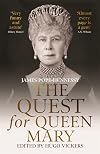
Funny but not hilarious (quotes on cover over-state it,). Improves in second half of the book. Chapter on Duke of Gloucester particularly good (only watches children's tv, in particular The Lone Ranger!). Main impressions are the ignorance, cruelty, stupidity, pettiness, selfishness, hostility, and drinking. Generally an amusing but unpleasant group of people.
Awards

You May Also Like


Associated Authors
Statistics
- Works
- 36
- Also by
- 7
- Members
- 1,396
- Popularity
- #18,408
- Rating
- 3.8
- Reviews
- 14
- ISBNs
- 85
- Languages
- 1