
Judith Cook (1933–2004)
Author of Dr. Simon Forman
About the Author
Judith Cook is well known as a crime writer and investigative journalist
Series
Works by Judith Cook
Associated Works
Tagged
Common Knowledge
- Legal name
- Cook, Judith Anne
- Birthdate
- 1933-07-09
- Date of death
- 2004-05-12
- Gender
- female
- Occupations
- journalist
anti-nuclear campaigner
biographer
novelist
mystery writer - Organizations
- The Guardian
Voice of Women (founder)
University of Exeter - Short biography
- Judith Cook was born in Manchester, England, the daughter of a mining engineer, and attended Stretford Grammar School. She worked as a secretary to Sir John Barbarolli, conductor of the Hallé Orchestra. In 1952, she married Douglas Cook, a musician, with whom she had four children. She became an early and dedicated campaigner against nuclear arms and founded the organization Voice of Women. She wrote a popular column for The Guardian newspaper and then began to write books. Among the 30 books she produced in her career were biographies of Grace O'Malley, J.B. Priestley, and Daphne du Maurier; nonfiction works such as Who Killed Hilda Murrell? (1985), which was adapted into a play, To Brave Every Danger (1993), and Price of Freedom (1985); and several mystery novels based on the casebooks of Dr. Simon Forman, an Elizabethan doctor and astrologer. She became features editor of the Birmingham Post, a lecturer in theatre at the University of Exeter, and worked for Anglia Television.
- Nationality
- England
UK - Birthplace
- Manchester, England, UK
- Places of residence
- London, England, UK
- Place of death
- Newlyn, Cornwall, England, UK
- Associated Place (for map)
- England, UK
Members
Reviews
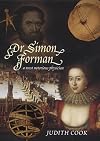
Dr. Forman was a doctor and astrologer in Elizabethan and Jacobean times who is mentioned in some of Ben Jonson's plays. He kept a diary and notes on his patients which have partially survived. After his death his name was dragged through the mud when a group of his high society clients were tried for poisoning Sir Thomas Overbury. The mud stuck, but Judith Cook attempts to rehabilitate his good name. This book should have been much more interesting than it was.
http://nwhyte.livejournal.com/1807044.html
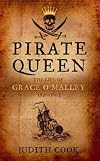
Cook is a clunkier writer than Chambers, but actually has a much better political grasp of what was going on in Irish, English and to an extent Scottish politics at the time and casts her net fairly wide. Essentially this turns into a study of the micro-politics of County Mayo in the last third of the sixteenth century, and gives a deep context to the story of the glamorous protagonist. I started by not really liking it because of the style but came show more around fairly quickly. show less
Cook is a clunkier writer than Chambers, but actually has a much better political grasp of what was going on in Irish, English and to an extent Scottish politics at the time and casts her net fairly wide. Essentially this turns into a study of the micro-politics of County Mayo in the last third of the sixteenth century, and gives a deep context to the story of the glamorous protagonist. I started by not really liking it because of the style but came show more around fairly quickly. show less
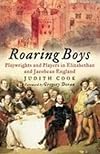
A brilliant overview of the great Elizabethan and Jacobean dramatists. Although Cook concentrates on the dramatists - Marlowe, Shakespeare, Dekker, Johnson, et al - their lives and how they would have worked with the theatre companies, she also looks at the contemporary world of the theatre, considering just what it was like to be a member of the audience at one of the great Bankside theatres. As well as considering how the closure of the London theatres during times of plague affected the show more impresarios and their players. If you're interested in the theatre of the time this is a brilliant introduction. show less

More of a thriller than a whodunnit, this mystery novel explores some of the abuses of power known to have happened in mundane 1980s England by the secret services in the name of maintaining good relationships with the USA in the midst of the Cold War. The writer adopts the victimised stance that was popular among the left wing at that time. Set firmly in southeast Suffolk, Ipswich and Shingle Street are mentioned by name but Woodbridge becomes Stembridge and the large supermarket is show more Tesburys (Tesco/Sainsburys), which seems affected to me. Competently written but not engaging, I feel. show less
You May Also Like


Associated Authors
Statistics
- Works
- 38
- Also by
- 2
- Members
- 522
- Popularity
- #47,609
- Rating
- 3.4
- Reviews
- 8
- ISBNs
- 84
- Languages
- 1