
Mariama J. Lockington
Author of For Black Girls Like Me
About the Author
Works by Mariama J. Lockington
Associated Works
This Is Our Rainbow: 16 Stories of Her, Him, Them, and Us (2021) — Contributor — 198 copies, 5 reviews
Tagged
Common Knowledge
- Gender
- female
Members
Reviews
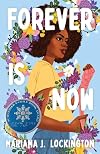
In the aftermath of yet another incident of police brutality, a teen tries to find her way forward.
Sadie was already managing generalized anxiety when, while being dumped by the girlfriend who made her feel safe, she witnesses police violently attacking another Black girl. The events trigger a debilitating panic that prevents her from leaving home, even to attend the protest that she wants to participate in. Instead of spending the summer interning at the local creative writing center, Sadie show more has to relearn how to exist in the world as a bisexual Black person with anxiety and agoraphobia and, eventually, how to use her voice, find joy, and move beyond the safety of her home. Despite the physically contained setting of the majority of the book—Sadie initially struggles to even reach the backyard—her Oakland, California, community is richly and authentically textured, with most of the characters cued as Black or brown. Verse narration is intercut with text from Sadie’s social media posts, effectively capturing the nature of contemporary organizing and community-building. Nuanced depictions of intercommunity tensions—between Sadie’s empathetic dad and her brusque mom, between her bold, activist, nonbinary best friend and her tentative, Black transracial adoptee new crush—help propel the narrative. Lockington’s real achievement here, though, is the tenderness with which she captures the utter vulnerability, strength, and beauty of a “sad, anxious Black girl.”
Intimately and immensely powerful. (Verse fiction. 12-18)
-Kirkus Review show less
Sadie was already managing generalized anxiety when, while being dumped by the girlfriend who made her feel safe, she witnesses police violently attacking another Black girl. The events trigger a debilitating panic that prevents her from leaving home, even to attend the protest that she wants to participate in. Instead of spending the summer interning at the local creative writing center, Sadie show more has to relearn how to exist in the world as a bisexual Black person with anxiety and agoraphobia and, eventually, how to use her voice, find joy, and move beyond the safety of her home. Despite the physically contained setting of the majority of the book—Sadie initially struggles to even reach the backyard—her Oakland, California, community is richly and authentically textured, with most of the characters cued as Black or brown. Verse narration is intercut with text from Sadie’s social media posts, effectively capturing the nature of contemporary organizing and community-building. Nuanced depictions of intercommunity tensions—between Sadie’s empathetic dad and her brusque mom, between her bold, activist, nonbinary best friend and her tentative, Black transracial adoptee new crush—help propel the narrative. Lockington’s real achievement here, though, is the tenderness with which she captures the utter vulnerability, strength, and beauty of a “sad, anxious Black girl.”
Intimately and immensely powerful. (Verse fiction. 12-18)
-Kirkus Review show less
In the aftermath of yet another incident of police brutality, a teen tries to find her way forward.
Sadie was already managing generalized anxiety when, while being dumped by the girlfriend who made her feel safe, she witnesses police violently attacking another Black girl. The events trigger a debilitating panic that prevents her from leaving home, even to attend the protest that she wants to participate in. Instead of spending the summer interning at the local creative writing center, Sadie show more has to relearn how to exist in the world as a bisexual Black person with anxiety and agoraphobia and, eventually, how to use her voice, find joy, and move beyond the safety of her home. Despite the physically contained setting of the majority of the book—Sadie initially struggles to even reach the backyard—her Oakland, California, community is richly and authentically textured, with most of the characters cued as Black or brown. Verse narration is intercut with text from Sadie’s social media posts, effectively capturing the nature of contemporary organizing and community-building. Nuanced depictions of intercommunity tensions—between Sadie’s empathetic dad and her brusque mom, between her bold, activist, nonbinary best friend and her tentative, Black transracial adoptee new crush—help propel the narrative. Lockington’s real achievement here, though, is the tenderness with which she captures the utter vulnerability, strength, and beauty of a “sad, anxious Black girl.”
Intimately and immensely powerful. (Verse fiction. 12-18)
-Kirkus Review show less
Sadie was already managing generalized anxiety when, while being dumped by the girlfriend who made her feel safe, she witnesses police violently attacking another Black girl. The events trigger a debilitating panic that prevents her from leaving home, even to attend the protest that she wants to participate in. Instead of spending the summer interning at the local creative writing center, Sadie show more has to relearn how to exist in the world as a bisexual Black person with anxiety and agoraphobia and, eventually, how to use her voice, find joy, and move beyond the safety of her home. Despite the physically contained setting of the majority of the book—Sadie initially struggles to even reach the backyard—her Oakland, California, community is richly and authentically textured, with most of the characters cued as Black or brown. Verse narration is intercut with text from Sadie’s social media posts, effectively capturing the nature of contemporary organizing and community-building. Nuanced depictions of intercommunity tensions—between Sadie’s empathetic dad and her brusque mom, between her bold, activist, nonbinary best friend and her tentative, Black transracial adoptee new crush—help propel the narrative. Lockington’s real achievement here, though, is the tenderness with which she captures the utter vulnerability, strength, and beauty of a “sad, anxious Black girl.”
Intimately and immensely powerful. (Verse fiction. 12-18)
-Kirkus Review show less
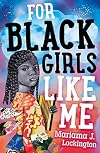
Re-read June/July 2021
*
Keda's family is moving from Maryland to New Mexico, leaving behind the only friend Keda has who really understands her experience of being an African-American adoptee in a white family. Keda and Lena send a journal back and forth between them, but it isn't the same. Keda's new school is about half white and half Latinx, but she doesn't fit in, and after one of the girls calls her the n-word, Keda's mother pulls her and her older sister Eve out of public school and show more says she'll teach them at home. But the girls' mother Anna, a violin prodigy, is also battling bipolar disorder, and when their father goes away for several weeks, Anna gets worse.
In addition to the ordinary challenges that come with growing up, moving, and changing schools, Keda faces another whole layer of challenges: a family that loves her but doesn't understand what she faces (and to be honest, could do a much better job of listening to her), navigating her mother's mood swings, maintaining a long-distance friendship (in addition to the journal, the girls set up a Tumblr), and becoming part of a homeschooling group.
Fantastic. And real.
See also: Far From the Tree by Robin Benway, Blended by Sharon M. Draper
Quotes
I love Ella and Billie Holiday and oh I just can't get enough of Nina Simone. These women sing and I feel like they are talking to me. Like we are speaking the same language. Like they know what it is to feel loved and lonely all at the same time. (18)
I will not be a girl who follows (Keda's journal letter to Lena, 50)
"What if he says no?"
"Well then he's not worth your time."
"I don't know. I'm not sure he likes girls like....us. You know?"
"Oh you mean he's racist? Well then if that's true he's definitely not worth your time." (Keda and Lena, 80-81)
We sit there and try to understand that Mama is still Mama. But also. She is a stranger. (272) show less
*
Keda's family is moving from Maryland to New Mexico, leaving behind the only friend Keda has who really understands her experience of being an African-American adoptee in a white family. Keda and Lena send a journal back and forth between them, but it isn't the same. Keda's new school is about half white and half Latinx, but she doesn't fit in, and after one of the girls calls her the n-word, Keda's mother pulls her and her older sister Eve out of public school and show more says she'll teach them at home. But the girls' mother Anna, a violin prodigy, is also battling bipolar disorder, and when their father goes away for several weeks, Anna gets worse.
In addition to the ordinary challenges that come with growing up, moving, and changing schools, Keda faces another whole layer of challenges: a family that loves her but doesn't understand what she faces (and to be honest, could do a much better job of listening to her), navigating her mother's mood swings, maintaining a long-distance friendship (in addition to the journal, the girls set up a Tumblr), and becoming part of a homeschooling group.
Fantastic. And real.
See also: Far From the Tree by Robin Benway, Blended by Sharon M. Draper
Quotes
I love Ella and Billie Holiday and oh I just can't get enough of Nina Simone. These women sing and I feel like they are talking to me. Like we are speaking the same language. Like they know what it is to feel loved and lonely all at the same time. (18)
I will not be a girl who follows (Keda's journal letter to Lena, 50)
"What if he says no?"
"Well then he's not worth your time."
"I don't know. I'm not sure he likes girls like....us. You know?"
"Oh you mean he's racist? Well then if that's true he's definitely not worth your time." (Keda and Lena, 80-81)
We sit there and try to understand that Mama is still Mama. But also. She is a stranger. (272) show less

Complicated and dreamy story about music summer camp, and loss, and anxiety, and finding out who you are. Particularly powerful for queer Black girls, but also just a lovely book with a lot of heart and a lot of grace for imperfections. I love the way that music and dance and spending craft time with friends is such an important part of the book. I love that even though the friendship complications are many and intense, they are also sweet and have good resolutions. It's got some heavy show more themes at the center, but it's also got characters strong enough to bear it. Growing up is not an easy thing. show less
Lists
Awards


You May Also Like


Associated Authors
Statistics
- Works
- 5
- Also by
- 3
- Members
- 393
- Popularity
- #61,673
- Rating
- 3.8
- Reviews
- 18
- ISBNs
- 21