
Simon Van Booy
Author of Sipsworth
About the Author
Works by Simon Van Booy
In the Memorial Room 1 copy
Associated Works
Tagged
Common Knowledge
- Birthdate
- 1975-03-15
- Gender
- male
- Nationality
- UK
- Places of residence
- Wales, UK
Brooklyn, New York, USA - Associated Place (for map)
- UK
Members
Reviews
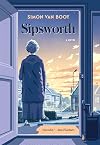
Helen Cartwright has returned to the small English hometown of her girlhood, after living most of her adult life in Australia. She's past 80 now, alone, and ready for her life to end, since she believes it's over. She's a sympathetic, slightly dotty, sweet old dear who tries to have as little contact with humans as possible, keeps to a comfortable reclusive routine with lots of hot baths and naps...until she gives in to an inexplicable impulse that changes her outlook...a LOT. First she has show more to engage with the man who runs the hardware store in town --"What's the best way to get rid of a mouse?" Somehow she manages to get the glue traps he sold her irrevocably stuck to the bottom of her own slippers. And maybe she didn't really want the mouse dead...just out of the house. But maybe she needs to know something about mice first. NOW, she's had a conversation--in person--with the librarian, searching for a helpful book about keeping mice as pets. NOT that she's intending to do that, but until she can get someone at a shelter to agree to take it on... Delightful. Just damned delightful. And surprising. Beautiful, even. show less

Take a few weird characters. Add a long time period (1939-2010). Mix a few locations in Europe and USA. Now stir well and throw connections between the different threads and don't forget to mix the people and the times.
That sounds like a recipe that is easy to fail - coincidences and interconnectedness can work to a point. And building a novel by relying on this can be a disaster. Thankfully Van Booy has the writing skill to pull it off - and he manages to do it in a great way.
It is easy show more to believe that someone's life does not influence the lives of others. It is even easier to imagine that we will never see and meet the people that were there at obscure parts of ours lives. But life makes its own choices - and people meet again, old pictures resurface and old secrets get uncovered.
The characters in this novel are as diverse as possible - soldiers from both sides of WWII, children that grow up in different eras and change the lives of others, a blind girl that without even realizing it uncovers a part of her own family history. And somewhere there, almost hidden is the thread that connects them - it is spelled quite clearly in most cases but in some cases it is up to the reader to read carefully and not to miss it.
When the different threads start tying together in the second part of the novel, you almost know what will happen. And yet - you keep reading. Because it is the style and the small things that make the novel - the secrets that noone else knows but are reveled because they add to the texture of the novel, the moments and occurrences that change the story and turns everything that you know on its head.
And this kind of novel cannot even be judged for all the coincidences - because they are what the narrative is built on. If there is something that does not work, it is that some of the characters never grow up to a real 3-dimensional ones. They are there but they seem more like a clutch for some of the other characters (on the other hand some of the minor ones are fully built and believable). Or maybe I just wanted to see more from some of the characters - their stories and feelings were expressed in so little words. And yet - they stay and haunt you. The small graveyard in France (for only 4 people) chills you to the bones and the telegram that John sends at the end of the war makes you feel what they all felt.
I want to read more from this author and if Indiespensable had not added an Early review copy of the book, I would probably never had picked it up. The story sounds way too much as something that can fail so easily... and so away from what I usually read. show less
That sounds like a recipe that is easy to fail - coincidences and interconnectedness can work to a point. And building a novel by relying on this can be a disaster. Thankfully Van Booy has the writing skill to pull it off - and he manages to do it in a great way.
It is easy show more to believe that someone's life does not influence the lives of others. It is even easier to imagine that we will never see and meet the people that were there at obscure parts of ours lives. But life makes its own choices - and people meet again, old pictures resurface and old secrets get uncovered.
The characters in this novel are as diverse as possible - soldiers from both sides of WWII, children that grow up in different eras and change the lives of others, a blind girl that without even realizing it uncovers a part of her own family history. And somewhere there, almost hidden is the thread that connects them - it is spelled quite clearly in most cases but in some cases it is up to the reader to read carefully and not to miss it.
When the different threads start tying together in the second part of the novel, you almost know what will happen. And yet - you keep reading. Because it is the style and the small things that make the novel - the secrets that noone else knows but are reveled because they add to the texture of the novel, the moments and occurrences that change the story and turns everything that you know on its head.
And this kind of novel cannot even be judged for all the coincidences - because they are what the narrative is built on. If there is something that does not work, it is that some of the characters never grow up to a real 3-dimensional ones. They are there but they seem more like a clutch for some of the other characters (on the other hand some of the minor ones are fully built and believable). Or maybe I just wanted to see more from some of the characters - their stories and feelings were expressed in so little words. And yet - they stay and haunt you. The small graveyard in France (for only 4 people) chills you to the bones and the telegram that John sends at the end of the war makes you feel what they all felt.
I want to read more from this author and if Indiespensable had not added an Early review copy of the book, I would probably never had picked it up. The story sounds way too much as something that can fail so easily... and so away from what I usually read. show less
The next time a pesky mouse becomes an unpaid tenant in my summer cottage, I will view the furry invader through a different prism thanks to this touching and beautifully crafted tale.
“Sipsworth” examines how a tiny creature became a catalyst for helping a lonely 83-year-old woman to overcome grief and isolation.
In a 2024 interview, Van Booy shared that the protagonist in this book was inspired by one of his mentors — an aging woman who had suffered loss and felt she had “outlived show more her life.” He also worked in a nursing home for a brief period during his college years and got to know some residents. “They taught me so much about how to live and how to love and how to care for others.”
Laced with humor, this novella makes every word count as it paints vivid vignettes that make some of life’s most mundane tasks seem intriguing.
At the very least, “Sipsworth” may spur some readers to reconsider the fate of marauding mice. show less
“Sipsworth” examines how a tiny creature became a catalyst for helping a lonely 83-year-old woman to overcome grief and isolation.
In a 2024 interview, Van Booy shared that the protagonist in this book was inspired by one of his mentors — an aging woman who had suffered loss and felt she had “outlived show more her life.” He also worked in a nursing home for a brief period during his college years and got to know some residents. “They taught me so much about how to live and how to love and how to care for others.”
Laced with humor, this novella makes every word count as it paints vivid vignettes that make some of life’s most mundane tasks seem intriguing.
At the very least, “Sipsworth” may spur some readers to reconsider the fate of marauding mice. show less
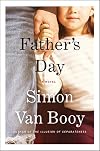
Simon Van Booy does it again ("it" being a novel that is carefully crafted, beautifully written without being flamboyantly so, full of tenderness between its characters, and with a surprising plot twist or two). Father's Day is the story of Harvey and her father, Jason. Harvey's first parents were killed in a car crash when she was in first grade, and thanks to a persistent, good-hearted social worker named Wanda, Harvey is adopted by her father's brother. Half the novel takes place in show more Paris, where Harvey lives and works, during Jason's visit there for Father's Day. The other half takes place in the past, and explains the back story for each gift Harvey gives him for the day. The final item, some official documents, are a surprise to Jason and to the reader, though Harvey herself won't understand the significance unless Jason explains it to her.
Quotes
Sometimes she would lose count of the things that didn't make sense. (4)
But somehow her father had seemed always older - or never quite so young as he must have been to himself. (31-32)
When it first came to light, she felt betrayed - but was old enough to know that emotions take time to settle. (46)
Although Jason had not spoken to his brother in over ten years, he felt this wa a different sort of absence - like opening your eyes upon darkness. (50)
He considered how memories hold our lives in place but weigh nothing and cannot be seen or touched. (50)
One thing Wanda had learned in her thirty years on the job: Disappointment later on is better than no hope to begin with. (65)
But war only ends for those who have not been in one. (88) show less
Quotes
Sometimes she would lose count of the things that didn't make sense. (4)
But somehow her father had seemed always older - or never quite so young as he must have been to himself. (31-32)
When it first came to light, she felt betrayed - but was old enough to know that emotions take time to settle. (46)
Although Jason had not spoken to his brother in over ten years, he felt this wa a different sort of absence - like opening your eyes upon darkness. (50)
He considered how memories hold our lives in place but weigh nothing and cannot be seen or touched. (50)
One thing Wanda had learned in her thirty years on the job: Disappointment later on is better than no hope to begin with. (65)
But war only ends for those who have not been in one. (88) show less
Lists
Awards


You May Also Like


Associated Authors
Statistics
- Works
- 27
- Also by
- 2
- Members
- 2,078
- Popularity
- #12,364
- Rating
- 3.9
- Reviews
- 162
- ISBNs
- 99
- Languages
- 5
- Favorited
- 6
