
Monika Zgustová
Author of Dressed for a Dance in the Snow
About the Author
Image credit: Wikimedia
Works by Monika Zgustová
Associated Works
Paraules sobre la paraula — Translator, some editions — 2 copies
Tagged
Common Knowledge
- Canonical name
- Zgustová, Monika
- Birthdate
- 1956
- Gender
- female
- Education
- University of Illinois (Comparative Literature)
- Occupations
- translator
- Nationality
- Czechoslovakia
- Birthplace
- Prague, Czechoslovakia
- Places of residence
- Barcelona, Spain
- Map Location
- Czech Republic
Members
Reviews
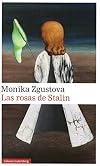
«Mi nombre es Svetlana Alilúyeva. Nací el 28 de febrero de 1926. Mi padre murió en 1953. Se llamaba Iósif Stalin.» La única hija del dictador soviético tuvo un destino increíble. Svetlana murió en 2011 en Wisconsin, EE.UU. Monika Zgustova nos presenta aquí una novela biográfica original, emocionante y llena de giros inesperados.
Svetlana se recupera en un hospital para la élite rusa y extranjeros de las afueras de Moscú de una operación de amígdalas. Svetlana tiene entonces show more treinta y siete años y pasa las horas como puede. Observa a los demás enfermos, sus movimientos, sus actitudes, sus palabras. Hasta que repara en un hombre de aspecto indú que la atrapará desde el primer momento y cambiará su vida para siempre.
Las rosas de Stalin es una conmovedora novela histórica que recrea parte de la vida de Svetlana Alilúyeva, la hija pequeña del dictador ruso Iósif Stalin. Como su hija favorita, Svetlana tuvo una infancia feliz, alejada de los turbulentos acontecimientos que oscurecieron la vida de sus compatriotas bajo el régimen opresor de su padre. Pero con diecisiete años, Svetlana despertó de su sueño para abrir sus ojos a una pesadilla que la acompañaría toda su vida. No sólo descubrió que su madre no había muerto por causas naturales cinco años atrás y se había suicidado, sino que descubrió la verdadera personalidad del líder del Partido Comunista Soviético.
En una huida constante de su pasado, tras la muerte de su padre, Svetlana tuvo una existencia marcada por la angustia de tener que estar constantemente demostrando que ella no era su padre.
Los unos me piden que me comporte como una hija de un gran estadista, los otros ven en mí a la hija odiada de un asesino de masas. Pero yo no soy nada más que una mujer normal y corriente que quiere vivir su vida. ¡Vivir y nada más! ¡Olvidarme de quien fue mi padre!
Reflexiones como esta aparecen en la novela, que arranca en el momento de la vida de Svetlana en el que conoce a Brajesh Singh, un indú del que se enamora pero con quien las autoridades rusas no le permitieron casarse ni salir juntos de la Unión Soviética. Tras la muerte de Singh, se le permitió viajar a la India donde cumplió con la última voluntad de su amado y esparcir sus cenizas en el Ganges. Su estancia en la India fue reveladora para Svetlana quien tomó la dura decisión de no volver a Moscú, al lado de sus dos hijos, Iósif y Yekaterina, y pedir asilo político en los Estados Unidos.
¡Durante toda mi vida he estado rodeada de tanto odio, hijos míos! Me fui sobre todo por eso. Quiero ser yo misma, y si alguien me ha de odiar, que sea por mí, ¡no por alguien por quien no respondo! Así ha sido toda mi vida.
Su llegada a Nueva York causó un auténtico revuelo y elevó la tensión internacional en plena Guerra Fría. En la novela, se recrea con gran fidelidad el encuentro que mantuvo Svetlana con la prensa en el que, entre otras cosas, denunció el régimen dictatorial de su padre, aunque intentó justificar las decisiones de su padre:
Después de la muerte de mi madre, mi padre parecía haberse vuelto loco. Nunca más lo vi alegre como antes. Y quizás por eso se convirtió en un dictador sangriento.
Las rosas de Stalin resigue la vida de Svetlana desde su infancia mediante cartas y recuerdos, hasta los últimos años de su vida en los que se casó con un norteamericano y tuvo a su tercera hija, Olga.
Escrita por la autora checha Monika Zgustova, Las rosas de Stalin es una novela que profundiza en la vida y los pensamientos de una mujer que vivió siempre con la sombra de su padre ahogando su existencia. Una novela pausada, que consigue transmitir la angustia que vivió Svetlana, y nos acerca a un personaje cuya vida fue digna de ser novelada.
La novela está tan bien documentada que es más bien una biografía novelada que permite, gracias al género escogido, darle a la narración un ritmo y un atractivo que te atrapa desde el principio. Una historia muy recomendable. show less
Svetlana se recupera en un hospital para la élite rusa y extranjeros de las afueras de Moscú de una operación de amígdalas. Svetlana tiene entonces show more treinta y siete años y pasa las horas como puede. Observa a los demás enfermos, sus movimientos, sus actitudes, sus palabras. Hasta que repara en un hombre de aspecto indú que la atrapará desde el primer momento y cambiará su vida para siempre.
Las rosas de Stalin es una conmovedora novela histórica que recrea parte de la vida de Svetlana Alilúyeva, la hija pequeña del dictador ruso Iósif Stalin. Como su hija favorita, Svetlana tuvo una infancia feliz, alejada de los turbulentos acontecimientos que oscurecieron la vida de sus compatriotas bajo el régimen opresor de su padre. Pero con diecisiete años, Svetlana despertó de su sueño para abrir sus ojos a una pesadilla que la acompañaría toda su vida. No sólo descubrió que su madre no había muerto por causas naturales cinco años atrás y se había suicidado, sino que descubrió la verdadera personalidad del líder del Partido Comunista Soviético.
En una huida constante de su pasado, tras la muerte de su padre, Svetlana tuvo una existencia marcada por la angustia de tener que estar constantemente demostrando que ella no era su padre.
Los unos me piden que me comporte como una hija de un gran estadista, los otros ven en mí a la hija odiada de un asesino de masas. Pero yo no soy nada más que una mujer normal y corriente que quiere vivir su vida. ¡Vivir y nada más! ¡Olvidarme de quien fue mi padre!
Reflexiones como esta aparecen en la novela, que arranca en el momento de la vida de Svetlana en el que conoce a Brajesh Singh, un indú del que se enamora pero con quien las autoridades rusas no le permitieron casarse ni salir juntos de la Unión Soviética. Tras la muerte de Singh, se le permitió viajar a la India donde cumplió con la última voluntad de su amado y esparcir sus cenizas en el Ganges. Su estancia en la India fue reveladora para Svetlana quien tomó la dura decisión de no volver a Moscú, al lado de sus dos hijos, Iósif y Yekaterina, y pedir asilo político en los Estados Unidos.
¡Durante toda mi vida he estado rodeada de tanto odio, hijos míos! Me fui sobre todo por eso. Quiero ser yo misma, y si alguien me ha de odiar, que sea por mí, ¡no por alguien por quien no respondo! Así ha sido toda mi vida.
Su llegada a Nueva York causó un auténtico revuelo y elevó la tensión internacional en plena Guerra Fría. En la novela, se recrea con gran fidelidad el encuentro que mantuvo Svetlana con la prensa en el que, entre otras cosas, denunció el régimen dictatorial de su padre, aunque intentó justificar las decisiones de su padre:
Después de la muerte de mi madre, mi padre parecía haberse vuelto loco. Nunca más lo vi alegre como antes. Y quizás por eso se convirtió en un dictador sangriento.
Las rosas de Stalin resigue la vida de Svetlana desde su infancia mediante cartas y recuerdos, hasta los últimos años de su vida en los que se casó con un norteamericano y tuvo a su tercera hija, Olga.
Escrita por la autora checha Monika Zgustova, Las rosas de Stalin es una novela que profundiza en la vida y los pensamientos de una mujer que vivió siempre con la sombra de su padre ahogando su existencia. Una novela pausada, que consigue transmitir la angustia que vivió Svetlana, y nos acerca a un personaje cuya vida fue digna de ser novelada.
La novela está tan bien documentada que es más bien una biografía novelada que permite, gracias al género escogido, darle a la narración un ritmo y un atractivo que te atrapa desde el principio. Una historia muy recomendable. show less
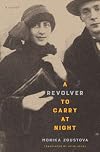
Zgustova convincingly conveys the interaction of memory, art, and motivation, whether or not it is historical. Her provocative, psychological portrait of a remarkable woman and the man she helped steer toward greatness is presented in just 150 pages, interspersed with a number of quiet scenes. It is an engrossing, subtle depiction of the life of Véra Nabokov, who devoted herself to furthering her husband's literary career and was instrumental in the composition of his best-known works.
In show more many ways, Véra Nabokov (1902–1991) was the quintessential wife of a great man; she was acutely aware of her husband's extraordinary talent and made his success her ultimate goal throughout their fifty-two-year marriage until his death in 1977. Véra worked as an editor and typist and was the first person to read his texts. She organized their lives in exile, organizing trips to Berlin, Paris, Switzerland, and most importantly, the US, where she persuaded Vladimir to concentrate on writing novels in English. She managed the family's finances and contract negotiations, and she even went so far as to audit his classes.
Monika Zgustova immerses us in the everyday lives of this extraordinary couple in this rich, expansive book, providing insights into their intricate personal and professional relationships as well as the real people who lie behind characters like Lolita. Though Véra prided herself on being independent, was she really that much of an independent woman given how much room her husband occupied? Might Nabokov have emerged as one of the greatest authors of the 20th century without Véra? show less
In show more many ways, Véra Nabokov (1902–1991) was the quintessential wife of a great man; she was acutely aware of her husband's extraordinary talent and made his success her ultimate goal throughout their fifty-two-year marriage until his death in 1977. Véra worked as an editor and typist and was the first person to read his texts. She organized their lives in exile, organizing trips to Berlin, Paris, Switzerland, and most importantly, the US, where she persuaded Vladimir to concentrate on writing novels in English. She managed the family's finances and contract negotiations, and she even went so far as to audit his classes.
Monika Zgustova immerses us in the everyday lives of this extraordinary couple in this rich, expansive book, providing insights into their intricate personal and professional relationships as well as the real people who lie behind characters like Lolita. Though Véra prided herself on being independent, was she really that much of an independent woman given how much room her husband occupied? Might Nabokov have emerged as one of the greatest authors of the 20th century without Véra? show less
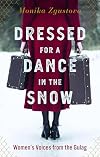
I wanted to like this book more (as much as one can use “like” for a book about the Gulag). I think I added it to my list while my book club was reading Solzhenitsyn although I’m not sure now.
The theme is best summed up in this quote from the author’s introduction: “These exiled Russian women found refuge in friendship and poetry,” and each chapter (one per woman interviewed) contains a literary reference. Unfortunately the narrative is choppy and disjointed and I can’t tell if show more that is because the author let the interviews direct each chapter, or if it is her writing style, or if something was lost in the translation. Whatever the cause, I found it hard to follow each woman’s story (and many of them persisted in telling a friend’s story instead, which added to the challenge) and so while I did learn about women’s experiences in the USSR, the chapters ran together rather than creating a clear portraits of each woman. show less
The theme is best summed up in this quote from the author’s introduction: “These exiled Russian women found refuge in friendship and poetry,” and each chapter (one per woman interviewed) contains a literary reference. Unfortunately the narrative is choppy and disjointed and I can’t tell if show more that is because the author let the interviews direct each chapter, or if it is her writing style, or if something was lost in the translation. Whatever the cause, I found it hard to follow each woman’s story (and many of them persisted in telling a friend’s story instead, which added to the challenge) and so while I did learn about women’s experiences in the USSR, the chapters ran together rather than creating a clear portraits of each woman. show less

Many more men than women were sentenced to Stalin's camps. Not that women were spared, and the author took the opportunity to track down and interview nine of these women. Of course, most of them were quite elderly now, but their time in the Gulags were never forgotten, leaving an indelible shadow over their lives.
We hear, in their own words their experiences. The cold, the twelve to sixteen your work days, little food and wearing what we're basically rags. Many made friends, but since show more friendships were frowned on, they were frequently sent to different camps. There were well known poets, actresses, anyone who came under suspicion for the flimsiest of reasons. The most well known person, who was exiled to Siberia with her mother was Olga Ivinskaya, a companion of Boris Pasternak, and was said to be the inspiration for the character of Lara in Dr. Zhivago. Some of their letters are included.
Just as their experiences differed, so to did their reactions. The author noted though a commanality in all their postures, an effect of their horrible times spent in Stalins Gulags. This is well done, with the author taking on a limited role. She just listened and let the women tell their stories in their own way. The book also includes photos of then and now.
ARC from Edelweiss. show less
We hear, in their own words their experiences. The cold, the twelve to sixteen your work days, little food and wearing what we're basically rags. Many made friends, but since show more friendships were frowned on, they were frequently sent to different camps. There were well known poets, actresses, anyone who came under suspicion for the flimsiest of reasons. The most well known person, who was exiled to Siberia with her mother was Olga Ivinskaya, a companion of Boris Pasternak, and was said to be the inspiration for the character of Lara in Dr. Zhivago. Some of their letters are included.
Just as their experiences differed, so to did their reactions. The author noted though a commanality in all their postures, an effect of their horrible times spent in Stalins Gulags. This is well done, with the author taking on a limited role. She just listened and let the women tell their stories in their own way. The book also includes photos of then and now.
ARC from Edelweiss. show less
Lists
Awards


You May Also Like


Associated Authors
Statistics
- Works
- 25
- Also by
- 8
- Members
- 339
- Popularity
- #70,284
- Rating
- 4.0
- Reviews
- 14
- ISBNs
- 52
- Languages
- 6