
James E. Ransome
Author of Before She Was Harriet
About the Author
Works by James E. Ransome
The Bell Rang (ALA Notable Children's Books. Younger Readers (Awards)) (2019) 168 copies, 17 reviews
My Story, My Dance: Robert Battle's Journey to Alvin Ailey (2015) — Illustrator — 78 copies, 8 reviews
Associated Works
Our Children Can Soar: A Celebration of Rosa, Barack, and the Pioneers of Change (2009) — Illustrator — 254 copies, 17 reviews
Before There Was Mozart: The Story of Joseph Boulogne, Chevalier de Saint-George (2011) — Illustrator — 116 copies, 18 reviews
Let My People Go: Bible Stories Told by a Freeman of Color (1998) — Illustrator — 112 copies, 2 reviews
On the Wings of Peace: Writers and Illustrators Speak Out for Peace, in Memory of Hiroshima and Nagasaki (1995) — Illustrator — 105 copies, 1 review
The Christmas Tugboat: How the Rockefeller Center Christmas Tree Came to New York City (2012) — Illustrator — 48 copies, 3 reviews
Fighting with Love: The Legacy of John Lewis (2024) — Illustrator, some editions — 45 copies, 4 reviews
Tagged
Common Knowledge
- Canonical name
- Ransome, James E.
- Gender
- male
- Awards and honors
- Children's Literature Legacy Award (2023)
Members
Reviews
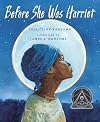
Harriet Tubman was not always Harriet. This story discusses Harriet Tubman's life via poetry, with each page going further back into Harriet Tubman's life and putting together the pieces of the puzzle. She was known by many names--nurse, General, Aunt Harriet, conductor, etc. Readers are made more aware of her life and how she was so many things for so many people, and we admire her even more greatly for that. Just like many biographies accomplish, this one in particular helps us to get more show more of a glimpse into her legacy. She started off as a little slave girl who saw the injustices of the world and made it her mission to help others.
I LOVED this picture book biography! I adored the fact that the book starts by illustrating and talking about an old woman who is tired, and then continues to give us a little bit of information at a time. Reading a little information at a time helps the young reader to not feel overwhelmed and makes him or her stay focused and interested. I thought poetry was a smart literary decision because, when I really think of all the pain she endured and how she was a loving person, poetry helps to convey this concept. Furthermore, she made something beautiful out of her life. The story is inviting, and the illustrations and font are charming. I can't say enough wonderful things about this biography of a true American hero. show less
I LOVED this picture book biography! I adored the fact that the book starts by illustrating and talking about an old woman who is tired, and then continues to give us a little bit of information at a time. Reading a little information at a time helps the young reader to not feel overwhelmed and makes him or her stay focused and interested. I thought poetry was a smart literary decision because, when I really think of all the pain she endured and how she was a loving person, poetry helps to convey this concept. Furthermore, she made something beautiful out of her life. The story is inviting, and the illustrations and font are charming. I can't say enough wonderful things about this biography of a true American hero. show less

Awordless tale that speaks loudly of American inequality.
At the end of the school day, a mother picks up her son from school. Parent and child, both of whom present Black, hug before stopping for a meal at a fast-food restaurant. At dusk, the pair walk to the local library, where the boy does his homework and the mother reads a novel—notably, it’s Lesa Cline-Ransome’s Finding Langston (2018), the story of another Black child who knows hardship, written by the author’s wife. At show more closing time, the librarian comes to turn out the lights. After exiting the library, parent and child walk to a park, where they talk, and the youngster plays in the fall leaves. In the dark, the two settle down on a bench with the city lights and skyline as backdrop. While the child sleeps, his head resting in his mother’s lap, she remains vigilant throughout the night. When the sun rises, she gets the boy ready for school, combing his hair and looking on as he brushes his teeth at a water fountain. Ransome’s gorgeous, richly hued watercolors convey the love between mother and child, balancing the difficulties they face with moments of true joy. In an author’s note, he asks, “In a country of vast resources, what is our responsibility to those without access to the basic necessities?” Readers of this empathetic tale will come away resolved to work toward a world in which all people’s needs are met.
Thought-provoking, heartbreaking, and moving. (Picture book. 4-8)
-Kirkus Review show less
At the end of the school day, a mother picks up her son from school. Parent and child, both of whom present Black, hug before stopping for a meal at a fast-food restaurant. At dusk, the pair walk to the local library, where the boy does his homework and the mother reads a novel—notably, it’s Lesa Cline-Ransome’s Finding Langston (2018), the story of another Black child who knows hardship, written by the author’s wife. At show more closing time, the librarian comes to turn out the lights. After exiting the library, parent and child walk to a park, where they talk, and the youngster plays in the fall leaves. In the dark, the two settle down on a bench with the city lights and skyline as backdrop. While the child sleeps, his head resting in his mother’s lap, she remains vigilant throughout the night. When the sun rises, she gets the boy ready for school, combing his hair and looking on as he brushes his teeth at a water fountain. Ransome’s gorgeous, richly hued watercolors convey the love between mother and child, balancing the difficulties they face with moments of true joy. In an author’s note, he asks, “In a country of vast resources, what is our responsibility to those without access to the basic necessities?” Readers of this empathetic tale will come away resolved to work toward a world in which all people’s needs are met.
Thought-provoking, heartbreaking, and moving. (Picture book. 4-8)
-Kirkus Review show less

In 1958, a group of young dancers led by choreographer Alvin Ailey performed for the first time. The style of dance was modern, drawing inspiration from Ailey’s “blood memories” of growing up in Texas, along with the influences of blues, spirituals, and gospel. Judith Jamison, internationally famous from her time as a dancer in the company, succeeded Mr. Ailey as artistic director in 1989, and she in turn selected Robert Battle to be her successor in 2011.
This story for kids is about show more Robert Battle, a man who, as Lesa Cline-Ransome writes, “faced the unique challenge of telling his own story while preserving the legacy of Alvin Ailey.” She indicates in her note that Battle and Ailey never met, but they had a lot in common as dancers and choreographers, and both had a sense of history, passion, and purpose that translated into “brilliant artistic visions for the Alvin Ailey American Dance Theater.”
Cline-Ransome tells the story of how as a child, Robert wore braces on his legs to straighten them:
“For years, Robert felt the pain and heard the clank of metal whenever he moved his legs. Trying to walk, he fell down time and again, until finally his legs got straighter and stronger.”
When the braces finally came off when Robert was six, he started to dance. Because that hobby encouraged bullying, his mother got him to study martial arts, which also made his legs even stronger.
At thirteen, Robert began ballet lessons at the African Heritage Cultural Arts Center in Miami. He wanted to be the first Black Baryshnikov, the famed Russian ballet dancer. In high school, Robert accompanied his dance class to see the Alvin Ailey Dance Company: “Robert saw his past and his future, and he saw himself.”
He was accepted into the New World School of the Arts in Miami, spending two years there. Then he was given a scholarship to the Juilliard School in New York. He won awards at Juilliard and was invited to join the Parsons Dance Company in New York City, where he choreographed dances. In 2001 he began his own dance company called Battleworks, which performed to rave reviews. Judith Jamison saw his work, and wanted it to be a part of the Alvin Ailey Company. Ten years later, he started as their new artistic director. In announcing his appointment as Artistic Director, Jamison stated: “Combining an intimate knowledge of the Ailey company with an independent perspective, Robert Battle is without question the creative force of the future.”]
Illustrator James E. Ransome wrote in his note that he called on the impressionist tradition of depicting dance in pastels to capture the color, movement, and fluidity of the Alvin Ailey dancers. He did a lovely job.
Back matter includes an Author’s Note, Illustrator’s Note, bibliography, guide to further reading, and links to video and radio sources.
Evaluation: Why boys who express their athleticism and grace through dance should be an object of scorn is beyond me, but apparently it still happens. Yet even football players practice ballet; it helps them with focus, flexibility, speed, strength, endurance, and balance. The story of how Battle overcame that obstacle and the others in his life is inspiring in all kinds of ways. show less
This story for kids is about show more Robert Battle, a man who, as Lesa Cline-Ransome writes, “faced the unique challenge of telling his own story while preserving the legacy of Alvin Ailey.” She indicates in her note that Battle and Ailey never met, but they had a lot in common as dancers and choreographers, and both had a sense of history, passion, and purpose that translated into “brilliant artistic visions for the Alvin Ailey American Dance Theater.”
Cline-Ransome tells the story of how as a child, Robert wore braces on his legs to straighten them:
“For years, Robert felt the pain and heard the clank of metal whenever he moved his legs. Trying to walk, he fell down time and again, until finally his legs got straighter and stronger.”
When the braces finally came off when Robert was six, he started to dance. Because that hobby encouraged bullying, his mother got him to study martial arts, which also made his legs even stronger.
At thirteen, Robert began ballet lessons at the African Heritage Cultural Arts Center in Miami. He wanted to be the first Black Baryshnikov, the famed Russian ballet dancer. In high school, Robert accompanied his dance class to see the Alvin Ailey Dance Company: “Robert saw his past and his future, and he saw himself.”
He was accepted into the New World School of the Arts in Miami, spending two years there. Then he was given a scholarship to the Juilliard School in New York. He won awards at Juilliard and was invited to join the Parsons Dance Company in New York City, where he choreographed dances. In 2001 he began his own dance company called Battleworks, which performed to rave reviews. Judith Jamison saw his work, and wanted it to be a part of the Alvin Ailey Company. Ten years later, he started as their new artistic director. In announcing his appointment as Artistic Director, Jamison stated: “Combining an intimate knowledge of the Ailey company with an independent perspective, Robert Battle is without question the creative force of the future.”]
Illustrator James E. Ransome wrote in his note that he called on the impressionist tradition of depicting dance in pastels to capture the color, movement, and fluidity of the Alvin Ailey dancers. He did a lovely job.
Back matter includes an Author’s Note, Illustrator’s Note, bibliography, guide to further reading, and links to video and radio sources.
Evaluation: Why boys who express their athleticism and grace through dance should be an object of scorn is beyond me, but apparently it still happens. Yet even football players practice ballet; it helps them with focus, flexibility, speed, strength, endurance, and balance. The story of how Battle overcame that obstacle and the others in his life is inspiring in all kinds of ways. show less
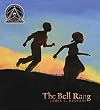
There may come a time when you will have to explain slavery in America to a child. This picture book, with its stunning illustrations and homey, simple words, can start the painful yet critically important conversation. An intact family, with father, mother, son, and daughter work on a plantation. Every day of a week recounted by the little girl, is the same until it isn't. Because of the story's brevity and beauty, it may become a nightly favorite that will lead to more probing questions show more and to an ongoing, necessary, and painful discussion. show less
Lists
Awards


You May Also Like


Associated Authors
Statistics
- Works
- 12
- Also by
- 27
- Members
- 1,301
- Popularity
- #19,739
- Rating
- 4.2
- Reviews
- 109
- ISBNs
- 43
- Favorited
- 1