
Zelda Fitzgerald (1) (1900–1948)
Author of Save Me the Waltz
For other authors named Zelda Fitzgerald, see the disambiguation page.
Works by Zelda Fitzgerald
Dear Scott, Dearest Zelda: The Love Letters of F. Scott and Zelda Fitzgerald (2002) 320 copies, 3 reviews
Zelda's Paper Dolls 1 copy
Fitzgerald, Zelda Archive 1 copy
Associated Works
The Red Velvet Seat: Women's Writings on the Cinema: The First Fifty Years (2006) — Contributor — 20 copies
Tagged
Common Knowledge
- Birthdate
- 1900-07-24
- Date of death
- 1948-03-10
- Gender
- female
- Occupations
- fiction writer
ballet dancer - Relationships
- F. Scott Fitzgerald (spouse)
Tallulah Bankhead (friend) - Cause of death
- fire
- Nationality
- USA
- Birthplace
- Montgomery, Alabama, USA
- Places of residence
- Montgomery, Alabama, USA
Long Island, New York, USA
New York, New York, USA
Juan Les Pines, France
Asheville, North Carolina, USA - Place of death
- Asheville, North Carolina, USA
- Burial location
- Saint Mary's Catholic Cemetery, Rockville, Maryland, USA
- Associated Place (for map)
- USA
Members
Reviews
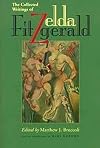
I've long known that Zelda did plenty of writing (and other creative pursuits) of her own, but hadn't managed to find more than brief excerpts of her work to read before acquiring this compendium in preparation for a trip that would be including a visit to her and Scott's grave. The quality of the shorter writings collected here was definitely uneven, with some of them considerably better than others, but her sole novel, "Save Me the Waltz," was interwoven with sparkling and sometimes show more strikingly unusual (particularly a lot of her metaphors) bits of prose, and fellow readers who are familiar with both her husband's work and the realities of their lives will surely find plenty of interesting opportunities to compare the two with her semi-fictionalized detailing of some of the same material here. show less
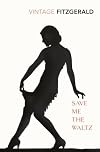
The one and only novel, mostly autobiographical, of Zelda Sayre Fitzgerald. Zelda is Alabama Knight, husband of the dashing and successful artist David Knight, trying to shape an identity for herself. The book covers her childhood in Alabama, the decadent party years after her marriage, the birth of her daughter and their years on the Continent, but focuses mainly on Zelda/Alabama's tireless passion to become a ballerina. To become anything on her own merit, and not as somebody's daughter, show more wife or mother.
There is some debate as to whether Zelda was merely jealous of her husband's skill and success, and was only seeking attention with her own attempts to be a writer/artist/dancer, or whether she had a talent of her own and was overshadowed by Scott Fitzgerald. I think her writing in this novel is evidence enough that Zelda was an artistic soul trying to find the right outlet for her muse. She has an abstract style that is occasionally hard to follow, but some of the imagery is beautiful and very evocative.
Although the stories of F. Scott Fitzgerald are better constructed and perhaps more accessible, Zelda's prose is lyrical and almost tangible. One of my favourite passages paints a vivid portrait of their home in Provence:
'Les Rossignols' was back from the sea. The smell of tobacco flowers permeated the faded blue satin of the Louis XV parlor; a wooden cuckoo protested the gloom of the oak dining room; pine needles carpeted the blue and white tiles of the balcony; petunias fawned on the balustrade. [...] The cream calcimined walls of the villa with its painted windows stretched and yawned in the golden sun.' So evocative. And her memories of Alabama - which is why I started reading this book again - are of 'motionless activity', 'autumn heat', and the 'sun sagging yellow over the grass', of summer dances and collecting the badges of her army beaux (Zelda met Scott when he was stationed in Montgomery during the War.)
There is by far more life - and heart, and soul - in Zelda's writing than in Fitzgerald's 'Tender in the Night'. I gave up on the latter twice. The two novels were written around the same time, and dramatise the same events and characters, but Zelda was in a sanatorium at the time, being treated for schizophrenia. The preface of my copy phrases her writing best by stating that she was 'trying to give order to her confused memories'. There is no plot, really, just a sequence of vignettes and reminiscences.
Zelda would eventually die in a hospital fire, distanced from her husband and from the golden life she captures here, and I think that makes her talent all the more precious. If you can persevere with the deluge of thoughts and words that commences from the very first line, then do - it's a rewarding experience. show less
There is some debate as to whether Zelda was merely jealous of her husband's skill and success, and was only seeking attention with her own attempts to be a writer/artist/dancer, or whether she had a talent of her own and was overshadowed by Scott Fitzgerald. I think her writing in this novel is evidence enough that Zelda was an artistic soul trying to find the right outlet for her muse. She has an abstract style that is occasionally hard to follow, but some of the imagery is beautiful and very evocative.
Although the stories of F. Scott Fitzgerald are better constructed and perhaps more accessible, Zelda's prose is lyrical and almost tangible. One of my favourite passages paints a vivid portrait of their home in Provence:
'Les Rossignols' was back from the sea. The smell of tobacco flowers permeated the faded blue satin of the Louis XV parlor; a wooden cuckoo protested the gloom of the oak dining room; pine needles carpeted the blue and white tiles of the balcony; petunias fawned on the balustrade. [...] The cream calcimined walls of the villa with its painted windows stretched and yawned in the golden sun.' So evocative. And her memories of Alabama - which is why I started reading this book again - are of 'motionless activity', 'autumn heat', and the 'sun sagging yellow over the grass', of summer dances and collecting the badges of her army beaux (Zelda met Scott when he was stationed in Montgomery during the War.)
There is by far more life - and heart, and soul - in Zelda's writing than in Fitzgerald's 'Tender in the Night'. I gave up on the latter twice. The two novels were written around the same time, and dramatise the same events and characters, but Zelda was in a sanatorium at the time, being treated for schizophrenia. The preface of my copy phrases her writing best by stating that she was 'trying to give order to her confused memories'. There is no plot, really, just a sequence of vignettes and reminiscences.
Zelda would eventually die in a hospital fire, distanced from her husband and from the golden life she captures here, and I think that makes her talent all the more precious. If you can persevere with the deluge of thoughts and words that commences from the very first line, then do - it's a rewarding experience. show less

I read the short stories from this collection, a series of portraits mostly of women and sometimes of couples. All are very reminiscent of Zelda herself - poignant, carefree but also careless with a dash of despair. While her characters may seem superficial, her ability to recreate a unique atmosphere in time and place, be it in the American South or French South, is absolutely amazing - it is like being transported: her writing is so tangible and descriptive. A great original voice and a show more tribute to her times. show less
Save Me the Waltz is the story of Alabama Beggs, a young Southern girl who meets and falls in love with David Knight during World War I. The two inevitably get married and David goes on to become a successful painter, before moving their family to the French Riviera. However Alabama is determined to find her own success and takes up ballet. When she lands her first solo debut in the opera Faust the cracks in their marriage become evident.
After an episode of hysteria in 1932, Zelda Fitzgerald show more was admitted to the Johns Hopkins Hospital in Baltimore for treatment. Dr Adolf Meyer, an expert on schizophrenia was her doctor and as part of her recovery routine he got her to write at least two hours a day. Save Me the Waltz was written over the course of six weeks and was the first and only novel to be published by Zelda Fitzgerald. Her husband was outraged that she took so much of their personal life and added it into this novel. Despite the fact that the majority of F. Scott Fitzgerald’s novels are also autobiographical and he used the same material for his novel Tender is the Night.
I wanted to read Save Me the Waltz after reading Tender is the Night to compare the similarities. The problem I soon discovered is that Save Me the Waltz has possibly been whitewashed by F. Scott Fitzgerald. Apparently he helped Zelda revise her book and the amount that has been changed is unknown because her original manuscript has been lost. However Scott went from being irate to writing to Maxwell Perkins at Scribner (their publisher) “Here is Zelda’s novel. It is a good novel now, perhaps a very good novel—I am too close to tell.” I am inclined to believe that he has made sure he comes across better than originally written but without the original that is purely speculation.
The major theme within Save Me the Waltz is around the intense desire for Alabama/Zelda to succeed for themselves. It was not enough for either person to be the wife behind a successful man, and it explores the problems faced in doing this in a male dominated society. When Alabama gets her dream job in Naples with the San Carlo Opera Ballet Company, David does not want to move. Considering that he is a painter and could really work from anywhere, it says a lot about their marriage. This does not hinder Alabama from perusing her dreams and she goes to Naples anyway, leaving her husband to look after their child alone. Now this move may make people uneasy but it really plays with the power dynamic of marriage. Zelda Fitzgerald wants to challenge the conceptions people had of the role of a wife in a marriage and ask why it was alright for a man to go away for work but not the woman.
This can be a very difficult novel to read, knowing the historical context and history behind the story. Comparing this book with Tender is the Night does not leave F. Scott Fitzgerald in pleasant light but then again his novel did not do that either. One of the most powerful lines in this novel can be found right near the end and it beautifully wraps up the whole book into a few lines. “Emptying the ashtrays was very expressive of myself. I just lump everything in a great heap which I have labelled ‘the past,’ and having thus emptied this deep reservoir that was once myself, I am ready to continue.”
While I cannot say that Save Me the Waltz is a strong novel, it was a fascinating exploration into the lives of the Fitzgeralds. I am glad to have read and compared this book to Tender is the Night but I think it has only fuelled my interest into this couple. I still need to read a biography or two on the Fitzgeralds but I am beginning to get a better idea of their lives. I think if you are going to read Tender is the Night, you need to read Save Me the Waltz so you can have perspective on the autobiographical elements; even if they were tainted by F. Scott Fitzgerald’s edits.
This review originally appeared on my blog; http://literary-exploration.com/2015/03/14/save-me-the-waltz-by-zelda-fitzgerald... show less
After an episode of hysteria in 1932, Zelda Fitzgerald show more was admitted to the Johns Hopkins Hospital in Baltimore for treatment. Dr Adolf Meyer, an expert on schizophrenia was her doctor and as part of her recovery routine he got her to write at least two hours a day. Save Me the Waltz was written over the course of six weeks and was the first and only novel to be published by Zelda Fitzgerald. Her husband was outraged that she took so much of their personal life and added it into this novel. Despite the fact that the majority of F. Scott Fitzgerald’s novels are also autobiographical and he used the same material for his novel Tender is the Night.
I wanted to read Save Me the Waltz after reading Tender is the Night to compare the similarities. The problem I soon discovered is that Save Me the Waltz has possibly been whitewashed by F. Scott Fitzgerald. Apparently he helped Zelda revise her book and the amount that has been changed is unknown because her original manuscript has been lost. However Scott went from being irate to writing to Maxwell Perkins at Scribner (their publisher) “Here is Zelda’s novel. It is a good novel now, perhaps a very good novel—I am too close to tell.” I am inclined to believe that he has made sure he comes across better than originally written but without the original that is purely speculation.
The major theme within Save Me the Waltz is around the intense desire for Alabama/Zelda to succeed for themselves. It was not enough for either person to be the wife behind a successful man, and it explores the problems faced in doing this in a male dominated society. When Alabama gets her dream job in Naples with the San Carlo Opera Ballet Company, David does not want to move. Considering that he is a painter and could really work from anywhere, it says a lot about their marriage. This does not hinder Alabama from perusing her dreams and she goes to Naples anyway, leaving her husband to look after their child alone. Now this move may make people uneasy but it really plays with the power dynamic of marriage. Zelda Fitzgerald wants to challenge the conceptions people had of the role of a wife in a marriage and ask why it was alright for a man to go away for work but not the woman.
This can be a very difficult novel to read, knowing the historical context and history behind the story. Comparing this book with Tender is the Night does not leave F. Scott Fitzgerald in pleasant light but then again his novel did not do that either. One of the most powerful lines in this novel can be found right near the end and it beautifully wraps up the whole book into a few lines. “Emptying the ashtrays was very expressive of myself. I just lump everything in a great heap which I have labelled ‘the past,’ and having thus emptied this deep reservoir that was once myself, I am ready to continue.”
While I cannot say that Save Me the Waltz is a strong novel, it was a fascinating exploration into the lives of the Fitzgeralds. I am glad to have read and compared this book to Tender is the Night but I think it has only fuelled my interest into this couple. I still need to read a biography or two on the Fitzgeralds but I am beginning to get a better idea of their lives. I think if you are going to read Tender is the Night, you need to read Save Me the Waltz so you can have perspective on the autobiographical elements; even if they were tainted by F. Scott Fitzgerald’s edits.
This review originally appeared on my blog; http://literary-exploration.com/2015/03/14/save-me-the-waltz-by-zelda-fitzgerald... show less
Lists
You May Also Like


Associated Authors
Statistics
- Works
- 12
- Also by
- 4
- Members
- 1,544
- Popularity
- #16,680
- Rating
- 3.6
- Reviews
- 17
- ISBNs
- 75
- Languages
- 10
- Favorited
- 4