
William S. Burroughs, Jr. (1947–1981)
Author of Speed; And, Kentucky Ham
About the Author
Disambiguation Notice:
Son of the better-known Beat author, William S. Burroughs (1914-1997)
Image credit: William S. Burroughs, Jr. circa 1978
Works by William S. Burroughs, Jr.
Cursed from Birth: The Short, Unhappy Life of William S. Burroughs, Jr. (2006) — Author — 54 copies, 1 review
Associated Works
Tagged
Common Knowledge
- Canonical name
- Burroughs, William S., Jr.
- Legal name
- Burroughs, William Seward, III
- Birthdate
- 1947-07-21
- Date of death
- 1981-03-03
- Gender
- male
- Occupations
- poet
writer
novelist - Relationships
- Burroughs, William S. (father)
Burroughs, Laura Lee (grandmother)
Burroughs, William Seward, I (great-grandfather)
Lee, James Wideman (great-grandfather)
Lee, Ivy L. (great-uncle) - Nationality
- USA
- Birthplace
- Conroe, Texas, USA
- Place of death
- DeLand, Florida, USA
- Disambiguation notice
- Son of the better-known Beat author, William S. Burroughs (1914-1997)
- Associated Place (for map)
- USA
Members
Reviews
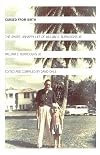
William S. Burroughs Jr. ("Billy") wrote two autobiographical novels, Speed and Kentucky Ham, in the early 1970s. After the publication of the second book, Billy began a painful descent into alcoholism and chronic illness; he died in 1981, a little less than five years after receiving a liver transplant. He was thirty-three. Employing scraps of his unfinished third novel Prakriti Junction, correspondence between Burroughs Jr. and his father (as well as James Grauerholz, Burroughs Sr.'s show more secretary and editor), and interviews with those who knew him, Cursed from Birth documents the suffering that Billy endured in the last decade of his life. The elder Burroughs seems almost unbelievably abstracted and cantankerous, peevishly disinclined to deal with his son's understandable confusion and resentment; Billy, while occasionally exasperating, comes across as an actual human being who, sadly, had ample reason for yielding to his self-destructive impulses.
Fascinating but heartbreaking, at times almost brutally so. Four and a half stars. (Please do read Speed: it's a great novel, the one for which Billy should be remembered.) show less
Fascinating but heartbreaking, at times almost brutally so. Four and a half stars. (Please do read Speed: it's a great novel, the one for which Billy should be remembered.) show less

There aren't many valid comparisons that can be drawn between William S. Burroughs and his son. After all, the elder Burroughs had a decades-long career as a novelist and public figure, while Billy completed only two books and died in virtual obscurity at the age of 33. But he made those two books count, and if you're looking for the fresher voice, the more open and relatable one, it's no contest: Burroughs Jr. was the hands-down winner. Speed, a fascinating account of Billy's teenage show more odyssey from Palm Beach to New York City in search of a steady methamphetamine supply, is his masterpiece. Unique among most of the addled Beat pantheon, he could actually write; the narrative is as smooth and readable as the subject matter is abrasive and occasionally disturbing. (Had Jack Kerouac possessed any talent, this is the book he might have written.)
I'm a big fan of the senior Burroughs's early novels like Junky and Queer, and I admire him enormously for speaking out against the cruelty and dishonesty of the War on Drugs when no one else had the courage to take such a definite position. At the moment we could really use an incisive voice like WSB's to cut through all the propagandic hysteria surrounding the nonexistent "opioid crisis". But he concluded his career with dull, ineffectual revenge fantasies and self-pitying reflections on aging (which evidently drained him of the wherewithal to pity Billy or his mother, Joan Vollmer), making a book like The Western Lands an uphill slog indeed. There are no such problems with Speed, however: I find myself rereading it every few years, stunned by the immediacy of the writing. Long after his death, the damaged but triumphant humanity of William S. Burroughs Jr. lives on in these pages. show less
I'm a big fan of the senior Burroughs's early novels like Junky and Queer, and I admire him enormously for speaking out against the cruelty and dishonesty of the War on Drugs when no one else had the courage to take such a definite position. At the moment we could really use an incisive voice like WSB's to cut through all the propagandic hysteria surrounding the nonexistent "opioid crisis". But he concluded his career with dull, ineffectual revenge fantasies and self-pitying reflections on aging (which evidently drained him of the wherewithal to pity Billy or his mother, Joan Vollmer), making a book like The Western Lands an uphill slog indeed. There are no such problems with Speed, however: I find myself rereading it every few years, stunned by the immediacy of the writing. Long after his death, the damaged but triumphant humanity of William S. Burroughs Jr. lives on in these pages. show less

Not the book its predecessor was (sadly), Kentucky Ham wanders quite literally all over the map. It does pick up where Speed left off, with Billy returning to Palm Beach after his near-disastrous adventure in New York; soon, however, he's arrested for passing a forged prescription and sent to the Federal Narcotics Hospital in Lexington, Kentucky (a bleak facility which had first appeared in his father's debut novel Junky) to be "cured" of his drug addiction. A few months later, Billy show more finagles a transfer to an experimental school for disturbed teens back in Florida; then the school's director ships him off to Alaska to work on a fishing boat. There's even a flashback to the brief period when Billy went to live with Burroughs Sr. in Tangier, but that just muddies the book's chronology.
Billy himself was not pleased with his second autobiographical novel (in a letter to his father, he wrote that "Kentucky Ham is so far from what I want to do that I gasp with horror at the mention of the words"). The structural difficulties he encountered are increasingly evident as the story plods along, eventually crowding half the book's action into an unfocused, gargantuan final chapter. But, being a big fan of the junior Burroughs, I reread it every now and then.
Sad, funny, hair-raising things do happen in Kentucky Ham (the most emotionally affecting moment occurs when Billy visits his ailing grandmother for the last time), but this book is apt to make the reader feel as scattered as Burroughs Jr. obviously was when he wrote it. show less
Billy himself was not pleased with his second autobiographical novel (in a letter to his father, he wrote that "Kentucky Ham is so far from what I want to do that I gasp with horror at the mention of the words"). The structural difficulties he encountered are increasingly evident as the story plods along, eventually crowding half the book's action into an unfocused, gargantuan final chapter. But, being a big fan of the junior Burroughs, I reread it every now and then.
Sad, funny, hair-raising things do happen in Kentucky Ham (the most emotionally affecting moment occurs when Billy visits his ailing grandmother for the last time), but this book is apt to make the reader feel as scattered as Burroughs Jr. obviously was when he wrote it. show less
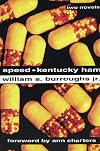
Shiver me timbers!I got the shudders after reading this book! Before picking this novel up I was mildly familiar with William S. Burroughs, Jr. but I really only wanted to read it because it was on Buzzfeed's 20 Junkiest Books about Drugs list. And boy oh boy was it junky!
Obviously this book is not for the faint of heart. It is nothing but drugs, drugs, drugs. It is told in the stream of consciousness style that beatnik authors and poets were so fond of and explores a summer spent in New show more York, bumming around and shooting up whatever could be found cheap. Nothing really matters, not friends, family, food, living quarters, just the drugs. That's what's needed to keep going for days at a time with no sleep or real thoughts. I've read other books on drug use, but this one in particular made me want to take a shower and steer as far away from drugs as humanly possible (not that I ever have any urge to do them, but this is a real reminder and ridiculous badness of them).
For fans of beatnik writing or drug memoirs. show less
Obviously this book is not for the faint of heart. It is nothing but drugs, drugs, drugs. It is told in the stream of consciousness style that beatnik authors and poets were so fond of and explores a summer spent in New show more York, bumming around and shooting up whatever could be found cheap. Nothing really matters, not friends, family, food, living quarters, just the drugs. That's what's needed to keep going for days at a time with no sleep or real thoughts. I've read other books on drug use, but this one in particular made me want to take a shower and steer as far away from drugs as humanly possible (not that I ever have any urge to do them, but this is a real reminder and ridiculous badness of them).
For fans of beatnik writing or drug memoirs. show less
Lists
Read These Too (1)
You May Also Like


Associated Authors
Statistics
- Works
- 4
- Also by
- 4
- Members
- 410
- Popularity
- #59,367
- Rating
- 3.9
- Reviews
- 8
- ISBNs
- 20
- Languages
- 3
- Favorited
- 3