
Robert M. Fogelson
Author of Downtown: Its Rise and Fall, 1880-1950
About the Author
Robert M. Fogelson is professor of urban studies and history at the Massachusetts Institute of Technology. (Bowker Author Biography)
Works by Robert M. Fogelson
Tagged
Common Knowledge
- Canonical name
- Fogelson, Robert M.
- Birthdate
- 1937
- Gender
- male
- Education
- Columbia University (BA|1958)
Harvard University (PhD|1964) - Occupations
- urban historian
academic - Organizations
- Massachusetts Institute of Technology
- Nationality
- USA
- Birthplace
- New York, New York, USA
- Associated Place (for map)
- New York, USA
Members
Reviews
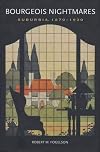
History of restrictive covenants in suburbia, not very well organized but with various interesting details. There is a great story under here, though Fogelson doesn’t do much more than scratch the surface: how did Americans, at least at the level of legal discourse, shift from thinking that “property rights” meant “no one can interfere with my property” from thinking that “any private agreements people make about land are enforceable, even if that means they can’t repaint their show more houses without the consent of the Governing Committee”? There’s something about the larger move from status to contract and the idea that the costs of variation in contracting can be disregarded in order to achieve more flexibility than property rights generally allow. Fogelson’s best point is that the adopters of restrictive covenants didn’t think that excluding the wrong kind of people (nonwhite, poor, and/or working-class) was sufficient: they also distrusted people with the racial and economic credentials to buy in initially, so they put other constraints on how property in these new planned communities could be used, both economic and aesthetic. show less
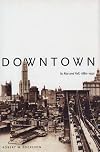
The author claimed in the foreword of this title that someone had to take on the project of chronicling how large urban downtowns came to be, but I'm not sure I agree. He also began with the personal history of visiting his father's midtown Manhattan office and wanting to explore the topic further from there. Admirable in theory, but it became something of a bore to get through the long justifications of why a central business district is not a downtown is not a financial district, and so on.
The Fragmented Metropolis: Los Angeles, 1850-1930 (Classics in Urban History, Vol 3) by Robert M. Fogelson
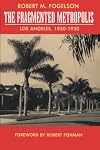
Very interesting book for those who have never realized that Los Angeles actually has a history. It opened my eyes to a number of details that I am glad I now know... what happened to the electric railways? Why is the port of LA so far from downtown? Many other things.
Not the most exciting book in the world... but I'm glad I read it.
Not the most exciting book in the world... but I'm glad I read it.
Awards

You May Also Like


Statistics
- Works
- 10
- Members
- 372
- Popularity
- #64,809
- Rating
- 3.4
- Reviews
- 4
- ISBNs
- 24