
Tomas Tranströmer (1931–2015)
Author of The Great Enigma: New Collected Poems
About the Author
Tomas Tranströmer was born in Stockholm, Sweden on April 15, 1931. He was 23 years old when his debut work, Seventeen Poems, was published in 1954. He graduated from Stockholm University in 1956 and became a psychologist. He worked in state institutions with juvenile offenders, parole violators, show more and the disabled. He wrote more than 15 books during his lifetime including The Sorrow Gondola, The Half-Finished Heaven: The Best Poems of Tomas Tranströmer, Airmail: The Letters of Robert Bly and Tomas Tranströmer, Memories Look at Me, The Deleted World, and The Great Enigma: New and Collected Poems. He won numerous awards including the Neustadt International Prize for Literature, the Oevralids Prize, the Swedish Award from International Poetry Forum, the Lifetime Recognition Award given by the trustees of the Griffin Trust for Excellence in Poetry in 2007, and the Nobel Prize for Literature in 2011. He died on March 26, 2015 at the age of 83. (Bowker Author Biography) show less
Image credit: Bloodaxe Books
Works by Tomas Tranströmer
Penguin Modern European Poets : Paavo Haavikko and Tomas Tranströmer : selected poems (1974) 24 copies
Den halvfärdiga himlen : dikter 8 copies
Klanger och spår : dikter 7 copies
20 Poems 2 copies
Klanger och spår. Dikter 2 copies
Niebieski dom 1 copy
Elegy & Some October Notes 1 copy
Haikus 1 copy
Vermeer 1 copy
The Deleted World: Poems 1 copy
Kvartett 1 copy
Samlade dikter POCKET 1 copy
Stigar / Sentiers 1 copy
Östersjöar / Baltiques 1 copy
ليلا على سفر 1 copy
Późnojesienny labirynt 1 copy
Associated Works
A Book of Luminous Things: An International Anthology of Poetry (1996) — Contributor — 945 copies, 12 reviews
World Poetry: An Anthology of Verse from Antiquity to Our Time (1998) — Contributor — 500 copies, 2 reviews
Answering Back: Living Poets Reply to the Poetry of the Past (2007) — Contributor — 119 copies, 1 review
Rikkaampi elämä : Ålandsbankenin 85-vuotisjuhlan kunniaksi koottuja kirjoituksia — Contributor — 2 copies
Tagged
Common Knowledge
- Legal name
- Tranströmer, Tomas Gösta
- Other names
- Transtromer, Tomas
- Birthdate
- 1931-04-15
- Date of death
- 2015-03-26
- Gender
- male
- Education
- Stockholm University (MA)
- Occupations
- psychologist
poet
translator - Organizations
- Roxtuna center for juvenile offenders (Stockholm)
- Awards and honors
- Nordisk Rads literatur preis (1990)
Neustadt International Prize for Literature (1990)
Nobel Prize (Literature ∙ 2011)
Struga Poetry Evenings Golden Wreath laureate - Nationality
- Sweden
- Birthplace
- Stockholm, Sweden
- Places of residence
- Stockholm, Sweden
- Place of death
- Estocolm, Suècia
- Associated Place (for map)
- Stockholm, Sweden
Members
Reviews
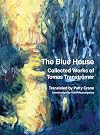
A massive collection of poems and essays, rich with metaphor and imagery that will stop you in your tracks. Multiple times while reading through this collection, I found myself whispering, "Wow," as the words sank into my soul.
The author's powerful voice brings nature to life and connects disparate readers to a shared human experience. I didn't want this book to end.
Favorite Poems: Autumnal Archipelago, Mariner's Tale, Face to Face, Through the Woods, Lament, A Winter Night, Winter's show more Formula, The Outpost, Icelandic Hurricane, Black Postcards, The Nightingale in Babelunda, Snow Falling show less
The author's powerful voice brings nature to life and connects disparate readers to a shared human experience. I didn't want this book to end.
Favorite Poems: Autumnal Archipelago, Mariner's Tale, Face to Face, Through the Woods, Lament, A Winter Night, Winter's show more Formula, The Outpost, Icelandic Hurricane, Black Postcards, The Nightingale in Babelunda, Snow Falling show less

In Sweden, Tranströmer was mandatory reading for anyone still interested in poetry by their mid-twenties, after strurming and dranging through Majakovskij, Öijer and the Dadaists. Me, always being stupidly reluctant to read what one “should” read, missed him then (save a handful of poems read during my time studying lit at university, which I enjoyed), and I haven’t read that much verse at all in the last ten years. The Nobel gave me the nudge I needed to finally pick up his work. show more I’m very happy I did. Tranströmer writes a stunning poetry, both accessible and original.
What really stands out is his way with the metaphor. The images he uses make you nod your head in agreement with the immediate sense they make. Yet they are so original they bewilder you or make you giggle. He’s especially good at describing nature, either in its own right or to capture a mood. For instance (bear in mind these are my clumsy translations now) an island is “pulling itself up by the grass”. The decay of a forest is “reading the protocol of the bark beetle through glasses of sap”. A seed is “kicking the dirt”. The morning is “putting its rays in the locks, swinging open the doors of darkness”. And the same simple, striking imagery applies for bigger, more abstract things. The poet meet people “with future instead of faces”. God’s energy is “curled up in the darkness”. And the only thing he really wants to say is “glimmering just out of reach, like silver in a pawn shop”.
It’s not really fair reading a thick volume of poetry back to back like this. There are a few collections in the middle that don’t appeal to me in quite the same way. Whereas many of his early works and his latest ones by themselves surely would render full marks from me. Still, poetry doesn’t get much better than this. Indeed, this could be a book to give someone as an introduction to the very artform. show less
What really stands out is his way with the metaphor. The images he uses make you nod your head in agreement with the immediate sense they make. Yet they are so original they bewilder you or make you giggle. He’s especially good at describing nature, either in its own right or to capture a mood. For instance (bear in mind these are my clumsy translations now) an island is “pulling itself up by the grass”. The decay of a forest is “reading the protocol of the bark beetle through glasses of sap”. A seed is “kicking the dirt”. The morning is “putting its rays in the locks, swinging open the doors of darkness”. And the same simple, striking imagery applies for bigger, more abstract things. The poet meet people “with future instead of faces”. God’s energy is “curled up in the darkness”. And the only thing he really wants to say is “glimmering just out of reach, like silver in a pawn shop”.
It’s not really fair reading a thick volume of poetry back to back like this. There are a few collections in the middle that don’t appeal to me in quite the same way. Whereas many of his early works and his latest ones by themselves surely would render full marks from me. Still, poetry doesn’t get much better than this. Indeed, this could be a book to give someone as an introduction to the very artform. show less

Man känner sig alltid yngre än man är. Inom mig bär jag mina tidigare ansikten, som ett träd har sina årsringar. Det är summan av dem som är "jag". Spegeln ser bara mitt senaste ansikte, jag känner av alla mina tidigare.
56 sidor bara, från de tidigaste minnena till ögonblicket i en latinlektion där han förstår kopplingen mellan modern poesi och Horatius, där tiden upphävs och diktaren Tomas Tranströmer föds utan någon stor fanfar (som allt han gjorde).
Genom formen show more (Formen!) kunde något lyftas.
Det är en enkel liten berättelse, en pojke som växer upp, utan stora trauman, den vuxne som i efterhand förstår vad han plockade ihop av insektssamlande, museibesök och krig. Prosaisten Tranströmer är inte lika koncentrerad som diktaren, och ändå lyckas han utan några trumpeter och fanfarer skapa små bilder som står upp och lyser. show less
56 sidor bara, från de tidigaste minnena till ögonblicket i en latinlektion där han förstår kopplingen mellan modern poesi och Horatius, där tiden upphävs och diktaren Tomas Tranströmer föds utan någon stor fanfar (som allt han gjorde).
Genom formen show more (Formen!) kunde något lyftas.
Det är en enkel liten berättelse, en pojke som växer upp, utan stora trauman, den vuxne som i efterhand förstår vad han plockade ihop av insektssamlande, museibesök och krig. Prosaisten Tranströmer är inte lika koncentrerad som diktaren, och ändå lyckas han utan några trumpeter och fanfarer skapa små bilder som står upp och lyser. show less
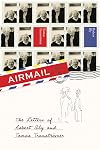
I really loved this volume. First and foremost because I am fascinated by the art of translation, and with language. Love word-wiggling. And it reminds me how many cultures have words and phrases that are untranslatable. That they have concepts that don’t exist in other languages. Bly and Tranströmer translate each others work and you can see this wiggling constantly as they both strive to find the intensions of each work in the language of the other.
Language is such a powerful show more instrument. Conquerors often imposed their language on the conquered in order to weaken them, which also lost concepts and perspectives that were original to that culture. We are poorer for that loss.
I also love this book for allowing you into a deep and meaningful friendship. I will be dipping into this book for years to come, not to mention, reading their poetry. I have read some Tranströmer, but until now, no Bly. show less
Language is such a powerful show more instrument. Conquerors often imposed their language on the conquered in order to weaken them, which also lost concepts and perspectives that were original to that culture. We are poorer for that loss.
I also love this book for allowing you into a deep and meaningful friendship. I will be dipping into this book for years to come, not to mention, reading their poetry. I have read some Tranströmer, but until now, no Bly. show less
Lists
Awards


You May Also Like


Associated Authors
Statistics
- Works
- 98
- Also by
- 11
- Members
- 2,293
- Popularity
- #11,199
- Rating
- 4.0
- Reviews
- 43
- ISBNs
- 164
- Languages
- 21
- Favorited
- 23
