
Elizabeth Speller
Author of The Return of Captain John Emmett
About the Author
Series
Works by Elizabeth Speller
Associated Works
Tagged
Common Knowledge
- Birthdate
- 1951
- Gender
- female
- Education
- University of Cambridge
- Occupations
- novelist
non-fiction writer
poet - Nationality
- UK
- Places of residence
- Cotswolds, England, UK
Greece - Associated Place (for map)
- England, UK
Members
Reviews
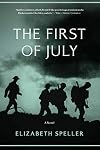
This novel begins in 1913; then World War I breaks out and leads up to the Battle of the Somme [which "began on the middle day, of the middle year of the War", July 1, 1916], the battle itself and aftermath. This is the story of four different men from different social classes: the Englishmen, Benedict, gentle organ student at Gloucester Cathedral and son of a vicar; Frank, a haberdasher and son of a coffin maker; Harry, the titled son, who runs off to America; and Jean-Baptiste, the French show more peasant lad. The novel took me right into the lives of these men. Each joins the military in a different unit, for his own reason. The pacing was just right and the book well plotted. The prose was excellent. There was not a wasted word. The characterizations were fully fleshed-out and I felt as though these men were believable and people I could know. I could feel their hope, aspirations, emotions. The chapters alternate among each of the four. You feel the passage of time. Each Part of the novel is entitled a particular year, then The Plan, The Day, Afterwards. The novel describes the war experiences of each man; because of the war and information each receives, the life of each will be changed forever. Their lives intertwine. Maybe the men do not realize this. The connections felt real to me, though incredible. The last few poignant chapters brought tears to my eyes. I feel this book will someday become a classic of WWI fiction show less
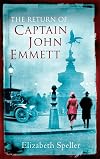
When Captain John Emmett returns from France at the end of World War I, his mother and sister are worried about his mental condition. John is suffering from shell-shock, which is causing him to become aggressive and violent. After spending some time in a nursing home, John escapes and is later found dead in a nearby wood. It is assumed that he committed suicide.
John's sister, Mary, contacts one of her brother's old school friends, Laurence Bartram, in the hope that he can help her discover show more what really happened to her brother. Why would a man who had survived the horrors of the war shoot himself two years later? As Laurence starts to investigate, he begins to wonder whether someone else was behind John's death.
The Return of Captain John Emmett is a fascinating story. It works well as a historical fiction novel, with its portrayal of the people of 1920s Britain coming to terms with the aftermath of World War I. But it's also a gripping psychological mystery in which Laurence Bartram reluctantly takes on the role of detective to investigate the circumstances surrounding his friend's death. There are clues, suspects, red herrings and all the other elements that make up a compelling and well-structured detective story.
The book is also an interesting and poignant study into the effects, both long-term and short-term, that the war had on individuals and their families. How people came back from the war an entirely different person to when they went away. How men dealt with the memories of the atrocities they witnessed. How their wives felt about the part of their husbands' lives that they had been unable to share. How people were left with physical disabilities and had to learn to adjust.
We are given insights into the thoughts and emotions of a First World War soldier and we learn what it was like to be part of a firing squad. The War Poets are also touched upon, and so are the loyalties and friendships formed in British public schools.
Due to the subject and setting, the book had a sombre and depressing feel, yet I found myself really enjoying it. As the mystery surrounding John Emmett's death became more and more complex and involved, I was completely drawn into Laurence Bartram's investigations. The plot relies quite heavily on coincidences in places, but not so much that it spoiled the story for me at all. I loved it and will definitely be looking out for more novels from Elizabeth Speller! show less
John's sister, Mary, contacts one of her brother's old school friends, Laurence Bartram, in the hope that he can help her discover show more what really happened to her brother. Why would a man who had survived the horrors of the war shoot himself two years later? As Laurence starts to investigate, he begins to wonder whether someone else was behind John's death.
The Return of Captain John Emmett is a fascinating story. It works well as a historical fiction novel, with its portrayal of the people of 1920s Britain coming to terms with the aftermath of World War I. But it's also a gripping psychological mystery in which Laurence Bartram reluctantly takes on the role of detective to investigate the circumstances surrounding his friend's death. There are clues, suspects, red herrings and all the other elements that make up a compelling and well-structured detective story.
The book is also an interesting and poignant study into the effects, both long-term and short-term, that the war had on individuals and their families. How people came back from the war an entirely different person to when they went away. How men dealt with the memories of the atrocities they witnessed. How their wives felt about the part of their husbands' lives that they had been unable to share. How people were left with physical disabilities and had to learn to adjust.
We are given insights into the thoughts and emotions of a First World War soldier and we learn what it was like to be part of a firing squad. The War Poets are also touched upon, and so are the loyalties and friendships formed in British public schools.
Due to the subject and setting, the book had a sombre and depressing feel, yet I found myself really enjoying it. As the mystery surrounding John Emmett's death became more and more complex and involved, I was completely drawn into Laurence Bartram's investigations. The plot relies quite heavily on coincidences in places, but not so much that it spoiled the story for me at all. I loved it and will definitely be looking out for more novels from Elizabeth Speller! show less
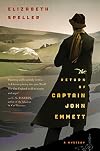
Shockingly good!
War is never good. WWI was very bad for young, naive British soldiers who thought they were going on an adventure. Speller describes the terror- and carnage-filled battles for a generation of men. Mud, cold, rain, blood, fear, poor leadership all led to physical and emotional paralysis and unfathomable loss.
The plot is simple: what happened to Captain John Emmet? But the time and effort John's family friend, Laurence Bartram (with help from another friend, Charles) spends show more investigating, interviewing, travelling, and thinking about is enormous physically and emotionally. He learns much about the sacrifice, bravery and tenacity and sheer goodness of Emmet and his men, while simultaneously horrified by the petty, greedy, evil men who bullied their men and their way through the war.
The grief and suffering endured by the families left behind; the anger and the desire for revenge were staggering.
Laurence learns about himself, his feelings, finds his sense of direction but also knows there is much he cannot share with Emmet's family.
Stunning and brilliant; great first read in 2026. show less
War is never good. WWI was very bad for young, naive British soldiers who thought they were going on an adventure. Speller describes the terror- and carnage-filled battles for a generation of men. Mud, cold, rain, blood, fear, poor leadership all led to physical and emotional paralysis and unfathomable loss.
The plot is simple: what happened to Captain John Emmet? But the time and effort John's family friend, Laurence Bartram (with help from another friend, Charles) spends show more investigating, interviewing, travelling, and thinking about is enormous physically and emotionally. He learns much about the sacrifice, bravery and tenacity and sheer goodness of Emmet and his men, while simultaneously horrified by the petty, greedy, evil men who bullied their men and their way through the war.
The grief and suffering endured by the families left behind; the anger and the desire for revenge were staggering.
Laurence learns about himself, his feelings, finds his sense of direction but also knows there is much he cannot share with Emmet's family.
Stunning and brilliant; great first read in 2026. show less

This was JUST the book I needed when I read it. I’d had a couple of DNFs and one of those put some truly despicable people and deeds into my head so I needed something that I could relax into. It seems the author felt the same when writing the story; she eases into it with a decent set-up and no obvious bad guy. The action takes place over months and has plenty of atmosphere, but still keeps things interesting.
There are a couple of recurring motifs in the book; one is World War I and the show more other is mazes or labyrinths which affect our hero Laurence very badly because of their similarity to the hideous trenches of that war. It isn’t all dark and misery though; the war imagery is done with spare, but affecting prose which the author wisely reins in so that it doesn’t become a huge downer. It is poignant though and I found her treatment to be in good taste, but acute just the same. This is as much a novel about that war as it is about the fate of Kitty Easton.
The maze bits are a great hook and are used very well in the story. Patrick, the youngest of the Easton brothers is an archaeologist recently returned from Crete, the site of the maze of mazes; the Labyrinth at Knossos. Combined with William’s commission to create a new maze on the estate and the mosaic in the church; the mazes keep teasing us with their secrets and it’s not surprising how deep they go with regard to Easton Deadall.
Many comparisons have been made between this book and Agatha Christie’s manor-house mysteries and Speller acknowledges her literary forbear by having Laurence read Murder on the Links on the sly. He seems embarrassed by it and I think that reflected the attitude of the time which held that mystery novels were quite lowbrow. There is a lot of propriety clinging to how people interact; I loved how none of them could bring themselves to say syphilis. It reminded me that my Pepere couldn’t say pregnant. He’d always say “in the family way”.
There aren’t many surprises in the book because I read a lot of this kind of thing and because there’s a lot of hinting done by the author. Suspicions abound, but the fate of Kitty Easton is something I didn’t predict. It’s bittersweet and I thought it wrapped up well. I am going to read the first book in this series both because I liked this one and because of what was alluded to about what happened in that book. I hope Ms. Speller writes more. show less
There are a couple of recurring motifs in the book; one is World War I and the show more other is mazes or labyrinths which affect our hero Laurence very badly because of their similarity to the hideous trenches of that war. It isn’t all dark and misery though; the war imagery is done with spare, but affecting prose which the author wisely reins in so that it doesn’t become a huge downer. It is poignant though and I found her treatment to be in good taste, but acute just the same. This is as much a novel about that war as it is about the fate of Kitty Easton.
The maze bits are a great hook and are used very well in the story. Patrick, the youngest of the Easton brothers is an archaeologist recently returned from Crete, the site of the maze of mazes; the Labyrinth at Knossos. Combined with William’s commission to create a new maze on the estate and the mosaic in the church; the mazes keep teasing us with their secrets and it’s not surprising how deep they go with regard to Easton Deadall.
Many comparisons have been made between this book and Agatha Christie’s manor-house mysteries and Speller acknowledges her literary forbear by having Laurence read Murder on the Links on the sly. He seems embarrassed by it and I think that reflected the attitude of the time which held that mystery novels were quite lowbrow. There is a lot of propriety clinging to how people interact; I loved how none of them could bring themselves to say syphilis. It reminded me that my Pepere couldn’t say pregnant. He’d always say “in the family way”.
There aren’t many surprises in the book because I read a lot of this kind of thing and because there’s a lot of hinting done by the author. Suspicions abound, but the fate of Kitty Easton is something I didn’t predict. It’s bittersweet and I thought it wrapped up well. I am going to read the first book in this series both because I liked this one and because of what was alluded to about what happened in that book. I hope Ms. Speller writes more. show less
Lists
THE WAR ROOM (1)
Awards


You May Also Like


Associated Authors
Statistics
- Works
- 8
- Also by
- 1
- Members
- 1,162
- Popularity
- #22,116
- Rating
- 3.8
- Reviews
- 69
- ISBNs
- 61
- Languages
- 3
- Favorited
- 1