

Eric M. Bergerud
Author of Touched with Fire: The Land War in the South Pacific
About the Author
Eric M. Bergerud is professor of military and American history at Lincoln University in San Francisco
Works by Eric M. Bergerud
Tagged
Common Knowledge
- Canonical name
- Bergerud, Eric M.
- Birthdate
- 1948-06-01
- Gender
- male
- Education
- University of Minnesota (BA)
University of California, Berkeley (PhD) - Occupations
- military historian
- Organizations
- Lincoln University
- Nationality
- USA
- Birthplace
- Minneapolis, Minnesota, USA
- Associated Place (for map)
- Minnesota, USA
Members
Reviews
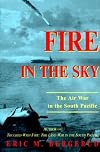
The South Pacific, as Eric Bergerud points out at the start of this book, was an unlikely place to develop into a battlefield during the Second World War. Lacking natural resources or any geographic significance in its own right, its proximity to the more important locations of Southeast Asia made it the centerpoint in the war between the Japanese on the one hand and the United States and her allies on the other. And a key aspect of that war was the struggle taking place in the skies between show more the respective air forces, a struggle that is the subject of Bergerud's weighty book.
In examining the air war, Bergerud eschews a traditional narrative account in favor of a thorough analysis of the various factors involved, an approach that allows him to glean insights that are often missing from most histories of the conflict. He divides this analysis into three parts, focusing on the geographic conditions, the men and equipment, and the tactics and nature of combat in the region. Each chapter is full of Bergerud's well-informed and opinionated explanations of the factors determining the nature of the air war and the advantages and deficiencies possessed by the two sides as they confronted each other. Readers may disagree with some of his conclusions, but there are valuable insights about the air war on nearly every page, ones applicable not just to the battles over the South Pacific but to the war as a whole as well. show less
In examining the air war, Bergerud eschews a traditional narrative account in favor of a thorough analysis of the various factors involved, an approach that allows him to glean insights that are often missing from most histories of the conflict. He divides this analysis into three parts, focusing on the geographic conditions, the men and equipment, and the tactics and nature of combat in the region. Each chapter is full of Bergerud's well-informed and opinionated explanations of the factors determining the nature of the air war and the advantages and deficiencies possessed by the two sides as they confronted each other. Readers may disagree with some of his conclusions, but there are valuable insights about the air war on nearly every page, ones applicable not just to the battles over the South Pacific but to the war as a whole as well. show less
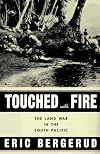
I am just finishing Eric Bergerud’s excellent Touched with Fire: The Land War in the South Pacific. This analysis focuses on the men, conditions, and structures of the opposing armies much more than on the generals and their plans. One of the best parts of this book is a chapter devoted to the unique environment of Papua/New Guinea, which was an active participant in the war as much as any other factor. Although small, there is a growing interest in examining the cross section between show more military history and the environment. My one big take away item for the role of the environment is that neither the Japanese nor the Americans/Australians were fully prepared for jungle warfare. It was an unfamiliar environment for both sides. Malaria and jungle rot (sounds like real horrible stuff) affected both sides. The torrential downpours and omnipresent mud tormented the combatants without discrimination. In fact, the allies were a little better prepared for it both logistically and medically than were the Japanese, although movement of supplies, including quinine, was slow in the miserable conditions. What made the Japanese soldier appear to be such better jungle fighters can be attributed to their intense indoctrination in the code of Bushido that they received in their training, not from some inherent predisposition to the terrain. This was an orchestrated effort by the army to counter the fact that their men were poorly equipped and supplied compared to their contemporaries (the navy definitely got the gravy in imperial Japan). Bergerud also discusses the native peoples of the region who wanted the war to go away. Australian Coast Watchers could survive in isolated regions, but the individual Japanese soldier and small patrols ran the risk of natives picking them off if they got the chance.
From my blog: http://gregshistoryblog.blogspot.com/2012/08/environment-and-warfare-in-south-pa... show less
From my blog: http://gregshistoryblog.blogspot.com/2012/08/environment-and-warfare-in-south-pa... show less
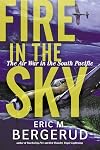
This book examines a part of Japanese military life seldom discussed. The failure of the Japanese Air force to properly maintain its air effort in the Solomons Campaign. It seems the total structure of Japan was far too weak in any kind of industrial underpinning to create a short turn around time for this facet of the fight. Insightful and detailed.
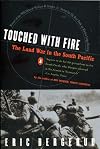
Very well-written book of the land war in the Pacific using interviews and his own extensive knowledge to cover the brutal island warfare from 1942 until early 1944. Written from the viewpoint of the infantry soldier and in a topical fashion rather than a chronological order--topics such as heat, disease, Leathernecks and GIs, the Aussies, and the medical effort are discussed with skill and in a literate manner.
Lists
Awards

You May Also Like


Statistics
- Works
- 4
- Members
- 610
- Popularity
- #41,202
- Rating
- 4.1
- Reviews
- 10
- ISBNs
- 16
- Favorited
- 5