
Ann Weisgarber
Author of The Personal History of Rachel DuPree
Works by Ann Weisgarber
Associated Works
Tagged
Common Knowledge
- Birthdate
- 20th century
- Gender
- female
- Nationality
- USA
- Birthplace
- Kettering, Ohio, USA
- Associated Place (for map)
- Ohio, USA
Members
Reviews

Unser Nächster ist jeder Mensch, besonders der, der unsere Hilfe braucht. (Luther)
Ein scheinbar einfacher Satz, der jedoch alles andere als einfach umzusetzen ist. Davon erzählt dieses Buch in einer ungewöhnlich schlichten Sprache, die vielleicht gerade deshalb umso eindringlicher wirkt.
Während eines kalten Winters im Jahre 1888 im Staate Utah wartet Deborah wie jedes Jahr auf die Rückkehr ihres Mannes Samuel, der mehrere Monate zum Arbeiten unterwegs ist. Sie leben in einer kleinen show more Siedlung, die aus acht Familien besteht und ebenfalls Mormonen sind. Alle haben sich dort ein neues Leben aufgebaut, etwas entfernt von ihrer Kirche mit ihren autoritären und strengen Regularien. Doch sie fühlen sich weiter ihrer Glaubensgemeinschaft verbunden, sodass sie Mitgliedern, die wegen Polygamie auf der Flucht sind, helfen, auch wenn sie deren Einstellung nicht teilen. Als es eines Abends an Deborahs Tür klopft, ist ihr klar, dass sie helfen muss. Doch sie ahnt nicht, dass sie damit ihre ganze Umgebung in große Gefahr bringt. Und ihre Hilfe noch viel stärker beansprucht werden wird.
Beginnt man mit dem Lesen dieses Buches, ist man vermutlich zu Beginn etwas verwundert über die doch sehr einfache Sprache. Die Sätze sind häufig kurz, fast schon knapp: "Entsetzen durchfuhr mich. Ich stand auf. Der Raum schwankte. Ich setzte mich an den Tisch." Man sollte sich etwas Zeit lassen, um sich an diesen Stil zu gewöhnen, denn recht bald schon kann man sich gut in das Innenleben der Protagonisten hinein versetzen. Erzählt wird immer wieder abwechselnd nach mehreren Kapiteln aus der Sicht Deborahs und dem Stiefbruder ihres Mannes Nels, deren Erlebnisse sowie steten Gedanken (oder Selbstgesprächen) man begleitet.
Zu Beginn ist Deborah voller Angst, Samuel kehrt einfach nicht zurück, und sie überlegt ständig, was wäre wenn. Sie beschwört das Schlimmste herauf und vielleicht gerade durch diese schlichte Sprache entwickelt sich ein unterschwelliges Gefühl der Gefahr, die langsam aber unvermeidbar auf die Siedlung zukommt. Später begleitet sie ihre Handlungen mit stets wiederkehrenden Gedanken, die letzten Endes um die Frage kreisen: "Kümmere ich mich um den Menschen in Not, auch wenn es für meine Lieben Nachteile und/oder Gefahr bedeuten könnte?" Man spürt ihre Schwierigkeiten, hier eine Antwort zu finden, und fühlt sich selbst fast ebenso betroffen. Mir ist es zumindest so ergangen.
Eine Geschichte (nicht nur) über das Gebot der Nächstenliebe und wie schwierig es ist, tatsächlich danach zu leben. show less
Ein scheinbar einfacher Satz, der jedoch alles andere als einfach umzusetzen ist. Davon erzählt dieses Buch in einer ungewöhnlich schlichten Sprache, die vielleicht gerade deshalb umso eindringlicher wirkt.
Während eines kalten Winters im Jahre 1888 im Staate Utah wartet Deborah wie jedes Jahr auf die Rückkehr ihres Mannes Samuel, der mehrere Monate zum Arbeiten unterwegs ist. Sie leben in einer kleinen show more Siedlung, die aus acht Familien besteht und ebenfalls Mormonen sind. Alle haben sich dort ein neues Leben aufgebaut, etwas entfernt von ihrer Kirche mit ihren autoritären und strengen Regularien. Doch sie fühlen sich weiter ihrer Glaubensgemeinschaft verbunden, sodass sie Mitgliedern, die wegen Polygamie auf der Flucht sind, helfen, auch wenn sie deren Einstellung nicht teilen. Als es eines Abends an Deborahs Tür klopft, ist ihr klar, dass sie helfen muss. Doch sie ahnt nicht, dass sie damit ihre ganze Umgebung in große Gefahr bringt. Und ihre Hilfe noch viel stärker beansprucht werden wird.
Beginnt man mit dem Lesen dieses Buches, ist man vermutlich zu Beginn etwas verwundert über die doch sehr einfache Sprache. Die Sätze sind häufig kurz, fast schon knapp: "Entsetzen durchfuhr mich. Ich stand auf. Der Raum schwankte. Ich setzte mich an den Tisch." Man sollte sich etwas Zeit lassen, um sich an diesen Stil zu gewöhnen, denn recht bald schon kann man sich gut in das Innenleben der Protagonisten hinein versetzen. Erzählt wird immer wieder abwechselnd nach mehreren Kapiteln aus der Sicht Deborahs und dem Stiefbruder ihres Mannes Nels, deren Erlebnisse sowie steten Gedanken (oder Selbstgesprächen) man begleitet.
Zu Beginn ist Deborah voller Angst, Samuel kehrt einfach nicht zurück, und sie überlegt ständig, was wäre wenn. Sie beschwört das Schlimmste herauf und vielleicht gerade durch diese schlichte Sprache entwickelt sich ein unterschwelliges Gefühl der Gefahr, die langsam aber unvermeidbar auf die Siedlung zukommt. Später begleitet sie ihre Handlungen mit stets wiederkehrenden Gedanken, die letzten Endes um die Frage kreisen: "Kümmere ich mich um den Menschen in Not, auch wenn es für meine Lieben Nachteile und/oder Gefahr bedeuten könnte?" Man spürt ihre Schwierigkeiten, hier eine Antwort zu finden, und fühlt sich selbst fast ebenso betroffen. Mir ist es zumindest so ergangen.
Eine Geschichte (nicht nur) über das Gebot der Nächstenliebe und wie schwierig es ist, tatsächlich danach zu leben. show less
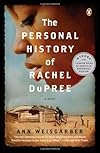
This is one of the best books I’ve read all year, and a welcome addition to my collection of well-loved pioneer stories.
This book covers so much ground: race, class, women’s rights, war. It’s as though Little House on the Prairie grew up and developed a racially and culturally aware conscience. African-American homesteaders are rare enough in pioneer literature, but Weisgarber doesn’t stop with the inevitable racial tension that follows the DuPrees; she places these pioneers in the show more tumultuous years leading up to World War II, when African-Americans flooded cities and race riots ensued.
Weisgarber adds a further level of complexity by mixing in the uneasy status of Native Americans, whom Isaac DuPree detests but who help Rachel in her greatest hour of need. As if that’s not enough, Weisgarber centers the tale around a woman’s decision to stand up to an insensitive and overly ambitious husband–not an easy thing for a barely literate African-American rancher’s wife in the early twentieth century to do.
I grew up loving pioneer stories, from Laura Ingalls Wilder to Janette Oke to Willa Cather. The freedom promised by the solitary plains tempted me as a young girl surrounded by siblings, and the ambition and willpower it took homesteaders to eke out a living on the wild prairie inspired me to aim for the impossible as well.
Rachel struggles, in the story, with summoning the strength to survive the harsh summer and coming winter; to care for her children, both born and unborn; and to preserve a marriage built on ambitious expectation. She struggles to reconcile her dreams for her life and the reality that she is given. Ultimately, she finds the strength to do the right thing. It’s probably not what Willa Cather or Laura Ingalls Wilder would have done… and that’s why Rachel’s story is so riveting. Will Rachel stay with the man she has loved since she first set eyes on him, or will she give back to their children the childhood that is slipping from their grasp?
Rachel is a well-developed character, riven but not paralyzed by a decision that will change her life and the lives of her children. She is personable, and her voice feels authentic. The book’s layers of complexity unfold with perfect pacing, and the book never misses a step. In case you didn’t notice, I highly recommend it!
For a full review, visit my book review blog, Melody & Words! http://melodyandwords.com/2011/12/01/the-personal-history-of-rachel-dupree-by-an... show less
This book covers so much ground: race, class, women’s rights, war. It’s as though Little House on the Prairie grew up and developed a racially and culturally aware conscience. African-American homesteaders are rare enough in pioneer literature, but Weisgarber doesn’t stop with the inevitable racial tension that follows the DuPrees; she places these pioneers in the show more tumultuous years leading up to World War II, when African-Americans flooded cities and race riots ensued.
Weisgarber adds a further level of complexity by mixing in the uneasy status of Native Americans, whom Isaac DuPree detests but who help Rachel in her greatest hour of need. As if that’s not enough, Weisgarber centers the tale around a woman’s decision to stand up to an insensitive and overly ambitious husband–not an easy thing for a barely literate African-American rancher’s wife in the early twentieth century to do.
I grew up loving pioneer stories, from Laura Ingalls Wilder to Janette Oke to Willa Cather. The freedom promised by the solitary plains tempted me as a young girl surrounded by siblings, and the ambition and willpower it took homesteaders to eke out a living on the wild prairie inspired me to aim for the impossible as well.
Rachel struggles, in the story, with summoning the strength to survive the harsh summer and coming winter; to care for her children, both born and unborn; and to preserve a marriage built on ambitious expectation. She struggles to reconcile her dreams for her life and the reality that she is given. Ultimately, she finds the strength to do the right thing. It’s probably not what Willa Cather or Laura Ingalls Wilder would have done… and that’s why Rachel’s story is so riveting. Will Rachel stay with the man she has loved since she first set eyes on him, or will she give back to their children the childhood that is slipping from their grasp?
Rachel is a well-developed character, riven but not paralyzed by a decision that will change her life and the lives of her children. She is personable, and her voice feels authentic. The book’s layers of complexity unfold with perfect pacing, and the book never misses a step. In case you didn’t notice, I highly recommend it!
For a full review, visit my book review blog, Melody & Words! http://melodyandwords.com/2011/12/01/the-personal-history-of-rachel-dupree-by-an... show less
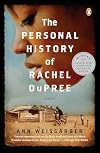
As this novel begins it is the early 1900's, and Rachel Reeves has been working as a cook for eight years at Mrs. DuPree's boarding house for black men in Chicago. Now 25, she is still unmarried, but attracted to Mrs. DuPree’s son Isaac, 31, who has been in the army for 13 years. (Isaac served in the 9th Cavalry Regiment, historically one of the original six regiments of the regular U.S. Army set aside for black enlisted men by Congress in the act of July 28, 1866 reorganizing the army for show more post-Civil War service, mainly against native peoples in the West.) Isaac intends to get land pursuant to the 1862 Homestead Act, providing that any man or unmarried woman could claim a hundred and sixty ares of public land out west. Even blacks were eligible - as Isaac explained to a friend: “The Homestead Act doesn’t care about the color of a man’s skin. A man’s a man in the West.”
Mrs. DuPree looks down on Rachel - she is “too dark,” not well-educated (she had to quit school to support her family), and doesn’t come from an aristocratic family. Nevertheless, the ambitious Isaac figures that with Rachel, he could get 320 acres instead of 160, and agrees to marry her for one year in exchange. Rachel intended to prove to Isaac in that year that he wouldn’t be able to do without her. Mrs. DuPree disowns Isaac for marrying “low” and the couple sets out for the South Dakota Badlands.
The book, narrated by Rachel, goes back and forth in time beginning when Rachel worked at the boarding house, and alternating with a period fourteen years after the couple left for the west. They now have five children, with another two having died as infants. Life in the Badlands is extremely difficult, but whenever they get extra money, Isaac uses it to buy yet more land; as the story begins, they have 2500 acres, but hardly enough food and water to survive.
Rachel increasingly feels that Isaac cares more about accumulating land than the welfare of the rest of the family, especially the children. Brave, resourceful, and determined, she makes a hard decision for her future.
Discussion: There are a couple of subplots in the story worth mentioning. One is the social divide between Northern and Southern blacks. If you read World of Our Fathers by Irving Howe you will be reminded of the similar friction between German and Russian Jewish immigrants to the United States, the former considering themselves a cut above the latter.
When Mrs. DuPree has Ida B. Wells come to speak to her ladies group, Rachel is delighted to discover that the famous and accomplished Mrs. Wells had been born a slave in Mississippi and related more to Rachel than the fancy women in the parlor. [Ida Bell Wells-Barnett born in 1862, was an African-American journalist, newspaper editor, suffragist, sociologist, feminist, an early leader in the Civil Rights Movement, and one of the founders of the National Association for the Advancement of Colored People (NAACP) in 1909.]
Another thread running through the story is Isaac’s curiously virulent hostility toward Native Americans. Rachel doesn’t find out the reason for it until almost the end of the story. But hints of what happened arise periodically, and affect the family’s relationship with others out west.
Evaluation: This gem of a book grabbed me from the start. It’s not long, but manages to pack a lot into it, from conditions for early settlers in the west, to race relations, social conventions, gender roles and expectations, and family love and loyalty. It would make an excellent book club selection.
Awards:
Orange Prize Nominee for New Writers (2009)
David J. Langum Sr. Prize for American Historical Fiction (2010)
Note: A movie with an all-star cast (with Viola Davis, Mahershala Ali, and Quvenzhané Wallis is in the works. show less
Mrs. DuPree looks down on Rachel - she is “too dark,” not well-educated (she had to quit school to support her family), and doesn’t come from an aristocratic family. Nevertheless, the ambitious Isaac figures that with Rachel, he could get 320 acres instead of 160, and agrees to marry her for one year in exchange. Rachel intended to prove to Isaac in that year that he wouldn’t be able to do without her. Mrs. DuPree disowns Isaac for marrying “low” and the couple sets out for the South Dakota Badlands.
The book, narrated by Rachel, goes back and forth in time beginning when Rachel worked at the boarding house, and alternating with a period fourteen years after the couple left for the west. They now have five children, with another two having died as infants. Life in the Badlands is extremely difficult, but whenever they get extra money, Isaac uses it to buy yet more land; as the story begins, they have 2500 acres, but hardly enough food and water to survive.
Rachel increasingly feels that Isaac cares more about accumulating land than the welfare of the rest of the family, especially the children. Brave, resourceful, and determined, she makes a hard decision for her future.
Discussion: There are a couple of subplots in the story worth mentioning. One is the social divide between Northern and Southern blacks. If you read World of Our Fathers by Irving Howe you will be reminded of the similar friction between German and Russian Jewish immigrants to the United States, the former considering themselves a cut above the latter.
When Mrs. DuPree has Ida B. Wells come to speak to her ladies group, Rachel is delighted to discover that the famous and accomplished Mrs. Wells had been born a slave in Mississippi and related more to Rachel than the fancy women in the parlor. [Ida Bell Wells-Barnett born in 1862, was an African-American journalist, newspaper editor, suffragist, sociologist, feminist, an early leader in the Civil Rights Movement, and one of the founders of the National Association for the Advancement of Colored People (NAACP) in 1909.]
Another thread running through the story is Isaac’s curiously virulent hostility toward Native Americans. Rachel doesn’t find out the reason for it until almost the end of the story. But hints of what happened arise periodically, and affect the family’s relationship with others out west.
Evaluation: This gem of a book grabbed me from the start. It’s not long, but manages to pack a lot into it, from conditions for early settlers in the west, to race relations, social conventions, gender roles and expectations, and family love and loyalty. It would make an excellent book club selection.
Awards:
Orange Prize Nominee for New Writers (2009)
David J. Langum Sr. Prize for American Historical Fiction (2010)
Note: A movie with an all-star cast (with Viola Davis, Mahershala Ali, and Quvenzhané Wallis is in the works. show less

The Glovemaker by Ann Weisgarber doesn’t look any different from your regular novel, but this book punches well above its weight. It’s a quietly powerful novel with a simple premise – a woman is alone in a tiny town in the middle of winter when a stranger appears. It takes a very skilled writer to make this into an engrossing read that is both sensitive and strong, but Weisgarber has it in spades.
The story is set in the depths of winter in Utah Territory in a tiny town called show more Junction. (I strongly recommend looking up Fruita or Capitol Reef National Park to get an idea of how gorgeous this area is and also how isolated it would be covered in snow). The town contains only a few families, all members of the Church of Latter-Day Saints but not as connected with the church as their leaders would like them to be. Deborah’s husband Samuel has been due to return home from travelling long ago, but that date has been and gone. Then one day, a stranger to the town knocks on Deborah’s door. Some of the townspeople have helped those Saints escaping the law for polygamy, and Deborah knows this. (In fact, she’s been part of it, directing the men on). But nobody ever shows up in winter. This stranger must have something more to hide. But his presence brings another stranger which will change the town forever…
The Glovemaker is beautifully written. Even the simplest of Deborah’s chores are described carefully, giving a clear picture of what a hard life it would have been during the winters in such inhospitable territory. When the drama starts, the choices Deborah and friend Nels must make are complex, framed by their roles in society, the church and their gender. Deborah is a very strong woman who plays a leading role in the handling of the strangers but to some of the other townspeople, she is an enigma. She’s alone with no children – something to be wary of for not fitting what is seen as normal. Nels is similar as he has no wife or children either, but his sex means that he is listened to with respect. But when things come down to the wire, all that is irrelevant as Nels and Deborah work together to try to help both strangers. Sometimes their way of seeing the situation is very different, but they complement each other in trying to do the right thing.
Overhanging the whole situation is the weather. The snow and darkness envelope the entire narrative, almost becoming another character. It creates an oppressive, closed in atmosphere but also adds to the isolation Deborah feels – from some of the other townspeople, from Samuel and because of her place in the town. Overall, it’s a story that takes its time to unfold but is well worth it for the history and characters.
Thank you to Pan Macmillan for the copy of this book. My review is honest.
http://samstillreading.wordpress.com show less
The story is set in the depths of winter in Utah Territory in a tiny town called show more Junction. (I strongly recommend looking up Fruita or Capitol Reef National Park to get an idea of how gorgeous this area is and also how isolated it would be covered in snow). The town contains only a few families, all members of the Church of Latter-Day Saints but not as connected with the church as their leaders would like them to be. Deborah’s husband Samuel has been due to return home from travelling long ago, but that date has been and gone. Then one day, a stranger to the town knocks on Deborah’s door. Some of the townspeople have helped those Saints escaping the law for polygamy, and Deborah knows this. (In fact, she’s been part of it, directing the men on). But nobody ever shows up in winter. This stranger must have something more to hide. But his presence brings another stranger which will change the town forever…
The Glovemaker is beautifully written. Even the simplest of Deborah’s chores are described carefully, giving a clear picture of what a hard life it would have been during the winters in such inhospitable territory. When the drama starts, the choices Deborah and friend Nels must make are complex, framed by their roles in society, the church and their gender. Deborah is a very strong woman who plays a leading role in the handling of the strangers but to some of the other townspeople, she is an enigma. She’s alone with no children – something to be wary of for not fitting what is seen as normal. Nels is similar as he has no wife or children either, but his sex means that he is listened to with respect. But when things come down to the wire, all that is irrelevant as Nels and Deborah work together to try to help both strangers. Sometimes their way of seeing the situation is very different, but they complement each other in trying to do the right thing.
Overhanging the whole situation is the weather. The snow and darkness envelope the entire narrative, almost becoming another character. It creates an oppressive, closed in atmosphere but also adds to the isolation Deborah feels – from some of the other townspeople, from Samuel and because of her place in the town. Overall, it’s a story that takes its time to unfold but is well worth it for the history and characters.
Thank you to Pan Macmillan for the copy of this book. My review is honest.
http://samstillreading.wordpress.com show less
Lists
Awards


You May Also Like


Associated Authors
Statistics
- Works
- 5
- Also by
- 3
- Members
- 777
- Popularity
- #32,751
- Rating
- 4.0
- Reviews
- 76
- ISBNs
- 50
- Languages
- 4