
Paulette Jiles (1943–2025)
Author of News of the World
About the Author
Paulette Jiles is a poet, memoirist, and novelist, born in 1943, and based in San Antonio, Texas. She is the author of a memoir entitled, Cousins. Her novels include Enemy Woman, Stormy Weather, The Color of Lightning, Lighthouse Island, and News of the World. (Bowker Author Biography)
Image credit: Photo by Jill Gann
Works by Paulette Jiles
Sitting in the Club Car Drinking Rum and Karma-Kola: A Manual of Etiquette for Ladies Crossing Canada by Train (1986) 55 copies, 2 reviews
Associated Works
Tagged
Common Knowledge
- Legal name
- Jiles, Paulette Kay
- Birthdate
- 1943-04-04
- Date of death
- 2025-07-09
- Gender
- female
- Education
- University of Missouri, Kansas City (BA|1968)
- Occupations
- poet
novelist
journalist
memoirist - Organizations
- Canadian Broadcasting Corporation
- Awards and honors
- Governor General's Award for English Poetry (1984)
Pat Lowther Memorial Award (1985)
Gerald Lampert Award (1985)
Rogers Writers' Trust Fiction Prize (2002) - Agent
- Liz Darhansoff
- Nationality
- Canada
USA (birth) - Birthplace
- Salem, Missouri, USA
- Places of residence
- Salem, Missouri, USA (birthplace)
Toronto, Ontario, Canada
San Antonio, Texas, USA
Utopia, Texas, USA - Associated Place (for map)
- USA
Members
Reviews
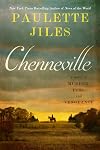
Another grandiose post-Civil War saga from the talented historical fiction author Jiles, with another glorious chase across the Midwest, and another final chapter in Texas. The hero, John Chenneville, is a French Creole farmer-turned-Union-soldier who has finally emerged from a year long coma, recovering from a deadly head injury. The war is over, but when he heads home, only tragedy awaits. His sister and her family have been slain by a rogue deputy, and as Chenneville pursues him, he is show more shocked by the miserable conditions and violence he encounters in his travels from Missouri through Indian Country to Galveston. Much of the story resides in his head and in the slow healing of his body, but the loss of his family and his farm congeal into a burning desire for vengeance. His rugged path is made slightly easier by his encounters with a noble horse, a redbone mutt, and two courageous telegraph operators. The denouement is muted, but it does open up the possibility of a new and better life for Chenneville, in this affecting and heartfelt read. show less
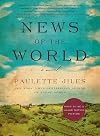
I was captivated by the concept of someone traveling from town to town reading the news. Captain Jefferson Kidd was no stranger to delivering news. At age 16 he carried messages in the War of 1812 by foot and on horseback: "Two years of directed flight across Georgia and the Alabama country, solitary, with his information in hand." "He always recalled those two years with a kind of wonder. As when one is granted the life and the task for which one was meant." In his 70's he continued this show more calling as a curator of news items chosen from newspapers and read to eager audiences in the new settlements of Texas.
The Captain seemed satisfied, if not overtly happy, with the lifestyle of roving newsreader. The author beautifully conveys his appreciation of the open territory and his horse companions. Into his solitary world came upheaval, to put it mildly, when he accepted responsibility for the child, Johanna. His circuit of Texas towns uniquely qualified him to return the 10 year old fair skinned, blue eyed Kiowa captive to her closest relatives 400 miles away. Johanna, brought up in the ways and language of the Kiowa, was again carried away from a life she knew and did not want to leave. Captain Kidd agreed to escort her, taking over from a trader who left him with the warning, "Be really careful." You have to feel for each of them, one a child and one an older man, both rocked by a great change in circumstances. Their journey through the sparsely settled West with its open country and gritty towns becomes an endeavor toward some level of mutual understanding.
The writing evokes all of the senses. I savored this book not only for its great plot but for the luscious prose which had not a word out of place. Highly recommended. show less
The Captain seemed satisfied, if not overtly happy, with the lifestyle of roving newsreader. The author beautifully conveys his appreciation of the open territory and his horse companions. Into his solitary world came upheaval, to put it mildly, when he accepted responsibility for the child, Johanna. His circuit of Texas towns uniquely qualified him to return the 10 year old fair skinned, blue eyed Kiowa captive to her closest relatives 400 miles away. Johanna, brought up in the ways and language of the Kiowa, was again carried away from a life she knew and did not want to leave. Captain Kidd agreed to escort her, taking over from a trader who left him with the warning, "Be really careful." You have to feel for each of them, one a child and one an older man, both rocked by a great change in circumstances. Their journey through the sparsely settled West with its open country and gritty towns becomes an endeavor toward some level of mutual understanding.
The writing evokes all of the senses. I savored this book not only for its great plot but for the luscious prose which had not a word out of place. Highly recommended. show less
 This review was written for LibraryThing Early Reviewers.
Read from October 27 to 31, 2016
I fear this book may ruin me for all other books for a few weeks. I wasn't ready to leave Captain Kidd and Johanna.
I love a good story set in the West with vividly imagined characters -- think Lonesome Dove or True Grit. This novel definitely captures both the lawlessness of the West and the rigid laws of Reconstruction Era Texas. While Jiles beautifully writes about the place, she (even more importantly for me) writes authentic, well-developed characters. A show more fantastic novel.
More like this:
True Grit by Charles Portis
Lonesome Dove by Larry McMurtry
The Son by Philipp Meyer
The Sisters Brothers by Patrick deWitt show less
I fear this book may ruin me for all other books for a few weeks. I wasn't ready to leave Captain Kidd and Johanna.
I love a good story set in the West with vividly imagined characters -- think Lonesome Dove or True Grit. This novel definitely captures both the lawlessness of the West and the rigid laws of Reconstruction Era Texas. While Jiles beautifully writes about the place, she (even more importantly for me) writes authentic, well-developed characters. A show more fantastic novel.
More like this:
True Grit by Charles Portis
Lonesome Dove by Larry McMurtry
The Son by Philipp Meyer
The Sisters Brothers by Patrick deWitt show less
The road to hell was paved with the bones of men who did not know when to quit fighting. Like the Wild Geese of Ireland they were used and spent like coins by one army after another.
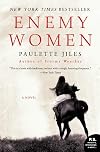
The Civil War was a bloody and costly affair to the men who fought it, and a source of despair for most of our nation's families, who lost their fathers, brothers and sons, but there is another side to the war, and that is its effect on the women who were left to fend for themselves in a world that was unkind to show more the lone woman. Adair Randolph Colley is one such woman, and Jiles portrays in her a person of wit and intelligence and courage that is astounding.
The war was hard on every state in the South, but in Missouri it was exceptionally violent and cruel. Missouri was a divided state, with as many Confederate as Union sympathizers, and as the war wound down, the atrocities on both sides of the conflict toward the innocent citizenry was appalling. Gangs of marauding men scoured the country, killing at random, and in what is a little explored aspect of the conflict, women were imprisoned for feeding or caring for their own male relatives.
During most of the war, the Colley family has managed to remain neutral and continue to farm their acreage. They have never held any slaves, nor do they have combatants on either side of the conflict. But, the depravity of the Union militia finally catches up to them, and Judge Marquis Colley, Adair’s father, is taken prisoner, the house burned and his three daughters left to their own devices. In an attempt to secure his freedom, Adair, barely 18, travels to the headquarters of the Union army and is there falsely accused of spying and herself imprisoned and sent by train to St. Louis.
Jiles' descriptions of the prison and its inhabitants are vivid and visceral. But, she also brings a kind of poetry to her prose.
The fireplace leaked a slow red light, and the bar shadows lined the opposite wall like thin soldiers or the wraiths of the prisoners gone before.
In St. Louis, we meet another pivotal character in Jiles' saga, Major William Neumann, who has been charged with running the ladies prison, and understandably hates his job. He is a decent man caught in an untenable situation. It is through conversations between Adair and William that we begin to see all the layers of Adair's personality emerge.
Just as she gives us vivid images of the prison, Jiles is equally descriptive of the natural sights in her novel, painting visual scenes that play in your mind like a movie trailer.
Sometimes she walked alongside Whiskey and Dolly in the grassy valleys. The horses drifted along either side of her, grazing. Their lips moved without sound and it seemed they were talking to the earth in a long, complex conversion. On the high barrens of the ridges, the wind tore at her hair and sent her shawl and strands of her black hair streaming behind her. The horses walked beside in protection. They spread the wings of their souls on either side of her. They drank of the air, and Adair walked lightly along with them.
I loved this image of the horses spreading "the wings of their souls". It made a particular scene in the book all the more distressing for me.
Adair is such a strong, reliable, and honest character. We can believe her, and we do, and others see this quality in her as well, but we also see her become a person who will do what is necessary to survive. When we first meet her, traveling down the road with her sisters to seek the freedom of her father, she has dressed her sisters and given them hats, and the imagery is almost clownish and playful, despite the seriousness of the situation. This purity and childishness is not meant to last for long. This is not a world in which anyone is allowed to keep their innocence or naivety.
What makes this book exceptional for me is the grounding it has in the actual history of the time. Jiles has carefully researched her subject, and she opens each chapter with an excerpt from documents of the time detailing the horrors that faced these very real people, in the words of those who experienced it.
The first excerpt is from a letter written by Asey Ladd, a Confederate soldier who writes
Dear Wife and Children; I take my pen with trembling hand to inform you that I have to be shot between 2 & 4 o’clock this evening. I have but few hours to remain in this unfriendly world. There are 6 of us sentenced to die in retaliation of 6 Union soldiers that was shot by Reeves men.
With that harrowing letter, we are warned that this will be a tale of a difficult time; a time that requires strong people; a time of precarious survival. Then Jiles goes on to write a character in the guise of a young girl, who is up to the challenge. I thought of Mattie Ross in True Grit, Ivy Rowe in Fair and Tender Ladies, and Ruby Thewes in Cold Mountain. Adair Randolph Colley belongs to this group: unforgettable women, strong women, survivors. show less
The Civil War was a bloody and costly affair to the men who fought it, and a source of despair for most of our nation's families, who lost their fathers, brothers and sons, but there is another side to the war, and that is its effect on the women who were left to fend for themselves in a world that was unkind to show more the lone woman. Adair Randolph Colley is one such woman, and Jiles portrays in her a person of wit and intelligence and courage that is astounding.
The war was hard on every state in the South, but in Missouri it was exceptionally violent and cruel. Missouri was a divided state, with as many Confederate as Union sympathizers, and as the war wound down, the atrocities on both sides of the conflict toward the innocent citizenry was appalling. Gangs of marauding men scoured the country, killing at random, and in what is a little explored aspect of the conflict, women were imprisoned for feeding or caring for their own male relatives.
During most of the war, the Colley family has managed to remain neutral and continue to farm their acreage. They have never held any slaves, nor do they have combatants on either side of the conflict. But, the depravity of the Union militia finally catches up to them, and Judge Marquis Colley, Adair’s father, is taken prisoner, the house burned and his three daughters left to their own devices. In an attempt to secure his freedom, Adair, barely 18, travels to the headquarters of the Union army and is there falsely accused of spying and herself imprisoned and sent by train to St. Louis.
Jiles' descriptions of the prison and its inhabitants are vivid and visceral. But, she also brings a kind of poetry to her prose.
The fireplace leaked a slow red light, and the bar shadows lined the opposite wall like thin soldiers or the wraiths of the prisoners gone before.
In St. Louis, we meet another pivotal character in Jiles' saga, Major William Neumann, who has been charged with running the ladies prison, and understandably hates his job. He is a decent man caught in an untenable situation. It is through conversations between Adair and William that we begin to see all the layers of Adair's personality emerge.
Just as she gives us vivid images of the prison, Jiles is equally descriptive of the natural sights in her novel, painting visual scenes that play in your mind like a movie trailer.
Sometimes she walked alongside Whiskey and Dolly in the grassy valleys. The horses drifted along either side of her, grazing. Their lips moved without sound and it seemed they were talking to the earth in a long, complex conversion. On the high barrens of the ridges, the wind tore at her hair and sent her shawl and strands of her black hair streaming behind her. The horses walked beside in protection. They spread the wings of their souls on either side of her. They drank of the air, and Adair walked lightly along with them.
I loved this image of the horses spreading "the wings of their souls". It made a particular scene in the book all the more distressing for me.
Adair is such a strong, reliable, and honest character. We can believe her, and we do, and others see this quality in her as well, but we also see her become a person who will do what is necessary to survive. When we first meet her, traveling down the road with her sisters to seek the freedom of her father, she has dressed her sisters and given them hats, and the imagery is almost clownish and playful, despite the seriousness of the situation. This purity and childishness is not meant to last for long. This is not a world in which anyone is allowed to keep their innocence or naivety.
What makes this book exceptional for me is the grounding it has in the actual history of the time. Jiles has carefully researched her subject, and she opens each chapter with an excerpt from documents of the time detailing the horrors that faced these very real people, in the words of those who experienced it.
The first excerpt is from a letter written by Asey Ladd, a Confederate soldier who writes
Dear Wife and Children; I take my pen with trembling hand to inform you that I have to be shot between 2 & 4 o’clock this evening. I have but few hours to remain in this unfriendly world. There are 6 of us sentenced to die in retaliation of 6 Union soldiers that was shot by Reeves men.
With that harrowing letter, we are warned that this will be a tale of a difficult time; a time that requires strong people; a time of precarious survival. Then Jiles goes on to write a character in the guise of a young girl, who is up to the challenge. I thought of Mattie Ross in True Grit, Ivy Rowe in Fair and Tender Ladies, and Ruby Thewes in Cold Mountain. Adair Randolph Colley belongs to this group: unforgettable women, strong women, survivors. show less
Lists
To Read (1)
Awards


You May Also Like


Associated Authors
Statistics
- Works
- 21
- Also by
- 1
- Members
- 6,854
- Popularity
- #3,566
- Rating
- 4.0
- Reviews
- 459
- ISBNs
- 142
- Languages
- 10
- Favorited
- 7

