
Michael P. Sauers
Author of Blogging and RSS: A Librarian's Guide
About the Author
Works by Michael P. Sauers
Tagged
Common Knowledge
- Canonical name
- Sauers, Michael P.
- Birthdate
- 1970-09-23
- Gender
- male
- Education
- University at Albany (MLS)
- Occupations
- librarian
non-fiction author - Organizations
- Nebraska Library Association
- Nationality
- USA
- Birthplace
- Rochester, New York, USA
- Places of residence
- Lincoln, Nebraska, USA
- Associated Place (for map)
- USA
Members
Reviews
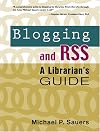
I borrowed this from my workplace library. I was interested in looking it over since we are planning on implementing a blog at work. For me, a lot of the information in it is material that I already know or have seen in other online sources. Therein lies a weakness of the book, or pretty much any book about online tools like blogs: by the time it hits print, a lot of it is already outdated or the conditions online have changed. The coverage of Blogger is a good example given Blogger's recent show more changes. So, that is why I gave it only two stars.
However, I will say that for people who have minimal knowledge of blogs and rss that this book would provide an excellent jump point. It has a lot of visual elements as well as good explanations. For libraries considering a blog and that have not seen a lot of this phenomena, the book is a good resource. However, for veterans, odds are good you already know what's in it. show less
However, I will say that for people who have minimal knowledge of blogs and rss that this book would provide an excellent jump point. It has a lot of visual elements as well as good explanations. For libraries considering a blog and that have not seen a lot of this phenomena, the book is a good resource. However, for veterans, odds are good you already know what's in it. show less
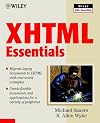
i won this book through librarything and it came at the perfect time. i won it while i was taking my first xhtml class at SJSU and it sure came in handy. for our final project we had to create our own website from scratch. i had never worked with xml, html or xhtml before this class, and although our class text book was helpful, there were some things i still was not able to understand. this book was a great reference tool and really helped fill in the gaps where my course text book missed. show more i would recommend this book as a great reference tool to anyone who is just learning xhtml. show less
This review was written for LibraryThing Member Giveaways.
The internet is constantly changing and books like this are needed to see that we get the most out our browsing experiences. Much of the material in this book I did not know and it will serve as my guide and teacher as I explore the depths of the Internet…that is until they come up with something else that’s new and better. But I’m sure when that happens, Michael will come out with a follow-up book!
This review was written for LibraryThing Member Giveaways.

If you aren't intimately familiar with the latest generation of Web 2.0 tools and how to exploit them fully in your daily reference work, then this book is for you. Master trainer Michael Sauers applies the super-search strategies for which he is known to a comprehensive range of tools for reference use, including:
Web 2.0: definition; core concepts and implications; tagging and folksonomies
getting organized: bookmarks; web pages; Delicious
popular search engines: Google; Microsoft's Live show more Search; Yahoo! Search
Wikipedia: searching, citing, adding and editing
searching for media: Flickr; YouTube; Podscope
local search: Google Maps; Live Search Maps
print search: Google Book Search; Amazon's 'Search Inside the Book'
searching the past: The Google Cache; The Wayback Machine; Wikipedia Page Histories
searching without being there: OpenSearch files; creating OpenSearch plugins
desktop search: Google Desktop; Windows Search; Desktop Search in Vista
data visualization: Kartoo; Literature Map, etc.
Accessible and fun to read, with a wealth of illustrative screenshots, this is a comprehensive guide to searches that make the most of the Web 2.0 environment: from improving basic search skills and evaluating search results to making the best use of search engines, both common and cutting-edge. Sauers reviews each Web 2.0 tool for reliability and appropriateness in different search tasks and shows you how best to organize them for quick access at the reference desk.
You (and your users, once you show them how) will use Sauers's advanced and special search methods again and again in your daily reference work, and his enthusiasm will have you running from the book to your computer every ten minutes. Exercises in each chapter will help you cement your new knowledge into practical reference skills. show less
Web 2.0: definition; core concepts and implications; tagging and folksonomies
getting organized: bookmarks; web pages; Delicious
popular search engines: Google; Microsoft's Live show more Search; Yahoo! Search
Wikipedia: searching, citing, adding and editing
searching for media: Flickr; YouTube; Podscope
local search: Google Maps; Live Search Maps
print search: Google Book Search; Amazon's 'Search Inside the Book'
searching the past: The Google Cache; The Wayback Machine; Wikipedia Page Histories
searching without being there: OpenSearch files; creating OpenSearch plugins
desktop search: Google Desktop; Windows Search; Desktop Search in Vista
data visualization: Kartoo; Literature Map, etc.
Accessible and fun to read, with a wealth of illustrative screenshots, this is a comprehensive guide to searches that make the most of the Web 2.0 environment: from improving basic search skills and evaluating search results to making the best use of search engines, both common and cutting-edge. Sauers reviews each Web 2.0 tool for reliability and appropriateness in different search tasks and shows you how best to organize them for quick access at the reference desk.
You (and your users, once you show them how) will use Sauers's advanced and special search methods again and again in your daily reference work, and his enthusiasm will have you running from the book to your computer every ten minutes. Exercises in each chapter will help you cement your new knowledge into practical reference skills. show less
You May Also Like


Statistics
- Works
- 12
- Members
- 286
- Popularity
- #81,617
- Rating
- 3.4
- Reviews
- 11
- ISBNs
- 19
- Favorited
- 3


