
Penelope Mortimer (1918–1999)
Author of The Pumpkin Eater
About the Author
Works by Penelope Mortimer
Cave of ice 4 copies
Associated Works
Antaeus No. 34, Summer 1979 — Contributor — 1 copy
Tagged
Common Knowledge
- Canonical name
- Mortimer, Penelope
- Legal name
- Mortimer, Penelope Ruth
- Other names
- Fletcher, Penelope Ruth (birth)
Dimont, Penelope - Birthdate
- 1918-09-19
- Date of death
- 1999-10-19
- Gender
- female
- Education
- University College, London
- Occupations
- writer
journalist
autobiographer
novelist
film critic - Awards and honors
- Whitbread Prize for Biography (1979)
- Relationships
- Mortimer, John (husband | divorced)
Swingler, Randall (lover)
Mortimer, Jeremy (son) - Short biography
- Penelope Mortimer's complex marital and parental history sometimes became material for her own writing and that of her barrister-writer husband, John Mortimer. The London Daily Telegraph's obituary of Ms. Mortimer said the couple ''seemed to represent the last word in marital chic'' in the 1950s and 60s. Behind this facade, however, she had frequent bouts of depression.
- Cause of death
- cancer
- Nationality
- UK
- Birthplace
- Rhyl, Flintshire, Wales, UK
- Places of residence
- Willesden, London, England, UK (death)
Rhyl, Flintshire, Wales, UK (birth) - Place of death
- Kensington, London, England, UK
- Associated Place (for map)
- England, UK
Members
Reviews

This book, written in 1958, seems more pertinent than ever after the overturning of Roe v. Wade
"My personhood was erased and overwritten with MOTHER before I even knew who I was."
Ruth is a sad and desperate housewife in suburban London. Her overbearing and cruel husband Rex works in the city and is home only on the weekends for the neighborly rounds of cocktail parties and Sunday brunches. Their boys are away at boarding school and their daughter Angela is in her first year at Oxford. As I show more began this sad story of Ruth's lonely life, I was immediately reminded of the lives of the women Betty Friedan described in her ground-breaking book The Feminine Mystique.
Then Angela comes home to tell her mother she is pregnant. Ruth is immediately thrown back to her own youth and her own unwanted pregnancy (with Angela), which led to her marriage to Rex. She doesn't want her daughter to experience the same lack of choices and the consequences that she did. And so the quest for a safe abortion for Angela begins, a not so easy task in the 1950's when abortion was illegal in England (and probably most other countries).
The emphasis on the plight of the 50's housewife is beautifully written. The book explores loneliness, isolation, and mental health (not to mention reproductive rights). Although the book is more than 60 years old, it felt very relevant to me.
Recommended.
3 1/2 stars
First Line: "Ruth Whiting stepped out of the high train directly it stopped."
Last line: "Avoiding the carelessly abandoned bicycles, the gum boots, she went into the house." show less
"My personhood was erased and overwritten with MOTHER before I even knew who I was."
Ruth is a sad and desperate housewife in suburban London. Her overbearing and cruel husband Rex works in the city and is home only on the weekends for the neighborly rounds of cocktail parties and Sunday brunches. Their boys are away at boarding school and their daughter Angela is in her first year at Oxford. As I show more began this sad story of Ruth's lonely life, I was immediately reminded of the lives of the women Betty Friedan described in her ground-breaking book The Feminine Mystique.
Then Angela comes home to tell her mother she is pregnant. Ruth is immediately thrown back to her own youth and her own unwanted pregnancy (with Angela), which led to her marriage to Rex. She doesn't want her daughter to experience the same lack of choices and the consequences that she did. And so the quest for a safe abortion for Angela begins, a not so easy task in the 1950's when abortion was illegal in England (and probably most other countries).
The emphasis on the plight of the 50's housewife is beautifully written. The book explores loneliness, isolation, and mental health (not to mention reproductive rights). Although the book is more than 60 years old, it felt very relevant to me.
Recommended.
3 1/2 stars
First Line: "Ruth Whiting stepped out of the high train directly it stopped."
Last line: "Avoiding the carelessly abandoned bicycles, the gum boots, she went into the house." show less
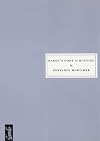
While much might be made of this as an “abortion” novel, Daddy’s Gone A-Hunting is equally concerned with the plight of a well-to-to-woman in an unhappy late-1950s marriage. Ruth Whiting is at loose ends now that her boys have returned to their prestigious private school. Her eldest child, Angela—the reason teenage Ruth had been compelled by her father to marry Rex Whiting—will soon return to Oxford, but the mother-daughter relationship is strained. Angela feels her mother has no show more interest in her, while Ruth retains a certain degree of resentment of the child who set her life on a seemingly irrevocable course. Over the summer holiday, Ruth’s children have noticed she’s become a little barmy. They joke about it, but they are on to something. Underneath her conventional, gracious-hostess exterior, she’s fragmenting.
After seeing her boys off in London and before catching the train back to her well-appointed home in a quaint village on the outskirts of London, Ruth goes shopping. Among her purchases is a small cradle-shaped music box which plays the traditional English lullaby Goodbye Baby Bunting. Ruth tells herself that it’s for a neighbour’s young child, but she cannot part with it. It is a potent symbol of her experience of empty-nest syndrome as well as the abandonment she feels in the vulnerable-child part of her own psyche. Her husband, Rex Whiting, is a high-end dentist to celebrities, who stays in his London flat during the work week, ostensibly for the sake of convenience, but actually because adultery is a whole lot easier to manage at a distance.
Ruth is just descending into nervous collapse when her daughter suddenly returns home from Oxford to announce she’s pregnant. The “boyfriend” (if you can call him that) is cut from the same boorish cloth as Rex, and Angela certainly does not want to marry him. She also doesn’t want her father to know anything about her situation, believing he’d yell a great deal and likely force her into marriage. Ruth and Angela tentatively bond as they try to obtain abortion services for Angela. Abortion is illegal in the England of 1958.
I have no idea how well Ruth and Angela’s experience seeking abortion reflects that of actual English women in the mid-twentieth century, but the novel made me interested in finding out more.
To her credit, Mortimer provides a realistic conclusion. Mother and daughter have not become kindred spirits, but they share a secret, and Ruth has gained some confidence by competently helping her daughter to steer her life in a different direction from her own.
An absorbing novel. Recommended. show less
After seeing her boys off in London and before catching the train back to her well-appointed home in a quaint village on the outskirts of London, Ruth goes shopping. Among her purchases is a small cradle-shaped music box which plays the traditional English lullaby Goodbye Baby Bunting. Ruth tells herself that it’s for a neighbour’s young child, but she cannot part with it. It is a potent symbol of her experience of empty-nest syndrome as well as the abandonment she feels in the vulnerable-child part of her own psyche. Her husband, Rex Whiting, is a high-end dentist to celebrities, who stays in his London flat during the work week, ostensibly for the sake of convenience, but actually because adultery is a whole lot easier to manage at a distance.
Ruth is just descending into nervous collapse when her daughter suddenly returns home from Oxford to announce she’s pregnant. The “boyfriend” (if you can call him that) is cut from the same boorish cloth as Rex, and Angela certainly does not want to marry him. She also doesn’t want her father to know anything about her situation, believing he’d yell a great deal and likely force her into marriage. Ruth and Angela tentatively bond as they try to obtain abortion services for Angela. Abortion is illegal in the England of 1958.
I have no idea how well Ruth and Angela’s experience seeking abortion reflects that of actual English women in the mid-twentieth century, but the novel made me interested in finding out more.
To her credit, Mortimer provides a realistic conclusion. Mother and daughter have not become kindred spirits, but they share a secret, and Ruth has gained some confidence by competently helping her daughter to steer her life in a different direction from her own.
An absorbing novel. Recommended. show less

Nobody inspires in me as much intense sorrow, rage, and fear as Mortimer consistently does in her stories.
She mines the rich elements of terror in domesticity: the deep discontent in everyday lives and relationships, the questionable compromises, the turbulent unhappiness brewing beneath the polite façade of domestic bliss. She makes my fist clench, jaw tense, heart quicken, my breath stop. She makes me squirm with discomfort, seethe with fury, almost mad with despair.
It's almost vicious show more this unhappiness that she inflicts on me, yet I cannot help but seek her out for more.
Favourite stories: Saturday Lunch with the Brownings, I Told You So, and What a Lovely Surprise. show less
She mines the rich elements of terror in domesticity: the deep discontent in everyday lives and relationships, the questionable compromises, the turbulent unhappiness brewing beneath the polite façade of domestic bliss. She makes my fist clench, jaw tense, heart quicken, my breath stop. She makes me squirm with discomfort, seethe with fury, almost mad with despair.
It's almost vicious show more this unhappiness that she inflicts on me, yet I cannot help but seek her out for more.
Favourite stories: Saturday Lunch with the Brownings, I Told You So, and What a Lovely Surprise. show less
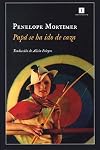
Penelope Mortimer es una genia. Una escritora difícil e incómoda pero con una capacidad para mantener el interés en ese mundo en el que consigue introducirnos al inicio de la novela. Nada es anecdótico ni superficial aquí, ni los secundarios se salvan de la representación, y el lenguaje es determinante.
La novela comienza describiendo el contexto de los lujosos suburbios londinenses en el que se desenvuelven las clases medias adineradas, igualadas como alumnos de la misma clase, “son show more todos prácticamente de la misma edad, visten el mismo tipo de ropa, y están especializados, con casi indistinguibles grados de éxito, en la asignatura del dinero.”
Pero rápidamente comienza una segunda parte en la que salta el conflicto que la protagonista, Ruth, debe solucionar mientras papaíto sale a cazar un conejo para envolver con su piel al bebé.
Ruth termina su cometido con éxito y se redime en cierta medida, pero no consigue rematar la jugada, porque sabe, como Santa Teresa, y casi 30 años antes que Capote, que se derraman más lágrimas por las plegarias atendidas que por las que no han tenido respuesta. Y la suya era “la última evasión, una plegaria no atendida, imposible de atender.”
Ma-ra-vi-llo-sa show less
La novela comienza describiendo el contexto de los lujosos suburbios londinenses en el que se desenvuelven las clases medias adineradas, igualadas como alumnos de la misma clase, “son show more todos prácticamente de la misma edad, visten el mismo tipo de ropa, y están especializados, con casi indistinguibles grados de éxito, en la asignatura del dinero.”
Pero rápidamente comienza una segunda parte en la que salta el conflicto que la protagonista, Ruth, debe solucionar mientras papaíto sale a cazar un conejo para envolver con su piel al bebé.
Ruth termina su cometido con éxito y se redime en cierta medida, pero no consigue rematar la jugada, porque sabe, como Santa Teresa, y casi 30 años antes que Capote, que se derraman más lágrimas por las plegarias atendidas que por las que no han tenido respuesta. Y la suya era “la última evasión, una plegaria no atendida, imposible de atender.”
Ma-ra-vi-llo-sa show less
Lists
Awards


You May Also Like


Associated Authors
Statistics
- Works
- 16
- Also by
- 11
- Members
- 1,254
- Popularity
- #20,453
- Rating
- 3.8
- Reviews
- 33
- ISBNs
- 56
- Languages
- 4
- Favorited
- 4