
Luke Sullivan
Author of Hey, Whipple, Squeeze This: A Guide to Creating Great Ads
About the Author
Luke Sullivan is an award-winning copywriter with over twenty years in the business at some of the elite agencies in America -- Fallon McElligott and The Martin Agency. Twice named by Adweek as one of the top advertising writers in the country, Sullivan has some twenty medals to his credit in the show more prestigious One Show, the Oscars of the ad business show less
Works by Luke Sullivan
Thirty Rooms to Hide In: Insanity, Addiction, and Rock 'n' Roll in the Shadow of the Mayo Clinic (2011) 49 copies, 7 reviews
Tagged
Common Knowledge
- Gender
- male
Members
Reviews
Thirty Rooms to Hide In: Insanity, Addiction, and Rock 'n' Roll in the Shadow of the Mayo Clinic by Luke Longstreet Sullivan
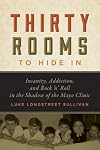
This is a book you will not want to put down. It will make you laugh out loud and cry from beginning to end, and is a heartbreaking chronology of a family's history in an unusual town. It took a lot of guts to write this story and it has a lot to say about the gradual and insidious path that sucks people down into addiction without reprieve. It also reminds us that this path cuts a swath through everyone's lives and the fallout remains for years to come.
The author is correct in pointing out show more that wives could not easily escape from this destructive web as the societal, economic and family pressures were overwhelmingly against them getting out of such relationships. There really weren't any battered women's shelters in Rochester at that time, and the best one could hope for were family friends who could intervene at some level. The pressures in Rochester, at the time, to downplay these kinds of family problems was enormous. I am amazed that Mrs. Sulllivan was as proactive as she was in protecting her children. I can also understand how their family life went down the slippery slope that it did.
His brother Chris points out that they survived all this because of their mother, grandfather, educational opportunities, time and a great sense of humor and (I suspect) irony. There are many families who cannot laugh at their problems, and I think those are the families who are also most at risk for going under. I am glad this family came out the other side, but am sorry they paid such a high price to do so.
I could not put this book down. You won't be able to either. There are many books out there that discuss dysfunctional families and problems with addiction, but I found that this was incredibly well written and insightful. I was given this book by the
University of Minnesota Press. show less
The author is correct in pointing out show more that wives could not easily escape from this destructive web as the societal, economic and family pressures were overwhelmingly against them getting out of such relationships. There really weren't any battered women's shelters in Rochester at that time, and the best one could hope for were family friends who could intervene at some level. The pressures in Rochester, at the time, to downplay these kinds of family problems was enormous. I am amazed that Mrs. Sulllivan was as proactive as she was in protecting her children. I can also understand how their family life went down the slippery slope that it did.
His brother Chris points out that they survived all this because of their mother, grandfather, educational opportunities, time and a great sense of humor and (I suspect) irony. There are many families who cannot laugh at their problems, and I think those are the families who are also most at risk for going under. I am glad this family came out the other side, but am sorry they paid such a high price to do so.
I could not put this book down. You won't be able to either. There are many books out there that discuss dysfunctional families and problems with addiction, but I found that this was incredibly well written and insightful. I was given this book by the
University of Minnesota Press. show less
Thirty Rooms to Hide In: Insanity, Addiction, and Rock 'n' Roll in the Shadow of the Mayo Clinic by Luke Longstreet Sullivan
This is a book you will not want to put down. It will make you laugh out loud and cry from beginning to end, and is a heartbreaking chronology of a family's history in an unusual town. It took a lot of guts to write this story and it has a lot to say about the gradual and insidious path that sucks people down into addiction without reprieve. It also reminds us that this path cuts a swath through everyone's lives and the fallout remains for years to come.
The author is correct in pointing out show more that wives could not easily escape from this destructive web as the societal, economic and family pressures were overwhelmingly against them getting out of such relationships. There really weren't any battered women's shelters in Rochester at that time, and the best one could hope for were family friends who could intervene at some level. The pressures in Rochester, at the time, to downplay these kinds of family problems was enormous. I am amazed that Mrs. Sulllivan was as proactive as she was in protecting her children. I can also understand how their family life went down the slippery slope that it did.
His brother Chris points out that they survived all this because of their mother, grandfather, educational opportunities, time and a great sense of humor and (I suspect) irony. There are many families who cannot laugh at their problems, and I think those are the families who are also most at risk for going under. I am glad this family came out the other side, but am sorry they paid such a high price to do so.
I could not put this book down. You won't be able to either. There are many books out there that discuss dysfunctional families and problems with addiction, but I found that this was incredibly well written and insightful. I was given this book by the
University of Minnesota Press. show less
The author is correct in pointing out show more that wives could not easily escape from this destructive web as the societal, economic and family pressures were overwhelmingly against them getting out of such relationships. There really weren't any battered women's shelters in Rochester at that time, and the best one could hope for were family friends who could intervene at some level. The pressures in Rochester, at the time, to downplay these kinds of family problems was enormous. I am amazed that Mrs. Sulllivan was as proactive as she was in protecting her children. I can also understand how their family life went down the slippery slope that it did.
His brother Chris points out that they survived all this because of their mother, grandfather, educational opportunities, time and a great sense of humor and (I suspect) irony. There are many families who cannot laugh at their problems, and I think those are the families who are also most at risk for going under. I am glad this family came out the other side, but am sorry they paid such a high price to do so.
I could not put this book down. You won't be able to either. There are many books out there that discuss dysfunctional families and problems with addiction, but I found that this was incredibly well written and insightful. I was given this book by the
University of Minnesota Press. show less
Thirty Rooms to Hide In: Insanity, Addiction, and Rock 'n' Roll in the Shadow of the Mayo Clinic by Luke Longstreet Sullivan
THIRTY ROOMS TO HIDE IN by Luke Longstreet Sullivan
Luke Sullivan is one of six sons of Dr. Charles Roger Sullivan, who led the Mayo Clinic Orthopedic Surgery section in the 1950s and -60s. He chronicles the odyssey of his family as Dr. Sullivan descends slowly but surely into the nightmare of alcoholism, dragging his wife, Mary, and their children through the madness and horror. This is a brutally honest narrative of growing up in the insanity that develops around an alcoholic parent. The show more medical community's "knowledge" of alcoholism then was based on a lack of information, false assumptions and the societal paradigm wherein a husband and father had "most favored status" in family life, both legal and personal. Among most men of that era, there was a "club" mentality of protecting and covering for all members, accepting their excuses for bad behavior, favoring them in family disputes, discounting wives and other family members words, thus condoning the behavior and facilitating its continuance.
Luke Sullivan illustrates the love and humor in the lives of his siblings and parents, with descriptions of the hilarious antics of the brothers reminiscent of Jean Kerr's "Please Don't Eat the Daisies" as they do stupid, dangerous, creative, things in their thirty-room home and on the several acres surrounding it. He shows how each family member develops in the armed camp atmosphere of their dysfunctional family over the years and how the brothers both bond together and isolate while dealing with their father's alcoholism. Some activities were seriously dangerous (!) but they managed to survive their own childhood and become successful, well-adjusted adults.
The real hero was Mary Sullivan who learned to protect and raise her sons in as loving and healthy a way possible, despite the constantly deteriorating personal climate of their lives. A highly intelligent, erudite woman who maintained her sanity through a lifetime correspondence with her father, her only source of emotional support, Mary strove to protect her children from their father's verbal/emotional abuse, including taking all six and going to a motel to spend the night as Dr. Sullivan's drinking became more out of control.
Luke Sullivan is a true "insider" who not only did exhaustive research about how each person in the family felt and responded to the stress in their lives, but who writes as one who has learned pretty much everything known about the disease of alcoholism. He writes without bitterness or anger at the cards he and his family were dealt and paints a poignant picture of their struggles and triumphs, with honesty and love, including the description of his father as a brilliant, dedicated, driven man striving to improve knowledge in his field for the betterment of all, who suffered from a devastating disease that ruined his life and destroyed his relationships with family, friends and colleagues.
The story of this highly personal subject, without blaming or whining about the injustice of it all, is well-written and admirable. I highly recommend this book to anyone -- not just those whose lives have been touched or scarred by alcoholism. "Thirty Rooms to Hide In" is a testament to the strength of the human spirit to overcome adversity, quietly compelling and inspiring.
I thank the publisher for providing me a free copy in exchange for a review. I will post it on Amazon, B&N, Goodreads, LibraryThing and my blog at www.museofhellreviews.wordpress.com show less
Luke Sullivan is one of six sons of Dr. Charles Roger Sullivan, who led the Mayo Clinic Orthopedic Surgery section in the 1950s and -60s. He chronicles the odyssey of his family as Dr. Sullivan descends slowly but surely into the nightmare of alcoholism, dragging his wife, Mary, and their children through the madness and horror. This is a brutally honest narrative of growing up in the insanity that develops around an alcoholic parent. The show more medical community's "knowledge" of alcoholism then was based on a lack of information, false assumptions and the societal paradigm wherein a husband and father had "most favored status" in family life, both legal and personal. Among most men of that era, there was a "club" mentality of protecting and covering for all members, accepting their excuses for bad behavior, favoring them in family disputes, discounting wives and other family members words, thus condoning the behavior and facilitating its continuance.
Luke Sullivan illustrates the love and humor in the lives of his siblings and parents, with descriptions of the hilarious antics of the brothers reminiscent of Jean Kerr's "Please Don't Eat the Daisies" as they do stupid, dangerous, creative, things in their thirty-room home and on the several acres surrounding it. He shows how each family member develops in the armed camp atmosphere of their dysfunctional family over the years and how the brothers both bond together and isolate while dealing with their father's alcoholism. Some activities were seriously dangerous (!) but they managed to survive their own childhood and become successful, well-adjusted adults.
The real hero was Mary Sullivan who learned to protect and raise her sons in as loving and healthy a way possible, despite the constantly deteriorating personal climate of their lives. A highly intelligent, erudite woman who maintained her sanity through a lifetime correspondence with her father, her only source of emotional support, Mary strove to protect her children from their father's verbal/emotional abuse, including taking all six and going to a motel to spend the night as Dr. Sullivan's drinking became more out of control.
Luke Sullivan is a true "insider" who not only did exhaustive research about how each person in the family felt and responded to the stress in their lives, but who writes as one who has learned pretty much everything known about the disease of alcoholism. He writes without bitterness or anger at the cards he and his family were dealt and paints a poignant picture of their struggles and triumphs, with honesty and love, including the description of his father as a brilliant, dedicated, driven man striving to improve knowledge in his field for the betterment of all, who suffered from a devastating disease that ruined his life and destroyed his relationships with family, friends and colleagues.
The story of this highly personal subject, without blaming or whining about the injustice of it all, is well-written and admirable. I highly recommend this book to anyone -- not just those whose lives have been touched or scarred by alcoholism. "Thirty Rooms to Hide In" is a testament to the strength of the human spirit to overcome adversity, quietly compelling and inspiring.
I thank the publisher for providing me a free copy in exchange for a review. I will post it on Amazon, B&N, Goodreads, LibraryThing and my blog at www.museofhellreviews.wordpress.com show less
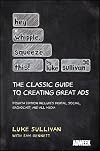
The advertising classic Hey Whipple, Squeeze This is subtitled The Classic Guide to Creating Great Ads, and while the Fourth Edition of this well-known book doesn't exactly tell you how to create great ads (I doubt any book could), it does offer a glimpse into the mind of one of advertising's uber-copywriters -- Luke Sullivan.
Sullivan is entertaining and clever, and the book reflects his more than three decades atop the advertising heap. At points, he tries to outline a method for developing show more great advertising, but in the end, you read a work like this for the perspective and insight on the work and the industry, not step-by-step tutorials.
Sullivan rose through the ranks during the "Golden" age of print, so it's not surprising he focuses largely on print advertising. Fortunately, he also covers emerging online media, broadcast, etc.
In fact, the chapter on radio was a favorite, though the section about online marketing was a disappointment -- it felt like little more than a recitation of all the standard online marketing/social media hype and buzzphrases we've been subjected to the last five years.
Copywriting now covers a lot more media channels than it used to, and Sullivan cops to that in later chapters by advising readers to avoid focusing on headlines or images, concentrating instead on ideas and concepts capable of spanning almost any media channel.
Along the way, Sullivan nicely illustrates his ideas with ads (many of which you'll recognize from the award books).
A warning to the ADHD folks reading this: "Hey Whipple..." is a long book and it took me a while to plow my way through it. At times it meanders and indulges, and at one point Sullivan describes the clients/co-workers you find in the business in less-than-flattering terms. It was funny, but mostly felt more like some bizarre form of payback rather than useful information.
"Hey Whipple..." is not without its faults, but there is quality here, and for those who think being a copywriter means typing SEO articles all day long, it provides a perspective on a more rarefied aspect of the profession.
It's useful (and too long and a little too indulgent), but it's a must-read for anyone thinking of building a career in the creative universe. More-established copywriters will also find a few goodies to reflect on, and overall, making this one of the better advertising/copywriting/creativity books you'll find. show less
Sullivan is entertaining and clever, and the book reflects his more than three decades atop the advertising heap. At points, he tries to outline a method for developing show more great advertising, but in the end, you read a work like this for the perspective and insight on the work and the industry, not step-by-step tutorials.
Sullivan rose through the ranks during the "Golden" age of print, so it's not surprising he focuses largely on print advertising. Fortunately, he also covers emerging online media, broadcast, etc.
In fact, the chapter on radio was a favorite, though the section about online marketing was a disappointment -- it felt like little more than a recitation of all the standard online marketing/social media hype and buzzphrases we've been subjected to the last five years.
Copywriting now covers a lot more media channels than it used to, and Sullivan cops to that in later chapters by advising readers to avoid focusing on headlines or images, concentrating instead on ideas and concepts capable of spanning almost any media channel.
Along the way, Sullivan nicely illustrates his ideas with ads (many of which you'll recognize from the award books).
A warning to the ADHD folks reading this: "Hey Whipple..." is a long book and it took me a while to plow my way through it. At times it meanders and indulges, and at one point Sullivan describes the clients/co-workers you find in the business in less-than-flattering terms. It was funny, but mostly felt more like some bizarre form of payback rather than useful information.
"Hey Whipple..." is not without its faults, but there is quality here, and for those who think being a copywriter means typing SEO articles all day long, it provides a perspective on a more rarefied aspect of the profession.
It's useful (and too long and a little too indulgent), but it's a must-read for anyone thinking of building a career in the creative universe. More-established copywriters will also find a few goodies to reflect on, and overall, making this one of the better advertising/copywriting/creativity books you'll find. show less
Lists
My List (1)
You May Also Like


Statistics
- Works
- 3
- Members
- 420
- Popularity
- #58,059
- Rating
- 3.8
- Reviews
- 12
- ISBNs
- 27
- Languages
- 1
