
Larry Zuckerman
Author of The Potato: How the Humble Spud Rescued the Western World
About the Author
Larry Zuckerman is the author of The Potato: How the Humble Spud Rescued the Western World, which has been translated into four languages. The British edition was the recipient of the Andre Simon Special Commendation Award, given annually to a book on culinary arts
Works by Larry Zuckerman
Tagged
Common Knowledge
Members
Reviews
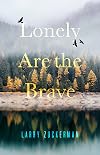
Rollie Birch returned to his home town of Lumberton, Washington after the Great War in 1919. He has returned as a war hero, but has a difficult position to return to. His wife, Tess, died while he was overseas and now Rollie has a newborn daughter to care for. Rollie dedicates all of his energy to raising Genevieve, deciding to quit the family construction business. Not everyone agrees with Rollie's actions, however. Harry Sorensen, Rollie's former commander, comes home and quickly show more denigrates Rollie's heroic acts. Kay, Harry's wife, tries to get to the truth of Harry's hatred of Rollie as she notices a change in Harry after returning from the War.
Lonely Are The Brave is a deeply thoughtful novel about societal expectations, honesty and living the life you want. The characters are amazingly created, realistic and easy to identify with. Rollie's situation is very different from the typical WWI story. As a male raising a daughter alone, he is challenged from many different sources. Rollie's story challenges the definition of a man. Kay's character challenges what it is to be a woman at the time. Harry simply wants her to be a figure for his campaign for office, Kay wants her opinions heard and to be an equal partner in his life, eventually deciding to do what is best for herself. I like that the suspense mounted in waves as Rollie and Kay discovered secrets that were kept from them while keeping the focus on the intricacies of the character's lives. The setting was also historically accurate, a small town after WWI where patriotism is at a high, Prohibition was already law in Washington and society has strict expectations for men and women set these characters up for an interesting journey.
This book was received for free in return for an honest review. show less
Lonely Are The Brave is a deeply thoughtful novel about societal expectations, honesty and living the life you want. The characters are amazingly created, realistic and easy to identify with. Rollie's situation is very different from the typical WWI story. As a male raising a daughter alone, he is challenged from many different sources. Rollie's story challenges the definition of a man. Kay's character challenges what it is to be a woman at the time. Harry simply wants her to be a figure for his campaign for office, Kay wants her opinions heard and to be an equal partner in his life, eventually deciding to do what is best for herself. I like that the suspense mounted in waves as Rollie and Kay discovered secrets that were kept from them while keeping the focus on the intricacies of the character's lives. The setting was also historically accurate, a small town after WWI where patriotism is at a high, Prohibition was already law in Washington and society has strict expectations for men and women set these characters up for an interesting journey.
This book was received for free in return for an honest review. show less
 This review was written for LibraryThing Early Reviewers.
This historical fiction novel is full of heart. The year is 1919 when protagonist Rollie Birch returns home from serving overseas in WWI. His plan is to use his woodworking skills to start a furniture business while also raising his infant daughter on his own, his wife having passed away while he was serving. Instantly he is judged for wanting to do "women's work", instead of hiring someone or looking for a new wife to take care of his daughter. Meanwhile, our other main character, Kay show more Sorenson, has mixed feelings about the return of her husband, Harry, who is also just coming back from the war. She's happy he's home, but fears that he will make her quit her job, which had given her a great sense of independence and accomplishment while he was away. Of course he does. Harry plans to go into politics, and it would be "unseemly" for his wife to work. He also begins spreading rumors about Rollie: that he was a poor soldier, insubordinate, and worse, that his daughter isn't even his. As tensions mount between Kay and Harry, she seeks out Rollie, to get his side of the story and to see if he can give any insight into why her husband has changed. And Rollie wants the truth about what his wife had done while he was away. The exchanged secrets are an eye opener for them both. They have a lot in common, and if they're willing to accept this connection, it may be just what they each need.
Each character in this novel really makes an impression. Rollie is so dedicated to being a great father, no matter how he is judged for it. So refreshing to read, especially in a historical setting. Kay is a strong and intelligent young woman, learning how to stand for herself and hoping to make the world a better place for all women. I also really enjoyed the sweet sibling relationship between Rollie and his sister Bonnie, as well as Kay's relationship with her father. This novel is well written, emotional, and feels real. It's about defying expectations and finding the strength within yourself. A compelling read. show less
Each character in this novel really makes an impression. Rollie is so dedicated to being a great father, no matter how he is judged for it. So refreshing to read, especially in a historical setting. Kay is a strong and intelligent young woman, learning how to stand for herself and hoping to make the world a better place for all women. I also really enjoyed the sweet sibling relationship between Rollie and his sister Bonnie, as well as Kay's relationship with her father. This novel is well written, emotional, and feels real. It's about defying expectations and finding the strength within yourself. A compelling read. show less
This review was written for LibraryThing Early Reviewers.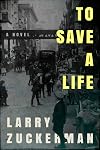
I love historical fiction, and I felt the author took me to the time of the early 1900s in New York City within the Jewish immigrant community. He gave the characters unique voices within a broad range of more orthodox individuals to those who were moderate. There was a lot going on--immigration from eastern Europe/Russia, struggling with earning a living, harsh labor practices, gangs, disease, lack of women's autonomy, language barriers, culture. The author wove this together into a story show more of a developing relationship within cultural boundaries between two young people. I felt overall this was well executed. It did seem to drag in the middle causing me to flip ahead, and the first chapter mentioned at least 15 characters (difficult to remember without taking notes, especially with European names). Often characters were referred to by either their first name or their last name randomly, giving me a moment's pause to refer to notes as to who the character was. I liked the Yiddish glossary at the end, and really enjoyed the musical references. I listened to some Scott Joplin on YouTube after the character was playing it on his piano. Thank you for letting me review this. show less
This review was written for LibraryThing Early Reviewers.A well researched book about the impact of World War I on returning veterans and they ones they left behind during war. Zuckerman has created believable and compelling characters and recounts their lives in a small lumber town in Washington state. The novel centers around the lives of Ollie, a widower who returns from war to raise a child alone, and Kay, who must learn to adapt to a husband changed by war. The writing is lyrical, and I found it reminiscent of writers such as Ron Rash and Pat show more Conroy. Highly recommend for lovers of historical fiction. show less
This review was written for LibraryThing Early Reviewers.Awards

You May Also Like


Associated Authors
Statistics
- Works
- 5
- Members
- 453
- Popularity
- #54,168
- Rating
- 3.7
- Reviews
- 22
- ISBNs
- 15
- Languages
- 2
