
Henry Hobhouse (1) (1924–2016)
Author of Seeds of Change: Six Plants That Transformed Mankind
For other authors named Henry Hobhouse, see the disambiguation page.
About the Author
Henry Hobhouse was born in Somerset, England in 1924 and educated at Eton. He worked as a journalist for The Economist, Daily Express, and the Wall Street Journal. He was one of the first directors of CBS-TV News
Works by Henry Hobhouse
Tagged
Common Knowledge
- Other names
- Hobhouse, Tom (usually known as)
- Birthdate
- 1924-12-26
- Date of death
- 2016-03-05
- Gender
- male
- Education
- Eton College
- Occupations
- farmer
teacher
journalist - Relationships
- Hobhouse, Janet (daughter)
- Nationality
- UK
- Birthplace
- Somerset, England, UK
- Associated Place (for map)
- England, UK
Members
Reviews

Just my sort of book : bit of history, bit of economics , bit of biology , all in a very readable enthusiastic mix. Best of all is the potato, explaining the whole of Irish history as consequence of the poverty of the soil (Recently chatted on the train to the son of an Irish farming family who confirmed the validity of this view). Sometimes Hobhouse got a bit of a twisted knicker, especially in the recently added chapter about cocaine. Just too many strands twisted together, as well as show more wandering off the main subject. show less

A personal and highly original take on the history of six commercial plants, Seeds of Change illuminates how sugar, tea, cotton, the potato, quinine, and the cocoa plant have shaped our past. In this fascinating account, the impassioned Henry Hobhouse explains the consequences of these plants with attention-grabbing historical moments. While most records of history focus on human influence, Hobhouse emphasizes how plants too are a central and influential factor in the historical process. show more Seeds of Change is a captivating and invaluable addition to our understanding of modern culture. show less
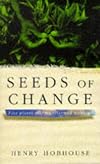
I loved this book - marvellously original and stimulating. Hobhouse presents history not from the normal standpoint of human leaders, its monarchs and generals, but from the perspective of world trade in 5 commodities: quinine, sugar, tea, cotton and the potato. He argues convincingly and with a wealth of anecdote that these products were the real driving forces of history.

Like many books, this one must be read on more than one level. The technical information is good, the economic information is clear and forthright, but what makes this so interesting is the way he develops the story around the human psychological aspect. Personally, I think this is one of the most important books that a history person could read. It should be required reading for every history teacher! (And for those who don't think sugar is addictive, try to find a way of living in the show more modern world without it. We are now making chemical sweetners; are these not the methadones of sugar??) show less
You May Also Like


Associated Authors
Statistics
- Works
- 6
- Members
- 651
- Popularity
- #38,782
- Rating
- 3.7
- Reviews
- 5
- ISBNs
- 28
- Languages
- 3