
Christin Ditchfield
Author of A Family Guide To Narnia: Biblical Truths in C.S. Lewis's The Chronicles of Narnia
About the Author
Christin Ditchfield is an accomplished educator, author, conference speaker, and syndicated radio host. She has written more than 60 books, many of them for children and families.
Image credit: via Goodreads
Series
Works by Christin Ditchfield
A Family Guide To Narnia: Biblical Truths in C.S. Lewis's The Chronicles of Narnia (2003) 432 copies, 2 reviews
Tagged
Common Knowledge
- Other names
- Ditichfield Lazo, Christin
- Gender
- female
- Occupations
- radio presenter
editor
teacher - Organizations
- Take It to Heart Ministries
Moody Radio Network
Members
Reviews
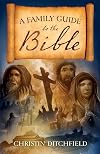
After coming to faith as an adult, outside of any structured church teaching, I stumbled around for a few years before I felt like I had a grasp on the basic doctrines of Christianity. I painstakingly pieced together bits of information I gleaned as I read the scriptures, cobbling together what I’d learned, going through periods of deep confusion and misunderstandings. I could have avoided so much of that if I’d had a copy of A Family Guide to the Bible by Christin Ditchfield.
Providing show more an entry-level overview and examination of the Bible, both as a whole, and book-by-book, Ditchfield has written a resource that is invaluable both for new Christians and those entering into times of family devotion and worship for the first time. A particular blessing to “first generation” Christians, Ditchfield clearly illuminates the thread of the gospel throughout Old Testament and New.
Ditchfield opens with a history of the Bible — dividing the 66 books into the typically held categories: Poetry, Historical, Prophetic ,etc. — and also touches briefly upon the Apocryphal books. While not in-depth by any stretch of the imagination, this taste of the Bible’s background is enough to get new Bible readers on their way. The authority of the Bible is then discussed in a separate short chapter, before delving into a broad-picture overview of the entire body of scripture.
Each book of the Bible then receives its own guide, containing some of the elements found in a good introduction (typically found in study Bibles) and some unique inclusions as well. Each book is introduced with a basic outline: The Book, The Author, The Audience, The Setting, and The Story. The next section — The Message — is incredibly valuable, summarizing the contents of the book. This section is replete with chapter and verse references built into the text itself for easy reference and is explicitly Christ-oriented, always keeping the gospel in mind as the book is read.
Each book is wrapped up with: More on This Story in the Bible, Words to Know, Did You Know?, and Making the Connection. Read together, Did You Know? and Making the Connection connect many themes found throughout the Bible, application of these in the believer’s life, and point out the relevance of the ancient events upon modern society. These connections can take some time and extensive research to unveil through independent study and are incredibly valuable.
After all 66 books of the Bible are covered, Ditchfield also provides chapters covering a wide range of introductory subjects relevant to those wanting to dig into the Word. How To Study the Bible discusses: choosing a Bible translation, useful Bible study references to obtain for your home library, how to use those references, tips for personal and family devotions, and Bible reading plans –- in short all the questions I had as a new believer wanting to dig into the scriptures for the first time!
Ditchfield’s selection of important stories and verses in the Bible is more comprehensive than many found commonly found in the back of Bibles by including verses for evangelism and what the Bible says about heaven. A standard selection of gray-scale Bible maps is included -– useful for those whose Bibles are bereft of maps, and a short list of further recommended resources is included for those wanting to flesh out their Bible study resource collection.
If only A Family Guide to the Bible had been in print when I first came to faith! It would have saved me from much stumbling, confusion, and the pestering questions I fired off at other believers as I tried to make sense of my new faith. As an introductory text, much of what Ditchfield presents will be familiar to those who’ve already had the opportunity to scour the scriptures for themselves, but for those of us who are just getting started, Ditchfield’s work is a God-send.
Reviewed at quiverfullfamily.com show less
Providing show more an entry-level overview and examination of the Bible, both as a whole, and book-by-book, Ditchfield has written a resource that is invaluable both for new Christians and those entering into times of family devotion and worship for the first time. A particular blessing to “first generation” Christians, Ditchfield clearly illuminates the thread of the gospel throughout Old Testament and New.
Ditchfield opens with a history of the Bible — dividing the 66 books into the typically held categories: Poetry, Historical, Prophetic ,etc. — and also touches briefly upon the Apocryphal books. While not in-depth by any stretch of the imagination, this taste of the Bible’s background is enough to get new Bible readers on their way. The authority of the Bible is then discussed in a separate short chapter, before delving into a broad-picture overview of the entire body of scripture.
Each book of the Bible then receives its own guide, containing some of the elements found in a good introduction (typically found in study Bibles) and some unique inclusions as well. Each book is introduced with a basic outline: The Book, The Author, The Audience, The Setting, and The Story. The next section — The Message — is incredibly valuable, summarizing the contents of the book. This section is replete with chapter and verse references built into the text itself for easy reference and is explicitly Christ-oriented, always keeping the gospel in mind as the book is read.
Each book is wrapped up with: More on This Story in the Bible, Words to Know, Did You Know?, and Making the Connection. Read together, Did You Know? and Making the Connection connect many themes found throughout the Bible, application of these in the believer’s life, and point out the relevance of the ancient events upon modern society. These connections can take some time and extensive research to unveil through independent study and are incredibly valuable.
After all 66 books of the Bible are covered, Ditchfield also provides chapters covering a wide range of introductory subjects relevant to those wanting to dig into the Word. How To Study the Bible discusses: choosing a Bible translation, useful Bible study references to obtain for your home library, how to use those references, tips for personal and family devotions, and Bible reading plans –- in short all the questions I had as a new believer wanting to dig into the scriptures for the first time!
Ditchfield’s selection of important stories and verses in the Bible is more comprehensive than many found commonly found in the back of Bibles by including verses for evangelism and what the Bible says about heaven. A standard selection of gray-scale Bible maps is included -– useful for those whose Bibles are bereft of maps, and a short list of further recommended resources is included for those wanting to flesh out their Bible study resource collection.
If only A Family Guide to the Bible had been in print when I first came to faith! It would have saved me from much stumbling, confusion, and the pestering questions I fired off at other believers as I tried to make sense of my new faith. As an introductory text, much of what Ditchfield presents will be familiar to those who’ve already had the opportunity to scour the scriptures for themselves, but for those of us who are just getting started, Ditchfield’s work is a God-send.
Reviewed at quiverfullfamily.com show less
In A Family Guide to the Bible, Christine Ditchfield recognizes that "We need to remember what an incredible privilege it is to hold in our hands the Word of God Himself, His message, His love letter to us--to be able to read it for ourselves, learn to understand it, and apply it to our own lives today" (19). She writes to foster this recognition among families.
A Family Guide to the Bible offers an intuitively structured look into studying the Bible. The book covers everything from the show more Bible's history, authority, and message to a brief overview of each individual book contained in the Bible. I particularly enjoyed the "Did you Know?" and "Making the Connection" sections that are included for many of the individual Biblical books. In particular, the connections drawn helped illuminate the relevance of the book to today.
The book reminded me a great deal of Henrietta Mears' classic What the Bible is all About. Overall, those who have been studying the Bible for a long time may find the book too basic as it's mainly a broad introduction. Alternatively, those just getting started with family Bible study or those looking for a fresh approach may find A Family Guide to the Bible to be a timely new resource. show less
A Family Guide to the Bible offers an intuitively structured look into studying the Bible. The book covers everything from the show more Bible's history, authority, and message to a brief overview of each individual book contained in the Bible. I particularly enjoyed the "Did you Know?" and "Making the Connection" sections that are included for many of the individual Biblical books. In particular, the connections drawn helped illuminate the relevance of the book to today.
The book reminded me a great deal of Henrietta Mears' classic What the Bible is all About. Overall, those who have been studying the Bible for a long time may find the book too basic as it's mainly a broad introduction. Alternatively, those just getting started with family Bible study or those looking for a fresh approach may find A Family Guide to the Bible to be a timely new resource. show less
 This review was written for LibraryThing Early Reviewers.
This Review is based on Advance Proofs Reading Copy
A Family Guide to the Bible aim is to assist parents everywhere who love the Bible as the authoritative Word of God to teach their children with confidence. Whether one is acquainted with “all the finer points of biblical theology” or not, grasping the message of the Bible is not an easy task, let alone explain it to children and grand children and perhaps to those who never heard of the Bible.
To help such people with the basics: show more what’s in the Bible, where to find it, and how it all fits together, A Family Guide to the Bible is divided into three main parts: “the History of the Bible” which explains the journey of the Bible we got today, “The Authority of the Bible” discussing how we know the Bible is the Word of God and how can we trust it, and “The Message of the Bible” which provides an overview of each book of the Bible from Genesis to Revelation.
With a reading level from grade 6 (depending on the country), this book is recommended to anyone looking for a simple and quick grasp of what the Bible is all about. Bringing the Bible story and message down to earth is mission accomplished for Christin Ditchfield. A Family Guide to the Bible gives adults and children a unique way of understanding and sharing the message of the Bible with conviction and confidence. Some might find the book very simplistic but it serves as a bridge to a further learning. To that end, the title of the book matches the content.
And finally, those who might have the perception that concordances, encyclopedias and Bible dictionaries are for pastors and seminary students will think again. Christin Ditchfield is right to acknowledge that to possess a Bible is a privilege. The Bible is not just a book; it is the very Word of God to humankind. It is God’s love letter to us therefore needs to be opened, read and believed (19). show less
A Family Guide to the Bible aim is to assist parents everywhere who love the Bible as the authoritative Word of God to teach their children with confidence. Whether one is acquainted with “all the finer points of biblical theology” or not, grasping the message of the Bible is not an easy task, let alone explain it to children and grand children and perhaps to those who never heard of the Bible.
To help such people with the basics: show more what’s in the Bible, where to find it, and how it all fits together, A Family Guide to the Bible is divided into three main parts: “the History of the Bible” which explains the journey of the Bible we got today, “The Authority of the Bible” discussing how we know the Bible is the Word of God and how can we trust it, and “The Message of the Bible” which provides an overview of each book of the Bible from Genesis to Revelation.
With a reading level from grade 6 (depending on the country), this book is recommended to anyone looking for a simple and quick grasp of what the Bible is all about. Bringing the Bible story and message down to earth is mission accomplished for Christin Ditchfield. A Family Guide to the Bible gives adults and children a unique way of understanding and sharing the message of the Bible with conviction and confidence. Some might find the book very simplistic but it serves as a bridge to a further learning. To that end, the title of the book matches the content.
And finally, those who might have the perception that concordances, encyclopedias and Bible dictionaries are for pastors and seminary students will think again. Christin Ditchfield is right to acknowledge that to possess a Bible is a privilege. The Bible is not just a book; it is the very Word of God to humankind. It is God’s love letter to us therefore needs to be opened, read and believed (19). show less
This review was written for LibraryThing Early Reviewers.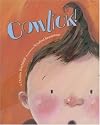
In my opinion, this is a great children's book. It's a story about a boy who gets licked at night by a cow and wakes up with a cowlick. The book has creative writing, language, and pictures.
The writing on each page flows because it rhymes in a jingle. When the cow is sneaking up the rhyme states "To the bedside she comes sneaking. Lifting covers, gently peeking." Each page has one line that describes a whole scene short and sweet. The author used a variety of adjectives that make the story show more more interesting. When describing the little boy sleeping the text says "Sees a face so soft and sweet. Framed with hair so smooth and neat." When the cow licks the boy it says "Sluuuurp!" written across the page. The author definitely did a good job at using descriptive words that make it seem more realistic.
The pictures represent what the text describes perfectly. If a student wasn't able read, they would understand the story line. In the begging, it says "clip-clop, clip-clop down the hall. Funny shadow on the wall," and it's shown with a cow tiptoeing and a shadow behind him on the wall. Every page describes an action of the cow, with a picture showing the action. The pictures look like the author painted the scenes. The pictures are simple but do a great job at telling the story. show less
The writing on each page flows because it rhymes in a jingle. When the cow is sneaking up the rhyme states "To the bedside she comes sneaking. Lifting covers, gently peeking." Each page has one line that describes a whole scene short and sweet. The author used a variety of adjectives that make the story show more more interesting. When describing the little boy sleeping the text says "Sees a face so soft and sweet. Framed with hair so smooth and neat." When the cow licks the boy it says "Sluuuurp!" written across the page. The author definitely did a good job at using descriptive words that make it seem more realistic.
The pictures represent what the text describes perfectly. If a student wasn't able read, they would understand the story line. In the begging, it says "clip-clop, clip-clop down the hall. Funny shadow on the wall," and it's shown with a cow tiptoeing and a shadow behind him on the wall. Every page describes an action of the cow, with a picture showing the action. The pictures look like the author painted the scenes. The pictures are simple but do a great job at telling the story. show less
Awards


You May Also Like


Statistics
- Works
- 73
- Members
- 2,232
- Popularity
- #11,494
- Rating
- 3.8
- Reviews
- 28
- ISBNs
- 197
- Languages
- 5
- Favorited
- 2
