
August Meier (1923–2003)
Author of From Plantation to Ghetto
About the Author
Image credit: August Meier (1923-2003) from Life in Legacy
Works by August Meier
Negro Thought in America, 1880-1915: Racial Ideologies in the Age of Booker T. Washington (1963) 81 copies, 1 review
The Making Of Black America: Essays in Negro Life and History (The Black Community in Modern America, Volume II) (1971) — Editor — 11 copies
Free Blacks in America, 1800-1860, (A Wadsworth series: explorations in the Black experience) (1971) — Editor — 8 copies
Associated Works
The Negro and the American Labor Movement, Edited by Julius Jacobson. (1968) — Contributor — 30 copies
American slavery: The question of resistance (A Wadsworth series: explorations in the Black experience) (1971) — Joint Comp., some editions — 8 copies
Beyond the Civil War Synthesis: Political Essays of the Civil War Era (Contributions in American History) (1975) — Contributor — 7 copies
Tagged
Common Knowledge
- Birthdate
- 1923-04-30
- Date of death
- 2003-03-19
- Gender
- male
- Education
- Oberlin College (AB | 1945)
Columbia University (AM | 1949)
Columbia University (PhD | 1957) - Organizations
- Southern Historical Association (president | 1992)
American Historical Association
American Anthropological Association
Association for the Study of Negro Life and History
Organization of American Historians
National Association for the Advancement of Colored People (show all 7)
Americans for Democratic Action - Nationality
- USA
- Birthplace
- New York, New York, USA
- Place of death
- New York, New York, USA
- Associated Place (for map)
- New York, New York, USA
Members
Reviews
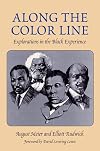
Along the Color Line is a diverse collection of essays by two of the most accomplished
historians of the modern African American experience, first published more than a quarter of a century ago.
This informed study addresses such topics as black nationalism, nonviolent action, the changing patterns
of interracial violence in the twentieth century, and the ways African American leaders have functioned
and coped with racism in their quest to ensure the rights of full citizenship for African show more Americans.
August Meier (April 30, 1923 – March 19, 2003) was a professor of history at
Kent State University and an author. He was a leading scholar on African American history.
Elliott M. Rudwick was a professor of Sociology and History as well as an author in the United States.
He wrote about African Americans and their history including W. E. B. Du Bois.
He corresponded with Du Bois. He also wrote about the East St. Louis riot of 1917 show less
historians of the modern African American experience, first published more than a quarter of a century ago.
This informed study addresses such topics as black nationalism, nonviolent action, the changing patterns
of interracial violence in the twentieth century, and the ways African American leaders have functioned
and coped with racism in their quest to ensure the rights of full citizenship for African show more Americans.
August Meier (April 30, 1923 – March 19, 2003) was a professor of history at
Kent State University and an author. He was a leading scholar on African American history.
Elliott M. Rudwick was a professor of Sociology and History as well as an author in the United States.
He wrote about African Americans and their history including W. E. B. Du Bois.
He corresponded with Du Bois. He also wrote about the East St. Louis riot of 1917 show less
Negro Thought in America, 1880-1915: Racial Ideologies in the Age of Booker T. Washington (Ann Arbor Paperbacks) by August Meier
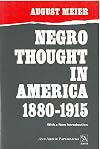
Chapters 3-7
Genovese points out in his review of Meier's book that Meier's most important contribution is the demonstration of a persistent quality in Negro life between integrationism and separatism and especially his probing examination of the specific forms and consequences of this duality (p. 760). Genovese called this duality "paradoxical," and at the same time it is the key to understanding black American ideology in the Age of Booker T. Washington. It would seem that Genovese has show more identified the key issue in this reading.
[Eugene D. Genovese. "The Past Reconsidered," review of Negro Thought in America by August Meier (and of From Plantation to Ghetto by August Meier and Elliot M. Rudwick), In The Nation 204 (June 12, 1967): 758-61. ]
What Genovese emphasizes insufficiently is that Meier stresses the central importance of Washington as a "man of his age." This position cuts both ways, for it not only makes of Washington a "representative man," but it also diminishes his originality. Reclaiming Washington as a "father" of black nationalism, Meier also maintains his critical distance. Booker T. Washington emerged out of an era in which philosophies of economic chauvinism and separate institutions were part of a larger complex of ideas involving self-help, race pride, and group solidarity, though it must be emphasized that such ideas were usually regarded as being a tactic in the struggle for ultimate citizenship. As a matter of fact, the themes of race pride and unity grew greatly in popularity during the 1880's and 1890 ' s ( p .50 ). It is in these decades when the black American history movement began, and it is in this period when the black American's association with African roots became a strong component of nascent black nationalism. And Meier demonstrates throughout Chapters 3 to 5 that separatism was the major tactic of these early black nationalists in achieving the ultimate goal of integration. ("Was it?" Asks Livingston)
In addressing the significance of Booker T. Washington in this context, he concentrates on the "rise of industrial education in Negro schools" (Chapter 6). Washington is usually associated with the rise of black industrial education, but Meier shows that by 1890 the ascendancy of industrial education had been established. Booker T. Washington was then one of the better known Negro educators, yet he had not yet achieved a real national recognition. His influence, therefore, was scarcely of Fundamental importance in creating the vogue for industrial education (p. 97). Industrial education functioned for Washington as a way of engineering a "compromise between the white north, the white south, and the Negro" (p. 98). By working with their hands, American blacks could both meet white expectations of them and better their own lot. They would serve as a skilled labor pool at the South. As Woodward might point out, industrial education suited the New South ideology as well as the colonial designs of Northern capitalists. The key at the South would be to avoid .an alliance "across the color bar," to put an end to the integrationist tendencies of Populism. Instead of taking this set of antagonisms head on, becoming a Populist, and repudiating America's anti-statist past (see Looking Backward), black Americans behaved "pragmatically." Perhaps Booker T. Washington belongs. with Abraham Lincoln among the "American revolutionaries" who, unlike the Jacobins and the Bolsheviks, did not repudiate the past but rather recognized the enormous potential for bringing about revolutionary change within the system (the same may hold true for historiographical revolutions).
Washington, as presented by Meier, thus provides a way out of the dilemma posed by regarding the Populists as the last gasp of democracy in America. That a tension between separatism .and integrationism is present in the thought of Booker T. Washington might come as a surprise to anyone who views Washington through the lens of the Civil Rights Movement's integrationist ideology. This is the type of distortion which Lawrence Goodwyn indulges in in his article for this week. Those Populists who sought to achieve black integration may not necessarily have touched upon the well-spring of black American nationalism. Those black Americans who sought to represent black interest in the manner of a quasi-syndicalist bloc the preeminent example being Booker T. Washington, may indeed represent the roots of black nationalism. If we yield to the temptation of the tyranny of hindsight, we may miss this. It would be truly "ironic" if corporate consolidation was both a cause and a result of the emergence of black nationalism. This was the case with the relationship between the emergence of organized labor and the corporate form of business organization (at least if Livingston is right in his Origins).
Other Readings:
Lawrence Levine, Black Culture and Black Consciousness: Afro- American Folk Thought from Slavery to Freedom (1977).
August Meier Reviews Levine's Black Culture
Peter Kolchin, Unfree Labor: American Slavery and Russian Serfdom (1987).
Nell Painter, Exodusters show less
Genovese points out in his review of Meier's book that Meier's most important contribution is the demonstration of a persistent quality in Negro life between integrationism and separatism and especially his probing examination of the specific forms and consequences of this duality (p. 760). Genovese called this duality "paradoxical," and at the same time it is the key to understanding black American ideology in the Age of Booker T. Washington. It would seem that Genovese has show more identified the key issue in this reading.
[Eugene D. Genovese. "The Past Reconsidered," review of Negro Thought in America by August Meier (and of From Plantation to Ghetto by August Meier and Elliot M. Rudwick), In The Nation 204 (June 12, 1967): 758-61. ]
What Genovese emphasizes insufficiently is that Meier stresses the central importance of Washington as a "man of his age." This position cuts both ways, for it not only makes of Washington a "representative man," but it also diminishes his originality. Reclaiming Washington as a "father" of black nationalism, Meier also maintains his critical distance. Booker T. Washington emerged out of an era in which philosophies of economic chauvinism and separate institutions were part of a larger complex of ideas involving self-help, race pride, and group solidarity, though it must be emphasized that such ideas were usually regarded as being a tactic in the struggle for ultimate citizenship. As a matter of fact, the themes of race pride and unity grew greatly in popularity during the 1880's and 1890 ' s ( p .50 ). It is in these decades when the black American history movement began, and it is in this period when the black American's association with African roots became a strong component of nascent black nationalism. And Meier demonstrates throughout Chapters 3 to 5 that separatism was the major tactic of these early black nationalists in achieving the ultimate goal of integration. ("Was it?" Asks Livingston)
In addressing the significance of Booker T. Washington in this context, he concentrates on the "rise of industrial education in Negro schools" (Chapter 6). Washington is usually associated with the rise of black industrial education, but Meier shows that by 1890 the ascendancy of industrial education had been established. Booker T. Washington was then one of the better known Negro educators, yet he had not yet achieved a real national recognition. His influence, therefore, was scarcely of Fundamental importance in creating the vogue for industrial education (p. 97). Industrial education functioned for Washington as a way of engineering a "compromise between the white north, the white south, and the Negro" (p. 98). By working with their hands, American blacks could both meet white expectations of them and better their own lot. They would serve as a skilled labor pool at the South. As Woodward might point out, industrial education suited the New South ideology as well as the colonial designs of Northern capitalists. The key at the South would be to avoid .an alliance "across the color bar," to put an end to the integrationist tendencies of Populism. Instead of taking this set of antagonisms head on, becoming a Populist, and repudiating America's anti-statist past (see Looking Backward), black Americans behaved "pragmatically." Perhaps Booker T. Washington belongs. with Abraham Lincoln among the "American revolutionaries" who, unlike the Jacobins and the Bolsheviks, did not repudiate the past but rather recognized the enormous potential for bringing about revolutionary change within the system (the same may hold true for historiographical revolutions).
Washington, as presented by Meier, thus provides a way out of the dilemma posed by regarding the Populists as the last gasp of democracy in America. That a tension between separatism .and integrationism is present in the thought of Booker T. Washington might come as a surprise to anyone who views Washington through the lens of the Civil Rights Movement's integrationist ideology. This is the type of distortion which Lawrence Goodwyn indulges in in his article for this week. Those Populists who sought to achieve black integration may not necessarily have touched upon the well-spring of black American nationalism. Those black Americans who sought to represent black interest in the manner of a quasi-syndicalist bloc the preeminent example being Booker T. Washington, may indeed represent the roots of black nationalism. If we yield to the temptation of the tyranny of hindsight, we may miss this. It would be truly "ironic" if corporate consolidation was both a cause and a result of the emergence of black nationalism. This was the case with the relationship between the emergence of organized labor and the corporate form of business organization (at least if Livingston is right in his Origins).
Other Readings:
Lawrence Levine, Black Culture and Black Consciousness: Afro- American Folk Thought from Slavery to Freedom (1977).
August Meier Reviews Levine's Black Culture
Peter Kolchin, Unfree Labor: American Slavery and Russian Serfdom (1987).
Nell Painter, Exodusters show less

Department of History, University of Hong Kong
Lists
Labor History (1)
Awards

You May Also Like


Associated Authors
Statistics
- Works
- 31
- Also by
- 4
- Members
- 691
- Popularity
- #36,610
- Rating
- 4.1
- Reviews
- 3
- ISBNs
- 44
- Languages
- 2