
Nelson Mandela (1918–2013)
Author of Long Walk to Freedom: The Autobiography of Nelson Mandela
About the Author
Nelson Mandela was born Rolihlahla Mandela on July 18, 1918 in Mvezo, South Africa. His teacher later named him Nelson as part of a custom to give all schoolchildren Christian names. He briefly attended University College of Fort Hare but was expelled after taking part in a protest with Oliver show more Tambo, with whom he later operated the nation's first black law firm. He eventually completed a bachelor's degree through correspondence courses and studied law at the University of Witwatersrand in Johannesburg. He left without graduating in 1948. Mandela was part of the African National Congress (ANC) and spent many years as a freedom fighter. When the South African government outlawed the ANC after the Sharpeville Massacre, he went underground to form a new military wing of the organization. In 1964, he was sentenced to life in prison for sabotage and conspiracy to overthrow the government. Instead of testifying at the trial, he opted to give a speech that was more than four hours long and ended with a defiant statement. While in prison, he received a bachelor's degree in law in absentia from the University of South Africa. In 1990, Mandela was released from prison after 27 years. He served as President of South Africa from 1994 to 1999, and was the first South African president to be elected in a fully representative democratic election. He was awarded the Nobel Peace Prize with former South African President F.W. de Klerk in 1993 for transitioning the nation from a system of racial segregation. After leaving the presidency, Mandela retired from active politics, but continued championing causes such as human rights, world peace and the fight against AIDS. He died on November 5, 2013 at the age of 95. (Bowker Author Biography) show less
Image credit: From "Public Papers of the Presidents of the United States" (1993), cropped
Series
Works by Nelson Mandela
"Die Morgenröte unserer Freiheit" : die Lebensgeschichte des Nelson Mandela (2002) — Associated Name — 8 copies
Un mondo senza apartheid 5 copies
Many cultures, one nation: Inauguration of the president of South Africa, 10 May 1994 (1994) 5 copies
Selected Speeches and Writings of Nelson Mandela: The End of Apartheid in South Africa (2010) 4 copies
O prisioneiro mais famoso do mundo 3 copies
Mijn memoires 1 copy
Nelson Mandela : eftertanker 1 copy
Lettere dal carcere 1 copy
Renewal and renaissance : towards a new world order : a lecture given in the Sheldonian Theatre, Oxford on 11 July 1997 (1997) 1 copy
The Guardian of the Pool: A Story From Nelson Mandela's Favorite African Folktales (2009) — Editor, some editions — 1 copy
De Lang Weg Naar de Vrijheid 1 copy
Associated Works
A Human Being Died That Night: A South African Woman Confronts the Legacy of Apartheid (2003) — Preface, some editions — 265 copies, 5 reviews
The Prince: The Secret Story of the World's Most Intriguing Royal, Prince Bandar bin Sultan (2006) — Foreword, some editions — 112 copies, 2 reviews
Speeches of Note: An Eclectic Collection of Orations Deserving of a Wider Audience (2018) — Narrator, some editions — 76 copies, 1 review
Letters from Robben Island: A Selection of Ahmed Kathrada's Prison Correspondence, 1964-1989 (1999) — Foreword — 38 copies, 1 review
The State vs. Nelson Mandela: The Trial that Changed South Africa (2007) — Preface — 37 copies, 1 review
Reconciliation through Truth: A Reckoning of Apartheid's Criminal Governance (1996) — Foreword — 15 copies
A Simple Freedom: The Strong Mind of Robben Island Prisoner, No. 468/64 (2008) — Introduction — 9 copies
The Human Rights of Street and Working Children: A Practical Manual for Advocates (1998) — Foreword — 8 copies
Building a New South Africa: Science and Technology Policy v. 3 (1995) — Foreword, some editions — 2 copies
Let Africa Lead (African Transformational Leadership for 21st century Business) (2005) — Foreword — 2 copies
Art Against Apartheid: 78 Artists from the 80's — Introduction — 1 copy
Tagged
Common Knowledge
- Canonical name
- Mandela, Nelson
- Legal name
- Mandela, Nelson Rolihlahla
- Other names
- Madiba
- Birthdate
- 1918-07-18
- Date of death
- 2013-12-05
- Gender
- male
- Education
- University of South Africa (LLB|1989)
University of London
Fort Hare University (BA|1943)
University of the Witwatersrand - Occupations
- lawyer
President of South Africa (1994-1999) - Organizations
- African National Congress
- Awards and honors
- Nobel Prize (Peace ∙ 1993)
Congressional Gold Medal (1998)
Freedom of the City, Oxford, UK (1997)
Freedom of the City, Glasgow, UK (1981)
Freedom of the City, Salford, UK (2005)
Jawaharlal Nehru Award (1980) (show all 18)
Bruno Kreisky Award (1981)
Franklin Delano Roosevelt Freedom Medal (2002)
Queen Elizabeth II Golden Jubilee Medal (2002)
Presidential Medal of Freedom (2002)
Order of the Gold Lion of the House of Nassau (Knight ∙ 1999)
Order of Prince Yaroslav the Wise (1999)
Royal Norwegian Order of St Olav (Knight Grand Cross ∙ 1998)
Order of the Seraphim (Knight ∙ 1997)
Collar of the Nile (1997)
Order of the Elephant (Knight ∙ 1996)
National Order of Mali (Grande Croix ∙ 1996)
Order of Mapungubwe (2002) - Relationships
- Mandela, Winnie (ex-wife)
Machel, Graca (wife) - Nationality
- South Africa
- Birthplace
- Mvezo, South Africa
- Places of residence
- Robben Island, South Africa
Qunu, South Africa
Johannesburg, South Africa - Place of death
- Johannesburg, South Africa
- Map Location
- South Africa
Members
Discussions
Nelson Mandela's Long Walk to Freedom in 2014 Category Challenge (April 2014)
Nelson Mandela in Happy Heathens (December 2013)
Nelson Mandela RIP in Let's Talk Religion (December 2013)
Nelson Mandela in Easton Press Collectors (December 2013)
Reviews
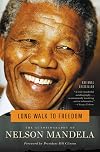
4.5 stars, this is an incredible journey through the life of a fully human man - and he knows that about himself. I love that he was always exactly himself, never overly moral, but devoted to his cause. You can tell he struggled with what he made his priority - putting his activism over his family, but he was at peace with his choices. This is excellent, and I saw a few parallels to the Autobiography of Malcolm X, in their thoughts on activism and life priorities. Mandela is certainly my show more favorite of the two. show less
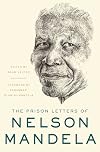
Great historical context before each letter. Amazed with each atrocity, each time the goal post was moved, to read the words of a man who maintained his calm. Mandela's eloquence was no surprise, but his constant hopefulness and refusal to give in to hate and bitterness was. By showing a more detailed account of what was done by the South African government around each correspondence - Mandela's strength becomes even more clear.
If we do nothing else for those who suffer for a cause, we must at least bear witness and say, I have seen, and understood.
Many people the world over have waxed prolific and poetic on this book, and all that is left to say is, it is a must-read for anyone who cares about anything at all in this world. This struggle cannot be dismissed as a partisan "engagement". It is not just about apartheid; it is not about fighting a harsh regime; it is not about man's inhumanity to man -- and all that show more "stuff" that so many readily dismiss, once the book is shelved again.
It is about one man, walking, and holding his head up despite everything that was thrown upon his shoulders. It is how to preserve dignity, strength and integrity -- and have the moral constitution to wake up to it day after day after day, for the entire course of his life. It's easy to maintain a posture for a day or a week or a month; but to hold on to it for a lifetime -- that is a strength that only a very few can maintain.
To emerge out of the darkness of his prison, of his life, and still shine with hope for humanity -- and faith that goodness will prevail -- leaves me speechless. show less
Many people the world over have waxed prolific and poetic on this book, and all that is left to say is, it is a must-read for anyone who cares about anything at all in this world. This struggle cannot be dismissed as a partisan "engagement". It is not just about apartheid; it is not about fighting a harsh regime; it is not about man's inhumanity to man -- and all that show more "stuff" that so many readily dismiss, once the book is shelved again.
It is about one man, walking, and holding his head up despite everything that was thrown upon his shoulders. It is how to preserve dignity, strength and integrity -- and have the moral constitution to wake up to it day after day after day, for the entire course of his life. It's easy to maintain a posture for a day or a week or a month; but to hold on to it for a lifetime -- that is a strength that only a very few can maintain.
To emerge out of the darkness of his prison, of his life, and still shine with hope for humanity -- and faith that goodness will prevail -- leaves me speechless. show less

Wanneer je aan een biografie van Mandela begint, weet je dat het verhaal iets anders zal gaan dan wanneer je Keith Richards of Gijp leest. Mandela fascineert me al vele jaren, graag duik ik in zijn eigen verhaal. In het voorwoord blijkt al dat dat niet helemaal klopt. Toen hij president werd, maakte hij vele aantekeningen, het uitwerken kwam hij niet meer aan toe. Mandla Langa heeft er een boek van gemaakt. Maar al snel raak ik in verwarring. Wanneer is Langa aan het woord en wanneer show more Mandela? Het is niet de biografie die ik verwachtte, het is een boek over Mandela waarin hij zelf aan het woord komt. Nuanceverschil.
Tweede tegenvaller bleek de zwaarte van de tekst. Dit is geen leesboek, dit is een naslagwerk. De hoeveelheid voetnoten werd alleen overtroffen door de eindnoten, bijna 600 in totaal, alleen al daarvoor zijn meer dan 20 bladzijden nodig. Het was even een opgave om het boek door te werken. Maar toen ik me daarop eenmaal had ingesteld, wist waaraan ik was begonnen, was het vooral erg boeiend om te lezen over de jaren dat Mandela het nieuwe Zuid-Afrika mocht opbouwen.
Omdat het over vrij recente geschiedenis gaat, weet je automatisch iets meer dan wanneer je over andere historische politici leest. Daarbij reisde ik ooit een paar weken door zijn land. Maar zijn prestatie kan niet genoeg geprezen worden. Niet alleen werd hij president na drie decennia in de gevangenis te hebben gezeten, hij moest het hele land omvormen. Meer dan dat, als je leest over het opbouwen van een ambtenarenapparaat, over het samenvoegen van voorheen op voet van oorlog verkerende strijdtroepen, over zijn bewust gekozen brede regenboogcoalitie, dan zie je wat een ongelooflijke prestatie Mandela heeft geleverd.
Het boek beschrijft tot in details over de opbouw van het nieuwe Zuid-Afrika, soms tot aan vervelens toe, vele ministers zijn niet meer dan een voetnoot in de geschiedenis, maar krijgen toch een alinea, een bladzijde. Voeg dat samen met de bijna wetenschappelijke benadering van de schrijver, men zal snappen dat dit niet een boek is voor naast het zwembad tijdens een zomervakantie.
Met afstand het meest indrukwekkende hoofdstuk was het verhaal van de verzoening. Mandela begreep dat hij het land in een burgeroorlog zou storten wanneer hij meteen na de afschaffing van de apartheid namens de zwarte meerderheid alle macht naar zich toe zou trekken. Want ook al was de blanke bevolking een kleine minderheid, de economische macht, het opleidingsniveau, de militaire kracht, alles was terug te vinden bij die kleine groep. Hij had die groep dus nodig. En dus ging hij om tafel met de politici die hem hadden opgesloten. Liet hij de rechtspraak aan corrupte rechters die volgens nieuwe, grotendeels nog te ontwerpen wetten, moesten rechtspreken. Racistische politiemensen behielden hun baan. Een waarheids- en verzoeningscommissie moest in kaart brengen welke misdaden er allemaal waren gepleegd in naam van de Apartheid. Maar dankzij een ruimhartige amnestie konden velen een straf ontlopen. Juist deze niet eenvoudige verzoening zorgde ervoor dat Zuid-Afrika een nieuw land werd voor alle inwoners, een land met veel problemen, maar desalniettemin een eenheid. Een wankele eenheid, maar toch. In mijn beleving was dit de enige juiste beslissing, de enige mogelijke manier om verder te gaan. Juist daarom zal er over twee eeuwen nog over Mandela gesproken worden, in tegenstelling tot de Trumps, Putins en Erdogans van deze wereld die het niet begrepen hebben. In zijn eigen woorden: “Goede leiders zijn zich er volkomen van bewust dat het wegnemen van spanningen in een samenleving, van welke aard dan ook, creatieve denkers alle ruimte geeft door een ideale omgeving te scheppen voor mannen en vrouwen met een visie die invloed kan hebben op de samenleving. Extremisten gedijen daarentegen bij spanning en onderling wantrouwen. Helder denken en goed plannen is nooit hun wapen geweest.” (p.84)
Mooi boek, al is het geen eenvoudig te lezen boek. Maar dat is eigenlijk ook vrij logisch. De conversie van Apartheid naar eenheid kan nooit in Jip- en Janneke taal worden beschreven.
Citaat: “Onze emoties zeiden: ‘De witte minderheid is de een vijand. We moeten nooit met ze praten.’ Maar ons verstand zei: ‘Als je niet met deze man praat, zal ons land in vlammen opgaan en zal dit land nog vele jaren overspoeld worden door de rivieren van bloed.’ We moesten dat conflict dus oplossen, en dat we met de vijand zijn gaan praten, kwam doordat we ons verstand lieten domineren over onze emoties.” (p.234) show less
Tweede tegenvaller bleek de zwaarte van de tekst. Dit is geen leesboek, dit is een naslagwerk. De hoeveelheid voetnoten werd alleen overtroffen door de eindnoten, bijna 600 in totaal, alleen al daarvoor zijn meer dan 20 bladzijden nodig. Het was even een opgave om het boek door te werken. Maar toen ik me daarop eenmaal had ingesteld, wist waaraan ik was begonnen, was het vooral erg boeiend om te lezen over de jaren dat Mandela het nieuwe Zuid-Afrika mocht opbouwen.
Omdat het over vrij recente geschiedenis gaat, weet je automatisch iets meer dan wanneer je over andere historische politici leest. Daarbij reisde ik ooit een paar weken door zijn land. Maar zijn prestatie kan niet genoeg geprezen worden. Niet alleen werd hij president na drie decennia in de gevangenis te hebben gezeten, hij moest het hele land omvormen. Meer dan dat, als je leest over het opbouwen van een ambtenarenapparaat, over het samenvoegen van voorheen op voet van oorlog verkerende strijdtroepen, over zijn bewust gekozen brede regenboogcoalitie, dan zie je wat een ongelooflijke prestatie Mandela heeft geleverd.
Het boek beschrijft tot in details over de opbouw van het nieuwe Zuid-Afrika, soms tot aan vervelens toe, vele ministers zijn niet meer dan een voetnoot in de geschiedenis, maar krijgen toch een alinea, een bladzijde. Voeg dat samen met de bijna wetenschappelijke benadering van de schrijver, men zal snappen dat dit niet een boek is voor naast het zwembad tijdens een zomervakantie.
Met afstand het meest indrukwekkende hoofdstuk was het verhaal van de verzoening. Mandela begreep dat hij het land in een burgeroorlog zou storten wanneer hij meteen na de afschaffing van de apartheid namens de zwarte meerderheid alle macht naar zich toe zou trekken. Want ook al was de blanke bevolking een kleine minderheid, de economische macht, het opleidingsniveau, de militaire kracht, alles was terug te vinden bij die kleine groep. Hij had die groep dus nodig. En dus ging hij om tafel met de politici die hem hadden opgesloten. Liet hij de rechtspraak aan corrupte rechters die volgens nieuwe, grotendeels nog te ontwerpen wetten, moesten rechtspreken. Racistische politiemensen behielden hun baan. Een waarheids- en verzoeningscommissie moest in kaart brengen welke misdaden er allemaal waren gepleegd in naam van de Apartheid. Maar dankzij een ruimhartige amnestie konden velen een straf ontlopen. Juist deze niet eenvoudige verzoening zorgde ervoor dat Zuid-Afrika een nieuw land werd voor alle inwoners, een land met veel problemen, maar desalniettemin een eenheid. Een wankele eenheid, maar toch. In mijn beleving was dit de enige juiste beslissing, de enige mogelijke manier om verder te gaan. Juist daarom zal er over twee eeuwen nog over Mandela gesproken worden, in tegenstelling tot de Trumps, Putins en Erdogans van deze wereld die het niet begrepen hebben. In zijn eigen woorden: “Goede leiders zijn zich er volkomen van bewust dat het wegnemen van spanningen in een samenleving, van welke aard dan ook, creatieve denkers alle ruimte geeft door een ideale omgeving te scheppen voor mannen en vrouwen met een visie die invloed kan hebben op de samenleving. Extremisten gedijen daarentegen bij spanning en onderling wantrouwen. Helder denken en goed plannen is nooit hun wapen geweest.” (p.84)
Mooi boek, al is het geen eenvoudig te lezen boek. Maar dat is eigenlijk ook vrij logisch. De conversie van Apartheid naar eenheid kan nooit in Jip- en Janneke taal worden beschreven.
Citaat: “Onze emoties zeiden: ‘De witte minderheid is de een vijand. We moeten nooit met ze praten.’ Maar ons verstand zei: ‘Als je niet met deze man praat, zal ons land in vlammen opgaan en zal dit land nog vele jaren overspoeld worden door de rivieren van bloed.’ We moesten dat conflict dus oplossen, en dat we met de vijand zijn gaan praten, kwam doordat we ons verstand lieten domineren over onze emoties.” (p.234) show less
Lists
Black Authors (2)
Favourite Books (1)
Read These Too (1)
Favourite Books (1)
BitLife (1)
Awards


You May Also Like


Associated Authors
Statistics
- Works
- 76
- Also by
- 42
- Members
- 9,024
- Popularity
- #2,664
- Rating
- 4.2
- Reviews
- 120
- ISBNs
- 379
- Languages
- 21
- Favorited
- 5