
Mika Waltari (1908–1979)
Author of The Egyptian
About the Author
Born in Helsinki, Waltari went to Paris after receiving a university education. He published his first volume of poetry at 17. At the age of 20, his second novel, The Great Illusion (1928), brought him general recognition. Waltari returned to Helsinki from Paris in 1929 and continued to write show more poems, plays, novels, and fairy tales, a total of 80 texts during the next 20 years. The Egyptian (1945), a worldwide success, brought Waltari into prominence in other countries. His three-volume historical novel From Father to Son (1942) won the national Literary Prize and was filmed and translated into 14 languages. Unfortunately, 11 English translations of Waltari's work are out of print. (Bowker Author Biography) show less
Series
Works by Mika Waltari
Aiotko kirjailijaksi? : tuttavallista keskustelua kaikesta siitä, mitä nuoren kirjailijan tulee tietää (1935) 29 copies
Neuvostovakoilun varjossa : Helsingin neuvostolähetystö kiihoitus- ja vakoilutoiminnan keskuksena (1942) 9 copies
Turms, kuolematon : hänen mainen elämänsä noin 520-480 e.KR. kymmenä kirjana. Edellinen nide 9 copies
Turms, kuolematon : hänen mainen elämänsä noin 520-480 e.KR. kymmenenä kirjana. Jälkimmäinen nide 8 copies
Nuori Johannes ; Johannes Angelos : hänen päiväkirjansa Konstantinopolin valloituksesta v. 1453 Kristuksen maailmanajan päättyessä (1981) 6 copies
ANTERO EI ENÄÄ PALAA 6 copies
Krwawy ślad . Niebezpieczna gra. 5 copies
Mika Waltarin teoksia : Vieras mies tuli taloon : Ei koskaan huomispäivää : Jokin ihmisessä : Kultakutri : Fine van Brooklyn (1978) 5 copies
Obras de Mika Waltari (I) 4 copies
Mies ja haave : romaani 4 copies
Muukalaislegioona : runoja 3 copies
Sielu ja liekki : romaani 3 copies
Paisaje lunar. El día de mañana nunca llegará. El último crepúsculo. Traducción de Antonio Samons, Úrsula Lindstrom y Esteban… (1967) 3 copies
Pařížská kravata 3 copies
Obras de Mika Waltari (II) 2 copies
Õispuu 2 copies
Reina por un dìa 2 copies
TULEVAISUUDEN TIELLÄ 2 copies
Obras de Mika Waltari (III) 2 copies
La paloma blanca 2 copies
KUOLLEEN SILMÄT 2 copies
22.30-pikajuna Viipuriin 2 copies
Runoja 1925-1945 2 copies
Hämeenlinnan kaunotar 2 copies
Keisari ja senaattori 1 copy
Ὁ Αἰγύπτιος 1 copy
Palmu felügyelõ tévedése 1 copy
Sinué el egipcio 1 copy
Komisár Palmu 1 copy
Megmondták a csillagok 1 copy
Sinouhé L'Egyptien Tome I 1 copy
Sinouhé L'Egyptien Tome II 1 copy
Il podere 1 copy
Sinuhé el egipcio 1 copy
Kuldkihar 1 copy
Pikajuna Viipuriin 1 copy
Sunuhé, el Egipcio 1 copy
Egipcio 1 copy
" Imperatorskiĭ vsadnik". 1 copy
Tumšais enģelis 1 copy
Kotikaupunkimme Helsinki 1 copy
Mikael Hakim 1 copy
Valtakunnan salaisuus I 1 copy
PORTTI PIMEÄÄN 1 copy
Vacaciones en Carnac - Una muchacha llamada Osmi - Juego peligroso - La reina del baile imperial 1 copy
Una muchacha llamada Osmi 1 copy
Palava nuoruus : romaani 1 copy
Valtakunnan salaisuus II 1 copy
Mikael 1 copy
Tants üle haudade 1 copy
La spirale dei sogni 1 copy
Paisaje lunar 1 copy
MAA ON IKUINEN 1 copy
Lutalica 1 copy
El Último crepúsculo 1 copy
Siyah Melek 1 copy
Szinuhe 1 copy
NELJÄ PÄIVÄNLASKUA 1 copy
Associated Works
The Dedalus Book of Finnish Fantasy (Dedalus Literary Fantasy Anthologies) (2012) — Contributor — 124 copies, 3 reviews
Tagged
Common Knowledge
- Canonical name
- Waltari, Mika
- Legal name
- Waltari, Mika Toimi
- Other names
- Korppi, Kristian (pen name)
Nauticus (pen name)
Ritvala, M. (pen name) - Birthdate
- 1908-09-19
- Date of death
- 1979-08-26
- Gender
- male
- Education
- University of Helsinki (BA|1929)
- Occupations
- poet
writer
journalist
critic - Organizations
- Tulenkantajat
Suomen Kuvalehti
Suomen Akatemia - Awards and honors
- Aleksis Kiven palkinto (1947)
Pro Finlandia -mitali (1952)
Finnish Academy of Science and Letters (1957)
Finnish State Literary Award (1933, 1934, 1936, 1949, 1953) - Relationships
- Waltari, Satu (daughter)
Elstelä, Joel (grandson) - Nationality
- Finland
- Birthplace
- Helsinki, Finland
- Places of residence
- Helsinki, Finland
- Place of death
- Helsinki, Finland
- Burial location
- Hietaniemi cemetery, Helsinki, Finland
- Associated Place (for map)
- Helsinki, Finland
Members
Reviews
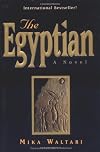
“My name was once inscribed in Pharaoh’s golden book, and I dwelt at his right hand. My words outweighed those of the mighty in the land of Kem; nobles sent me gifts, and chains of gold were hung about my neck. I possessed all that a man can desire, but like a man I desired more—therefore, I am what I am. I was driven from Thebes in the sixth year of the reign of Pharaoh Horemheb, to be beaten to death like a cur if I returned—to be crushed like a frog between the stones if I took show more one step beyond the area prescribed for my dwelling place. This is by command of the King, of Pharaoh who was once my friend.”
First published in Finland in 1945, this novel is a sweeping classic historical saga that tells the story of Sinuhe, an Egyptian physician. He is writing his life story from an older age while living in exile. He starts at the beginning of his life, as an orphan adopted by a doctor and his wife. He tells of his family, adventures, journeys, wars, friendships, and relationships. He ends with how he became exiled. His story features real Egyptian leaders, such as Amenhotep III, Nefertiti, Horemheb, Eie, and Tutankhamun.
In addition to following Sinhue’s journeys, it depicts the rise and fall of Pharoah Akhnaton (Amenhotep IV). Akhnaton changed the primary Egyptian religion from Amon and the traditional gods, to Aton, the sun god and only god. This change to monotheism created much disruption, upheaval, and violence. It is ironic since Aton was supposed to be a god of peace. It reflects the ways in which wars tend to surface despite peaceful intentions.
It is an engaging story with deeply drawn characters, expressive writing, and emotional ups and downs. The first half reminds me a bit of The Odyssey, where the main character travels by ship and surmounts many obstacles, though The Egyptian is fully set in the real world and does not employ actions by mythological creatures. A bit of humor is introduced through the antics of Sinuhe’s slave, Kaptah. Over the course of the story, they form a close friendship.
Through Sinuhe’s adventures, the reader feels immersed in the customs, culture, religious beliefs, medical practices, politics, and society of ancient Egypt and the surrounding regions. He encounters people from Syria, Mitanni, Hattusa, Babylon, and Crete. It would have been even more enjoyable if it were shorter (the war scenes become a bit much after a while) but is definitely worth reading and highly recommended. This book was made into a Hollywood film in 1954.
4.5 show less
First published in Finland in 1945, this novel is a sweeping classic historical saga that tells the story of Sinuhe, an Egyptian physician. He is writing his life story from an older age while living in exile. He starts at the beginning of his life, as an orphan adopted by a doctor and his wife. He tells of his family, adventures, journeys, wars, friendships, and relationships. He ends with how he became exiled. His story features real Egyptian leaders, such as Amenhotep III, Nefertiti, Horemheb, Eie, and Tutankhamun.
In addition to following Sinhue’s journeys, it depicts the rise and fall of Pharoah Akhnaton (Amenhotep IV). Akhnaton changed the primary Egyptian religion from Amon and the traditional gods, to Aton, the sun god and only god. This change to monotheism created much disruption, upheaval, and violence. It is ironic since Aton was supposed to be a god of peace. It reflects the ways in which wars tend to surface despite peaceful intentions.
It is an engaging story with deeply drawn characters, expressive writing, and emotional ups and downs. The first half reminds me a bit of The Odyssey, where the main character travels by ship and surmounts many obstacles, though The Egyptian is fully set in the real world and does not employ actions by mythological creatures. A bit of humor is introduced through the antics of Sinuhe’s slave, Kaptah. Over the course of the story, they form a close friendship.
Through Sinuhe’s adventures, the reader feels immersed in the customs, culture, religious beliefs, medical practices, politics, and society of ancient Egypt and the surrounding regions. He encounters people from Syria, Mitanni, Hattusa, Babylon, and Crete. It would have been even more enjoyable if it were shorter (the war scenes become a bit much after a while) but is definitely worth reading and highly recommended. This book was made into a Hollywood film in 1954.
4.5 show less

“My name was once inscribed in Pharaoh’s golden book, and I dwelt at his right hand. My words outweighed those of the mighty in the land of Kem; nobles sent me gifts, and chains of gold were hung about my neck. I possessed all that a man can desire, but like a man I desired more—therefore, I am what I am. I was driven from Thebes in the sixth year of the reign of Pharaoh Horemheb, to be beaten to death like a cur if I returned—to be crushed like a frog between the stones if I took show more one step beyond the area prescribed for my dwelling place. This is by command of the King, of Pharaoh who was once my friend.”
First published in Finland in 1945, this novel is a sweeping classic historical saga that tells the story of Sinuhe, an Egyptian physician. He is writing his life story from an older age while living in exile. He starts at the beginning of his life, as an orphan adopted by a doctor and his wife. He tells of his family, adventures, journeys, wars, friendships, and relationships. He ends with how he became exiled. His story features real Egyptian leaders, such as Amenhotep III, Nefertiti, Horemheb, Eie, and Tutankhamun.
In addition to following Sinhue’s journeys, it depicts the rise and fall of Pharoah Akhnaton (Amenhotep IV). Akhnaton changed the primary Egyptian religion from Amon and the traditional gods, to Aton, the sun god and only god. This change to monotheism created much disruption, upheaval, and violence. It is ironic since Aton was supposed to be a god of peace. It reflects the ways in which wars tend to surface despite peaceful intentions.
It is an engaging story with deeply drawn characters, expressive writing, and emotional ups and downs. The first half reminds me a bit of The Odyssey, where the main character travels by ship and surmounts many obstacles, though The Egyptian is fully set in the real world and does not employ actions by mythological creatures. A bit of humor is introduced through the antics of Sinuhe’s slave, Kaptah. Over the course of the story, they form a close friendship.
Through Sinuhe’s adventures, the reader feels immersed in the customs, culture, religious beliefs, medical practices, politics, and society of ancient Egypt and the surrounding regions. He encounters people from Syria, Mitanni, Hattusa, Babylon, and Crete. It would have been even more enjoyable if it were shorter (the war scenes become a bit much after a while) but is definitely worth reading and highly recommended. This book was made into a Hollywood film in 1954.
4.5 show less
First published in Finland in 1945, this novel is a sweeping classic historical saga that tells the story of Sinuhe, an Egyptian physician. He is writing his life story from an older age while living in exile. He starts at the beginning of his life, as an orphan adopted by a doctor and his wife. He tells of his family, adventures, journeys, wars, friendships, and relationships. He ends with how he became exiled. His story features real Egyptian leaders, such as Amenhotep III, Nefertiti, Horemheb, Eie, and Tutankhamun.
In addition to following Sinhue’s journeys, it depicts the rise and fall of Pharoah Akhnaton (Amenhotep IV). Akhnaton changed the primary Egyptian religion from Amon and the traditional gods, to Aton, the sun god and only god. This change to monotheism created much disruption, upheaval, and violence. It is ironic since Aton was supposed to be a god of peace. It reflects the ways in which wars tend to surface despite peaceful intentions.
It is an engaging story with deeply drawn characters, expressive writing, and emotional ups and downs. The first half reminds me a bit of The Odyssey, where the main character travels by ship and surmounts many obstacles, though The Egyptian is fully set in the real world and does not employ actions by mythological creatures. A bit of humor is introduced through the antics of Sinuhe’s slave, Kaptah. Over the course of the story, they form a close friendship.
Through Sinuhe’s adventures, the reader feels immersed in the customs, culture, religious beliefs, medical practices, politics, and society of ancient Egypt and the surrounding regions. He encounters people from Syria, Mitanni, Hattusa, Babylon, and Crete. It would have been even more enjoyable if it were shorter (the war scenes become a bit much after a while) but is definitely worth reading and highly recommended. This book was made into a Hollywood film in 1954.
4.5 show less
"هیچ خدایی نمی تواند جهالت انسان را از بین ببرد"
تعریف این کتاب زیبا رو سال ها پیش از پدرم شنیده بودم و بعدها یکی از معلم های راهنماییم بهم گفت که هر موقع رفتی دانشگاه، بخون. با اختلاف چند ساله خونده شد و برای من تجربه ای بود از اتفاقات پر فراز و نشیب، با انواع احساسات متفاوت. show more
سینوهه در اول کتاب، خسته از خدایان و حاکمان، مشغول نوشتن کتاب و توصیف زندگی خودش می شه. و این داستانی شنیدنی می شه برای ساعت ها صحبت از انسان دوستی، رفاقت، زندگی در کنار فراعنه و مردم محروم، و نهایتا فریب و سو استفاده مستمر و مداوم از مردم و باورهاشون.
"احتمالا شما هم معرکه گیرهای ژنده پوشی را دیده اید که در کمال فقر از طلا و نقره، گشاده دستی و فراوانی نعمت ها حرف می زنند. به اطرافیان معرکه خود وعده گنج می دهند و مردم شیفته سخنان آنان می شوند. همیشه از دروغ نفرت داشته ام." show less
تعریف این کتاب زیبا رو سال ها پیش از پدرم شنیده بودم و بعدها یکی از معلم های راهنماییم بهم گفت که هر موقع رفتی دانشگاه، بخون. با اختلاف چند ساله خونده شد و برای من تجربه ای بود از اتفاقات پر فراز و نشیب، با انواع احساسات متفاوت. show more
سینوهه در اول کتاب، خسته از خدایان و حاکمان، مشغول نوشتن کتاب و توصیف زندگی خودش می شه. و این داستانی شنیدنی می شه برای ساعت ها صحبت از انسان دوستی، رفاقت، زندگی در کنار فراعنه و مردم محروم، و نهایتا فریب و سو استفاده مستمر و مداوم از مردم و باورهاشون.
"احتمالا شما هم معرکه گیرهای ژنده پوشی را دیده اید که در کمال فقر از طلا و نقره، گشاده دستی و فراوانی نعمت ها حرف می زنند. به اطرافیان معرکه خود وعده گنج می دهند و مردم شیفته سخنان آنان می شوند. همیشه از دروغ نفرت داشته ام." show less
This just misses five stars--because it took me a long time to warm up to the Sinuhe, the protagonist and narrator, and it's just a little bit too much of a downer. So no, I wouldn't call this a happy tale--but it is a rich epic and great historical fiction of Ancient Egypt under Akhenaton, its heretic pharaoh. Had I not known going in, I wouldn't have guessed this novel was written in 1945. Although that might explain some of its bleakness--I've read that when it was published, it resonated show more with people who had seen humanistic ideals collapse in the face of Stalin, Hitler, the Holocaust.
This is set in Ancient Egypt over 1,300 years before the birth of Christ. Akhenation is thought to be the first monotheist, so he holds some fascination for Jews, Christians and Muslims. Before this I had read Naguib Mahfouz's Akhenaten, Dweller in Truth. Mahfouz is a Muslim and I thought I could detect that coloring his novel. Waltari, for his part, was supposedly a believing Christian. His novel doesn't come across as Christian fiction though--at all. As I said, it doesn't come across as written in 1945. I didn't feel as if there was a overlay of a worldview alien to the time in which this was set--and for me that's the mark of great historical fiction, that you feel transported to another place and time, rather than reading modern people in historical costumes. In fact, I think Waltari did almost too well--as I said it took a long time for me to warm to Sinuhe. Especially in his youth he was arrogant, misogynist, and too-stupid-to-live. But there are positive, strong female characters in this novel--they're just not very apparent early on.
And Waltari set this not just in Egypt--this is like a grand tour of the Bronze Age world--Egypt, Canaan, Syria, Babylon, Hatti, Crete. There are allusions to both Biblical stories and Greek myth. Sinuhe was found as a baby floating in the river on a reed boat and Minea, one of the positive female characters, is a bull-leaper from Minoan Crete--and there is a minotaur and a labyrinth. According to what I gather from online, Waltari did extensive research for this book and garnered praise even from Egyptologists. So truly, this novel is a great ride I'd recommend to anyone looking for great historical fiction--even if I found it a rather melancholy read. show less
This is set in Ancient Egypt over 1,300 years before the birth of Christ. Akhenation is thought to be the first monotheist, so he holds some fascination for Jews, Christians and Muslims. Before this I had read Naguib Mahfouz's Akhenaten, Dweller in Truth. Mahfouz is a Muslim and I thought I could detect that coloring his novel. Waltari, for his part, was supposedly a believing Christian. His novel doesn't come across as Christian fiction though--at all. As I said, it doesn't come across as written in 1945. I didn't feel as if there was a overlay of a worldview alien to the time in which this was set--and for me that's the mark of great historical fiction, that you feel transported to another place and time, rather than reading modern people in historical costumes. In fact, I think Waltari did almost too well--as I said it took a long time for me to warm to Sinuhe. Especially in his youth he was arrogant, misogynist, and too-stupid-to-live. But there are positive, strong female characters in this novel--they're just not very apparent early on.
And Waltari set this not just in Egypt--this is like a grand tour of the Bronze Age world--Egypt, Canaan, Syria, Babylon, Hatti, Crete. There are allusions to both Biblical stories and Greek myth. Sinuhe was found as a baby floating in the river on a reed boat and Minea, one of the positive female characters, is a bull-leaper from Minoan Crete--and there is a minotaur and a labyrinth. According to what I gather from online, Waltari did extensive research for this book and garnered praise even from Egyptologists. So truly, this novel is a great ride I'd recommend to anyone looking for great historical fiction--even if I found it a rather melancholy read. show less
Lists
Awards


You May Also Like


Associated Authors
Statistics
- Works
- 155
- Also by
- 7
- Members
- 7,000
- Popularity
- #3,493
- Rating
- 4.0
- Reviews
- 142
- ISBNs
- 612
- Languages
- 23
- Favorited
- 42


