
Mahmoud Darwish (1941–2008)
Author of Unfortunately, It Was Paradise: Selected Poems
About the Author
Arab poet Mahmoud Darwish was born on March 15, 1941. He was considered the Palestinian national poet and won numerous awards for his work including the 1969 Lotus Prize, the 1983 Lenin Peace Prize, and the 2001 Lannan Foundation Prize for Cultral Freedom. His best known work was Identity Card show more (1964). He also edited the journal Al Karmel and wrote the Palestinian declaration of independent statehood. He died from complications of heart surgery on August 9, 2008. (Bowker Author Biography) show less
Image credit: Mahmoud Darwish at University of Bethlehem (2006)
Works by Mahmoud Darwish
Why did you leave the horse alone? Limadha tarakta al-hisan wahidan (Arabic) (1995) 110 copies, 1 review
ا أريد لهذه القصيدة أن تنتهي La Uraidu Lihazehi al-Qaseedah An Tantahi / I Don't Want this Peom to End (2014) 12 copies
الأعمال الشعرية الكاملة 7 copies
الأعمال الشعرية الكاملة 3 copies
O Jardim Adormecido 2 copies
Entre Rita y mis ojos, un fusíl / Between Rita and My Eyes, a Rifle (Spanish Edition) (2025) 2 copies
أرى ما أريد 2 copies
I come from there...and remember 2 copies
حصار لمدائح البحر 2 copies
Enamorado de Palestina. 1 copy
I Wish I Were A Stone 1 copy
حبيبتي تنهض من نومها 1 copy
Stanje opsade 1 copy
Ostatak života 1 copy
Folhas da oliveira 1 copy
كزهر اللوز أو أبعد 1 copy
خبز أمي 1 copy
أحبك أو لا أحبك 1 copy
عاشق من فلسطين 1 copy
مديح الظل العالي 1 copy
ديوان محمود درويش 1 copy
الأعمال الكاملة: محمود درويش 1 copy
أثر الفراشة: يوميات 1 copy
NERO 1 copy
Stranger in a Distant City 1 copy
أعراس 1 copy
حيرة العائد 1 copy
Victims of a Map: A Bilingual Anthology of Arabic Poetry (Adonis, Mahmud Darwish, Samih al-Qasim) 1 copy
Silence for Gaza 1 copy
تلك صورتها وهذا انتحار العاشق Tilka Souratuha Wa Haza Intihar Al-aasheq / That Is Her Picture and This Is the Lover's Suicide (2013) 1 copy
آخر الليل 1 copy
الأعمال الكاملة: محمود درويش 1 copy
المختار من شعر محمود درويش 1 copy
مديح الظل العالي 1 copy
محاولة رقم 7 1 copy
الحلم الجميل 1 copy
Exile 1 copy
Eleven Planets 1 copy
I See What I Want 1 copy
We Travel Like All People 1 copy
العصافير تموت في الجليل 1 copy
Poemas 1 copy
Terre Nous Est Etroite Et 1 copy
أحبك أو لا أحبك 1 copy
Das Ox-Kochbuch 3 1 copy
Once Poemas 1 copy
مديح الظل العالي 1 copy
روائع: محمود درويش 1 copy
عاشق من فلسطين 1 copy
أحد عشر كوكبا 1 copy
أوراق الزيتون 1 copy
Παλαιστινιακή Ποίηση 1 copy
Associated Works
Against Forgetting: Twentieth-Century Poetry of Witness (1993) — Contributor — 376 copies, 2 reviews
Tablet & Pen: Literary Landscapes from the Modern Middle East (Words Without Borders) (2010) — Contributor — 225 copies, 2 reviews
Democracy in Print: The best of the Progressive Magazine, 1909-2009 (2009) — Contributor — 15 copies
Tagged
Common Knowledge
- Other names
- Дарвиш, Махмуд
- Birthdate
- 1941-03-13
- Date of death
- 2008-08-09
- Gender
- male
- Education
- University of Moscow
- Occupations
- poet
writer
editor - Organizations
- Communist Party of Israel
Palestine Liberation Organization - Awards and honors
- Lotus Prize for Literature (1969)
Lenin Peace Prize (USSR ∙ 1983)
The Knight of the Order of Arts and Letters (France ∙ 1993)
Lannan Cultural Freedom Prize (2001)
Prince Claus Award (Principal Award ∙ 2004) - Relationships
- Kabbani, Rana (wife)
- Nationality
- Palestine
- Birthplace
- Al-Birwa, British Mandate of Palestine
- Places of residence
- Al-Birwah, British Mandate of Palestine (birth)
Beirut, Lebanon
Deir al-Asad. Israel
Haifa, Israel
Moscow, Russia
Cairo, Egypt (show all 10)
Tunis, Tunisia
Paris, France
Ramallah, West Bank, Israel
Amman, Jordan - Place of death
- Houston, Texas, USA
- Burial location
- Ramallah, Palestine
- Map Location
- Palestine
Members
Reviews
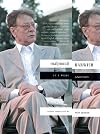
This is probably Darwish's best collection (it's actually four books in one), and one of the most exquisite volumes of poetry I've ever read. The highlight is his epic poem, "Mural", which is a gorgeous meditation on loss and dispossession, and the hope for a better future. I will always admire the resilience of the Palestinian people to find joy in the horrific circumstances they're subjected to by imperialism and Zionism. I challenge anyone who sees Palestinians and Arabs as subhuman to show more read this, and tell me after if they still have the same impression. show less

إذا قيل لي: ستموتُ هنا في المساء
فماذا ستفعل في ما تبقَّى من الوقتِ؟
ـ أنظرُ في ساعة اليد/
أشربُ كأسَ عصيرٍ،
وأَقضم تُفَّاحَةً،
وأطيلُ التأمُّلَ في نَمْلَةٍ وَجَدَتْ رزقها،
ثم أنظر في ساعة اليدِ/
ما زال ثمَّة وقتٌ لأحلق ذقني
وأَغطس في الماء/ أهجس:
"لا بُدَّ من زينة للكتابة/
فليكن show more الثوبُ أزرق"/
أجْلِسُ حتى الظهيرة حيّاً إلى مكتبي
لا أرى أَثر اللون في الكلمات،
بياضٌ، بياضٌ، بياضٌ...
أُعِدُّ غدائي الأخير
أَصبُّ النبيذ بكأسين: لي
ولمن سوف يأتي بلا موعد،
ثم آخذ قَيْلُولَةً بين حُلْمَينْ/
لكنّ صوت شخيري سيوقظني...
ثم أَنظر في ساعة اليد:
ما زال ثمّةَ وَقْتٌ لأقرأ/
أقرأ فصلاً لدانتي ونصْفَ مُعَلَّقَةٍ
وأرى كيف تذهب مني حياتي
إلى الآخرين، ولا أتساءل عَمَّنْ
سيملأ نقصانها
ـ هكذا ؟
ـ هكذا ، هكذا
ـ ثم ماذا ؟
ـ أمشّط شَعْري، وأرمي القصيدة...
هذي القصيدة في سلة المهملات
وألبس أحدث قمصان إيطاليا،
وأُشَيّع نفسي بحاشيةٍ من كمنجات إسبانيا
ثم أمشي إلى المقبرةْ ! show less
فماذا ستفعل في ما تبقَّى من الوقتِ؟
ـ أنظرُ في ساعة اليد/
أشربُ كأسَ عصيرٍ،
وأَقضم تُفَّاحَةً،
وأطيلُ التأمُّلَ في نَمْلَةٍ وَجَدَتْ رزقها،
ثم أنظر في ساعة اليدِ/
ما زال ثمَّة وقتٌ لأحلق ذقني
وأَغطس في الماء/ أهجس:
"لا بُدَّ من زينة للكتابة/
فليكن show more الثوبُ أزرق"/
أجْلِسُ حتى الظهيرة حيّاً إلى مكتبي
لا أرى أَثر اللون في الكلمات،
بياضٌ، بياضٌ، بياضٌ...
أُعِدُّ غدائي الأخير
أَصبُّ النبيذ بكأسين: لي
ولمن سوف يأتي بلا موعد،
ثم آخذ قَيْلُولَةً بين حُلْمَينْ/
لكنّ صوت شخيري سيوقظني...
ثم أَنظر في ساعة اليد:
ما زال ثمّةَ وَقْتٌ لأقرأ/
أقرأ فصلاً لدانتي ونصْفَ مُعَلَّقَةٍ
وأرى كيف تذهب مني حياتي
إلى الآخرين، ولا أتساءل عَمَّنْ
سيملأ نقصانها
ـ هكذا ؟
ـ هكذا ، هكذا
ـ ثم ماذا ؟
ـ أمشّط شَعْري، وأرمي القصيدة...
هذي القصيدة في سلة المهملات
وألبس أحدث قمصان إيطاليا،
وأُشَيّع نفسي بحاشيةٍ من كمنجات إسبانيا
ثم أمشي إلى المقبرةْ ! show less
A masterpiece. There are no words to describe it other than that. That such a small collection of pages has repeatedly reduced me to tears, and inspired me when I felt complete anhedonia for so long. Darwish's magnum opus and ode to Palestine, intricate, expertly crafted, in a manner that I feel will take several reads to decipher.
Mahmoud Darwish was a Palestinian poet and author who wrote about the loss of homeland with poignancy and fervor. Journal of an Ordinary Grief is difficult to categorize as it blends autobiographical fiction, essay, and prose poetry. I found it difficult to read because it assumes a familiarity with Palestinian events and writers that I lack, and my copy of the book was missing the endnotes. But despite this, it was a beautiful and heartbreaking collection of writings that, unfortunately, show more feels as relevant today as it did in the 1970s.
Darwish was born in a village in the Western Galilee in 1941. During the Nakba, his family was forced to flee to Lebanon when his village was burned to the ground by the IDF. A year later they returned to the area, but because they had "voluntarily" left their land, they were never granted Israeli citizenship, and lived the rest of their lives as residents. This heightened Darwish's sense of displacement and resentment, and permeates the book.
I marked many passages, especially early in the book, either because they were beautifully written, or because the issues were thought-provoking. I particularly enjoyed his thoughts on memory and the role it plays both with Israelis and Palestinians. Recommended for those who are familiar with Darwish's poetry and want to learn more about his background, and for those who love poetry and wish to read about Palestinian-Israeli relations through that lens. Not recommended as an introduction to the conflict or those seeking a biography of Darwish.
Winner of the PEN Translation Prize in 2011. show less
Darwish was born in a village in the Western Galilee in 1941. During the Nakba, his family was forced to flee to Lebanon when his village was burned to the ground by the IDF. A year later they returned to the area, but because they had "voluntarily" left their land, they were never granted Israeli citizenship, and lived the rest of their lives as residents. This heightened Darwish's sense of displacement and resentment, and permeates the book.
I marked many passages, especially early in the book, either because they were beautifully written, or because the issues were thought-provoking. I particularly enjoyed his thoughts on memory and the role it plays both with Israelis and Palestinians. Recommended for those who are familiar with Darwish's poetry and want to learn more about his background, and for those who love poetry and wish to read about Palestinian-Israeli relations through that lens. Not recommended as an introduction to the conflict or those seeking a biography of Darwish.
Winner of the PEN Translation Prize in 2011. show less
Lists
Awards


You May Also Like


Associated Authors
Statistics
- Works
- 163
- Also by
- 10
- Members
- 1,987
- Popularity
- #12,940
- Rating
- 4.1
- Reviews
- 40
- ISBNs
- 175
- Languages
- 15
- Favorited
- 7