
Lalita Tademy
Author of Cane River
About the Author
Lalita Tademy lives in Menlo Park, California. (Publisher Provided) Lalita Tademy is the New York Times Bestselling author of two historical novels. Her debut, Cane River, was Oprah¿s summer Book Pick in 2001, and her second novel, Red River, was selected as San Francisco¿s One City, One Book in show more 2007. Her third novel, Citizens Creek was published in November 2014. Before writing full-time, Lalita was Vice President and General Manager of several high technology companies in Silicon Valley. She was featured in Fortune¿s People on the Rise list, as well as Black Enterprise and Ebony. But her own interest led her to focus on her second career - writing. She has been featured in People Magazine, O Magazine, More Magazine, Good Housekeeping and The Today Show. She has also appeared as a speaker for the Library of Congress and National Book Festival. (Bowker Author Biography) show less
Image credit: Library of Congress
Series
Works by Lalita Tademy
Associated Works
Tagged
Common Knowledge
- Canonical name
- Tademy, Lalita
- Birthdate
- 1948
- Gender
- female
- Education
- University of California, Los Angeles
- Occupations
- Former vice-president of Sun Microsystems
- Agent
- Jillian Manus
- Nationality
- USA
- Birthplace
- Berkeley, California, USA
- Associated Place (for map)
- California, USA
Members
Reviews
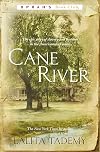
A beautifully told family history about four generations of slave women on a Louisiana plantation in the nineteenth century. Lalita Tademy takes the dry dates and pieces of paper that go into genealogy research and crafts them into a story of strong women, family and the trials of slavery and freedom. Her writing is powerful and poetic - 'She watched words float past, plump and ripe, before they burst just outside her line of vision' - but never purple, and she effortlessly recreates another show more time and place with evocative descriptions of Cane River in the 1800s.
It is jarring to read about the lives of these vividly drawn 'characters' in a story, coming to know and care about them, only to turn the page and find a facsimile of a bill of sale for a slave auction and find their names listed, or look into the eyes of Narcisse and Emily in a photograph after imagining them. Combining fact and fiction, or grounding a poignant slave narrative in the shameful reality of history, somehow makes more of an impact than reference books and novels. But the saddest part of this family saga is not the vicious circle of illegitimate children or the 'bleaching of the line' when Suzette, Philomene and Emily had children with white men, whether by force of choice, but that nothing really changed for them after risking their lives for a hundred years to break free of slavery and provide for their families. In 1936, an elderly Emily takes the bus into town to buy her own snuff and some peppermint candy for her grandchildren. The store owner doesn't know her, but takes her for a white woman, long the ambition of her mother Philomene and her grandmother Suzette, because she is only one-quarter black. When another customer recognises her 'colour', however, the man turns on her and rudely makes her wait, at over seventy years of age, while he serves the white customers. She 'knows her place', he tells another woman who offers to let Emily go first. Emily leaves without her snuff, and returns to the house by the river - sitting at the front of the bus. The importance of colour, and the treatment of the women and the white fathers of their children, both distressed and angered me, more, if truth be told, than their lives on the plantation.
This is how family history should be told, with heart, pride and affection. show less
It is jarring to read about the lives of these vividly drawn 'characters' in a story, coming to know and care about them, only to turn the page and find a facsimile of a bill of sale for a slave auction and find their names listed, or look into the eyes of Narcisse and Emily in a photograph after imagining them. Combining fact and fiction, or grounding a poignant slave narrative in the shameful reality of history, somehow makes more of an impact than reference books and novels. But the saddest part of this family saga is not the vicious circle of illegitimate children or the 'bleaching of the line' when Suzette, Philomene and Emily had children with white men, whether by force of choice, but that nothing really changed for them after risking their lives for a hundred years to break free of slavery and provide for their families. In 1936, an elderly Emily takes the bus into town to buy her own snuff and some peppermint candy for her grandchildren. The store owner doesn't know her, but takes her for a white woman, long the ambition of her mother Philomene and her grandmother Suzette, because she is only one-quarter black. When another customer recognises her 'colour', however, the man turns on her and rudely makes her wait, at over seventy years of age, while he serves the white customers. She 'knows her place', he tells another woman who offers to let Emily go first. Emily leaves without her snuff, and returns to the house by the river - sitting at the front of the bus. The importance of colour, and the treatment of the women and the white fathers of their children, both distressed and angered me, more, if truth be told, than their lives on the plantation.
This is how family history should be told, with heart, pride and affection. show less
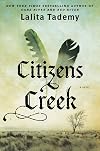
American history classes around the country discuss slavery. They also discuss the forced move of Native Americans westward. However, the fact that Indians owned slaves is not something most Americans will ever learn or know. Lalita Tademy’s newest novel, Citizens Creek, seeks to remedy this historical omission by telling the fascinating story of the first African Indian chief, which it does with a reverence much deserved towards its subject.
The story begins with Cow Tom earning his name show more during his childhood in Alabama and ends around the turn of the century in Oklahoma with his granddaughter’s fight to keep the family land and freedom for which he fought his entire life. Crossing the generations are the westward march of the Indians, the Civil War, and westward expansion. Throughout all of the changes, Cow Tom and his family must fight for their rights as members of the Creek Nation in spite of their slavery and, upon their freedom, their skin color.
In many ways, Citizens Creek shares several attributes of Gone With the Wind, as ironic as that is. For one, Cow Tow and his granddaughter are all about their land. For them, it is the most precious commodity they own, outside of their freedom, and Rose fights tooth and nail to keep her family’s land whole. Readers cannot help but harken back to Gerald O’Hara’s lessons to Scarlett about land being the only thing for which it is worth fighting. Rose too shares similarities to Scarlett. She is absolutely ruthless about keeping what she feels is rightfully hers, stubborn in her righteousness, and proud of her family’s legacy. It is easy for readers to imagine Rose in Scarlett’s situation and vice versa, knowing that they would both use their fierce independence and guile to win any battle they face. There are many character overlaps like that, where one of Cow Tom’s family will remind readers of one of Scarlett’s family. The scope of them both are similar too, crossing the years before, during, and after the Civil War. It all makes for an intriguing exercise in comparative literature.
Citizens Creek is an impressive novel. Its scope is quite large and challenging. The cast of characters is diverse. Most importantly, its subject matter involves a relatively unknown but intriguing element of American history. Unfortunately, the story does not flow quite as seamlessly as one would wish. The chapter breaks are abrupt, better suited for suspense rather than a historical narrative. The jumps in time are obscure and difficult to follow. In addition, there are certain aspects of Cow Tom’s backstory that never get an explanation but are referenced as if readers know everything about Cow Tom’s past. These niggling issues prevent one from unabashedly loving the novel but not from enjoying the story overall. show less
The story begins with Cow Tom earning his name show more during his childhood in Alabama and ends around the turn of the century in Oklahoma with his granddaughter’s fight to keep the family land and freedom for which he fought his entire life. Crossing the generations are the westward march of the Indians, the Civil War, and westward expansion. Throughout all of the changes, Cow Tom and his family must fight for their rights as members of the Creek Nation in spite of their slavery and, upon their freedom, their skin color.
In many ways, Citizens Creek shares several attributes of Gone With the Wind, as ironic as that is. For one, Cow Tow and his granddaughter are all about their land. For them, it is the most precious commodity they own, outside of their freedom, and Rose fights tooth and nail to keep her family’s land whole. Readers cannot help but harken back to Gerald O’Hara’s lessons to Scarlett about land being the only thing for which it is worth fighting. Rose too shares similarities to Scarlett. She is absolutely ruthless about keeping what she feels is rightfully hers, stubborn in her righteousness, and proud of her family’s legacy. It is easy for readers to imagine Rose in Scarlett’s situation and vice versa, knowing that they would both use their fierce independence and guile to win any battle they face. There are many character overlaps like that, where one of Cow Tom’s family will remind readers of one of Scarlett’s family. The scope of them both are similar too, crossing the years before, during, and after the Civil War. It all makes for an intriguing exercise in comparative literature.
Citizens Creek is an impressive novel. Its scope is quite large and challenging. The cast of characters is diverse. Most importantly, its subject matter involves a relatively unknown but intriguing element of American history. Unfortunately, the story does not flow quite as seamlessly as one would wish. The chapter breaks are abrupt, better suited for suspense rather than a historical narrative. The jumps in time are obscure and difficult to follow. In addition, there are certain aspects of Cow Tom’s backstory that never get an explanation but are referenced as if readers know everything about Cow Tom’s past. These niggling issues prevent one from unabashedly loving the novel but not from enjoying the story overall. show less
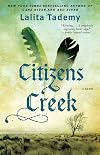
Citizens Creek by Lalita Tademy is an epic novel, covering three generations of a Black/American Indian family. Based on the Tom family's actual history, the story begins in the 1830s in Alabama and concludes in Oklahoma after Indian Territory became that state in 1907.
Cow Tom is 12 years old, a black child owned by a Creek chief prior to the Removal (also known as the Trail of Tears). Not only was Tom good with cows, he was good with languages too and became an interpreter, or linguister, show more for the chief. Tom's mother had been kidnapped by Seminoles who had come to Alabama for that purpose. His first adventure begins when the Army approaches Chief Yargee for Creek warriors to help in rounding up Seminoles for Removal. Tom is determined to go so that he can look for his mother even though she has been gone for years. Chief Yargee is persuaded and rents Tom as a linguister to the Army for $350. Money that Yargee will allow Tom to save towards the day he will have enough to buy himself.
The plot follows Tom through his marriage, his family's removal, their resettlement in the Territory, and his becoming the first black Creek chief. Once Tom dies the story follows his granddaughter and her husband through the remaining years of the 19th century and through the turmoil of the deconstruction of the Territory.
All of my great grandparents were mid 19th century settlers in the IT region and I grew up hearing stories about the Removal and it's aftermath. Now, as a docent at The Fort Smith National Historic Site (a National Park), I'm often asked about the tribes in IT and slavery (Cherokee, Choctaw, Chickasaw, Creek and Seminole were the primary tribes removed from the Southeast U.S.). I've read the nonfiction I can find and have attended various seminars that include the subject, but it has never been given the attention it deserves by those that study and write American history. Fortunately the Tom family personal records fell into Tademy's hands. As a skilled novelist she aptly brings life to the history. show less
Cow Tom is 12 years old, a black child owned by a Creek chief prior to the Removal (also known as the Trail of Tears). Not only was Tom good with cows, he was good with languages too and became an interpreter, or linguister, show more for the chief. Tom's mother had been kidnapped by Seminoles who had come to Alabama for that purpose. His first adventure begins when the Army approaches Chief Yargee for Creek warriors to help in rounding up Seminoles for Removal. Tom is determined to go so that he can look for his mother even though she has been gone for years. Chief Yargee is persuaded and rents Tom as a linguister to the Army for $350. Money that Yargee will allow Tom to save towards the day he will have enough to buy himself.
The plot follows Tom through his marriage, his family's removal, their resettlement in the Territory, and his becoming the first black Creek chief. Once Tom dies the story follows his granddaughter and her husband through the remaining years of the 19th century and through the turmoil of the deconstruction of the Territory.
All of my great grandparents were mid 19th century settlers in the IT region and I grew up hearing stories about the Removal and it's aftermath. Now, as a docent at The Fort Smith National Historic Site (a National Park), I'm often asked about the tribes in IT and slavery (Cherokee, Choctaw, Chickasaw, Creek and Seminole were the primary tribes removed from the Southeast U.S.). I've read the nonfiction I can find and have attended various seminars that include the subject, but it has never been given the attention it deserves by those that study and write American history. Fortunately the Tom family personal records fell into Tademy's hands. As a skilled novelist she aptly brings life to the history. show less
Perfect book for your next book club read. Citizen’s Creek is a fascinating story based on a real black family living as Creek Indians from the 1800s, spanning 3 generations of great change. The story appears to be well researched and is very well told. Never knew that the Indians took black slaves, and so far no one that I’ve spoken with about this book had known either (you will want to speak with people about this book!). It is an amazing story of perseverance, starting with Cow show more Tom’s rise from slavery to becoming a free man, and ultimately a chief himself.
I wasn’t emotionally attached to this story as I was with Cane River (and I hate to be that person who has to compare the two because it is just not fair with a writer as good as Lalita Tademy). I think it was because of the large leaps ahead in the story line. I would have preferred a lengthier work, filling in some of those gaps, but that is just me. I like getting involved in the minutia that a lot of readers would rather skip. The gap between grandfather and granddaughter was to be expected and would have worked out just fine, but gaps within each main character’s stories were what threw me off at times and made me a little detached. But, it is also why I think it makes for a good book club pick; not too daunting, but enough there that would spark really good conversations. Conversations not just about the history itself, but there are some good plot points and character motives to analyze as well.
There was also so much more I really wanted to know about the time period and politics that there just wasn’t time to get to in this story, but it was enough to pique my interest to make me want to read further about the actual family the book was based on, but also about the period itself—which, I think is what Historical Fiction is really all about.
I received a complimentary copy in exchange for an honest review. show less
I wasn’t emotionally attached to this story as I was with Cane River (and I hate to be that person who has to compare the two because it is just not fair with a writer as good as Lalita Tademy). I think it was because of the large leaps ahead in the story line. I would have preferred a lengthier work, filling in some of those gaps, but that is just me. I like getting involved in the minutia that a lot of readers would rather skip. The gap between grandfather and granddaughter was to be expected and would have worked out just fine, but gaps within each main character’s stories were what threw me off at times and made me a little detached. But, it is also why I think it makes for a good book club pick; not too daunting, but enough there that would spark really good conversations. Conversations not just about the history itself, but there are some good plot points and character motives to analyze as well.
There was also so much more I really wanted to know about the time period and politics that there just wasn’t time to get to in this story, but it was enough to pique my interest to make me want to read further about the actual family the book was based on, but also about the period itself—which, I think is what Historical Fiction is really all about.
I received a complimentary copy in exchange for an honest review. show less
Lists
Awards


You May Also Like


Associated Authors
Statistics
- Works
- 6
- Also by
- 1
- Members
- 4,159
- Popularity
- #6,051
- Rating
- 3.9
- Reviews
- 89
- ISBNs
- 75
- Languages
- 5
- Favorited
- 9