
DyAnne DiSalvo-Ryan
Author of City Green
About the Author
DyAnne DiSalvo-Ryan graduated from the School of Visual Arts in New York. She is an author and illustrator of more than forty picture books for children. She has illustrated books written by Beverly Cleary, Mary Pope Osborne, Jean Fritz, Jane O'Connor, Patricia Reilly Giff, Jean Marzollo and Amy show more Hest. She has also written and illustrated several of her own books including Uncle Willie and the Soup Kitchen, City Green, A Castle on Viola Street, and The Sloppy Copy Slipup. She received a Congressional Commendation from the State of New Jersey for Grandpa's Corner Store and the Irma S. and James H. Black Award for A Dog Like Jack. (Bowker Author Biography) show less
Works by DyAnne DiSalvo-Ryan
Associated Works
Tagged
Common Knowledge
- Canonical name
- DiSalvo-Ryan, DyAnne
- Gender
- female
- Nationality
- USA
- Associated Place (for map)
- USA
Members
Reviews

Saddened by the empty lot on her block, where a building used to stand before it was condemned and destroyed, young Marcy and her elderly neighbor Miss Rosa begin a community garden there, eventually involving everyone in the neighborhood in the project. After renting the land from the city, the would-be gardeners begin the clean-up, finding that people stop to help, and bring supplies as well. Even grouchy Old Man Hammer, who initially holds out and refuses to have any part in the new show more garden, eventually plants some seeds.
A wonderful exploration of the idea of communal city gardens, and reclaiming vacant lots as urban green spaces, City Green reminded me a bit of Peter Brown's The Curious Garden, which also features the theme of making cities greener. I enjoyed DyAnne DiSalvo-Ryan's narrative here, I appreciated the fact that the reader is led to have greater empathy for the initially unlikable Old Man Hammer, over the course of the story, and I found the color artwork appealing. As an added bonus, the author/artist includes an afterword in which she offers some advice to young readers who might want to start a community garden in their own neighborhood. Recommended to anyone looking for hopeful stories about improving urban spaces, or about diverse communities working together. show less
A wonderful exploration of the idea of communal city gardens, and reclaiming vacant lots as urban green spaces, City Green reminded me a bit of Peter Brown's The Curious Garden, which also features the theme of making cities greener. I enjoyed DyAnne DiSalvo-Ryan's narrative here, I appreciated the fact that the reader is led to have greater empathy for the initially unlikable Old Man Hammer, over the course of the story, and I found the color artwork appealing. As an added bonus, the author/artist includes an afterword in which she offers some advice to young readers who might want to start a community garden in their own neighborhood. Recommended to anyone looking for hopeful stories about improving urban spaces, or about diverse communities working together. show less

Based on the actual volunteer experience of the author, this picture book provides a look into the soup kitchen without an overly sentimental view of the hungry or a dose of pessimism for the reader. A boy wonders about the people he sees on his city’s streets until he goes to the soup kitchen where his uncle works.
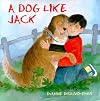
I have mixed feelings about this book, but I think I liked it more than I disliked it. What I did not like about the book is I found that it does not flow very well. It doesn't have the usual rhythm to it that children's books tend to have. Some of the pages had a lot of words on it, which is what kept it from moving smoothly. However, the amount of description in the story really develops the characters. I felt connected to the story to the point where I found myself becoming upset when I show more realized the dog, Jack, was dying. The narrator thinks of the dog as another person and connects with him on a personal level. The family does this specifically for Jack's sake, such as going "to a beach that had no [No Dogs, Please] signs", and Jack "knew the way to go home" when it was time to leave the park. I also found that the illustrations helped me connect withe the story further. The water colors are smooth and the characters are colorful. Their emotions are displayed clearly on their faces: happy, sad, excited. You could even see the smile on the dog's face; he has his own personality. The big idea of this story is being dedicated to a family member because you love them, and that anyone can become part of a family at any time. show less
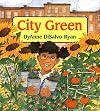
First person story of how a little girl named Marcy and her friend Miss Rosa turn an empty city lot into a community garden -- and end up turning an old man's bitterness and sour grapes sweet. Old Man Hammer was distraught when the city tore down the building where he used to live -- and he was pessimistic as Marcy and Miss Rosa go about renting the lot from the city, getting everyone to help clear it, and then plant seeds. Only Marcy knows that Old Man Hammer himself in the dead of night show more planted sunflowers. In the end he is completely won over and proclaims, 'This lot was good for nothing and now it's nothing but good.' Notes on the final page discuss how to start a community garden. show less
Lists
Awards


You May Also Like


Associated Authors
Statistics
- Works
- 11
- Also by
- 19
- Members
- 1,821
- Popularity
- #14,127
- Rating
- 3.8
- Reviews
- 65
- ISBNs
- 43