

Michael Köhlmeier
Author of Abendland
About the Author
Works by Michael Köhlmeier
Wer hat dir gesagt, dass du nackt bist, Adam?: Mythologisch-philosophische Verführungen (2016) 23 copies
Michael Köhlmeiers Märchen-Dekamerone: Eine Weltreise in hundert Geschichten (2011) 9 copies, 1 review
Idylle mit ertrinkendem Hund 1 copy
Akzente 2020/3: Wildnis 1 copy
1997 1 copy
1999 1 copy
1996 1 copy
Two Gentlemen on the Beach 1 copy
Associated Works
Tagged
Common Knowledge
- Canonical name
- Köhlmeier, Michael
- Legal name
- Köhlmeier, Michael Johannes Maria
- Birthdate
- 1949-10-15
- Gender
- male
- Education
- Université Justus Liebig de Giessen (Mathématiques et philosophie, 19 77 - 19 80)
Université Philipps, Marbourg (Thèse "L' austrofascisme)
Lycée humaniste de Feldkirch (1963-1970 ) - Occupations
- writer
- Organizations
- Grazer Autorinnen Autorenversammlung
Austrian Broadcasting corporation (Auteur idépendant)
Studio Ö1, Vorarlberg (Auteur idépendant)
Bilgeri & Köhlmeier, Duo musical (Fondateur, 19 72) - Awards and honors
- Croix d'honneur autrichienne pour la science et l'art [ (2016)
Prix littéraire de la Fondation Konrad-Adenauer (2017)
Prix autrichien d'appréciation de la littérature (2007)
Médaille d'or du mérite de l'État de Vienne (2007) - Relationships
- Helfer, Monika (Epouse)
Köhlmeier, Paula (Fille) - Nationality
- Austria
- Birthplace
- Hard, Austria
- Places of residence
- Vienna, Austria
Hohenems, Austria - Map Location
- Austria
Members
Reviews

Another German author who apparently has not been translated into English yet (although there are translations into other languages, like French and Spanish). Compared to Sibylle Lewitscharoff, Clemens J. Setz or Benjamin Stein, this is a very conventional kind of narrative, in fact seems to almost show off how old-fashioned it is by presenting itself as a very traditional novella. But appearances can be deceptive and are not to be trusted, as the narrator of this novella finds out when show more apparently solid ice gives in under his weight, and similarly the surface of the narrative gives only brief glimpses of the depths underneath where the actual story takes place.
Some indication of that is already in the title – “Idylle mit etrinkendem Hund” is self-contradictory, self-defeating even, for how can a drowning dog be idyllic? But this contradiction is symptomatic for the novella as a whole, in so far as the apparent idyl it presents turns out to be a landscape devastated by tragedy.
Idylle mit ertrinkendem Hund is told from a first person point of view, our narrator is a somewhat succesful writer, and ostensibly the novella is about a weekend visit of the writer’s editor at the home of the narrator and his wife. The editor, who the writer has only known as a very reserved and cultured person before, on close contact turns out to be a very quirky, even eccentric person in a manner that I found very reminiscent of Thomas Mann (who does seem to be a distinct influence for this novella in general). Thankfully, Michael Köhlmeier does not attempt to mimick Mann’s peculiar style of writing (which works only for Thomas Mann, as countless failed imitators have shown time and again) but develops his own – slow moving, with an almost casual tone of narrative voice, but which pays precise attention to detail and takes occasional humorous turns (which are all the funnier for being unexpected).
But the humour soon begins to fade when it is slowly revealed that not all is well in the narrator’s marriage. It is never made expliticit anywhere in the novella, but there are more and more signs that indicate even to the only moderately attentive reader that this couple has drifted apart, the woman withdrawing into her interior space (an artificial jungle that she is building inside their living room), the man spending a large amount of his time outside, taking long, solitary walks – they might be heading in opposite directions but those share their isolation. And then it is mentioned that they have recently lost their daughter – almost in passing, like it was something they had both gotten over and moved on with their lives. But by now the reader has become sufficiently sensitive to able to read the signs, and recognise this as the novella’s true subject – the way the narrator and his wife cope or do not cope with the death of their daughter, how their shared mourning has torn their relationship apart and how they are slowly, laboriously find some common ground again.
The way this is never told directly but plays out in asides and small gestures, in the cracks of their relationship’s surface as it begins to give in under the strain of the editor’s visit is not only masterfully done technically, but also makes this novella a very moving read – a very sad read, but not a depressing one as the ending leaves one with some hope that there might be a way for the couple to overcome their mourning and find the way towards each other again. show less
Some indication of that is already in the title – “Idylle mit etrinkendem Hund” is self-contradictory, self-defeating even, for how can a drowning dog be idyllic? But this contradiction is symptomatic for the novella as a whole, in so far as the apparent idyl it presents turns out to be a landscape devastated by tragedy.
Idylle mit ertrinkendem Hund is told from a first person point of view, our narrator is a somewhat succesful writer, and ostensibly the novella is about a weekend visit of the writer’s editor at the home of the narrator and his wife. The editor, who the writer has only known as a very reserved and cultured person before, on close contact turns out to be a very quirky, even eccentric person in a manner that I found very reminiscent of Thomas Mann (who does seem to be a distinct influence for this novella in general). Thankfully, Michael Köhlmeier does not attempt to mimick Mann’s peculiar style of writing (which works only for Thomas Mann, as countless failed imitators have shown time and again) but develops his own – slow moving, with an almost casual tone of narrative voice, but which pays precise attention to detail and takes occasional humorous turns (which are all the funnier for being unexpected).
But the humour soon begins to fade when it is slowly revealed that not all is well in the narrator’s marriage. It is never made expliticit anywhere in the novella, but there are more and more signs that indicate even to the only moderately attentive reader that this couple has drifted apart, the woman withdrawing into her interior space (an artificial jungle that she is building inside their living room), the man spending a large amount of his time outside, taking long, solitary walks – they might be heading in opposite directions but those share their isolation. And then it is mentioned that they have recently lost their daughter – almost in passing, like it was something they had both gotten over and moved on with their lives. But by now the reader has become sufficiently sensitive to able to read the signs, and recognise this as the novella’s true subject – the way the narrator and his wife cope or do not cope with the death of their daughter, how their shared mourning has torn their relationship apart and how they are slowly, laboriously find some common ground again.
The way this is never told directly but plays out in asides and small gestures, in the cracks of their relationship’s surface as it begins to give in under the strain of the editor’s visit is not only masterfully done technically, but also makes this novella a very moving read – a very sad read, but not a depressing one as the ending leaves one with some hope that there might be a way for the couple to overcome their mourning and find the way towards each other again. show less

If a book is difficult to follow and doesn't seem to get anywhere either a) it is a wonderful work of art too deep for the reader who doesn't get it, or b) the author can't write a cohesive story. Apparently the critics have decided that this book belongs in group a). Personally, I would bet on b).
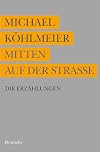
Diese Sammlung sämtlicher bisher erschienener Erzählungen Köhlmeiers zeigt, dass er nicht nur dicke Romane (wie 'Abendland' oder 'Die Musterschüler') beherrscht, sondern dass seine Fähigkeiten vielleicht sogar gerade auf dem Gebiet der kleinen Form liegen. Besonders beeindruckt hat mich die Serie von 3-4seitigen Erzählungen mit dem Titel 'Bevor Max kam' - was da an Ideen in jeder dieser winzigen Geschichten steckt, reicht bei anderen für einen Roman. Beeindruckend!
Diese und weitere Rezensionen findet ihr auf meinem Blog Anima Libri - Buchseele
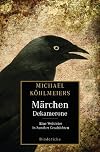
Michael Köhlmeiers „Märchen-Dekamerone: Eine Weltreise in hundert Geschichten“ ist ein wirklich spannendes Buch, nicht in dem Sinne, dass es eine spannende Handlung hätte, sondern auf Grund der vielseitigen, facettenreichen Auswahl der in dieser Sammlung enthaltenen Märchen. Denn die hundert Geschichten, die Michael Köhlmeier hier zusammen getragen hat, stammen wirklich aus aller Welt und enthalten neben show more einigen bekannteren Titeln aus der Sammlung der Brüder Grimm oder der Feder Hans Christian Andersens und Wilhelm Hauffs, vor allem – für die deutsche Leserschaft – wohl unbekanntere Texte, die ihren Ursprung rund um den Globus haben.
Die Märchensammlung beginnt mit einer mehrseitigen Einleitung unter dem Titel „Wo das Erzählen noch geholfen hat“, in der der Autor von seinen persönlichen Erfahrungen mit dem Erzählen erzählt. Auch vor jedem der zehn Themenblöcke gibt es eine kurze Einführung, in der Michael Köhlmeier seine Gedanken zu dem Thema zusammenfasst. Dabei handelt es sich mitnichten um wissenschaftliche Abhandlungen sondern „lediglich“ um die Ausschweifungen eines erfahrenen Erzählers – was ich teilweise, nun ja, nicht direkt schade fand, aber ich hätte mir hier und da doch gerne etwas mehr Hintergrundinformationen und Deutungsansätze zu den einzelnen Märchen und nicht nur zu den Themenblöcken im Allgemeinen gewünscht.
Trotzdem konnte mich das „Märchen-Dekamerone“ von Michael Köhlmeier mit seinen einhundert gänzlich unterschiedlichen Texten total begeistern. Die Texte sind, trotz der zehn Themengruppen, in denen sie zusammengefasst sind (Die Tür, Bruder und Schwester, Drei, In die weite Welt hinaus, Die Tiere, Der Böse, Niemandes Kind, Verwandelt – Verzaubert – Verflucht, Der Tod und Die Liebe), sehr unterschiedlich, nicht nur was ihre Herkunft angeht, sie variieren auch im Hinblick auf Inhalt, Stil und Länge teils gravierend. Das sorgt natürlich für zusätzliche Vielfalt auch innerhalb der Themenblöcke, gerade die Sache mit der Länge ist es manchmal aber auch frustrierend, wenn man ein Märchen gelesen hat, das zwei oder drei Dutzend Seiten umfasst und dann folgt plötzlich eins, das keine drei Seiten füllt.
Alles in allem ist Michael Köhlmeiers „Märchen-Dekamerone: Eine Weltreise in hundert Geschichten“ eine absolut wundervolle Märchensammlung, die mir aufgrund ihrer Vielfalt sehr großen Spaß gemacht hat und die ich nur jedem Märchenfan absolut empfehlen kann! Definitiv ein Muss für das Regal jedes Märchenfans ;) show less
Michael Köhlmeiers „Märchen-Dekamerone: Eine Weltreise in hundert Geschichten“ ist ein wirklich spannendes Buch, nicht in dem Sinne, dass es eine spannende Handlung hätte, sondern auf Grund der vielseitigen, facettenreichen Auswahl der in dieser Sammlung enthaltenen Märchen. Denn die hundert Geschichten, die Michael Köhlmeier hier zusammen getragen hat, stammen wirklich aus aller Welt und enthalten neben show more einigen bekannteren Titeln aus der Sammlung der Brüder Grimm oder der Feder Hans Christian Andersens und Wilhelm Hauffs, vor allem – für die deutsche Leserschaft – wohl unbekanntere Texte, die ihren Ursprung rund um den Globus haben.
Die Märchensammlung beginnt mit einer mehrseitigen Einleitung unter dem Titel „Wo das Erzählen noch geholfen hat“, in der der Autor von seinen persönlichen Erfahrungen mit dem Erzählen erzählt. Auch vor jedem der zehn Themenblöcke gibt es eine kurze Einführung, in der Michael Köhlmeier seine Gedanken zu dem Thema zusammenfasst. Dabei handelt es sich mitnichten um wissenschaftliche Abhandlungen sondern „lediglich“ um die Ausschweifungen eines erfahrenen Erzählers – was ich teilweise, nun ja, nicht direkt schade fand, aber ich hätte mir hier und da doch gerne etwas mehr Hintergrundinformationen und Deutungsansätze zu den einzelnen Märchen und nicht nur zu den Themenblöcken im Allgemeinen gewünscht.
Trotzdem konnte mich das „Märchen-Dekamerone“ von Michael Köhlmeier mit seinen einhundert gänzlich unterschiedlichen Texten total begeistern. Die Texte sind, trotz der zehn Themengruppen, in denen sie zusammengefasst sind (Die Tür, Bruder und Schwester, Drei, In die weite Welt hinaus, Die Tiere, Der Böse, Niemandes Kind, Verwandelt – Verzaubert – Verflucht, Der Tod und Die Liebe), sehr unterschiedlich, nicht nur was ihre Herkunft angeht, sie variieren auch im Hinblick auf Inhalt, Stil und Länge teils gravierend. Das sorgt natürlich für zusätzliche Vielfalt auch innerhalb der Themenblöcke, gerade die Sache mit der Länge ist es manchmal aber auch frustrierend, wenn man ein Märchen gelesen hat, das zwei oder drei Dutzend Seiten umfasst und dann folgt plötzlich eins, das keine drei Seiten füllt.
Alles in allem ist Michael Köhlmeiers „Märchen-Dekamerone: Eine Weltreise in hundert Geschichten“ eine absolut wundervolle Märchensammlung, die mir aufgrund ihrer Vielfalt sehr großen Spaß gemacht hat und die ich nur jedem Märchenfan absolut empfehlen kann! Definitiv ein Muss für das Regal jedes Märchenfans ;) show less
Lists
Awards


You May Also Like


Associated Authors
Statistics
- Works
- 87
- Also by
- 3
- Members
- 1,388
- Popularity
- #18,518
- Rating
- 3.8
- Reviews
- 37
- ISBNs
- 194
- Languages
- 5
- Favorited
- 2


