
Arno Geiger
Author of The Old King in His Exile
About the Author
Image credit: Arno Geiger, 28 June 2023, Brandenburg, Potsdam
Series
Works by Arno Geiger
Tagged
Common Knowledge
- Legal name
- Geiger, Arno
- Birthdate
- 1968-07-22
- Gender
- male
- Occupations
- writer
- Organizations
- Grazer Autorinnen Autorenversammlung
- Awards and honors
- Bremer Literaturpreis (2019)
Friedrich-Hölderlin-Preis (2011)
Literaturpreis der Konrad-Adenauer-Stiftung (2011)
Literaturpreis der Vorarlberger Buch- und Medienwirtschaft (2010)
Johann-Peter-Hebel-Preis des Staates Baden (2008)
Deutscher Buchpreis (2005) (show all 9)
Alemannischer Literaturpreis (2017)
Joseph-Breitbach-Preis (2018)
Europese Literatuurprijs (2019) - Nationality
- Austria
- Birthplace
- Bregenz, Vorarlberg, Österreich
- Places of residence
- Vienna, Austria
Wien, Österreich - Map Location
- Austria
Members
Reviews

This is a multi-generation family saga centering around a villa in the bourgeois Viennese suburb of Hietzing, and covering a time period from the 1930s to 2001. So, there's obviously a Buddenbrooks thing going on in the background, with family events linked to significant events in Austrian history, but the episodes are not presented in a chronological sequence, so that we have to fill in a lot of gaps ourselves, and make guesses that later might - or might not - turn out to be right. And show more whilst Buddenbrooks is about the gradual collapse of the family and its strong, shared values, Geiger evidently wants to show us a family where the necessary ties between generations and between husband and wife were never there in the first place. The patriarch Richard is shown trying to continue to hold the family together according to a system of values that wasalready out of date in his parents' time (whilst by no means living up to those values himself); his grandson Philipp is equally futilely trying to disconnect himself from his family and their past.
A rather depressing novel, but also occasionally very perceptive and funny in its descriptions of upper middle-class life. And sometimes very perceptive: Geiger seems to have gone to a lot of trouble to make the chapters written from the perspective of the women in the family ring true. show less
A rather depressing novel, but also occasionally very perceptive and funny in its descriptions of upper middle-class life. And sometimes very perceptive: Geiger seems to have gone to a lot of trouble to make the chapters written from the perspective of the women in the family ring true. show less
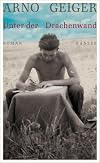
Auch wenn dieses Buch meist nur indirekt über die Gräuel des 2. Weltkrieges berichtet - es ist mehr als genug.
Veit Kolbe, gerade einmal 24 Jahre jung, ist nach vier Jahren Kriegseinsatz verwundet nach Österreich zurückgekehrt und versucht, im kleinen Dorf Mondsee gesund zu werden und die Schrecken des Krieges etwas zu vergessen. Meist wirkt ER als Ich-Erzähler und berichtet ausführlich von den kleinen und großen Geschehnissen im Dorf, die das Leben der BewohnerInnen bestimmen. Auch show more sein eigenes Befinden schildert er ausführlich: die Schmerzen, seine Angstzustände und Erinnerungen über die Entsetzlichkeiten des Krieges, die Trauer über seine verlorene Jugend, seine Zukunftsängste; aber auch seine erste, sich sanft entwickelnde Liebesgeschichte mit seiner Zimmernachbarin Margot. Veit ist ein aufmerksamer und detaillierter Beobachter, dessen Niederschrift sein Tagebuch darstellt.
Dazwischen finden sich Briefe, die aus einer anderen Welt berichten: Margots Mutter schreibt von den Zerstörungen ihrer Heimatstadt Darmstadt und wie die Menschen versuchen, weiterzuleben. Und Kurt, der 17jährige Freund eines der Mädchen der Kinderlandverschickung in Mondsee, schreibt ihr Liebesbriefe und erzählt von seinem Leben in Wien.
Ein weiterer Ich-Erzähler ist der Jude Oskar Meyer, der mit seiner Familie zuerst unter falschem Namen weiterhin in Wien lebt, dann aber weiter nach Budapest flüchtet. Wie Veit notiert er sein Erleben und die Geschehnisse um ihn herum in einer Art Tagebuch.
Keine Frage, Arno Geigers Sprache ist meisterhaft. Er findet Worte, Sätze und Beschreibungen für das Entsetzen dieser Zeit, dass es kaum zum Aushalten ist:
"Krieg war ja eigentlich das einzige, was ich noch kannte. Alles andere kannte ich gar nicht mehr. Wie weit die Verzerrung des eigenen Wesens schon vorangeschritten ist, merkt man erst, wenn man wieder unter normale Menschen kommt.",
"... dabei fixierte er mich, wie man es ihm im Schnellsiedekurs für Geheimpolizisten beigebracht ... hatte.",
"Die Kindheit ist wie ein Holz, in das Nägel geschlagen werden. Die guten Nägel sind die, die nur so tief im Holz stecken, dass sie halten, sie beschützen einen wie Stacheln. Oder man kann später daran etwas aufhängen. Oder man kann die Nägel herausziehen und wegwerfen. Schlecht sind die ins Holz gedroschenen Nägel, deren Köpfe tiefer liegen als die Oberfläche des Holzes, man sieht gar nicht, dass dort etwas Hartes ist, ein vor sich hinrostender Fremdkörper."
Dennoch tat ich mich schwer mit diesem Buch, und der Grund dafür ist nicht die niederdrückende Stimmung, die während solch einer Zeit zwangsläufig herrscht und wirklich authentisch beschrieben wirkt. Die Geschichte, die hier erzählt wird, hat solche Längen, dass auch die schönste Sprache nicht darüber hinweghelfen kann. Und so musste ich mich stellenweise regelrecht zwingen, keine Seiten zu überblättern. Seitenweise werden die Befindlichkeiten und die verheerenden Zustände geschildert, ohne dass es zu irgendeiner Form von Wirkung oder Veränderung führt. Mag sein, dass dies der Realität entsprach - doch beim Lesen wirkt dies einfach sehr langatmig.
So ist mein Fazit: Eine grandiose Sprache, doch die Geschichte ist deutlich zu langatmig. show less
Veit Kolbe, gerade einmal 24 Jahre jung, ist nach vier Jahren Kriegseinsatz verwundet nach Österreich zurückgekehrt und versucht, im kleinen Dorf Mondsee gesund zu werden und die Schrecken des Krieges etwas zu vergessen. Meist wirkt ER als Ich-Erzähler und berichtet ausführlich von den kleinen und großen Geschehnissen im Dorf, die das Leben der BewohnerInnen bestimmen. Auch show more sein eigenes Befinden schildert er ausführlich: die Schmerzen, seine Angstzustände und Erinnerungen über die Entsetzlichkeiten des Krieges, die Trauer über seine verlorene Jugend, seine Zukunftsängste; aber auch seine erste, sich sanft entwickelnde Liebesgeschichte mit seiner Zimmernachbarin Margot. Veit ist ein aufmerksamer und detaillierter Beobachter, dessen Niederschrift sein Tagebuch darstellt.
Dazwischen finden sich Briefe, die aus einer anderen Welt berichten: Margots Mutter schreibt von den Zerstörungen ihrer Heimatstadt Darmstadt und wie die Menschen versuchen, weiterzuleben. Und Kurt, der 17jährige Freund eines der Mädchen der Kinderlandverschickung in Mondsee, schreibt ihr Liebesbriefe und erzählt von seinem Leben in Wien.
Ein weiterer Ich-Erzähler ist der Jude Oskar Meyer, der mit seiner Familie zuerst unter falschem Namen weiterhin in Wien lebt, dann aber weiter nach Budapest flüchtet. Wie Veit notiert er sein Erleben und die Geschehnisse um ihn herum in einer Art Tagebuch.
Keine Frage, Arno Geigers Sprache ist meisterhaft. Er findet Worte, Sätze und Beschreibungen für das Entsetzen dieser Zeit, dass es kaum zum Aushalten ist:
"Krieg war ja eigentlich das einzige, was ich noch kannte. Alles andere kannte ich gar nicht mehr. Wie weit die Verzerrung des eigenen Wesens schon vorangeschritten ist, merkt man erst, wenn man wieder unter normale Menschen kommt.",
"... dabei fixierte er mich, wie man es ihm im Schnellsiedekurs für Geheimpolizisten beigebracht ... hatte.",
"Die Kindheit ist wie ein Holz, in das Nägel geschlagen werden. Die guten Nägel sind die, die nur so tief im Holz stecken, dass sie halten, sie beschützen einen wie Stacheln. Oder man kann später daran etwas aufhängen. Oder man kann die Nägel herausziehen und wegwerfen. Schlecht sind die ins Holz gedroschenen Nägel, deren Köpfe tiefer liegen als die Oberfläche des Holzes, man sieht gar nicht, dass dort etwas Hartes ist, ein vor sich hinrostender Fremdkörper."
Dennoch tat ich mich schwer mit diesem Buch, und der Grund dafür ist nicht die niederdrückende Stimmung, die während solch einer Zeit zwangsläufig herrscht und wirklich authentisch beschrieben wirkt. Die Geschichte, die hier erzählt wird, hat solche Längen, dass auch die schönste Sprache nicht darüber hinweghelfen kann. Und so musste ich mich stellenweise regelrecht zwingen, keine Seiten zu überblättern. Seitenweise werden die Befindlichkeiten und die verheerenden Zustände geschildert, ohne dass es zu irgendeiner Form von Wirkung oder Veränderung führt. Mag sein, dass dies der Realität entsprach - doch beim Lesen wirkt dies einfach sehr langatmig.
So ist mein Fazit: Eine grandiose Sprache, doch die Geschichte ist deutlich zu langatmig. show less

Sally and Alfred have been together for about 25 years, with respectable jobs, three children nearly grown-up, and a house in the Vienna suburbs. Their marriage starts to go through a rather rocky patch when Alfred falls into a kind of mini-depression after their house is burgled, and Sally, always the more dynamic of the two, finds it hard to cope with his passivity.
Geiger explores with a mixture of slightly-barbed irony and affectionate humour some of the peculiar forms a long-term show more relationship between two people can take, and the ways it develops over the course of time. The book is structured as a rather conventional bourgeois-realistic novel, but there's always a slightly knowing literary jokiness just below the surface as well. Sally likes to retire to her private space in the attic, for instance, where one of the unread books Geiger has placed conspicuously on her bedside table is a biography of Marlen Haushofer. Or at another point we get an unexpectedly-transposed version of Molly Bloom's monologue...
As in Es geht uns gut, one of the things that struck me about the writing here is how comfortable Geiger seems to be writing from a female point-of-view: in fact his women characters seem to be much more solid and three-dimensional than the men. Although it does verge slightly on the voyeuristic at times — there didn't seem to be any real need for both of Sally's daughters to be naked the first time we met them.
Pleasant, intelligent writing, but nothing very challenging. show less
Geiger explores with a mixture of slightly-barbed irony and affectionate humour some of the peculiar forms a long-term show more relationship between two people can take, and the ways it develops over the course of time. The book is structured as a rather conventional bourgeois-realistic novel, but there's always a slightly knowing literary jokiness just below the surface as well. Sally likes to retire to her private space in the attic, for instance, where one of the unread books Geiger has placed conspicuously on her bedside table is a biography of Marlen Haushofer. Or at another point we get an unexpectedly-transposed version of Molly Bloom's monologue...
As in Es geht uns gut, one of the things that struck me about the writing here is how comfortable Geiger seems to be writing from a female point-of-view: in fact his women characters seem to be much more solid and three-dimensional than the men. Although it does verge slightly on the voyeuristic at times — there didn't seem to be any real need for both of Sally's daughters to be naked the first time we met them.
Pleasant, intelligent writing, but nothing very challenging. show less

This memoir surprised me so much. It mapped out a new definition of "honest" for me. Most of the time reviewers call a memoir "honest" when it tells everything, every tiny excruciating detail of what (usually bad) thing happened to the memoirist. This writing is honest because of its restraint. It's honest for the way Geiger elucidates his own frequent failings--failing to always be patient with a father with Alzheimers, for example--as being normal, and human. He doesn't blame himself, or show more defend himself, either. He just records, with loving compassion, what happened between him and his father in his father's last years.
Extraordinary also for the way Geiger interweaves scenes from his father's childhood and early youth and how his father's experiences during the war years changed him for life. All of this is presented with great love that is never sentimental or false. Somehow too Geiger has written a book about loss that ends up being a celebration of humanity. show less
Extraordinary also for the way Geiger interweaves scenes from his father's childhood and early youth and how his father's experiences during the war years changed him for life. All of this is presented with great love that is never sentimental or false. Somehow too Geiger has written a book about loss that ends up being a celebration of humanity. show less
Lists
Awards


You May Also Like


Associated Authors
Statistics
- Works
- 25
- Members
- 1,180
- Popularity
- #21,784
- Rating
- 3.9
- Reviews
- 44
- ISBNs
- 105
- Languages
- 13

