
Stefan Zweig (1881–1942)
Author of Chess Story
About the Author
Born in Vienna, the prolific Zweig was a poet in his early years. In the 1920s, he achieved fame with the many biographies he wrote of famous people including Balzac, Dostoevsky, Dickens and Freud. Erasmus with whom he closely identified, was the subject of a longer biography. He also wrote the show more novellas Amok (1922) and The Royal Game (1944). As Nazism spread, Zweig, a Jew, fled to the United States and then to Brazil. He hoped to start a new life there, but the haunting memory of Nazism, still undefeated, proved too much for him. He died with his wife in a suicide pact. (Bowker Author Biography) show less
Series
Works by Stefan Zweig
Confusion: The Private Papers of Privy Councillor R. von D. (1927) — Author — 848 copies, 25 reviews
Decisive Moments in History: Fourteen Historical Miniatures (1927) — Author — 624 copies, 17 reviews
The Struggle with the Daemon: Hölderlin, Kleist and Nietzsche (1925) — Author — 266 copies, 7 reviews
The Collected Novellas of Stefan Zweig: Burning Secret, A Chess Story, Fear, Confusion, Journey into the Past (2015) 164 copies, 1 review
The Society of the Crossed Keys: Selections from the Writings of Stefan Zweig, Inspirations for The Grand Budapest Hotel (2014) 92 copies, 2 reviews
Amok Suivi de Lettre D'Une Inconnue (Le Livre de Poche) (French Edition) (1991) — Author — 86 copies
Stefan and Lotte Zweig's South American Letters: New York, Argentina and Brazil, 1940-42 (2010) 17 copies
Mendel dei libri - Amok - Bruciante segreto (eNewton Classici) (Italian Edition) (2012) 13 copies, 1 review
Der Amokläufer: Erzählungen (Stefan Zweig, Gesammelte Werke in Einzelbänden (Taschenbuchausgabe)) (1984) 11 copies
Novella degli scacchi - Paura - Lettera di una sconosciuta (eNewton Classici) (Italian Edition) (2012) 11 copies
Els Ulls del germà etern ; Raquel pledeja amb Déu ; La llegenda del tercer colom (1984) 8 copies, 1 review
Obras Completas de Stefan Zweig. 7 copies
Obras completas: Memorias y ensayos 6 copies
Menschen : Novellen 6 copies
Sternstunden der Menschheit 5 copies
Voci d'amore 4 copies
»Ich wünschte, dass ich Ihnen ein wenig fehlte«: Briefe an Lotte Zweig 1934-1940 (Fischer Klassik) (2013) 4 copies
Três Paixões 3 copies
Novellen. Band 1 3 copies
Uma Consciência Contra a Violência 3 copies
Stefan Zweig: Die Welt von Gestern, Brasilien, Reise nach Rußland & Reisen in Europa (German Edition) (2022) 3 copies
Obras completas III: Biografías II 3 copies
Obras Completas (TomoI Novelas, Tomos II y III Biografías y Tomo IV Memorias y Ensayos) 3 copies, 1 review
O momento supremo 3 copies
Stendhal 3 copies
Schachnovelle und andere Erzählungen — Author — 3 copies
Fahrten : Landschaften und Städte 2 copies
El miedo 2 copies
"Erst wenn die Nacht fällt" : politische Essays und Reden 1932-1942 : unbekannte Texte (2016) 2 copies
Mental Healers 2 copies
Stefan Zweig. Gesammelte Werke in Einzelbänden: Tersites. Jeremias: Gesammelte Werke in Einzelbänden (1982) 2 copies
Die Kette 2 copies
L'agnello del povero 2 copies
Vienna Spring: Early Novellas & Stories (Studies in Austrian Literature, Culture and Thought Translation) (2010) 2 copies, 1 review
Schachnovelle und andere. [Nachw. von Manfred Wolter], Insel-Bücherei ; Nr. 976 (1973) — Author — 2 copies
Deutschstunde 2 copies
Opere scelte (Vol. 2) 2 copies
Die Dramen 2 copies
Obras de Stefan Zweig 2 copies
Escrits europeus 2 copies
Buchmendel. Novellen (Der Amokläufer - Brief einer Unbekannten - Leporella - Buchmendel - Episode am Genfer See) (Insel-Bücherei Nr. 408) (1976) 2 copies
Cornelsen Literathek : Text - Erläuterungen - Materialien : Stefan Zweig : Schachnovelle (2013) — Text — 2 copies
ليلة ساحرة 2 copies
Ausgewählte Werke. Bd. 2: Marie Antoinette, Joseph Fouché, Sternstunden der Menschheit (1960) 2 copies
Stefan Zweig und Meyer-Benfey : bisher unver offentlichte Briefe ; ein Psychogramm und die Erz ahlung "Der Kampf um den S udpol" (1986) 2 copies
Stefan Zweig: Meisternovellen 2 copies
Obras completas III: Biografías 2 copies
H Þ I æ £ ð £ æ Ơ ơ £ ł đ ư ł ð ł , ơ ð ʼ æ ʺ ł ł £ ł , ł ł ʼ ơ £ ł ð ł þ £ Ơ , æ đ đ ł þ ơ Ơ ð £ (1989) 2 copies
Obras Completas (TomoI Novelas, Tomos II y III Biografías y Tomo IV Memorias y Ensayos) (1959) 2 copies
LES PRODIGES DE LA VIE 2 copies
Собрание сочинений в семи томах 2 copies
Η ομογενοποίηση του κόσμου 2 copies
Ausgewählte Prosa 2 copies
Vingt-quatre heures de la vie d'une femme Amok Lettre d'une inconnue (La bibliothèque des chefs-d'oeuvre) (1996) 2 copies
Stefan Zweig. Das Gesamtwerk.: In chronologischer Auflage. Neu bearbeitet. (Gesamtwerke der Weltliteratur 4) (German Edition) (2014) 2 copies
Obras completas: Novelas 2 copies
Vies d'écrivains 2 copies
Satran: Uzun y̲k 2 copies
Geç Ödenen Borç 2 copies
Магелан 1 copy
Émile Verhaeren - Recuerdos 1 copy
USTA İŞİ 1 copy
سر ملتهب 1 copy
آمُوك - سعَار الحبّ 1 copy
فتاة مكتب البريد 1 copy
بلزاك: سيرة حياة 1 copy
Manija 1 copy
Kalut 1 copy
Tres mulleres: Medo; Vinte e catro horas na vida dunha muller; Carta a unha descoñecida: 7 (Literaria Universal) (2025) 1 copy
Ek Anjan Aurat Ka Khat 1 copy
Kaaljayi Kahaniyan 1 copy
Страх 1 copy
Улица в лунном свете 1 copy
Летняя новелла 1 copy
Lotswendingen 1 copy
一位陌生女子的來信 1 copy
Erika Ewald'in Aski 1 copy
La découverte de l'Eldorado 1 copy
מרי אנטואנט 1 copy
מרי אנטואנט - כרך א 1 copy
מרד המציאות 1 copy
מנדל איש הספר ; פחד 1 copy
24 heures de la vie d'une femme. Lettre d'une inconnue. La peur. Le joueur d'échecs: Edition intégrale et annotée (2019) 1 copy
La curación por el espíritu 1 copy
Ο φόβος και άλλα διηγήματα 1 copy
Las dos hermanas 1 copy
Αμόκ κι άλλες νουβελες 1 copy
Ο ονειροπόλος Κος Τβαιχ 1 copy
Fragman 1 copy
TRE POETË TË JETËS TIME 1 copy
Obras Completas 1, Novelas 1 copy
Избранные новеллы 1 copy
Борьба с безумием [О Ф. Гельдерлине, Г. фон Клейсте, Ф. Ницше]; Ромен Роллан : [Жизнь и творчество] (1996) 1 copy
Επικίνδυνη συμπόνια 1 copy
PADURIMI I ZEMRËS 1 copy
NIÇE 1 copy
GJENIU I NJË NATE 1 copy
PUSHTIMI I KOSTANDINOPOJËS 1 copy
SHQETËSIMI I DASHURISË 1 copy
VAJZA E POSTËS 1 copy
KASTELIO KUNDËR KALVINIT 1 copy
LEGJENDA DHE PORTRETE 1 copy
NOVELA 2 1 copy
NOVELA 1 1 copy
ANKTHI 1 copy
אהבות עכורות : ארבע נובלות 1 copy
Обещание 1 copy
Мария Стюарт 1 copy
Избранные произведения 1 copy
Новеллы 1 copy
Мария Стюарт 1 copy
Летняя новелла (Russian Edition)Страх; Амок; 24 часа из жизни женщины и другие новеллы (2017) 1 copy
Obras Completas 2, Biografía 1 copy
Obras Completas 3, Biografía 1 copy
Viene : Ville De Rêves 1 copy
جنون الحب 1 copy
٢٤ ساعة في حياة امرأة 1 copy
فوضى الأحاسيس 1 copy
فوضى المشاعر 1 copy
ماجلان قاهر البحار 1 copy
ماري أنطوانيت 1 copy
الليلة المذهلة وقصص أخرى 1 copy
أسطورة فيراتا 1 copy
Viatge al passat 1 copy
عاشقات في الخريف 1 copy
Le Monde D' Hier 1 copy
Fouchet 1 copy
ł ł Đ ł 1 copy
Lettera di una sconosciuta 1 copy
La fuite dans l'immortalité 1 copy
La uniformización del mundo 1 copy
María Antonieta, Biografía 1 copy
عالم الأمس 1 copy
ساعات القدر في تاريخ البشرية 1 copy
Ανηπόμονη Καρδιά 1 copy
Miedo. 1 copy
Το αστέρι πάνω απο το δάσος 1 copy
Niergendwo in Afrika 1 copy
LA PROPIEDAD PELIGROSA 1 copy
Orele astrale ale omenirii 1 copy
KARIŞIK DUYGULAR 1 copy
Η γυναίκα και το τοπίο 1 copy
Συντριβή μιας καρδιάς 1 copy
Λεπορέλλα και άλλα διηγήματα 1 copy
Der verwandelte Komödiant 1 copy
Zindagi Daanv Par 1 copy
Bhagya Ki Vidambana 1 copy
Kayar 1 copy
Vo Guzra Zamana 1 copy
Três Poetas de Suas Vidas 1 copy
Romans et Nouvelles Vol. I 1 copy
Die Schweigsame Frau (The Silent Woman) Comic Opera in Three Acts - English Edition (1990) — Libretto — 1 copy
Selected short stories 1 copy
(NtRIUMF I TRAGEDIQ |RAZMA rOTTERDAMSKOGO ;(B (NsOWESTX PROTIW NASILIQ ; aMERIGO ; mAGELAN ; mONTENX /(B (1997) — Author — 1 copy
La Confusion des sentiments, Amok, Le Joueur d'échecs et autres récits (Bouquins) (French Edition) (2013) 1 copy
Die ungeduld des herzens , Der welt von gestern — Author — 1 copy
Sternstunden der Menschheit - vollständig gelesen von Reiner Unglaub - 9 CD's, 495 Minuten (2007) 1 copy
La lucha contra el demonio 1 copy
Encontros - 2º volume 1 copy
The Fowler Snared 1 copy
DŸnya Fikir Mimarlarý 1 copy
Spanische Reise 1 copy
Incontri e amicizie 1 copy
Stefan Zweig - Sämtliche Gedichte: Silberne Saiten | Die frühen Kränze (German Edition) (2014) 1 copy
Essays Auswahl 1907-1924 1 copy
Tri majstora 1 copy
Franske portrætter 1 copy
"Ich habe das Bedürfnis nach Freunden": Erzählungen, 528 Essays und unbekannte Texte (2013) 1 copy, 1 review
Pour la Freie Tribune Paris 1 copy
Allocution 1 copy
Parole d'Allemagne 1 copy
Kedjan : Amerigo — Author — 1 copy
Örök ritmusok : esszék 1 copy
Sull'orlo dell'abisso — Author — 1 copy
Amerigo; Magellan 1 copy
Viaggio nel passato 1 copy
STERNBILDER 1 copy
Ich kenne den Zauber der Schrift. Katalog und Geschichte der Autographensammlung Stefan Zweig: Mit kommentiertem Abdruck von Stefan Zweigs Aufsätzen über das Sammeln von… (2005) 1 copy, 1 review
Stefan Zweig Short&Medium-Length Novel Collection-Illustrated Classic (Chinese Edition) (2009) — Author — 1 copy
Ödestimmar 1 copy
Kurþun Mühürlü Tren 1 copy
Usta İşi 1 copy
Rezensionen 1 copy
Stendhal - Quien fue... 1 copy
Obras completas. Novelas I 1 copy
Quién fue... Nietzsche 1 copy
Briefe zum Judentum 1 copy
Verhaeren 1 copy
Sigmund Freud 1 copy
Leyndarmálið og manntafl 1 copy
Novellen 2 1 copy
Az érzések zűrzavara 1 copy
LA PARTE D'OMBRA DELLE COSE 1 copy
Sternstunden der Menschheit 1 copy
La Viena de ayer 1 copy
Le courage des autres 1 copy
freud 1 copy
Fragment einer Novelle 1 copy
Amok. List od nieznajomej 1 copy
Светът от вчера 1 copy
Hikayeler II 1 copy
Países y paisajes 1 copy
Verwirrung der Gefühle : Erzählungen — Author — 1 copy
la Vita stessa è già tanto in questi giorni: ultime lettere dall'esilio americano (2022) 1 copy, 1 review
Lettre d'une inconnue suivi de Trois nouvelles de jeunesse - Pavillons poche (French Edition) (2016) 1 copy
Ausgewählte Prosa 1 copy
Un redoublant 1 copy
En cette heure sombre 1 copy
Stefan Zweig ' ın Mektupları 1 copy
Ausgewählte Werke 1 copy
Quien fue... Freud 1 copy
Fl̜elsernes vildveje 1 copy
Memorias y ensayos 1 copy
Legado de Europa 1 copy
Ο φόβος - Ραχήλ 1 copy
Μάντελ ο δαιμόνιος 1 copy
הכוכב מעל היער ; לראות אישה 1 copy
Ek Anjan Aurat Ka Khat 1 copy
Το φοβερό μυστικό 1 copy
Associated Works
The Jewish caravan : great stories of twenty-five centuries (1965) — Contributor, some editions — 141 copies
Out of the Best Books: An Anthology of Literature, Vol. 1: The Individual and Human Values (1964) — Contributor — 40 copies
Mitt skattkammer. b.9 Gjennom tidene — Contributor — 9 copies
Die Sammlung der Nationalgalerie : 1900-1945 : Moderne Zeiten : die Dokumentation einer Ausstellung (2014) — Contributor — 7 copies
Fotspår : noveller ur Sveriges radio P1:s serie Författarskap på fötter (2003) — Contributor — 5 copies
Hélène de Sparte: Les aubes — Translator, some editions — 3 copies
Oskar Kokoschka, Städteportraits: [Ausstellung "Oskar Kokoschka - Städteportraits", Österreichisches Museum für Angewandte Kunst, Wien, 4. März - 6. April 1986] (1986) — Contributor — 3 copies
Het Beste Boek 107: Kind vermist / De Franse adelaar / Als de tijd daar is / Schaaknovelle (1983) — Contributor — 3 copies, 1 review
Die Einsamen. Kindheitsnovellen von O. Dymow, A.v. Hatzfeld, H. Hesse, J. Mühlberger, R. Musil, F. Ssologub und St. Zweig. (1947) — Contributor — 2 copies
Reader's Digest Auswahlbücher 52 (Afrika Kitabu / The Double Image / Marie Antoinette / I Start Counting) (1968) 2 copies
Es muss einer den Frieden beginnen: Jahrhundertautoren gegen den Krieg (2014) — Contributor — 2 copies, 1 review
50 seltsame Geschichten — Contributor — 1 copy
Literarische portraits aus dem Frankreich des XVII.-XIX. Jahrhunderts — Introduction, some editions — 1 copy
Lebensgut — Ein deutsches Lesebuch für Mädchen — 5. Teil (9. Schuljahr) — Contributor — 1 copy
Almanach: 1915 — Poet — 1 copy
Tagged
Common Knowledge
- Legal name
- Zweig, Stefan
- Birthdate
- 1881-11-28
- Date of death
- 1942-02-22
- Gender
- male
- Education
- University of Vienna (PhD|1904)
- Occupations
- writer
journalist
novelist
translator
biographer
playwright (show all 7)
autobiographer - Organizations
- Young Vienna
- Relationships
- Strauss, Richard (colleague)
Herzl, Theodor (editor)
Keun, Irmgard (friend)
Altmann, Lotte (2nd wife)
Zweig, Friderike (1st wife)
Roth, Joseph (friend) (show all 9)
Hella, Alzir (friend, agent, translator)
Hostovský, Egon (cousin, translator)
Neubauer, Pál (friend, colleague) - Short biography
- Stefan Zweig was born in Vienna to a wealthy Austrian Jewish family and belonged to the city's liberal elite. He published his first book of poems at age 19, and earned a doctoral degree in philosophy from the University of Vienna in 1904. Some of his early essays were published in Vienna's leading newspaper, the Neue Freie Presse, whose literary editor was Theodor Herzl, later the founder of Zionism. Zweig was a lifelong pacifist, and during World War I served in the Archives of the Ministry of War. In 1920, he married Friderike Maria von Winternitz; the couple divorced in 1938. He married Lotte Altmann, his secretary, who was 27 years his junior, as his second wife. In the 1920s and 1930s, Zweig became one of the most famous and popular authors in the world, producing journalism, novels, novellas, plays, biographies, and works on the history of ideas. He worked with composer Richard Strauss as a librettist for two operas. Following the rise of the Nazi regime in Germany, Zweig went into exile. His books were burned and banned in Germany, but he remained popular in translation. He lived and worked in England for a few years and became a British citizen. However, the advance of the Nazis in Europe prompted him to sail with his wife for the USA, where they settled in New York City in 1940. That same year, they moved on again to Petrópolis, a town near Rio de Janeiro, Brazil. In 1942, the Zweigs were found dead of a drug overdose in their home; he left a suicide note expressing his despair. His autobiography, The World of Yesterday, had just been completed, and was published the following year.
- Cause of death
- suicide
- Nationality
- Austria (birth)
UK (naturalized) - Birthplace
- Vienna, Austria, Austro-Hungarian Empire
- Places of residence
- Salzburg, Austria
Zurich, Switzerland
Bath, Somerset, England, UK
London, Middlesex, England, UK
Albany, New York, USA
Petrópolis, Brazil - Place of death
- Petrópolis, Brazil
- Burial location
- Cemitério Municipal de Petrópolis, Petropolis, Brazil
- Map Location
- Austria
United Kingdom
Members
Discussions
Group Read, January 2023: Chess Story in 1001 Books to read before you die (February 2023)
Stefan Zweig in New York Review Books (April 2014)
Zweig: Zweig's shorter works. in Author Theme Reads (June 2013)
Reading Zweig. in Author Theme Reads (December 2010)
Zweig: Marie Antoinette in Author Theme Reads (October 2010)
Zweig: Amok & Other Stories in Author Theme Reads (July 2010)
Zweig: The Post Office Girl in Author Theme Reads (May 2010)
Reviews
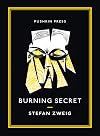
The Book Report: Wet, drippy little Edgar, his bored, would-be glam mama Mathilde, and the louche horndog Count Otto meet in an Austrian mountain resort. Otto takes a fancy to Mathilde, since she's a visibly bored Jewess of a certain age. He decides he'll lay siege to her virtue via befriending little larva Edgar, who mistakes his overtures for real friendship because it's never occurred to him that adults lie, cheat, and steal in pursuit of sex. After revolting Count Otto thinks he's about show more to achieve the leg-over, he drops Edgar, and his troubles begin. Hell hath no fury, apparently, like a barely pubescent boy disappointed in love. What this nasty little child dreams up to do to the perfidious, selfish adults is really quite impressive! In the end, his life is completely changed, and one rather trembles at the path his future will take...*cue Horst Wessel*....
My Review: Peopled with deeply dislikable characters, and set in an anonymous vacation destination with no sense of permanence, it's a little hard to invest in the dramatis personae for a goodly stretch of time. I don't think I ever really did all the way. I don't care at all about anyone here, in that if each of them had fallen off an Alp I would've pursed my lips, tutted, and gone about my day.
But the story is a very involving one, paradoxically, because the nature of love comes in for a pretty thorough and fairly damning examination, one that would have seemed very risky for Jewish Zweig to conduct so openly in 1913, the year it was published. The love of mother for son, of son for mother, and mother for sex is explicitly explored. The love of any one of these people for anything is revealed in all its unglory as deeply selfish and terribly destructive, as my cynical heart believes love always to be. (Want to screw up a friendship? Fall in love with your friend! *bang* goes any hope of remaining on good terms...but I digress.)
A movie version of this novella, starring Faye Dunaway, appeared about 25 years ago. It wasn't very good. I am amazed at that, since Zweig's writing is so clear and simple that I'd think it was a shoo-in to have excellent dialogue come out of the characters' mouths. C'est la vie, as conventionally Francophile Mathilde would say...doubtless in a heavy Viennese accent.
So, okay, the point is: Recommended to Zweigers, cynics, and those with pubescent boys at home. Romantics, leave on shelf. "Life is Beautiful" and "La Traviata" fans, turn your backs upon. Multi-eyed, part-alien cyborgs, read and learn...this is what humans are *really* like, and it's not a terribly pretty picture. show less
My Review: Peopled with deeply dislikable characters, and set in an anonymous vacation destination with no sense of permanence, it's a little hard to invest in the dramatis personae for a goodly stretch of time. I don't think I ever really did all the way. I don't care at all about anyone here, in that if each of them had fallen off an Alp I would've pursed my lips, tutted, and gone about my day.
But the story is a very involving one, paradoxically, because the nature of love comes in for a pretty thorough and fairly damning examination, one that would have seemed very risky for Jewish Zweig to conduct so openly in 1913, the year it was published. The love of mother for son, of son for mother, and mother for sex is explicitly explored. The love of any one of these people for anything is revealed in all its unglory as deeply selfish and terribly destructive, as my cynical heart believes love always to be. (Want to screw up a friendship? Fall in love with your friend! *bang* goes any hope of remaining on good terms...but I digress.)
A movie version of this novella, starring Faye Dunaway, appeared about 25 years ago. It wasn't very good. I am amazed at that, since Zweig's writing is so clear and simple that I'd think it was a shoo-in to have excellent dialogue come out of the characters' mouths. C'est la vie, as conventionally Francophile Mathilde would say...doubtless in a heavy Viennese accent.
So, okay, the point is: Recommended to Zweigers, cynics, and those with pubescent boys at home. Romantics, leave on shelf. "Life is Beautiful" and "La Traviata" fans, turn your backs upon. Multi-eyed, part-alien cyborgs, read and learn...this is what humans are *really* like, and it's not a terribly pretty picture. show less
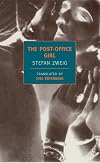
”The war has in fact ended, but poverty has not. It only ducked beneath the barrage of ordinances, crawled foxily behind the paper ramparts of war loans and banknotes with their ink still wet. Now it’s creeping back out, hollow-eyed, broad muzzled, hungry, and bold, eating what’s left in the gutters of the war. An entire winter of denominations and zeroes snows down from the sky, hundreds of thousands, millions, but every flake, every thousand melts in your hand. Money dissolves while show more you’re sleeping, it flies away while you’re changing your shoes (coming apart, with wooden heels) to run to the market for a second time; you never stop moving, but you’re always late. Life becomes mathematics, addition, multiplication, a mad whirl of figures and numbers, a vortex that snatches the last of your possessions into its black insatiable vacuum: your mother’s gold hair clasp off your neck, her wedding ring off her finger, the damask cloth off the table. But no matter how much you toss in, it’s no use, you can’t plug the black hellish hole, it does no good to stay up late knitting wool sweaters and rent all your rooms out and use the kitchen as a bedroom, doubling up with someone else.”
Stefan Zweig was a master at being able to make you feel what abject poverty really felt like. His descriptions of it literally tear your heart out. Set after WWI in the 1920s, Austria is a particularly harrowing place to be. The eponymous post office girl, Christine Hoflehner, is a civil servant who maintains the office in the inconsequential village of Klein-Reifling, two hours outside Vienna. Her meager salary allows her and her very ill mother to maintain a tiny attic space in the village. But she has an aunt who married a wealthy American and has extended an invitation to Christine to spend two weeks with them at a posh Swiss resort so Christine goes. Her aunt is at once cognizant of the fact that her niece has neither the clothes nor the bearing to be accepted by the clientele as ‘one of them’ so she takes her shopping and Christine is transformed. And Zweig switches gears and as deftly as he described poverty he now describes the world of the very wealthy ‘where unspoken wishes are granted. How could anyone be anything but happy here?’ But something happens. Someone she thought had become a friend has been inquiring into her background and apparently the jig is up. Christine is shocked when her aunt decides to check out of the hotel abruptly and go on to another posh spot and Christine is not invited along so she must return to her former life.
That is when she meets Ferdinand, a man whose experiences in captivity in Russia and his return to the very challenging employment opportunities in Austria have left him bitter and desperate. And Christine realizes that she is complete agreement with this sorry soul. Things are as bad as she thought they were. They hatch a scheme after a few meetings and the story ends on a sour note.
This may be the most depressing book I’ve ever read. But Zweig’s ability to make me feel extreme sadness in one moment and exhilaration the next is an ability not many authors have. And his command of language makes him an instant favorite with me. Just an astounding read and very highly recommended. show less
Stefan Zweig was a master at being able to make you feel what abject poverty really felt like. His descriptions of it literally tear your heart out. Set after WWI in the 1920s, Austria is a particularly harrowing place to be. The eponymous post office girl, Christine Hoflehner, is a civil servant who maintains the office in the inconsequential village of Klein-Reifling, two hours outside Vienna. Her meager salary allows her and her very ill mother to maintain a tiny attic space in the village. But she has an aunt who married a wealthy American and has extended an invitation to Christine to spend two weeks with them at a posh Swiss resort so Christine goes. Her aunt is at once cognizant of the fact that her niece has neither the clothes nor the bearing to be accepted by the clientele as ‘one of them’ so she takes her shopping and Christine is transformed. And Zweig switches gears and as deftly as he described poverty he now describes the world of the very wealthy ‘where unspoken wishes are granted. How could anyone be anything but happy here?’ But something happens. Someone she thought had become a friend has been inquiring into her background and apparently the jig is up. Christine is shocked when her aunt decides to check out of the hotel abruptly and go on to another posh spot and Christine is not invited along so she must return to her former life.
That is when she meets Ferdinand, a man whose experiences in captivity in Russia and his return to the very challenging employment opportunities in Austria have left him bitter and desperate. And Christine realizes that she is complete agreement with this sorry soul. Things are as bad as she thought they were. They hatch a scheme after a few meetings and the story ends on a sour note.
This may be the most depressing book I’ve ever read. But Zweig’s ability to make me feel extreme sadness in one moment and exhilaration the next is an ability not many authors have. And his command of language makes him an instant favorite with me. Just an astounding read and very highly recommended. show less
Adoro il modo di scrivere di Stefan Zweig e ho sempre ammirato profondamente la figura di Erasmo da Rotterdam. E' una pseudobiografia che descrive trionfo e caduta di uno dei più grandi uomini di cultura europei. Nato in Olanda, morto a Basilea dopo aver viaggiato per mezza Europa ed aver avuto residenza e amici in Inghilterra, a Venezia, in Germania, grande studioso da tutti ammirato, che ha saputo ritornare alle fonti latine e greche, attualizzare il messaggio cristiano pervadendolo di show more umanesimo, si trova però a vivere in uno dei momenti più difficili della sua epoca: quello in cui la Chiesa si dividerà con molte violenze verbali e fisiche e con la ribellione dei contadini repressa nel sangue, dopo il sorgere della riforma luterana. Il testo dedica molto spazio anche alla figura di Lutero, che pare essere l'alter ego imprudente di Erasmo: l'uno duro e fanatico, ma coraggioso e l'altro pusillanime, ma nello stesso tempo pietoso, comprensivo, razionale e di ampie vedute (non per nulla era anche un pedagogo e prima di avere una sua propria fama educava i rampolli della nobiltà, a cui ha dedicato opere apposite). Ho sempre visto in Erasmo la tragicità dell'uomo di pace, che vede molto avanti e che per questo non riesce ad essere compreso dai suoi contemporanei. Erasmo vedeva, toccava quasi con mano una Unione Europea, Erasmo credeva che la lingua latina e il cristianesimo potessero unificare le genti, Erasmo parlava di spiritualizzazione della religione e del primato della coscienza sulla dottrina. Sono tutte cose che oggi diamo per scontate, ma per la sua epoca, quanto era avanti! Il suo dramma è quello di chi arriva a un soffio dal veder realizzato il sogno in cui crede, e lo vede spazzato via dal nascere di controversie che trovano nutrimento e forza nelle divisioni e persino nella violenza. La riforma infatti iniziò subito ad essere usata come strumento politico per incamerare i beni della chiesa da parte dei principi tedeschi, fu ritenuta degno motivo di ribellione sociale da parte dei contadini, che furono massacrati con l'appoggio dello stesso Lutero, il quale si schierò con i suoi nobili protettori. L'infuriare dell'intolleranza provocò infine la morte di Thomas Muntzer e di altri seguaci di Lutero stesso e soprattutto il martirio di Thomas More, amico fraterno di Erasmo, che fu ucciso per volere di Enrico VIII in quanto colpevole di non approvare il suo divorzio e la separazione da Roma della Chiesa anglicana. Tuttora Thoms More o Tommaso Moro è santo martire della chiesa cattolica per come fu assassinato, e dal 1980 è considerato altrettanto anche dagli anglicani).
Il testo di Zweig in certi punti è un po' contorto ma in altri, specialmente nel primo capitolo, è come sempre da incorniciare. Per una grande ammiratrice di Erasmo quale sono (l'Elogio della follia è secondo me uno dei suoi testi meno preziosi, io sono affascinata dagli Adagia, in cui si trovano vette teologiche impensabili per l'epoca) ho trovato le sue critiche un po' severe. Erasmo non era semplicemente pavido. Erasmo era una persona conscia che in un momento storico come quello e con un avversario come Lutero (fanaticamente spinto a fare la presunta volontà di Dio a qualsiasi costo, appoggiandosi di fatto al potere politico e divenendo quindi ben presto il braccio religioso dei nobili tedeschi), ogni suo sforzo sarebbe stato inutile. E infatti ogni sua frase fu fraintesa, ogni suo gesto fu inutile, entrambi gli schieramenti in lotta si rifiutarono di capire la sua equidistanza. Fu il primo teorizzatore della lettura personale della Bibbia, fu uno dei primi a criticare il lusso dei papi e la vendita delle indulgenze, negli Adagia scrisse: paradossalmente, chi è veramente cristiano è talmente "divino" dentro di sé da non aver bisogno di atti di culto esteriori se non per sentirsi in comunità con gli altri (ditemi se on è un concetto moderno nel 1500!). Ma quando Lutero sfasciò tutto, comprese il rischio che ne derivava molto meglio di altri, e non accettò di essere a lui accomunato perché il suo modo di porre la questione rompeva quella idea di Europa unita, quella idea di pace e di umanità a cui anelava. Fu così che, pur non essendo ricco e pur venendo pesantemente offeso dai luterani come traditore, rifiutò il cardinalato offertogli dal papa, che per lui avrebbe significato molto in termini economici (Erasmo era sacerdote semplice). La libertà intellettuale spesso non viene capita. I suoi libri finirono bruciati dai luterani e messi all'Indice dai cattolici. Eppure non predicavano altro che l'adesione intima al messaggio di Cristo. Ma nella violenza della Riforma (che avrebbe causato poi per contrasto la violenza della Controriforma con la sua Inquisizione) non c'era ormai più spazio per quell'anelito rinascimentale all'unità europea sotto l'egida del latino e della religione cristiana. Povero grande Erasmo. Se come me lo amate e amate pure Zweig, questo breve testo fa per voi. Forse non il miglior Zweig, ma sempre Zweig comunque. show less
Il testo di Zweig in certi punti è un po' contorto ma in altri, specialmente nel primo capitolo, è come sempre da incorniciare. Per una grande ammiratrice di Erasmo quale sono (l'Elogio della follia è secondo me uno dei suoi testi meno preziosi, io sono affascinata dagli Adagia, in cui si trovano vette teologiche impensabili per l'epoca) ho trovato le sue critiche un po' severe. Erasmo non era semplicemente pavido. Erasmo era una persona conscia che in un momento storico come quello e con un avversario come Lutero (fanaticamente spinto a fare la presunta volontà di Dio a qualsiasi costo, appoggiandosi di fatto al potere politico e divenendo quindi ben presto il braccio religioso dei nobili tedeschi), ogni suo sforzo sarebbe stato inutile. E infatti ogni sua frase fu fraintesa, ogni suo gesto fu inutile, entrambi gli schieramenti in lotta si rifiutarono di capire la sua equidistanza. Fu il primo teorizzatore della lettura personale della Bibbia, fu uno dei primi a criticare il lusso dei papi e la vendita delle indulgenze, negli Adagia scrisse: paradossalmente, chi è veramente cristiano è talmente "divino" dentro di sé da non aver bisogno di atti di culto esteriori se non per sentirsi in comunità con gli altri (ditemi se on è un concetto moderno nel 1500!). Ma quando Lutero sfasciò tutto, comprese il rischio che ne derivava molto meglio di altri, e non accettò di essere a lui accomunato perché il suo modo di porre la questione rompeva quella idea di Europa unita, quella idea di pace e di umanità a cui anelava. Fu così che, pur non essendo ricco e pur venendo pesantemente offeso dai luterani come traditore, rifiutò il cardinalato offertogli dal papa, che per lui avrebbe significato molto in termini economici (Erasmo era sacerdote semplice). La libertà intellettuale spesso non viene capita. I suoi libri finirono bruciati dai luterani e messi all'Indice dai cattolici. Eppure non predicavano altro che l'adesione intima al messaggio di Cristo. Ma nella violenza della Riforma (che avrebbe causato poi per contrasto la violenza della Controriforma con la sua Inquisizione) non c'era ormai più spazio per quell'anelito rinascimentale all'unità europea sotto l'egida del latino e della religione cristiana. Povero grande Erasmo. Se come me lo amate e amate pure Zweig, questo breve testo fa per voi. Forse non il miglior Zweig, ma sempre Zweig comunque. show less
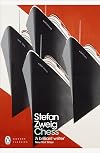
Isolation is such a dangerous thing. The mere thought of being enclosed in four walls with nothing but a bed, a wash bin, a table, and a chair is in itself psychological torture. Zweig's classic short story Chess tells of a stranger's haunting past during the Nazi regime. A monomania sprung from one's desperate need to find a coping mechanism against the taxing and consuming instruments of torture; a fixation depleting one's muddled grasp on self-control and reality.
Zweig knew the depths of show more the human mind really well and in Chess he has created the allusions of trauma and obsession and their everlasting aftermath. On another note, this reminded me of Pixar's fantastic short film Geri's Game. show less
Zweig knew the depths of show more the human mind really well and in Chess he has created the allusions of trauma and obsession and their everlasting aftermath. On another note, this reminded me of Pixar's fantastic short film Geri's Game. show less
Lists
German Literature (13)
1930s (1)
Schwob Nederland (1)
Reading LIst (1)
Short and Sweet (1)
Five star books (1)
Stuff from Bard (1)
History (1)
Jewish Books (4)
Liste Otto (3)
Best Biographies (2)
A Novel Cure (2)
Favourite Books (1)
1940s (1)
Awards


You May Also Like


Associated Authors
Statistics
- Works
- 904
- Also by
- 44
- Members
- 32,929
- Popularity
- #587
- Rating
- 4.1
- Reviews
- 1,016
- ISBNs
- 2,729
- Languages
- 40
- Favorited
- 145


