
Sue Monk Kidd
Author of The Secret Life of Bees
About the Author
Sue Monk Kidd was born in Sylvester, Georgia on August 12, 1948. She received a B.S. in nursing from Texas Christian University in 1970 and worked throughout her twenties as a registered nurse and college nursing instructor. She got her start in writing at the age of 30 when a personal essay she show more wrote for a writing class was published in Guideposts and reprinted in Reader's Digest. She went on to become a contributing editor at Guideposts and a freelancer. She primarily writes non-fiction, but is best known for her novel, The Secret Life of Bees, which won the 2004 Book Sense Paperback book of the Year. The book was made into a movie in 2008. Her other works include God's Joyful Surprise, When the Heart Waits, The Dance of the Dissident Daughter, Firstlight, and Traveling with Pomegranates: A Mother-Daughter Story. The Mermaid Chair won the 2005 Quill Award for General Fiction and was adapted into a television movie by Lifetime. Sue's title, The Invention of Wings, was selected as the Oprah Book Club 2.0 read in January, 2014. This title also made The New York Times Best Seller List. (Bowker Author Biography) show less
Works by Sue Monk Kidd
The Dance of the Dissident Daughter: A Woman's Journey from Christian Tradition to the Sacred Feminine (1996) 1,321 copies, 21 reviews
Love's Hidden Blessings: God Can Touch Your Life When You Least Expect It (1990) 38 copies, 1 review
Associated Works
After Jesus Before Christianity: A Historical Exploration of the First Two Centuries of Jesus Movements (2021) — Foreword — 133 copies, 3 reviews
Of Love and Life: Three Weeks in Paris / The Secret Life of Bees / Fair Game (2002) — Contributor — 9 copies
Tagged
Common Knowledge
- Birthdate
- 1948-08-12
- Gender
- female
- Education
- Texas Christian University(B.S. ∙ 1970)
Emory University - Occupations
- nurse(registered)
instructor(nursing)
writer-in-residence
novelist
memoirist
short story writer - Agent
- William Morris Agency
- Relationships
- Taylor, Ann Kidd (daughter)
- Short biography
- Sue Monk Kidd was born in Albany, Georgia and raised in the tiny town of Sylvester, Georgia, a place that later deeply influenced the writing of her first novel. Her original career was as a nurse and nursing instructor. Her first published book was God's Joyful Surprise (1988), a spiritual memoir. In 1996, she published another memoir, The Dance of the Dissident Daughter, which had a groundbreaking effect within religious circles.
In her 40s, she decided to return to her earlier fiction writing, and enrolled in a graduate writing course at Emory University, as well as studying at Sewanee, Bread Loaf and other writers' conferences. She wrote and published short stories in small literary journals for which she won several awards. Her first novel The Secret Life of Bees (2002) became a major hit, selling more than 6 million copies and spending more than 2½ years on the New York Times bestseller list. It was also published in 35 countries and is now widely used as a text in high school and college classrooms. The Secret Life of Bees was produced on stage in New York by The American Place Theater and adapted into a movie in 2008.
Sue's second novel, The Mermaid Chair (2005) sold nearly 2 million copies and was #1 on the New York Times bestseller list. It has been translated into 24 languages and was produced as a television movie by Lifetime. - Nationality
- USA
- Birthplace
- Albany, Georgia, USA
- Places of residence
- Sylvester, Georgia, USA
Charleston, South Carolina, USA
Florida, USA - Map Location
- USA
Members
Reviews
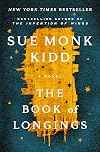
This book will undoubtedly be considered blasphemous by some people since it imagines that Jesus was married.
The novel focuses on Ana, the daughter of the counselor and chief scribe to the tetrarch Herod Antipas and stepsister of Judas. Her father allows her a tutor so she learns to read and write, and her ambition is to write the stories of women. On the day that she is betrothed to an older widower, she meets Jesus, though it is not until later that she marries him. Because Jesus must show more travel for work as a stonemason/carpenter, he is often away from home, leaving Ana with his mother Mary and his siblings. Their separation lengthens when Jesus begins his ministry and Ana has to flee to Egypt.
From her first appearance, when Ana is 14, she is a headstrong young woman with dreams of her own. She accurately describes herself as “willful, impulsive, composed of strange hopes and selfish rebellion.” Once she can read the Scriptures for herself, she realizes there are women in it, but their stories are ignored and forgotten: “I swore an oath to set down their accomplishments and praise their flourishings, no matter how small.” She possesses what would be considered modern sensibilities about women’s roles.
Fortunately, Ana meets a man who respects and admires and loves the feisty Ana. Jesus supports her passions however he can. Because the two are well-matched, their relationship seems plausible. Ana is certainly intellectually and spiritually curious. Like Ana, Jesus tries to figure out his path in life. What is interesting is that Ana’s yearnings may have “intimations of divinity” so both she and Jesus may have a higher calling.
Of course, the book focuses on Jesus as a human and de-emphasizes his divinity. The Biblical miracles are totally absent. For instance, reference is made a wedding in Cana but no mention of the miracle that occurred there. Lazarus appears, but Jesus’ raising him from the dead is omitted. Regardless, because we know what will happen to Jesus, there is always a feeling of impending doom. When references are made to John the Baptist and the Garden of Gethsemane, dramatic irony works to create suspense.
The novel is an imaginative, woman-centred retelling of the New Testament. There are several strong female characters. Besides Ana, there’s her aunt Yaltha and her friend Tabatha both of whom suffer greatly at the hands of men, their “lives and fates left to men.” Though the book emphasizes the voiceless status of women, several women find a way to express themselves and tell their stories.
I found this an interesting read. It cannot but leave one questioning why, even though little is known of Jesus’ life as a young man, it was decided that he was unmarried. Ana asks, “Did they believe making him celibate rendered him more spiritual? I found no answers, only the sting of being erased.”
Note: Please check out my reader's blog (https://schatjesshelves.blogspot.com/) and follow me on Twitter (@DCYakabuski). show less
The novel focuses on Ana, the daughter of the counselor and chief scribe to the tetrarch Herod Antipas and stepsister of Judas. Her father allows her a tutor so she learns to read and write, and her ambition is to write the stories of women. On the day that she is betrothed to an older widower, she meets Jesus, though it is not until later that she marries him. Because Jesus must show more travel for work as a stonemason/carpenter, he is often away from home, leaving Ana with his mother Mary and his siblings. Their separation lengthens when Jesus begins his ministry and Ana has to flee to Egypt.
From her first appearance, when Ana is 14, she is a headstrong young woman with dreams of her own. She accurately describes herself as “willful, impulsive, composed of strange hopes and selfish rebellion.” Once she can read the Scriptures for herself, she realizes there are women in it, but their stories are ignored and forgotten: “I swore an oath to set down their accomplishments and praise their flourishings, no matter how small.” She possesses what would be considered modern sensibilities about women’s roles.
Fortunately, Ana meets a man who respects and admires and loves the feisty Ana. Jesus supports her passions however he can. Because the two are well-matched, their relationship seems plausible. Ana is certainly intellectually and spiritually curious. Like Ana, Jesus tries to figure out his path in life. What is interesting is that Ana’s yearnings may have “intimations of divinity” so both she and Jesus may have a higher calling.
Of course, the book focuses on Jesus as a human and de-emphasizes his divinity. The Biblical miracles are totally absent. For instance, reference is made a wedding in Cana but no mention of the miracle that occurred there. Lazarus appears, but Jesus’ raising him from the dead is omitted. Regardless, because we know what will happen to Jesus, there is always a feeling of impending doom. When references are made to John the Baptist and the Garden of Gethsemane, dramatic irony works to create suspense.
The novel is an imaginative, woman-centred retelling of the New Testament. There are several strong female characters. Besides Ana, there’s her aunt Yaltha and her friend Tabatha both of whom suffer greatly at the hands of men, their “lives and fates left to men.” Though the book emphasizes the voiceless status of women, several women find a way to express themselves and tell their stories.
I found this an interesting read. It cannot but leave one questioning why, even though little is known of Jesus’ life as a young man, it was decided that he was unmarried. Ana asks, “Did they believe making him celibate rendered him more spiritual? I found no answers, only the sting of being erased.”
Note: Please check out my reader's blog (https://schatjesshelves.blogspot.com/) and follow me on Twitter (@DCYakabuski). show less
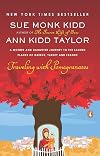
Traveling with Pomegranates: A Mother and Daughter Journey to the Sacred Places of Greece, Turkey, and France by Sue Monk Kidd
“My children have always existed at the deepest center of me, right there in the heart/hearth, but I struggled with the powerful demands of motherhood, chafing sometimes at the way they pulled me away from my separate life, not knowing how to balance them with my unwieldy need for solitude and creative expression.”
This is a reflective memoir co-authored by Sue Monk Kidd and her daughter, Ann Kidd Taylor. The book follows their journeys through Greece and France as they each navigate show more pivotal moments in their lives—Sue grappling with the transition into midlife and the empty-nest phase, and Ann seeking direction after college while struggling with self-doubt. As they explore these ancient lands, their personal reflections deepen, revealing the complexity of their mother-daughter relationship and their own individual quests for identity and purpose.
This book was not what I expected. For no clear reason, I assumed it was about a mom-daughter U.S. road trip, not an introspective journey through Greece and France. I liked how Greek mythology was a significant part of the storytelling; not being Christian, I couldn't relate at all with the large amount of content about Mary (mother of Jesus).
As a mother of an adult daughter whom I cherish, I was eager to dive into this book. We moms can always use all the help we can get as we navigate the sometimes-tricky terrain of relating to our daughters as they enter adulthood. This book invited me to reflect on my own relationship, and I was interested in the way Sue and Ann shared their different perspectives. The lesson of never taking anything personally was constantly running through my head.
Beyond the mother-daughter relationship, the book is a good one for empty-nester women who are looking to redefine their lives in a new chapter and for young women at the end of college who are struggling to launch themselves into the world.
While I found bits and pieces of the book helpful, the pacing was quite slow for me. It’s a very reflective narrative that moves at a gentle, sometimes sluggish, pace. At times, it felt like it dragged, and it wasn’t one of those books I was rushing to pick up again.
Any woman with a deep love of Greece or an appreciation for its mythology, history, and landscape will especially enjoy the book. show less
This is a reflective memoir co-authored by Sue Monk Kidd and her daughter, Ann Kidd Taylor. The book follows their journeys through Greece and France as they each navigate show more pivotal moments in their lives—Sue grappling with the transition into midlife and the empty-nest phase, and Ann seeking direction after college while struggling with self-doubt. As they explore these ancient lands, their personal reflections deepen, revealing the complexity of their mother-daughter relationship and their own individual quests for identity and purpose.
This book was not what I expected. For no clear reason, I assumed it was about a mom-daughter U.S. road trip, not an introspective journey through Greece and France. I liked how Greek mythology was a significant part of the storytelling; not being Christian, I couldn't relate at all with the large amount of content about Mary (mother of Jesus).
As a mother of an adult daughter whom I cherish, I was eager to dive into this book. We moms can always use all the help we can get as we navigate the sometimes-tricky terrain of relating to our daughters as they enter adulthood. This book invited me to reflect on my own relationship, and I was interested in the way Sue and Ann shared their different perspectives. The lesson of never taking anything personally was constantly running through my head.
Beyond the mother-daughter relationship, the book is a good one for empty-nester women who are looking to redefine their lives in a new chapter and for young women at the end of college who are struggling to launch themselves into the world.
While I found bits and pieces of the book helpful, the pacing was quite slow for me. It’s a very reflective narrative that moves at a gentle, sometimes sluggish, pace. At times, it felt like it dragged, and it wasn’t one of those books I was rushing to pick up again.
Any woman with a deep love of Greece or an appreciation for its mythology, history, and landscape will especially enjoy the book. show less
When I complete the physical act of reading a book that I am not ready to mentally shut the cover on, I usually allow it to continue to simmer and bubble up in my thoughts for a period of time. A few hours, a day, sometimes longer. When that happens, I wait to start reading my next book. The Book of Longings has been simmering in me since I finished yesterday afternoon, and it is not finished. If I were not facing another week of long working hours, I would have let it simmer longer — show more caramelize — before I wrote a review.
The story is narrated by Ana, future, present, and widowed wife of Jesus, son of Joseph of Nazareth. As with all good historical fiction, the story is plausible because embroidered into the details are the familiar events of the New Testament stories, but also because it offers a plausible scenario in which she would not have appeared in the writings of the Apostles. Because of that latter element, I did not have to suspend disbelief to become immersed in Ana’s story, which I sometimes struggle with in a lesser work of historical fiction.
No spoilers here; just my general observations on the fine writing and compelling story. Ana certainly became a voice in my world in Sue Monk Kidd’s well-told tale. show less
The story is narrated by Ana, future, present, and widowed wife of Jesus, son of Joseph of Nazareth. As with all good historical fiction, the story is plausible because embroidered into the details are the familiar events of the New Testament stories, but also because it offers a plausible scenario in which she would not have appeared in the writings of the Apostles. Because of that latter element, I did not have to suspend disbelief to become immersed in Ana’s story, which I sometimes struggle with in a lesser work of historical fiction.
No spoilers here; just my general observations on the fine writing and compelling story. Ana certainly became a voice in my world in Sue Monk Kidd’s well-told tale. show less
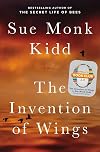
Just fantastic in every way. And I will be forever grateful to the friend of a friend who particularly recommended LISTENING to this one. Actresses Jenna Lamia and Adepero Oduye voice the alternating chapter characters of white Charleston early abolitionist Sarah Grimke and Hetty/Handful, the slave Sarah is given on her 11th birthday against her wishes. Lamia's and Oduye's skill drew me right into the story, and their voices stayed with me even when I grew impatient with the pace of show more listening, and read several chapters myself towards the end. Sue Monk Kidd did exhaustive research to produce this novel, and explains in her Author's Note at the end where she diverged from fact. While she does embellish and imagine, she is largely faithful to the true story of Sarah and her fellow abolitionist sister, Angelina (Nina). Kidd has done a great service by bringing their lives (which had largely been forgotten, even in Charleston) and Handful's (which was invented, but also based on research) to a much wider audience than the straight historical accounts had previously reached. But all of that might not have worked so well if she hadn't made all three of them, as well as other background characters, so memorable, moving, and compelling. show less
Lists
Carole's List (3)
A Novel Cure (1)
The "A" List (1)
Coming of Age (1)
Women's Stories (1)
Florida (1)
Female Author (1)
Read in 2007 (1)
Writing (1)
Pageturners (1)
Southern Fiction (1)
To Read (2)
Great Audiobooks (1)
Secrets Books (1)
First Novels (1)
AP Lit (1)
Best Young Adult (1)
Summer Reading (1)
Indie Next Picks (1)
Awards


You May Also Like


Associated Authors
Statistics
- Works
- 26
- Also by
- 6
- Members
- 48,942
- Popularity
- #319
- Rating
- 3.8
- Reviews
- 1,309
- ISBNs
- 345
- Languages
- 23
- Favorited
- 58
