

Tariq Ali
Author of Shadows of the Pomegranate Tree
About the Author
Tariq Ali is a writer and filmmaker. He has written more than two dozen books on world history and politics, seven novels (translated into over a dozen languages), and scripts for the stage and screen. He is an editor of New Left Review and lives in London.
Image credit: Tariq Ali Photo: Jonathan Cape
Series
Works by Tariq Ali
Great Interviews of the 20th Century: Fidel Castro by Herbert Matthews 1957 (2007) — Foreword — 4 copies
Medo De Espelhos 4 copies
ALI a la sombra del granado 1 copy
God Connections 1 copy
2007 1 copy
Associated Works
Tagged
Common Knowledge
- Birthdate
- 1943-10-21
- Gender
- male
- Education
- University of the Punjab
University of Oxford (Exeter College) - Occupations
- historian
political activist - Relationships
- Watkins, Susan Alice (partner)
Khan, Mazhar Ali (father)
Khan, Tahira Mazhar Ali (mother) - Nationality
- Pakistan (birth)
UK - Birthplace
- Lahore, Punjab, Pakistan
- Places of residence
- London, England, UK
Highgate, London, England, UK - Map Location
- Pakistan
Members
Discussions
British Author Challenge March 2023: Vita Sackville-West & Tariq Ali in 75 Books Challenge for 2023 (March 2023)
Reviews
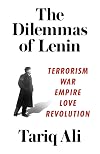
I read this book not long after reading China Miéville's re-telling of the Bolshevik Revolution, October. It was as well that I did, because Ali does not take a formal chronological view of Lenin's life. Rather, he chooses a series of themes, as set out in the subtitle, and then looks at those subjects as reflected in the events of Lenin's life. There is a chronological progression in there, but Ali uses the thematic structure to step out of chronology at various points.
He also digresses show more into other areas; the political background of the nineteenth century in Russia, against which Lenin grew up; the story of the Civil War and the Russo-Polish War, and Tukachevsky's role in it; other Socialist thinkers from countries outside Russia such as the English Chartist Ernest Jones; the role and position of women in early socialism and Bolshevik women's organisations; the progress of socialist revolution in Europe in the years after 1917 and the political manoeuvring that saw its failure; and the fate of many of Lenin's contemporaries.
The language is most definitely that of the academic Left, though I did not find it hard going. There are also regular diversions into Tariq Ali's own activism; some of this has relevance, some does not. A lot of it has a faint air of self-congratulation about it. There is also some comparison of historical events with contemporary parallels, and some of these are definitely shoehorned in and specifically attempt to reinforce a leftist standpoint on the contemporary issue in question.
However, Ali manages to keep on just the right side of hagiography. He is not afraid to quote Lenin's critics, both contemporary to his time, place and political landscape, and more recent writers such as Churchill, Richard Pipes and Robert Service, though I suspect his quotations from Pipes and Service are quite selective. Ultimately, though, this is undoubtedly a Leftist book, more so than Miéville's; and it should not be a general reader's starting point on learning about Lenin whatever your political stance precisely because it does rely for its interpretation on a lot of knowledge of the arguments amongst, and language of, the broad left. Those who have a command of that language will find this book useful. show less
He also digresses show more into other areas; the political background of the nineteenth century in Russia, against which Lenin grew up; the story of the Civil War and the Russo-Polish War, and Tukachevsky's role in it; other Socialist thinkers from countries outside Russia such as the English Chartist Ernest Jones; the role and position of women in early socialism and Bolshevik women's organisations; the progress of socialist revolution in Europe in the years after 1917 and the political manoeuvring that saw its failure; and the fate of many of Lenin's contemporaries.
The language is most definitely that of the academic Left, though I did not find it hard going. There are also regular diversions into Tariq Ali's own activism; some of this has relevance, some does not. A lot of it has a faint air of self-congratulation about it. There is also some comparison of historical events with contemporary parallels, and some of these are definitely shoehorned in and specifically attempt to reinforce a leftist standpoint on the contemporary issue in question.
However, Ali manages to keep on just the right side of hagiography. He is not afraid to quote Lenin's critics, both contemporary to his time, place and political landscape, and more recent writers such as Churchill, Richard Pipes and Robert Service, though I suspect his quotations from Pipes and Service are quite selective. Ultimately, though, this is undoubtedly a Leftist book, more so than Miéville's; and it should not be a general reader's starting point on learning about Lenin whatever your political stance precisely because it does rely for its interpretation on a lot of knowledge of the arguments amongst, and language of, the broad left. Those who have a command of that language will find this book useful. show less
When you are to read about one of the controversial (to say the least) historical figures in a book written by author that is heavily biased towards that very person one needs to have a clear head. And so, I started this book wanting to see what will I find in it and truly hoping this is not going to be a propaganda-pamphlet-book. I am happy to say this was not the case.
Tariq Ali writes in a wonderful way. This book could have been a very poor and dry read but he manages to make it come to show more life. Author obviously knows a lot about the period and provides not only references to other works but his own additional comments on the subject and this truly adds to the book.
We follow Lenin from his early days, his early childhood, shocking loss of his brother [executed by Tsarist regime] and finally his rise through the Socialist movements and revolutions of 1905 and 1917, bloody Civil War and his very interesting views on the aftermath (and future of the) revolution at the very end of his life.
Lenin is a very intriguing figure, always living in the shadows and very unwilling to share details about his life. If you ever wanted to read about the ultimate spy then I think one needs not look any further. Although he is ever present in the Socialist circles he is constantly being sent to exile by Tsarist regime and living in Western Europe (especially Germany, Switzerland). After the revolution of 1905 he decides to use more radical measures and organizes his party (soon to be known as Bolsheviks) along the lines of what today would be called guerilla movement (think more in line of "Arlington Road" than "Michael Collins") that was highly illegal in Tsarist Russia and gaining popularity in rest of Europe, especially Germany. Lenin was always experimenting with all sorts of political organization but in the end sensing coming WW1 he made a very radical decision that will mark the coming period in history a lot. Decision was simple - single-handedly take the power of Russia using the WW1 horrors Tsarist regime brought on its people (on top of the already existing horrible conditions when it comes to living conditions of majority of population) as an opportunity to galvanize the popular support. This approach, total antagonization of other political parties (sometimes not just through Lenin's actions but his actions surely did not help) will create the atmosphere that will help Stalin and his followers to completely undermine the results of the revolution and create totalitarian state. As we follow the changes revolution brought into Russian society post-1917 we can also see the outlines of the coming disaster.
Although lots of positive changes were done (armistice, social changes, women rights), great losses from WW1 and then bloody Civil War and finally total loss of momentum [when revolution did not take place in Western Europe] and disappointment with the US government actions slowly caused reformists rule to get replaced by ever more bureaucratic machine based on "scientific and democratic approach" (which sounds very very very disturbing these days). Of course this scientific just means that entire population is to be treated as a mass (not mass of individuals but mass) and thus was looked through prism of what you might call condition engine (if...then...) that would mark someone as anti revolutionary based not on concrete actions but on predictions of the actions (thought police? again brrrrr). Is it surprising that snitching became national sport?
Due to horrendous losses in the war the very people that were supposed to be The Population to carry on the revolution were decimated very close to a man and woman by 1920. Influx of uneducated and rural cadre caused by this further ruined the movement because it brought in people that were strong believers in the Tsarist methods but presented it as a reform revolutionary activity (again, this is not something that can be taken against the rural (majority of) Russian population due to their very history, it was not until 1917 that they gained freedom from feudal rulers of Tsarist regime and of course they knew nothing better than the way they were treated).
Author presents Lenin as a intellectual that argued with his opponents but they just forced his hand in the end and caused him to organize complete power takeover during 1917. John Reed's account gives us a more direct view of the man who knew what he was doing and was not forced by anything or anyone - Lening laid a corner stone for a dictatorship that will then become for all means and purposes cult of personality and finally taken over by Stalin.
Would the rule under Lenin be more benevolent if he did not die prematurely? I think it would. He had a very strong stand on how he sees revolution evolving - his final views were premonitions of things to come and his warning on the newly formed apparatus and people heading it were spot on. But these came too little too late in time when he was potentially sidelined by the new majority.
He was a great thinker and he definitely wanted best for his nation but he was a fanatic and unable to plan in the long run (as is always case with zaelots and fanatics). He wanted to transport his nation from medieval period to modern society in a span of little more that a decade by completely obliterating the past knowledge, history and experiences. Unfortunately this cannot be done (as his last remarks clearly show). Society needs to grow and evolve and unfortunately every step in social evolution that is skipped will bring ruin later. Revolution took place too early, without the population that could actually make all the promises a reality. As a result it ended up in form of secular church (which is something it shares with all dictatorships because they all have need to replace religion and place themselves as body/soul keepers/saviors). If this was done in steps/phases, without exclusivity and with better cooperation with the other Socialist parties who knows what could happen. If there ever was a proof for saying haste-makes-waste this was it.
I especially liked the comments on the foreign elements - fail of revolution in Germany (something Lenin could never get over) that caused raise of another radical dictatorship, resistance of West Europe and launch of counter revolution movements (complete disillusion with the worker movements in West Europe and US - again due to very simple fact that these societies were on a completely different level from Russia to begin with so views on the future and politics just could not match) and finally role played by West Europe and US in invading the Russia and assisting Whites. Bibliography is very detailed and I am already on a lookout for other books covering this same period.
In the end greatest beneficiary of the Russian revolution was not Russia but other nations. Victory of the Bolsheviks gave worker movements strength and they soon got their liberties and rights. Strengthening of worker class in Europe helped a lot in resisting Nazism and Fascism but unfortunately caused ever deepening rift between Russian work class and workers of the rest of the Europe. And all thanks to exclusivity of the Soviet regime and unwillingness to communicate and compromise.
Excellent book that should be a warning to both reformers and those following them - immediate jump is not possible. If you want society to progress immediately we need to ask ourselves why - is it because of the population we want to help or for personal goals. Unfortunately road to hell is paved with good intentions and nobody wants to live in hell (right?).
Recommended. show less
Tariq Ali writes in a wonderful way. This book could have been a very poor and dry read but he manages to make it come to show more life. Author obviously knows a lot about the period and provides not only references to other works but his own additional comments on the subject and this truly adds to the book.
We follow Lenin from his early days, his early childhood, shocking loss of his brother [executed by Tsarist regime] and finally his rise through the Socialist movements and revolutions of 1905 and 1917, bloody Civil War and his very interesting views on the aftermath (and future of the) revolution at the very end of his life.
Lenin is a very intriguing figure, always living in the shadows and very unwilling to share details about his life. If you ever wanted to read about the ultimate spy then I think one needs not look any further. Although he is ever present in the Socialist circles he is constantly being sent to exile by Tsarist regime and living in Western Europe (especially Germany, Switzerland). After the revolution of 1905 he decides to use more radical measures and organizes his party (soon to be known as Bolsheviks) along the lines of what today would be called guerilla movement (think more in line of "Arlington Road" than "Michael Collins") that was highly illegal in Tsarist Russia and gaining popularity in rest of Europe, especially Germany. Lenin was always experimenting with all sorts of political organization but in the end sensing coming WW1 he made a very radical decision that will mark the coming period in history a lot. Decision was simple - single-handedly take the power of Russia using the WW1 horrors Tsarist regime brought on its people (on top of the already existing horrible conditions when it comes to living conditions of majority of population) as an opportunity to galvanize the popular support. This approach, total antagonization of other political parties (sometimes not just through Lenin's actions but his actions surely did not help) will create the atmosphere that will help Stalin and his followers to completely undermine the results of the revolution and create totalitarian state. As we follow the changes revolution brought into Russian society post-1917 we can also see the outlines of the coming disaster.
Although lots of positive changes were done (armistice, social changes, women rights), great losses from WW1 and then bloody Civil War and finally total loss of momentum [when revolution did not take place in Western Europe] and disappointment with the US government actions slowly caused reformists rule to get replaced by ever more bureaucratic machine based on "scientific and democratic approach" (which sounds very very very disturbing these days). Of course this scientific just means that entire population is to be treated as a mass (not mass of individuals but mass) and thus was looked through prism of what you might call condition engine (if...then...) that would mark someone as anti revolutionary based not on concrete actions but on predictions of the actions (thought police? again brrrrr). Is it surprising that snitching became national sport?
Due to horrendous losses in the war the very people that were supposed to be The Population to carry on the revolution were decimated very close to a man and woman by 1920. Influx of uneducated and rural cadre caused by this further ruined the movement because it brought in people that were strong believers in the Tsarist methods but presented it as a reform revolutionary activity (again, this is not something that can be taken against the rural (majority of) Russian population due to their very history, it was not until 1917 that they gained freedom from feudal rulers of Tsarist regime and of course they knew nothing better than the way they were treated).
Author presents Lenin as a intellectual that argued with his opponents but they just forced his hand in the end and caused him to organize complete power takeover during 1917. John Reed's account gives us a more direct view of the man who knew what he was doing and was not forced by anything or anyone - Lening laid a corner stone for a dictatorship that will then become for all means and purposes cult of personality and finally taken over by Stalin.
Would the rule under Lenin be more benevolent if he did not die prematurely? I think it would. He had a very strong stand on how he sees revolution evolving - his final views were premonitions of things to come and his warning on the newly formed apparatus and people heading it were spot on. But these came too little too late in time when he was potentially sidelined by the new majority.
He was a great thinker and he definitely wanted best for his nation but he was a fanatic and unable to plan in the long run (as is always case with zaelots and fanatics). He wanted to transport his nation from medieval period to modern society in a span of little more that a decade by completely obliterating the past knowledge, history and experiences. Unfortunately this cannot be done (as his last remarks clearly show). Society needs to grow and evolve and unfortunately every step in social evolution that is skipped will bring ruin later. Revolution took place too early, without the population that could actually make all the promises a reality. As a result it ended up in form of secular church (which is something it shares with all dictatorships because they all have need to replace religion and place themselves as body/soul keepers/saviors). If this was done in steps/phases, without exclusivity and with better cooperation with the other Socialist parties who knows what could happen. If there ever was a proof for saying haste-makes-waste this was it.
I especially liked the comments on the foreign elements - fail of revolution in Germany (something Lenin could never get over) that caused raise of another radical dictatorship, resistance of West Europe and launch of counter revolution movements (complete disillusion with the worker movements in West Europe and US - again due to very simple fact that these societies were on a completely different level from Russia to begin with so views on the future and politics just could not match) and finally role played by West Europe and US in invading the Russia and assisting Whites. Bibliography is very detailed and I am already on a lookout for other books covering this same period.
In the end greatest beneficiary of the Russian revolution was not Russia but other nations. Victory of the Bolsheviks gave worker movements strength and they soon got their liberties and rights. Strengthening of worker class in Europe helped a lot in resisting Nazism and Fascism but unfortunately caused ever deepening rift between Russian work class and workers of the rest of the Europe. And all thanks to exclusivity of the Soviet regime and unwillingness to communicate and compromise.
Excellent book that should be a warning to both reformers and those following them - immediate jump is not possible. If you want society to progress immediately we need to ask ourselves why - is it because of the population we want to help or for personal goals. Unfortunately road to hell is paved with good intentions and nobody wants to live in hell (right?).
Recommended. show less
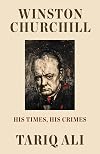
Tariq Ali’s offering is disappointing. This book is not the polemic the subtitle promises us, though he has not spared Churchill on many fronts. Tariq Ali considered Churchill to be a strategic lightweight, an opportunist, and a power-hungry racist.
Winston Churchill may be guilty as charged. However, the book contains much material that does not relate to Winston Churchill. The book is strong in the chapters that cover India, Ireland, Wales, and parts of the Middle East, but Churchill’s show more connection to Japan is tenuous.
The book has a historical error: World War II did not start in Asia. It began in Europe.
Churchill’s childhood is fascinating, as is how his mother bedded many men to further his career. The book does not detail this aspect of Churchill and leaves too many blanks for us to fill.
Why did the English boot Churchill out after World War II? Why were people critical of him in the following years, and how did he become an iconic figure? Tariq Ali has not explored these questions, and he leaves us with a nagging question: what is Winston Churchill’s true legacy? show less
Winston Churchill may be guilty as charged. However, the book contains much material that does not relate to Winston Churchill. The book is strong in the chapters that cover India, Ireland, Wales, and parts of the Middle East, but Churchill’s show more connection to Japan is tenuous.
The book has a historical error: World War II did not start in Asia. It began in Europe.
Churchill’s childhood is fascinating, as is how his mother bedded many men to further his career. The book does not detail this aspect of Churchill and leaves too many blanks for us to fill.
Why did the English boot Churchill out after World War II? Why were people critical of him in the following years, and how did he become an iconic figure? Tariq Ali has not explored these questions, and he leaves us with a nagging question: what is Winston Churchill’s true legacy? show less
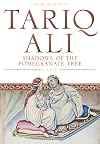
This is the first in a series Ali has written concerning the history of Islam, and the setting is the late 15th-century Iberian Peninsula, near the culmination of the Spanish Reconquista. Young Yazid's well-to-do family has lived for countless generations on their estate outside Gharnata (Span. Granada) in the Al-Andalus region of modern-day southern Spain. But they are Muslim, and the Catholic Church has issued an ultimatum: convert or be destroyed.
I selected this book somewhat randomly show more while browsing the library stacks one day, and I'm so glad I did, although it is utterly heartbreaking. Any book lover -- or worse, librarian -- will be horrified and dismayed at the opening scene in which nearly the entirety of the written culture of the Moors goes up in flames. The reader is also obliged to consider the meaning of ownership when it comes to land and geography. The Moors themselves invaded Al-Andalus in 722, and enjoyed a cultured, sophisticated, educated society in that region for the next 700+ years. Did it now belong to them? Or was Christian Spain fully within its rights to take back land that had been out of its control for as long? Is not history a perpetual campaign of humans wresting land and resources from one another? show less
I selected this book somewhat randomly show more while browsing the library stacks one day, and I'm so glad I did, although it is utterly heartbreaking. Any book lover -- or worse, librarian -- will be horrified and dismayed at the opening scene in which nearly the entirety of the written culture of the Moors goes up in flames. The reader is also obliged to consider the meaning of ownership when it comes to land and geography. The Moors themselves invaded Al-Andalus in 722, and enjoyed a cultured, sophisticated, educated society in that region for the next 700+ years. Did it now belong to them? Or was Christian Spain fully within its rights to take back land that had been out of its control for as long? Is not history a perpetual campaign of humans wresting land and resources from one another? show less
Lists
THE WAR ROOM (2)
Awards


You May Also Like


Associated Authors
Statistics
- Works
- 82
- Also by
- 4
- Members
- 5,216
- Popularity
- #4,779
- Rating
- 3.7
- Reviews
- 74
- ISBNs
- 341
- Languages
- 20
- Favorited
- 9

