
Steven D. Levitt
Author of Freakonomics: A Rogue Economist Explores the Hidden Side of Everything
About the Author
Steven D. Levitt received a B.A. from Harvard University in 1989 and a Ph.D. from M.I.T. in 1994. He is a professor of economics at the University of Chicago where he has been teaching since 1997. He was awarded the 2003 John Bates Clark Medal, an award that recognizes the most outstanding show more economist in America under the age of 40. He is the coauthor, with Stephen J. Dubner, of Freakonomics: A Rogue Economist Explores the Hidden Side of Everything. It won the inaugural Quill Award for best business book and a Visionary Award from the National Council on Economic Education. He also wrote SuperFreakonomics, Think Like a Freak and When to Rob a Bank:...And 131 More Warped Suggestions and Well-Intended Rants with Stephen J. Dubner. (Bowker Author Biography) show less
Image credit: Kristine Khoury
Series
Works by Steven D. Levitt
Freakonomics: A Rogue Economist Explores the Hidden Side of Everything (2005) 27,241 copies, 477 reviews
SuperFreakonomics: Global Cooling, Patriotic Prostitutes, and Why Suicide Bombers Should Buy Life Insurance (2009) 5,761 copies, 137 reviews
When to Rob a Bank and 131 More Warped Suggestions and Well-Intended Rants (2015) 821 copies, 29 reviews
Freakonomics Twentieth Anniversary Edition: A Rogue Economist Explores the Hidden Side of Everything (2025) 3 copies
Freakonomics, Part 3 of 3 — Author — 1 copy
Freakonomics, Part 2 of 3 — Author — 1 copy
Freakonomics, Part 1 of 3 — Author — 1 copy
Tagged
Common Knowledge
- Canonical name
- Levitt, Steven D.
- Legal name
- Levitt, Steven David
- Other names
- Levitt, Steve
- Birthdate
- 1967-05-29
- Gender
- male
- Education
- Harvard University (BA|1989)
Massachusetts Institute of Technology (Ph.D|1994) - Occupations
- professor
economist
William B. Ogden Distinguished Service Professor of Economics (University of Chicago)
Co-Editor (Journal of Political Economy)
director (The Becker Center on Price Theory at the University of Chicago) - Organizations
- University of Chicago
The Greatest Good - Awards and honors
- John Bates Clark Medal (2004)
Time Magazine (100 People Who Shape Our World, 2006) - Relationships
- Marks, Johnny (great uncle)
- Nationality
- USA
- Birthplace
- Boston, Massachusetts, USA
- Places of residence
- Chicago, Illinois, USA
- Map Location
- Massachusetts, USA
Members
Reviews
Freakonomics [Revised and Expanded]: A Rogue Economist Explores the Hidden Side of Everything by Steven D. Levitt
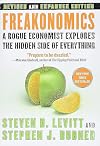
Предполагам, никой от вас не е дотолкова глупав, та да вярва, че това, което говорят по медиите и това, което повечето хора вярват, е всъщност фактическото положение на нещата. Но всички ние имаме определен начин на мислене, приемаме дадени твърдения за факти и някои изводи show more за очевидни, без да си правим труда да помислим върху тях…
Във Freakonomics, икономиста Стивън Левит и журналиста Стивън Дъбнър дават следния пример – вие имате две малки сладки дечица и съседите ви от двете страни имат деца на приблизително същата възраст. Едните съседи имат басейн и вие често пускате вашите деца да ходят на гости, за да се къпят в басейна. Не ги пускате да ходят у другите съседи обаче, защото бащата е бодигард и ловец и има в къщи пистолет и ловна карабина – и вие се страхувате, че децата може някой път да се изплъзнат от вниманието на родителите, да се заиграят с оръжието и да се наранят.
Защото огнестрелното оръжие е опасно, а басейните са безопасни, нали така? Грешка – всяка година в домашни условия 100 деца се самонараняват с оръжие, но над 500 се давят в басейни (в САЩ), при това басейни имат много по-малко хора – съвсем просто изследване на броя нещастни случаи с деца, разделен на броя на домакинствата с огнестрелно оръжие и домакинствата с басейни показва, че има 200 пъти по-голяма опасност детето ви да се удави в басейна, отколкото да се застреля при игра с пушката.
Само че хората не осмислят проблема по този начин – за повечето от нас басейните са всекидневни, слънчеви, приятни и желани – виждаме ги често и ги асоциираме с приятни преживявания. Докато пушките са метални, страшни, миришат странно – повечето хора виждат пушка рядко и я свързват със смърт и опасност.
Същото поведение наблюдавам и аз, когато практикувам две от хобитата си – стрелба с въздушна пушка и с лък. Хората се плашат от пушката и се принуждавам да излизам извън града с нея, но сами пращат децата си да ме молят да пострелят с лъка и нямат нищо против да го правя зад блока. Пушката е въздушна, не е мощна и е изключително точна – шансът да уцеля някого случайно докато стрелям в мишената си и да го нараня е практически нула. Лъкът от своя страна е реплика на 66 паундов прабългарски боен лък – може да пробие човек от 50 метра и не е прецизно точен, така че вероятността за нещастен случай е много по-голяма. Но, както казах, пушките са страшни, метални и по филмите убиват, а лъковете притежават определен забавен и екзотичен образ…
Подобен начин на мислене е съвсем естествен и се среща много често – един пример е страхът от ядрената енергия въпреки, че има повече смъртни случаи от перки, отколкото от избухнали реактори или изтекла радиация, както и страхът от ядреното оръжие, въпреки че то практически не е използвано и само наличието му предотврати Студената война да се превърне в трета световна. Но перките са „екологични“ и обичайни, разбираме как действат, докато ядрената енергия е мистериозна, навява мисли за филми с мутанти и бомби, войни и смърт.
Стивън Левит и Стивън Дъбнър са си поставили за цел да използват икономическия начин на мислене, за да дадат отговори на различни житейски въпроси от други области. Freakonomics не дава безкрайно много информация – само посочва десетина примера на изследвания на Стивън Левит, но те кара да погледнеш с други очи на най-различни проблеми, които ежедневието ти поставя и те кара да се замислиш по-дълбоко за причината нещата да се случват. Freakonomics е книга за любопитния ум, който не приема конвенционалните и общоприети отговори, а търси истината чрез нетрадиционното вглеждане във фактите. show less
Във Freakonomics, икономиста Стивън Левит и журналиста Стивън Дъбнър дават следния пример – вие имате две малки сладки дечица и съседите ви от двете страни имат деца на приблизително същата възраст. Едните съседи имат басейн и вие често пускате вашите деца да ходят на гости, за да се къпят в басейна. Не ги пускате да ходят у другите съседи обаче, защото бащата е бодигард и ловец и има в къщи пистолет и ловна карабина – и вие се страхувате, че децата може някой път да се изплъзнат от вниманието на родителите, да се заиграят с оръжието и да се наранят.
Защото огнестрелното оръжие е опасно, а басейните са безопасни, нали така? Грешка – всяка година в домашни условия 100 деца се самонараняват с оръжие, но над 500 се давят в басейни (в САЩ), при това басейни имат много по-малко хора – съвсем просто изследване на броя нещастни случаи с деца, разделен на броя на домакинствата с огнестрелно оръжие и домакинствата с басейни показва, че има 200 пъти по-голяма опасност детето ви да се удави в басейна, отколкото да се застреля при игра с пушката.
Само че хората не осмислят проблема по този начин – за повечето от нас басейните са всекидневни, слънчеви, приятни и желани – виждаме ги често и ги асоциираме с приятни преживявания. Докато пушките са метални, страшни, миришат странно – повечето хора виждат пушка рядко и я свързват със смърт и опасност.
Същото поведение наблюдавам и аз, когато практикувам две от хобитата си – стрелба с въздушна пушка и с лък. Хората се плашат от пушката и се принуждавам да излизам извън града с нея, но сами пращат децата си да ме молят да пострелят с лъка и нямат нищо против да го правя зад блока. Пушката е въздушна, не е мощна и е изключително точна – шансът да уцеля някого случайно докато стрелям в мишената си и да го нараня е практически нула. Лъкът от своя страна е реплика на 66 паундов прабългарски боен лък – може да пробие човек от 50 метра и не е прецизно точен, така че вероятността за нещастен случай е много по-голяма. Но, както казах, пушките са страшни, метални и по филмите убиват, а лъковете притежават определен забавен и екзотичен образ…
Подобен начин на мислене е съвсем естествен и се среща много често – един пример е страхът от ядрената енергия въпреки, че има повече смъртни случаи от перки, отколкото от избухнали реактори или изтекла радиация, както и страхът от ядреното оръжие, въпреки че то практически не е използвано и само наличието му предотврати Студената война да се превърне в трета световна. Но перките са „екологични“ и обичайни, разбираме как действат, докато ядрената енергия е мистериозна, навява мисли за филми с мутанти и бомби, войни и смърт.
Стивън Левит и Стивън Дъбнър са си поставили за цел да използват икономическия начин на мислене, за да дадат отговори на различни житейски въпроси от други области. Freakonomics не дава безкрайно много информация – само посочва десетина примера на изследвания на Стивън Левит, но те кара да погледнеш с други очи на най-различни проблеми, които ежедневието ти поставя и те кара да се замислиш по-дълбоко за причината нещата да се случват. Freakonomics е книга за любопитния ум, който не приема конвенционалните и общоприети отговори, а търси истината чрез нетрадиционното вглеждане във фактите. show less

I had heard about the celebrated Freakonomics by Steven D. Levitt and Stephen J. Dubner for years without ever being curious enough to open the book. The whole idea of "the hidden side of everything" seemed to insinuate something steeped more in pop psychology than science so naturally I ignored it. As it turns out, as life sometimes does, what I got wasn't what I expected. This book surprised me over and over again.
I don't think Freakonomics could exist until Big Data had arrived and show more matured. Uncovering the hidden side of anything depends so much on comparing data sets numbered in the millions to trillions—basically more than the world has ever had the capacity to organize until now. Though statistical data alone does not make a decent book, this one becomes great because the authors connect the dots between events you never thought were related.
My favorite big-picture takeaway is how we desperately want reality to behave a certain way, to believe as truth the things we see through the lens of our own limited experience, and all too often that just isn't the case. show less
I don't think Freakonomics could exist until Big Data had arrived and show more matured. Uncovering the hidden side of anything depends so much on comparing data sets numbered in the millions to trillions—basically more than the world has ever had the capacity to organize until now. Though statistical data alone does not make a decent book, this one becomes great because the authors connect the dots between events you never thought were related.
My favorite big-picture takeaway is how we desperately want reality to behave a certain way, to believe as truth the things we see through the lens of our own limited experience, and all too often that just isn't the case. show less
Freakonomics is fast, consistently interesting read and best when it digs in and tackles a question at length, as with the issue of the relationship of legal abortion to crime rates or the section on the socioeconomic trends in baby names. The only real overarching theme of the book, however, is Levitt's own cleverness--every chapter is preceded by a fawning blurb about Levitt from the same New York Times magazine piece.
Rather than just further refining and cashing in on this Steven Levitt show more "brand" of the impish public affairs gadfly who throws grenades at small hills of conventional wisdom in easy-reading bestsellers, I'd like to see Levitt take on an important subject and make his case so thoroughly that citizens and policymakers can actually turn his insights into action. show less
Rather than just further refining and cashing in on this Steven Levitt show more "brand" of the impish public affairs gadfly who throws grenades at small hills of conventional wisdom in easy-reading bestsellers, I'd like to see Levitt take on an important subject and make his case so thoroughly that citizens and policymakers can actually turn his insights into action. show less

I enjoyed this even more than Freakonomics, mainly because they covered more ground. Super Freakonomics is well written, fun to read and good food for thought. Levitt and Dubner still rely on data to back up their statements (handwashing in hospitals saves lives) but also make some assertions (injecting sulfuric dioxide into the stratosphere might solve global warming) that are, well, crazy but viable. I loved reading about the group of accomplished scientists and engineers (Intellectual show more Ventures out of Seattle) that work on inventions to solve world problems like malaria and global warming. It was also interesting to learn that the feminist movement partially explains why prostitutes make less money now than they did 100 years ago and that female ER doctors are better at keeping patients alive than their counterparts. show less
Lists
Lista d2 (2)
Unread books (1)
My wishlist (1)
Books in English (1)
2014 (1)
Sociology (1)
My List (2)
To Read List (1)
. (1)
Awards


You May Also Like


Associated Authors
Statistics
- Works
- 19
- Members
- 36,013
- Popularity
- #519
- Rating
- 3.8
- Reviews
- 723
- ISBNs
- 249
- Languages
- 24
- Favorited
- 15

