

Sayed Kashua
Author of Second Person Singular
About the Author
Sayed Kashua is the author of the novels Dancing Arabs; Let It Be Morning, which was shortlisted for the International IMPAC Dublin Literary Award; and Second Person Singular, winner of the prestigious Bernstein Prize. He is a columnist for Haaretz and the creator of the prizewinning sitcom, Arab show more Labor. Now living in the United States with his family, he teaches at the University of Illinois. show less
Works by Sayed Kashua
Associated Works
Don't Panic, I'm Islamic: Words and Pictures on How to Stop Worrying and Learn to Love the Alien Next Door (2017) — Contributor — 18 copies
And We Came Outside and Saw the Stars Again: Writers from Around the World on the COVID-19 Pandemic (2020) — Contributor — 16 copies
Tagged
Common Knowledge
- Canonical name
- Kashua, Sayed
- Birthdate
- 1975
- Gender
- male
- Education
- Hebrew University of Jerusalem (Sociology, Philosophy)
- Occupations
- writer (Kol Ha'ir Jerusalem weekly)
writer (Ha'ir Tel Aviv weekly)
writer (Ha'aretz daily)
writer (Israeli television) - Awards and honors
- Lessing-Preis für Kritik Förderpreis (2006)
- Short biography
- Sayed Kashua lives in the Beit Tsafafa suburb of Jerusalem.
- Nationality
- Israel
- Birthplace
- Tira, Israel
- Places of residence
- Tira
Jerusalem, Israel - Associated Place (for map)
- Israel
Members
Reviews
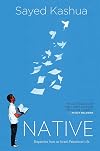
A collection of personal columns Kashua wrote for the Hebrew paper Haaretz from 2006-2014, detailing his family life as a Palestinian in Israel, sometimes funny and sometimes depressing as he continues to be considered an outsider in his own country.
It's hard to summarize this collection of columns, which started off reminding me of Bill Bryson a little bit in his sardonic observations and making himself out to be a bumbling sort of father and husband, and then became more and more pointed show more (or maybe I was just noticing more) in the everyday slights Kashua and his family endure. In some ways, it reminded me a lot of what many people of color experience in the U.S. - the distrust at the airport, being slighted at book fairs, or even the threat of violence. Kashua writes in Hebrew and starts out optimistic, hoping that he can educate, but the later articles show his own growing despair that anything can change. show less
It's hard to summarize this collection of columns, which started off reminding me of Bill Bryson a little bit in his sardonic observations and making himself out to be a bumbling sort of father and husband, and then became more and more pointed show more (or maybe I was just noticing more) in the everyday slights Kashua and his family endure. In some ways, it reminded me a lot of what many people of color experience in the U.S. - the distrust at the airport, being slighted at book fairs, or even the threat of violence. Kashua writes in Hebrew and starts out optimistic, hoping that he can educate, but the later articles show his own growing despair that anything can change. show less
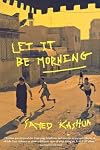
A young journalist, his wife, and baby daughter leave their rented apartment in an Israeli city and move to the Arab village in which the couple grew up. Feeling not that much a part of the Jewish establishment in which he works anymore, this journalist thinks that returning to what was once familiar will be comforting. The sad realization overtakes him that he is not returning to the same place he left 10 years earlier.
It’s not so much that the writing is good, but it’s the fact that show more the words the author chooses so acutely and accurately convey his feelings--the most pervasive one being the burden of feeling at ease any place at all in Israel, be it in a Jewish or Arab environment. How odd that I should have chosen this book to read precisely during the Israeli invasion of Lebanon again in 2006. I really feel for the Israeli Arabs who seek a home in which they can feel comfortable and secure at all times.
This book takes a a further and more painful step into the uncomfortable world between Jew and Arab. In Dancing Arabs, the author tread lightly on this precarious relationship. In Let it be Morning, Kashua heads from the psychological problems to the threat of physical harm as well. Where can the line be drawn into comfortably fitting Arabs into the life of the Jewish state? That’s the issue this difficult, but engrossing read is trying to express.
The story left me breathless. The tension was unbelievable as the author drove deeply into me what it must feel like to be in the limbo of the Arab Israeli world. I greatly look forward to reading more work by this amazingly talented writer. show less
It’s not so much that the writing is good, but it’s the fact that show more the words the author chooses so acutely and accurately convey his feelings--the most pervasive one being the burden of feeling at ease any place at all in Israel, be it in a Jewish or Arab environment. How odd that I should have chosen this book to read precisely during the Israeli invasion of Lebanon again in 2006. I really feel for the Israeli Arabs who seek a home in which they can feel comfortable and secure at all times.
This book takes a a further and more painful step into the uncomfortable world between Jew and Arab. In Dancing Arabs, the author tread lightly on this precarious relationship. In Let it be Morning, Kashua heads from the psychological problems to the threat of physical harm as well. Where can the line be drawn into comfortably fitting Arabs into the life of the Jewish state? That’s the issue this difficult, but engrossing read is trying to express.
The story left me breathless. The tension was unbelievable as the author drove deeply into me what it must feel like to be in the limbo of the Arab Israeli world. I greatly look forward to reading more work by this amazingly talented writer. show less
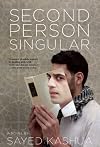
Second Person Singular by Palestinian-Israeli author Sayed Kashua, tells the story of two men, both Arabs, living in Jerusalem. Superficially, they have similar histories; they both come from small villages and they both came to Jerusalem to go to university and stayed afterward. One man became a successful lawyer, living in a beautiful house with his wife and two young children, he drives a BMW. He's not in love with his wife, but when he finds an affectionate note in his wife's show more handwriting, tucked into a used book he just purchased, he becomes consumed with jealously and anger and is determined to find the man the note was intended for.
The other man became a social worker. He's struggling financially but he resists his mother's entreaties to return to the village he left. He works during the day for a government agency providing social services to heroin addicts and at night he is the caretaker for a young man his age who due to an unspecified accident, lives in a vegetative state. When events cause him to quit his day job, he becomes more fascinated with the past of his Jewish patient, reading his books, listening to his music and using his camera.
Second Person Singular is just a fantastic book. While neither man is particularly sympathetic, it's impossible not to be drawn into their lives. How Kashua draws the two men's lives together is riveting. I will be reading more by this author, who is well-known in Israel. show less
Kashua presents a compelling, compassionate yet sometimes chilling, look at identity -- how we see ourselves, how others see us, what others see in us. His is a universal tale, but also unique in its specifics (people & locale). Things are not always as they seem, whether we deceive ourselves or deceive others (or both or neither). Kashua aptly delineates the divides between wanting to stay true to self, yet to change/have what someone else has/grow. His timely commentaries are so fitting in show more a locale where identity is a huge part of daily existence.
Of partial importance to the storyline is Tolstoy's novella The Kreutzer Sonata (which I read immediately after finishing Second Person Singular). Kashua masterfully worked in many of Tolstoy's themes & ideas (jealousy, relationships between the sexes, the influence of art in life & passion, etc...), paralleling these ideas in his story -- similar themes, just set in a more modern time & with differing religious beliefs from Tolstoy's.
Overall, a beautifully done work that muses on the nature of identity, our ability or inability to change identity, & the impact of emotion/art/beauty/self to impact our lives. show less
Of partial importance to the storyline is Tolstoy's novella The Kreutzer Sonata (which I read immediately after finishing Second Person Singular). Kashua masterfully worked in many of Tolstoy's themes & ideas (jealousy, relationships between the sexes, the influence of art in life & passion, etc...), paralleling these ideas in his story -- similar themes, just set in a more modern time & with differing religious beliefs from Tolstoy's.
Overall, a beautifully done work that muses on the nature of identity, our ability or inability to change identity, & the impact of emotion/art/beauty/self to impact our lives. show less
Lists
Awards


You May Also Like


Associated Authors
Statistics
- Works
- 5
- Also by
- 2
- Members
- 701
- Popularity
- #36,119
- Rating
- 3.7
- Reviews
- 35
- ISBNs
- 53
- Languages
- 7
- Favorited
- 3