
Elizabeth Rosner
Author of The Speed of Light (Ballantine Reader's Circle)
About the Author
Elizabeth Rosner's writing has been translated into nine languages and has won several awards in the United States and in Europe. Her essays and reviews have appeared in The New York Times Magazine, Elle, San Francisco Chronicle, and other publications. Learn more at elizabethrosner.com.
Works by Elizabeth Rosner
Associated Works
For Keeps: Women Tell the Truth About Their Bodies, Growing Older, and Acceptance (2007) — Contributor — 30 copies, 2 reviews
Tagged
Common Knowledge
- Gender
- female
- Education
- Stanford University
University of California, Irvine (MFA)
University of Queensland - Relationships
- Griffin, Susan (mentor, friend)
- Places of residence
- Berkeley, California, USA
- Associated Place (for map)
- California, USA
Members
Reviews
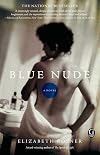
Two disparate lives collide in this modern novel about a postwar German man and a former Israeli soldier. Written in an delicate yet profoundly visceral prose, this novel that moves back and forth through time seamlessly and plunders the depths of human tragedy and personal history and how it affects the choices of their present situations.
Danzig, a prominent but blocked painter is the son of a bigoted Nazi father who terrorized his family in postwar Germany. Marev is the granddaughter of a show more Jewish survivor of occupied Holland. She is the newest model in Danzig's painting class at the prestigious San Francisco Art Institute. He searches for inspiration from his models. She finds inspiration for her own pieces by using her collection of maps. Their lives collide and intertwine in this compassionately told tale.
My only issue with this book is that I wanted to read more about Danzig's sister, Margot, and Marev's grandmother, Ilana. However,I think that each of these women would hold their own in subsequent novels. I highly recommend this novel. show less
Danzig, a prominent but blocked painter is the son of a bigoted Nazi father who terrorized his family in postwar Germany. Marev is the granddaughter of a show more Jewish survivor of occupied Holland. She is the newest model in Danzig's painting class at the prestigious San Francisco Art Institute. He searches for inspiration from his models. She finds inspiration for her own pieces by using her collection of maps. Their lives collide and intertwine in this compassionately told tale.
My only issue with this book is that I wanted to read more about Danzig's sister, Margot, and Marev's grandmother, Ilana. However,I think that each of these women would hold their own in subsequent novels. I highly recommend this novel. show less
I have never had the feeling of finishing a book and wanting to start over again right away and read it again cover to cover. Someone wrote that about Blue Nude, and so I set aside my reservations about the book and dived right in. I wanted to love it. I wanted to love the writing and the flow of the story. I wanted to love the characters. I did like Merav quite a bit. I wasn't sold on Danzig. And while that isn't always a problem, it was in this case. I never really connected with him. As show more the story progressed and more about his past was revealed, I did develop a sympathy for him. Even more so for his sister, Margot, who I came to love.
This is a difficult book to describe. It is at once a novel about two people struggling to reconcile their pasts and find peace within themselves and a novel about World War II, particularly the aftermath of the war and how it touched those who came directly after. Merav's grandmother had been a survivor of the Holocaust, eventually fleeing to Israel where Merav was born andraised. Danzig's father had been a German officer during the war, creating a shadow that would plague Danzig and his sister for the rest of their lives.
Danzig is a painter and art instructor. Merav is a nude model who poses for Danzig's class and awakes in him a spark of inspiration that has long been missing.
The writing was smooth and lyrical. There were several times, especially during Merav's sections when I felt the words roll over and through me, lingering and full of feeling. I also liked the format of the story--the nonlinear narratives and jumping from viewpoint to viewpoint, time period to time period. I was especially drawn to the sections of the book set in the past, particularly Merav's heartbreak and Danzig's own tragic childhood.
The war left behind many scars, as war often does. The Germans were left with much blood on their hands and how does a child reconcile that, once caught up in the fervor of nationalism? Can she? Rosner paints a vivid picture of the inner struggle of one family, while at the same time capturing the ingrained fear and mistrust of a people victimized, tortured and murdered at the hands of Germans. Danzig and Margot's story is directly tied to World War II, however Merav's is more indirectly impacted. It was an interesting juxtaposition.
Unfortunately, I never felt the book came together in a way I could truly appreciate. I know the characters found some of what they were looking for in the end, but I am not quite sure how they got there. I finished the novel feeling like I missed something important. show less
This is a difficult book to describe. It is at once a novel about two people struggling to reconcile their pasts and find peace within themselves and a novel about World War II, particularly the aftermath of the war and how it touched those who came directly after. Merav's grandmother had been a survivor of the Holocaust, eventually fleeing to Israel where Merav was born andraised. Danzig's father had been a German officer during the war, creating a shadow that would plague Danzig and his sister for the rest of their lives.
Danzig is a painter and art instructor. Merav is a nude model who poses for Danzig's class and awakes in him a spark of inspiration that has long been missing.
The writing was smooth and lyrical. There were several times, especially during Merav's sections when I felt the words roll over and through me, lingering and full of feeling. I also liked the format of the story--the nonlinear narratives and jumping from viewpoint to viewpoint, time period to time period. I was especially drawn to the sections of the book set in the past, particularly Merav's heartbreak and Danzig's own tragic childhood.
The war left behind many scars, as war often does. The Germans were left with much blood on their hands and how does a child reconcile that, once caught up in the fervor of nationalism? Can she? Rosner paints a vivid picture of the inner struggle of one family, while at the same time capturing the ingrained fear and mistrust of a people victimized, tortured and murdered at the hands of Germans. Danzig and Margot's story is directly tied to World War II, however Merav's is more indirectly impacted. It was an interesting juxtaposition.
Unfortunately, I never felt the book came together in a way I could truly appreciate. I know the characters found some of what they were looking for in the end, but I am not quite sure how they got there. I finished the novel feeling like I missed something important. show less
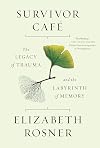
Stunningly beautiful book about trauma and suffering across cultures and personal to global experiences. Manages to be sad, triumphant, quiet and soaring all at once. You will simply feel bigger having read this. Recommended up, down and all around.
“Blue Nude” centers on two people living in the San Francisco Bay Area: an artist originally from Germany and a younger Israeli model. Both are struggling to overcome the legacy of their culture, as well as difficulties in their personal lives.
Danzig was born to a cruel father who was a Nazi officer, and as a child he found his older sister’s body after she committed suicide. Merav struggled to balance the need for the security of her people with avoiding becoming herself a part of show more the violent, murderous cycle in the Middle East, and lost her best friend and lover to a bus bomb. Danzig has had failed relationships and is getting older and less relevant both as an artist and as a teacher; Merav has gone through a divorce.
In the beginning of the novel a Nazi soldier spares a young Jewish girl when he comes upon her in a barn; it turns out that the girl is Merav’s grandmother. In the end the son of a Nazi paints a young Jewish girl in a barn that’s been turned into a studio.
I took the meaning of the novel to be embodied in the phrase Danzig returns to as a teacher: “Begin again” - in one sense referring to the perseverance needed in the artistic process, and in another sense the need to create the world anew, to transcend the past, and continue on.
The story is pleasant enough but there just isn’t enough happening and it’s all a bit too subtle for me. I found the descriptions of the artistic process both repetitive and dull. The photograph on the cover of my edition was mesmerizing however.
Quotes:
On nudity:
“Suddenly she felt vulnerable, to see that what she wore made her look like a soldier, like everyone else, and so they were all interchangeable and replaceable. It scared her to be so generic, so much a part of the giant machinery of the country in which she lived.
What consoled her were the moments of open and ordinary nakedness, the locker rooms and showers, where for a while at least she felt all of them returning to their skins. Individual colors came back: their hair, their shapes, their breasts and thighs and backs, so much beauty and variety, one at a time and unique. Merav was allowed to remember what she really looked like.”
On photography, and love:
“Image by image, Merav saw herself in pieces, saw how Gabe’s camera had explored her. When she saw the flour like ashes on her skin, as though she were made of crumbling marble, she thought of a line from Leonard Cohen: ‘Let me see your beauty broken down.’
For a moment, she felt stunned by the idea that maybe he was dismantling her, maybe he would never be able to see her whole. But right away she shook herself free of that idea, told herself she was only inventing fears to keep from falling in love with him.
This is how beautiful you are, he said. This, and this, and this.” show less
Danzig was born to a cruel father who was a Nazi officer, and as a child he found his older sister’s body after she committed suicide. Merav struggled to balance the need for the security of her people with avoiding becoming herself a part of show more the violent, murderous cycle in the Middle East, and lost her best friend and lover to a bus bomb. Danzig has had failed relationships and is getting older and less relevant both as an artist and as a teacher; Merav has gone through a divorce.
In the beginning of the novel a Nazi soldier spares a young Jewish girl when he comes upon her in a barn; it turns out that the girl is Merav’s grandmother. In the end the son of a Nazi paints a young Jewish girl in a barn that’s been turned into a studio.
I took the meaning of the novel to be embodied in the phrase Danzig returns to as a teacher: “Begin again” - in one sense referring to the perseverance needed in the artistic process, and in another sense the need to create the world anew, to transcend the past, and continue on.
The story is pleasant enough but there just isn’t enough happening and it’s all a bit too subtle for me. I found the descriptions of the artistic process both repetitive and dull. The photograph on the cover of my edition was mesmerizing however.
Quotes:
On nudity:
“Suddenly she felt vulnerable, to see that what she wore made her look like a soldier, like everyone else, and so they were all interchangeable and replaceable. It scared her to be so generic, so much a part of the giant machinery of the country in which she lived.
What consoled her were the moments of open and ordinary nakedness, the locker rooms and showers, where for a while at least she felt all of them returning to their skins. Individual colors came back: their hair, their shapes, their breasts and thighs and backs, so much beauty and variety, one at a time and unique. Merav was allowed to remember what she really looked like.”
On photography, and love:
“Image by image, Merav saw herself in pieces, saw how Gabe’s camera had explored her. When she saw the flour like ashes on her skin, as though she were made of crumbling marble, she thought of a line from Leonard Cohen: ‘Let me see your beauty broken down.’
For a moment, she felt stunned by the idea that maybe he was dismantling her, maybe he would never be able to see her whole. But right away she shook herself free of that idea, told herself she was only inventing fears to keep from falling in love with him.
This is how beautiful you are, he said. This, and this, and this.” show less
Awards


You May Also Like


Associated Authors
Statistics
- Works
- 8
- Also by
- 2
- Members
- 550
- Popularity
- #45,354
- Rating
- 3.7
- Reviews
- 13
- ISBNs
- 26
- Languages
- 5
- Favorited
- 2
