
Nina Simone (1933–2003)
Author of I Put a Spell on You: The Autobiography of Nina Simone
About the Author
Image credit: Roland Godefroy
Works by Nina Simone
Tomato Collection 4 copies
And Piano! 3 copies
Black Gold 3 copies
Nina Simone - Gold 2 copies
Nina Simone at the Village Gate 2 copies
Compact Jazz 2 copies
The Complete RCA Albums Collection 2 copies
The Best of the Colpix Years 2 copies
High Priestess of Soul 2 copies
Love Songs 2 copies
...nina simone (disk 321) 2 copies
The Collection [BMG 1991] 1 copy
Sinnerman 1 copy
The Soul of Nina Simone 1 copy
At the Village Gate 1 copy
Essential Nina Simone Vol.2 1 copy
The Diva Series 1 copy
Timeless Classic Albums 1 copy
Nina Simone - Reflections 1 copy
Nina Simone Masters 1 copy
Black Is the Color 1 copy
Live In Europe 1 copy
SIlk & Soul 1 copy
Love Me Or Leave Me 1 copy
Nina Simone - Live in Europe 1 copy
Broadway - Blues - Ballads 1 copy
Black Soul (1977) (LP) 1 copy
Nina Simone Sings the Blues 1 copy
Nina Simone And Piano ! 1 copy
Folksy Nina 1 copy
Nina Simone: Anthology 1 copy
BBC Proms 2019 : Prom 45 : Nina Simone : Mississippi Goddam [sound recording] (2019) — Composer — 1 copy
The 60s Vol 1 1 copy
Jazz & Blues 1 copy
The 60s Vol 2 1 copy
Baltimore 1 copy
The 60s Vol 3 1 copy
Nuff Said! [7" VINYL] 1 copy
'Nuff Said! 1 copy
Remember Series 1 copy
A very rare evening 1 copy
Gold 1 copy
Live 1 copy
Legendary Concert Recordings 1 copy
Legends 1 copy
Let It All Out 1 copy
It Is Finished 1 copy
Platinum Series: Nina Simone 1 copy
Nina Simone and Piano! 1 copy
Simply Simone 1 copy
Something To Live For 1 copy
Golden Hour Of Nina Simone 1 copy
The Nina Simone Anthology 1 copy
Don't Smoke in Bed 1 copy
Mood Indigo 1 copy
Strange Fruit 1 copy
Feeling Good [45 RPM] 1 copy
Nina at Newport [1960 album] 1 copy
The Blues. CD 1 copy
Complete 1957 - 62 sinbles 1 copy
Private collection 1 copy
Golden Hits 1 copy
Don't Explain 1 copy
Ain’t Got No - I Got Life 1 copy
Associated Works
Murder Ballads: 15 Original Tracks That Inspired Nick Cave and the Bad Seeds (2017) — Contributor — 3 copies
Mojo Presents: Beatlemania, Volume 2 (An All-American Tribute To The Fab Four) (September 2004) (2004) — Contributor — 2 copies
Voices II : more music from the greatest divas ever — Contributor — 1 copy
The best 6 — Contributor — 1 copy
Tagged
Common Knowledge
- Canonical name
- Simone, Nina
- Legal name
- Waymon, Eunice Kathleen
- Birthdate
- 1933-02-21
- Date of death
- 2003-04-21
- Gender
- female
- Education
- Juilliard School of Music
Allen High School for Girls - Occupations
- singer
songwriter
pianist - Relationships
- Stroud, Andy (wife)
- Nationality
- USA
- Birthplace
- Tryon, North Carolina, USA
- Places of residence
- Philadelphia, Pennsylvania, USA
Nijmegen, Netherlands
Liberia
Switzerland - Place of death
- Carry-le-Rouet, France
Members
Reviews

I still remember like it was yesterday the first time I heard Nina Simone: 1993, I was fifteen and watching the movie, Point of No Return. A mediocre film for which I'm thankful only because it introduced me to Nina's music. From that day on, I haven't made a feelings-based mix (yeah, I still make mix CDs) without at least one of her songs. There are few singers/musicians who evoke such pure connection like she does, for me. I'll always wish I could've attended one of her live show more performances.
Even though I felt so deeply listening to Nina, I'm not one of those people who actively seeks out the details of an artist's life. Maybe I'm scared their reality will shatter my perception? Perhaps it feels too invasive to seek out personal details? So it wasn't until I heard about the 2015 documentary, What Happened, Miss Simone?, that I wondered how much Nina's life and the times directly affected her music. The answer: a lot. How could it not? In Nina's words, "An artist's duty, as far as I'm concerned, is to reflect the times...How can you be an artist and not reflect the times? That to me is the definition of an artist."
After watching that documentary, I looked to see if she'd written a book and sure enough, she had. While this autobiography was rather short, I appreciated hearing her story in her words. And I'm left with two thoughts:
1) what could Nina Simone have accomplished if she had not been raised/lived in a society where being Black and a woman were obstacles she had to overcome before anyone would even hear her gift?
and
2) why is so much that happened to Black people during her lifetime STILL happening today, and how many budding artists, inventors, entrepreneurs, scientists, etc. are being dismissed because of their race or sex? It's maddening.
So while Nina Simone wasn't perfect - oh, how I wish she hadn't been as dependent on the love of a man as she was - I am happy to know more about who she was. And she will forever be someone to whom I'll turn for an example of what can be accomplished when a woman refuses to give up on her gift.
4 stars
"Although Lorraine [Hansberry] was a girlfriend - a friend of my own, rather than one shared with Andy - we never talked about men or clothes or other such inconsequential things when we got together. It was always Marx, Lenin, and revolution -- real girls' talk (p.87)."
"I was rich and famous but I wasn't free. Most of the decisions I made were taken in consultation with my manager/husband, accountant, lawyer and record company. Like it or not, I couldn't do what I wanted and think about the consequences later; I had to plan months, sometimes years, ahead. So I felt part of the struggle, yet separated from it. I was lonely in the movement like I had been lonely everywhere else. Sometimes I think the whole of my life has been a search to find that one place I truly belong (p.113)." show less
Even though I felt so deeply listening to Nina, I'm not one of those people who actively seeks out the details of an artist's life. Maybe I'm scared their reality will shatter my perception? Perhaps it feels too invasive to seek out personal details? So it wasn't until I heard about the 2015 documentary, What Happened, Miss Simone?, that I wondered how much Nina's life and the times directly affected her music. The answer: a lot. How could it not? In Nina's words, "An artist's duty, as far as I'm concerned, is to reflect the times...How can you be an artist and not reflect the times? That to me is the definition of an artist."
After watching that documentary, I looked to see if she'd written a book and sure enough, she had. While this autobiography was rather short, I appreciated hearing her story in her words. And I'm left with two thoughts:
1) what could Nina Simone have accomplished if she had not been raised/lived in a society where being Black and a woman were obstacles she had to overcome before anyone would even hear her gift?
and
2) why is so much that happened to Black people during her lifetime STILL happening today, and how many budding artists, inventors, entrepreneurs, scientists, etc. are being dismissed because of their race or sex? It's maddening.
So while Nina Simone wasn't perfect - oh, how I wish she hadn't been as dependent on the love of a man as she was - I am happy to know more about who she was. And she will forever be someone to whom I'll turn for an example of what can be accomplished when a woman refuses to give up on her gift.
4 stars
"Although Lorraine [Hansberry] was a girlfriend - a friend of my own, rather than one shared with Andy - we never talked about men or clothes or other such inconsequential things when we got together. It was always Marx, Lenin, and revolution -- real girls' talk (p.87)."
"I was rich and famous but I wasn't free. Most of the decisions I made were taken in consultation with my manager/husband, accountant, lawyer and record company. Like it or not, I couldn't do what I wanted and think about the consequences later; I had to plan months, sometimes years, ahead. So I felt part of the struggle, yet separated from it. I was lonely in the movement like I had been lonely everywhere else. Sometimes I think the whole of my life has been a search to find that one place I truly belong (p.113)." show less
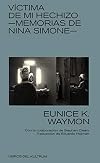
La portada nos avisa que esta autobiografía de Eunice Kathleen Waymon (1933-2003) está escrita con la colaboración de un tal Stephen Cleary, pero estoy segura de que hay más de ella en el texto, o por lo menos así es como yo creo que debió hablar Nina Simone.
Auténtica en todas sus dimensiones, como mujer, negra, música brillante y activista política, lo que más destaca en todo el texto es precisamente su honestidad y pese a todas sus equivocaciones, que ella misma reconoce, el show more compromiso con su gente marcó una época.
Nina llega al jazz precisamente por la actitud racista del mundo academicista de la música que le impiden continuar sus estudios clásicos, descubriendo como cierto tipo de discriminación se oculta tras una velada calificación profesional:
"… salí a caminar sintiendo que me habían despellejado y que cada desaire, real o imaginario, me cortaba un fragmento de piel y me dejaba en carne viva. Pero la piel volvió a crecer, un poco más dura, un poco menos inocente y un poco más negra."
Cuando descubre todo lo que eso supone, comienza a colaborar con los movimientos antiracistas norteamericanos, y conoce a muchos de sus principales activistas, como Malcolm X o Luther King. Destaca la actitud responsable frente a su activismo político como ejemplo de rigurosidad frente a la complejidad de muchas de las manifestaciones e intervenciones en las que participaba activamente, ya que, consciente de la importancia que tenía que gente como ella los apoyara, intentaba conocer bien cada una de las causas que seguía: "Por eso tenía que estar familiarizada con lo que se fraguaba en todos lo frentes y saber a quién -- y a qué fin -- se destinaban los fondos recaudados, cuáles eran los objetivos de esas manifestaciones así como familiarizarme también con los que las organizaban. (...) No analizaba las consignas de una manera fría e intelectual, sino que lo hacía con una actitud intuitiva, y cuando me sublevaba cualquier injusticia reaccionaba con furia, sin detenerme siquiera a considerar las implicaciones de mis actos."
Tras el asesinato de Malcolm X, Nina abraza el camino de la violencia ya que estaba segura de que esta sería una "parte inevitable de la lucha que, si no lo entendíamos pronto, moriríamos como moscas."
Nina Simone, como dice uno de sus primeros agentes, tiene color y carga sobre sus espaldas con el peso de cuarenta millones de personas.
A nivel personal, un marido insensible al cansancio de una trabajadora impenitente y cuyos tejemanejes con el fisco acabarán perjudicándole, varios alocados amantes, una hija a la que también reconoce haber dedicado poco tiempo, sus auto-exilios en Barbados, Liberia, Suiza, París, Londres y Amsterdam, acabarán por moldear su mundo, un mundo que ella misma se ha creado, a decir del escritor Jimmy Baldwin y en el que tendrá que vivir.
Simone remata su alegato defendiendo lo mismo que había defendido cuando comenzó su activismo político: que la industria de la música estaba llena de ladrones, que Estados Unidos era un país racista y que veinte años más tarde seguía castigando a los ciudadanos negros que se habían involucrado en el movimiento.
El libro termina con una ratificación en sus compromisos que da cuenta de su integridad: "Una incontable cantidad de errores, no pocos días malos y, lo más regocijante de todo, años de alegría -duros, pero también entrañables- en los que luché por los derechos de mis hermanas y hermanos en todas partes (...) Entonces sabía y sigo sabiéndolo ahora, que esa felicidad que sentía cuando marchábamos juntos y que todavía siento, es de una índole que muy poca gente puede experimentar".
La edición de Libros del Kultrum sería impecable sino fuera que a mitad del libro tiene unas cuantas páginas que se olvidó de corregir, con un montón de errores de tipografía. Los tengo todos apuntados. show less
Auténtica en todas sus dimensiones, como mujer, negra, música brillante y activista política, lo que más destaca en todo el texto es precisamente su honestidad y pese a todas sus equivocaciones, que ella misma reconoce, el show more compromiso con su gente marcó una época.
Nina llega al jazz precisamente por la actitud racista del mundo academicista de la música que le impiden continuar sus estudios clásicos, descubriendo como cierto tipo de discriminación se oculta tras una velada calificación profesional:
"… salí a caminar sintiendo que me habían despellejado y que cada desaire, real o imaginario, me cortaba un fragmento de piel y me dejaba en carne viva. Pero la piel volvió a crecer, un poco más dura, un poco menos inocente y un poco más negra."
Cuando descubre todo lo que eso supone, comienza a colaborar con los movimientos antiracistas norteamericanos, y conoce a muchos de sus principales activistas, como Malcolm X o Luther King. Destaca la actitud responsable frente a su activismo político como ejemplo de rigurosidad frente a la complejidad de muchas de las manifestaciones e intervenciones en las que participaba activamente, ya que, consciente de la importancia que tenía que gente como ella los apoyara, intentaba conocer bien cada una de las causas que seguía: "Por eso tenía que estar familiarizada con lo que se fraguaba en todos lo frentes y saber a quién -- y a qué fin -- se destinaban los fondos recaudados, cuáles eran los objetivos de esas manifestaciones así como familiarizarme también con los que las organizaban. (...) No analizaba las consignas de una manera fría e intelectual, sino que lo hacía con una actitud intuitiva, y cuando me sublevaba cualquier injusticia reaccionaba con furia, sin detenerme siquiera a considerar las implicaciones de mis actos."
Tras el asesinato de Malcolm X, Nina abraza el camino de la violencia ya que estaba segura de que esta sería una "parte inevitable de la lucha que, si no lo entendíamos pronto, moriríamos como moscas."
Nina Simone, como dice uno de sus primeros agentes, tiene color y carga sobre sus espaldas con el peso de cuarenta millones de personas.
A nivel personal, un marido insensible al cansancio de una trabajadora impenitente y cuyos tejemanejes con el fisco acabarán perjudicándole, varios alocados amantes, una hija a la que también reconoce haber dedicado poco tiempo, sus auto-exilios en Barbados, Liberia, Suiza, París, Londres y Amsterdam, acabarán por moldear su mundo, un mundo que ella misma se ha creado, a decir del escritor Jimmy Baldwin y en el que tendrá que vivir.
Simone remata su alegato defendiendo lo mismo que había defendido cuando comenzó su activismo político: que la industria de la música estaba llena de ladrones, que Estados Unidos era un país racista y que veinte años más tarde seguía castigando a los ciudadanos negros que se habían involucrado en el movimiento.
El libro termina con una ratificación en sus compromisos que da cuenta de su integridad: "Una incontable cantidad de errores, no pocos días malos y, lo más regocijante de todo, años de alegría -duros, pero también entrañables- en los que luché por los derechos de mis hermanas y hermanos en todas partes (...) Entonces sabía y sigo sabiéndolo ahora, que esa felicidad que sentía cuando marchábamos juntos y que todavía siento, es de una índole que muy poca gente puede experimentar".
La edición de Libros del Kultrum sería impecable sino fuera que a mitad del libro tiene unas cuantas páginas que se olvidó de corregir, con un montón de errores de tipografía. Los tengo todos apuntados. show less

A (Great).
I suspect Nina Simone albums will always be a little uneven - her more theatrical moments tend to not be For Me. But her lows are never actually bad, and her highs are amazing.
Highlights: "Wild Is the Wind," "Either Way I Lose"
(Mar. 2026)
I suspect Nina Simone albums will always be a little uneven - her more theatrical moments tend to not be For Me. But her lows are never actually bad, and her highs are amazing.
Highlights: "Wild Is the Wind," "Either Way I Lose"
(Mar. 2026)
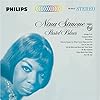
A (Great).
There are a few great tracks, a few weak tracks. And then there's "Sinnerman," nearly a third of the album's running time and one of the best recordings ever made.
(Jan. 2025)
There are a few great tracks, a few weak tracks. And then there's "Sinnerman," nearly a third of the album's running time and one of the best recordings ever made.
(Jan. 2025)
Lists
Awards


You May Also Like


Associated Authors
Statistics
- Works
- 196
- Also by
- 15
- Members
- 830
- Popularity
- #30,756
- Rating
- 4.1
- Reviews
- 8
- ISBNs
- 33
- Languages
- 4
- Favorited
- 1
