
Kay Frydenborg
Author of Wild Horse Scientists
Works by Kay Frydenborg
Tagged
Common Knowledge
There is no Common Knowledge data for this author yet. You can help.
Members
Reviews
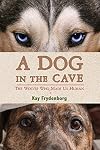
Well written and researched book on the evolution of relationship between canine species and humans. Certainly this book seems worthy of being at the least a supplementary text in classroom studies in anthropology and evolution of dogs. A Dog In The Cave would appeal to readers 12yrs of age to adult, dog enthusiasts or casual inquisitor.
This is a beautifully written book that describes the current research on dog and human co-evolution. "A Dog in a Cave" covers such interesting topics as paleontology, dog evolution, genetics and social behaviour and interactions of dogs, wolves and humans. This book is meant for intelligent younger readers but can also be enjoyed by adults. The author assumes her readers are intelligent and doesn't insult them by simplifying everything into baby language. This book doesn't go into a great show more deal of scientific detail but is well-written and concepts superbly explained (better than most science writer/journalists for adults). The block sections explaining important concepts are also a nice idea. The colour photographs make this a lovely book to look at too. This book includes a glossary, notes, selected bibliography, internet resources and an index for anyone wanting more information on specific topics.
This book would make a lovely gift for a dog-loving child, teenager or adult that isn't a zoologist.
Recommended related book:
[b:Domesticated: Evolution in a Man-Made World|26530381|Domesticated Evolution in a Man-Made World|Richard C. Francis|https://images.gr-assets.com/books/1463185941s/26530381.jpg|42871203] show less
This book would make a lovely gift for a dog-loving child, teenager or adult that isn't a zoologist.
Recommended related book:
[b:Domesticated: Evolution in a Man-Made World|26530381|Domesticated Evolution in a Man-Made World|Richard C. Francis|https://images.gr-assets.com/books/1463185941s/26530381.jpg|42871203] show less
A very enjoyable, thought-provoking look into the coevolution of humans and their best friends. It explores the history of dogs and the current scientific research being done into their genetic sequencing, neurology, and psychology, as well as their place in the modern world. It is a very well-crafted book in every sense, and a must read for any dog person out there.

Chocolate is a well-written non-fiction book about the history and science behind chocolate.
Over thousands of years, chocolate has been used many different ways: money, food, treatment, symbol, and comfort. Many people know that the Aztecs and Incas grew chocolate and that it was an important part of their culture. Historians and scientists have discovered that the Olmec nation also used chocolate and they came before the Aztecs and Incas. The chocolate trees originated in the rain forests show more around the equator in Middle and South America.
Ms. Frydenborg begins the book by telling about the history of chocolate and how it was used as money and as a sacred symbol by early inhabitants. She then progresses to how chocolate developed over the centuries. Americans were slower to like chocolate than the Europeans. It was the Europeans who added sugar; previously the early explorers didn’t necessarily like the bitter flavor. It was only in the mid-1900s that chocolate really took off in America.
The author also discusses the dark side of chocolate. The way chocolate has been abused and the workers who harvest it as well have been well documented. Now there is pressure to ensure that chocolate is grown in a sustainable way and the workers are treated well and paid well. There is a fear that we will lose chocolate due to fungus that attacks and kills the cocao tree, which is where chocolate comes from.
Ms. Frydenborg tells about modern scientists and their new discoveries that are changing what we thought about early civilizations in the Americas. It’s truly a fascinating book where you will learn many surprising facts and discoveries. I love chocolate and loved learning about it. Shockingly, it’s worth your time especially if you like history, science, or chocolate! show less
Over thousands of years, chocolate has been used many different ways: money, food, treatment, symbol, and comfort. Many people know that the Aztecs and Incas grew chocolate and that it was an important part of their culture. Historians and scientists have discovered that the Olmec nation also used chocolate and they came before the Aztecs and Incas. The chocolate trees originated in the rain forests show more around the equator in Middle and South America.
Ms. Frydenborg begins the book by telling about the history of chocolate and how it was used as money and as a sacred symbol by early inhabitants. She then progresses to how chocolate developed over the centuries. Americans were slower to like chocolate than the Europeans. It was the Europeans who added sugar; previously the early explorers didn’t necessarily like the bitter flavor. It was only in the mid-1900s that chocolate really took off in America.
The author also discusses the dark side of chocolate. The way chocolate has been abused and the workers who harvest it as well have been well documented. Now there is pressure to ensure that chocolate is grown in a sustainable way and the workers are treated well and paid well. There is a fear that we will lose chocolate due to fungus that attacks and kills the cocao tree, which is where chocolate comes from.
Ms. Frydenborg tells about modern scientists and their new discoveries that are changing what we thought about early civilizations in the Americas. It’s truly a fascinating book where you will learn many surprising facts and discoveries. I love chocolate and loved learning about it. Shockingly, it’s worth your time especially if you like history, science, or chocolate! show less
Awards


You May Also Like


Statistics
- Works
- 5
- Members
- 301
- Popularity
- #78,061
- Rating
- 3.9
- Reviews
- 18
- ISBNs
- 13