
Derek Zobel
Author of Neptune
About the Author
Works by Derek Zobel
Tagged
Common Knowledge
- Legal name
- Zobel, Derek Alan
- Birthdate
- 1988
- Gender
- male
- Education
- University of St. Thomas (MBA|2014)
St. Olaf College (BA|English and Art History|2006) - Occupations
- writer
editor
marketing communications specialist
manager
children's book author - Organizations
- Bellwether Media
Members
Reviews
Chipmunks (Blastoff! Readers: Backyard Wildlife) (Blastoff! Readers: Backyard Wildlife: Level 1) by Derek Zobel
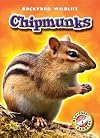
I’m focusing on our easy reader collection this year, adding replacements for classic easy readers and trying to create a strong, balanced collection with a variety of reading levels and subjects. I’m especially looking to add more nonfiction easy readers, so I borrowed several titles from Scholastic’s/Bellwether Media Blastoff! Readers series, Backyard Wildlife. This series includes various common animals; including the three I borrowed which look at Squirrels, Raccoons, and show more Chipmunks.
Each book has a table of contents and about 18 pages of information, including basic identification, habits, some special abilities like climbing trees or storing food in pouches, what the animal eats and where it lives... A very brief glossary, additional book titles, and a link to the publisher’s website for more information and links to other websites and an index complete the book.
Each spread has one or two simple sentences on the left and a colorful photograph of the subject animal on the right. The photographs are attractive, but I found the overall design of the pages a little annoying, as the top quarter of every spread is taken up by a colored swirl matching the cover of the book. I’m not sure why, but it looks kind of silly to me.
Verdict: This is a good easy reader series for kids who like animal nonfiction and want to learn some basic facts about the animals they may see every day. They are library bound, so the discounted $18 price is a bit steep – I usually don’t pay more than $12 for hardback easy readers, but I’ll probably splurge on a couple of these because I haven’t found anything similar and they’ll round out all the “weird animals” nonfiction easy readers and juvenile I’ve purchased.
Published August 2010 by Scholastic; Borrowed from the library; Purchased for the library
Chipmunks
ISBN: 9781600144387
Raccoons
ISBN: 9781600144448
Squirrels
ISBN: 9781600144479
show less
Each book has a table of contents and about 18 pages of information, including basic identification, habits, some special abilities like climbing trees or storing food in pouches, what the animal eats and where it lives... A very brief glossary, additional book titles, and a link to the publisher’s website for more information and links to other websites and an index complete the book.
Each spread has one or two simple sentences on the left and a colorful photograph of the subject animal on the right. The photographs are attractive, but I found the overall design of the pages a little annoying, as the top quarter of every spread is taken up by a colored swirl matching the cover of the book. I’m not sure why, but it looks kind of silly to me.
Verdict: This is a good easy reader series for kids who like animal nonfiction and want to learn some basic facts about the animals they may see every day. They are library bound, so the discounted $18 price is a bit steep – I usually don’t pay more than $12 for hardback easy readers, but I’ll probably splurge on a couple of these because I haven’t found anything similar and they’ll round out all the “weird animals” nonfiction easy readers and juvenile I’ve purchased.
Published August 2010 by Scholastic; Borrowed from the library; Purchased for the library
Chipmunks
ISBN: 9781600144387
Raccoons
ISBN: 9781600144448
Squirrels
ISBN: 9781600144479
show less
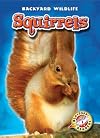
I’m focusing on our easy reader collection this year, adding replacements for classic easy readers and trying to create a strong, balanced collection with a variety of reading levels and subjects. I’m especially looking to add more nonfiction easy readers, so I borrowed several titles from Scholastic’s/Bellwether Media Blastoff! Readers series, Backyard Wildlife. This series includes various common animals; including the three I borrowed which look at Squirrels, Raccoons, and show more Chipmunks.
Each book has a table of contents and about 18 pages of information, including basic identification, habits, some special abilities like climbing trees or storing food in pouches, what the animal eats and where it lives... A very brief glossary, additional book titles, and a link to the publisher’s website for more information and links to other websites and an index complete the book.
Each spread has one or two simple sentences on the left and a colorful photograph of the subject animal on the right. The photographs are attractive, but I found the overall design of the pages a little annoying, as the top quarter of every spread is taken up by a colored swirl matching the cover of the book. I’m not sure why, but it looks kind of silly to me.
Verdict: This is a good easy reader series for kids who like animal nonfiction and want to learn some basic facts about the animals they may see every day. They are library bound, so the discounted $18 price is a bit steep – I usually don’t pay more than $12 for hardback easy readers, but I’ll probably splurge on a couple of these because I haven’t found anything similar and they’ll round out all the “weird animals” nonfiction easy readers and juvenile I’ve purchased.
Published August 2010 by Scholastic; Borrowed from the library; Purchased for the library
Chipmunks
ISBN: 9781600144387
Raccoons
ISBN: 9781600144448
Squirrels
ISBN: 9781600144479
I'm continuing in my new weeding plan. Now that I've done comprehensive weeding of every area, I'm doing sustainable weeding - a few small sections at a time. I have an excel spreadsheet breaking each area down so once I complete an area I'll cycle back and start again. With the nonfiction especially, I'm weeding and replacing as I come across gaps and I just discovered we have only one outdated book on rabbits, squirrels, and chipmunks. That's one book total! I added chipmunk books easily enough, but now I'm looking for books on squirrels and wild rabbits.
This is also a sign of how unbiased I am, since I am waging an eternal war with the squirrels and am much more interested in figuring out how to get rid of them than buying books about them. Gah.
So, the first title is part of the Backyard Wildlife series and is an easy reader. I looked at this series several years ago and bought a couple, but they're really too simple for what I want, plus an easy reader would end up in the easy readers and not in the nonfiction. Cross this one off the list.
Next, we have a series called Backyard Safari. This is written by an author who's done a lot of Scholastic's True Books and it has a nice mixture of photos and text. However, it's more of an activity guide. It has kids collecting equipment and going on a "safari" to watch squirrels. I will merely say that no such extensive preparations are needed in this area - just come over to my house and I can provide you with 2-10 squirrels at any time and in any weather. I really want something that's just basic information about squirrels. Also, the background color of all the pages is yellow which strikes me as very odd.
The third book is from a series simply called Animals Animals and is the most text-heavy of the titles. It covers squirrels' life cycle, habitats, different species, and problems cohabiting with humans. There's no really solid solution given (not surprising, considering that nobody has ever really figured out how to deal with squirrels) but the author finishes by saying that most people like to watch squirrels and backyards would be very boring without them. Which I will admit is true enough.
The final title is in the Life Cycles series and is a very basic introduction to squirrels and their life cycle from birth, growing up, mating, and birth again. There's information on their habits and habitats and lots of photos and extra facts.
Verdict: I think the Backyard Wildlife series is far too expensive for the amount of text included and the National Geographic easy readers are far superior. The Backyard Safari series is interesting, but it is more focused on activities than information and it feels like a lot of work when you can just look out the window and see squirrels. The Animals Animals series has the most information and would be the best title for kids doing research and the Life Cycles series will be most quickly picked up by kids who just want to learn more about squirrels. I'll be purchasing the last two titles.
Backyard Wildlife: Squirrels by Derek Zobel
ISBN: 9781600144479; Published 2010 by Bellwether Media
Backyard Safari: Squirrels by Trudi Strain Trueit
ISBN: 9781608702480; Published 2011 by Marshall Cavendish
Animals Animals: Squirrels by Steven Otfinoski
ISBN: 9780761448433; Published 2011 by Marshall Cavendish
Life Cycles: Squirrels by Julie K. Lundgren
ISBN: 9781615903108; Published 2011 by Rourke Publishing
All titles borrowed from other libraries in my consortium
show less
Each book has a table of contents and about 18 pages of information, including basic identification, habits, some special abilities like climbing trees or storing food in pouches, what the animal eats and where it lives... A very brief glossary, additional book titles, and a link to the publisher’s website for more information and links to other websites and an index complete the book.
Each spread has one or two simple sentences on the left and a colorful photograph of the subject animal on the right. The photographs are attractive, but I found the overall design of the pages a little annoying, as the top quarter of every spread is taken up by a colored swirl matching the cover of the book. I’m not sure why, but it looks kind of silly to me.
Verdict: This is a good easy reader series for kids who like animal nonfiction and want to learn some basic facts about the animals they may see every day. They are library bound, so the discounted $18 price is a bit steep – I usually don’t pay more than $12 for hardback easy readers, but I’ll probably splurge on a couple of these because I haven’t found anything similar and they’ll round out all the “weird animals” nonfiction easy readers and juvenile I’ve purchased.
Published August 2010 by Scholastic; Borrowed from the library; Purchased for the library
Chipmunks
ISBN: 9781600144387
Raccoons
ISBN: 9781600144448
Squirrels
ISBN: 9781600144479
I'm continuing in my new weeding plan. Now that I've done comprehensive weeding of every area, I'm doing sustainable weeding - a few small sections at a time. I have an excel spreadsheet breaking each area down so once I complete an area I'll cycle back and start again. With the nonfiction especially, I'm weeding and replacing as I come across gaps and I just discovered we have only one outdated book on rabbits, squirrels, and chipmunks. That's one book total! I added chipmunk books easily enough, but now I'm looking for books on squirrels and wild rabbits.
This is also a sign of how unbiased I am, since I am waging an eternal war with the squirrels and am much more interested in figuring out how to get rid of them than buying books about them. Gah.
So, the first title is part of the Backyard Wildlife series and is an easy reader. I looked at this series several years ago and bought a couple, but they're really too simple for what I want, plus an easy reader would end up in the easy readers and not in the nonfiction. Cross this one off the list.
Next, we have a series called Backyard Safari. This is written by an author who's done a lot of Scholastic's True Books and it has a nice mixture of photos and text. However, it's more of an activity guide. It has kids collecting equipment and going on a "safari" to watch squirrels. I will merely say that no such extensive preparations are needed in this area - just come over to my house and I can provide you with 2-10 squirrels at any time and in any weather. I really want something that's just basic information about squirrels. Also, the background color of all the pages is yellow which strikes me as very odd.
The third book is from a series simply called Animals Animals and is the most text-heavy of the titles. It covers squirrels' life cycle, habitats, different species, and problems cohabiting with humans. There's no really solid solution given (not surprising, considering that nobody has ever really figured out how to deal with squirrels) but the author finishes by saying that most people like to watch squirrels and backyards would be very boring without them. Which I will admit is true enough.
The final title is in the Life Cycles series and is a very basic introduction to squirrels and their life cycle from birth, growing up, mating, and birth again. There's information on their habits and habitats and lots of photos and extra facts.
Verdict: I think the Backyard Wildlife series is far too expensive for the amount of text included and the National Geographic easy readers are far superior. The Backyard Safari series is interesting, but it is more focused on activities than information and it feels like a lot of work when you can just look out the window and see squirrels. The Animals Animals series has the most information and would be the best title for kids doing research and the Life Cycles series will be most quickly picked up by kids who just want to learn more about squirrels. I'll be purchasing the last two titles.
Backyard Wildlife: Squirrels by Derek Zobel
ISBN: 9781600144479; Published 2010 by Bellwether Media
Backyard Safari: Squirrels by Trudi Strain Trueit
ISBN: 9781608702480; Published 2011 by Marshall Cavendish
Animals Animals: Squirrels by Steven Otfinoski
ISBN: 9780761448433; Published 2011 by Marshall Cavendish
Life Cycles: Squirrels by Julie K. Lundgren
ISBN: 9781615903108; Published 2011 by Rourke Publishing
All titles borrowed from other libraries in my consortium
show less

This book is a really cool informational non-fiction book all about NASA. I really like book because it has a lot of interesting facts about NASA including it's history and all of the things that they have and are doing right now. This would be a great book to use when students are learning how to summarize because it lays out all of the important things about NASA that students could identify very easily.
This week I'm looking at rabbits, but with less success than my examination of squirrels. It's really, really hard to find good books on wild rabbits.
The first title is in a series entitled How do we live together? This is a very simplistic title that mainly focuses on how people coexist with rabbits. One of the photographs looked a lot like a hare to me, but I could be wrong. Another shows an adorably cute little bunny sitting in a live animal trap and the caption reads "Traps are not a show more very nice way to get rid of rabbits." There are a few suggestions on how to keep rabbits out of gardens and then the book ends by saying "It is our job to find ways to live with rabbits. Then we can all enjoy spending time together outdoors." The audience for this book is unlikely to care that rabbits eat crops and the solutions are only going to work for a small garden anyways. This series seems kind of pointless.
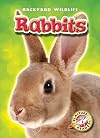
Next, we're back to the Backyard Wildlife easy reader series. This one is ok, but still too simplistic for what I'm looking for. Also, the rabbit pictured on the cover looks like a Rex or Satin domesticated rabbit, not a wild rabbit. Pass on this one as well - it's not worth $20 of my budget.
The last book I found is from a series called See How They Grow and while it contains the most comprehensive information on rabbits' life cycle and habits, it's mostly geared towards pet owners with sections on domestic rabbits, how to choose a pet, and how to take care of pet rabbits. I already have quite a few books on pet rabbits and don't need any more.
Verdict: This was an unsuccessful review. No other libraries had any current titles on wild rabbits for me to borrow, so I'm going to have to buy blind and hope I get something good.
How do we live together? Rabbits by Katie Marsico
ISBN: 9781602796225; Published 2010 by Cherry Lake
Backyard Wildlife: Rabbits by Derek Zobel
ISBN: 9781600144431; Published 2010 by Bellwether Media
See how they grow: See how rabbits grow by Kathryn Walker
ISBN: 9781435828315; Published 2009 by Power Kids Press show less
The first title is in a series entitled How do we live together? This is a very simplistic title that mainly focuses on how people coexist with rabbits. One of the photographs looked a lot like a hare to me, but I could be wrong. Another shows an adorably cute little bunny sitting in a live animal trap and the caption reads "Traps are not a show more very nice way to get rid of rabbits." There are a few suggestions on how to keep rabbits out of gardens and then the book ends by saying "It is our job to find ways to live with rabbits. Then we can all enjoy spending time together outdoors." The audience for this book is unlikely to care that rabbits eat crops and the solutions are only going to work for a small garden anyways. This series seems kind of pointless.
Next, we're back to the Backyard Wildlife easy reader series. This one is ok, but still too simplistic for what I'm looking for. Also, the rabbit pictured on the cover looks like a Rex or Satin domesticated rabbit, not a wild rabbit. Pass on this one as well - it's not worth $20 of my budget.
The last book I found is from a series called See How They Grow and while it contains the most comprehensive information on rabbits' life cycle and habits, it's mostly geared towards pet owners with sections on domestic rabbits, how to choose a pet, and how to take care of pet rabbits. I already have quite a few books on pet rabbits and don't need any more.
Verdict: This was an unsuccessful review. No other libraries had any current titles on wild rabbits for me to borrow, so I'm going to have to buy blind and hope I get something good.
How do we live together? Rabbits by Katie Marsico
ISBN: 9781602796225; Published 2010 by Cherry Lake
Backyard Wildlife: Rabbits by Derek Zobel
ISBN: 9781600144431; Published 2010 by Bellwether Media
See how they grow: See how rabbits grow by Kathryn Walker
ISBN: 9781435828315; Published 2009 by Power Kids Press show less
Awards

You May Also Like


Statistics
- Works
- 56
- Members
- 532
- Popularity
- #46,803
- Rating
- 3.9
- Reviews
- 7
- ISBNs
- 263
- Languages
- 1