
Tim Hegg
Author of The Letter Writer: Paul's Background and Torah Perspective
About the Author
Tim Hegg is one of the teachers at Beit Hallel in Tacoma, WA, USA
Works by Tim Hegg
It is Often Said: Comments and Comparisons of Traditional Christian Theology and Hebraic Thought, Vol. 1 (2001) 24 copies, 1 review
It Is Often Said: Comments and Comparisons of Traditional Christian Theology and Hebraic Thought, Vol. 3 (It Is Often Said, 3) (2013) 17 copies
Tagged
Common Knowledge
Members
Reviews
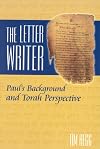
The vast majority of the modern day studies, teachings, and theologies developed concerning the Apostle Paul all disseminate a similar perspective:
1. That Paul underwent a typical conversion from one religion to another, from the Law-based religion of Judaism to the Grace-based religion of Christianity.
2. That Paul preached against the Torah and Judaism and that he sought to rescue people, both Jew and Gentile, from the clutches of this works-based system.
3. And some even teach that Paul show more taught that there were two ways of salvation, two ways to gain right-standing before God: the old way (works) and the new (grace).
Has the Body of Messiah missed significant blessing found in the Torah resulting from a skewed perception and misunderstanding of Paul and his writings?
It is time for us to take a new and honest look at Paul as an apostle who was Torah observant, faithful to the call of Israel, and a great man that encouraged the followers of the Messiah to embrace the teachings of Moses and with great passion declared Yeshua to be the Messiah of Israel!
The Letter Writer challenges traditional Christian viewpoints of the Apostle Paul, his message and the foundation of his theological approach and understanding. Through this remarkable book Tim Hegg attempts to re-establish a biblical, historical, and cultural understanding of Paul the Torah observant Apostle.
Quotes from the Book
He did not cease being a Pharisee when he came to faith in Yeshua, for he never considered Pharisaism to be something negative or contrary to genuine faith. That he would describe himself as a Pharisee even while being tried for his faith in Yeshua proves this beyond doubt. When we read his epistles, then, we must be careful not to read back into his words what we would expect a modern Christian theologian to say or think. We must hear Paul on his own terms, as a Pharisee who, being a pious Jew, had come to a genuine faith in Yeshua as his Messiah, and who had been called by Yeshua to be His apostle to the Gentiles.…
…The quote from the Mishnah says that a place in the word-to-come is based upon a status of righteousness. Israel has a place in the world-tocome because ‘Your people are all righteous.’ What did they mean by this statement?
. . . righteousness is attributed to all who are members of the covenant. Righteousness is a matter of God’s willingness to reckon the pious deeds of the fathers to their offspring and to forgive and show mercy when Israel sins. Thus, the place in the world-to-come which belongs to all of Israel is a matter of God’s grace, not something earned…
…Though sanctioned by the Sages, it was not God’s way. God never intended Gentiles to become Jews. What He had revealed was that the Gentiles would attach themselves to Israel by faith in God, and that in their attachment to Israel they would be blessed in the covenant, bearing both the responsibilities as well as the privileges and blessings of the Torah. Indeed, it is clearly stated in the Torah that there would be one and the same Torah for both the native born and the resident alien…
…Those who had been looked upon as ‘dogs,’ as total outsiders, not only were to be blessed with the same covenant blessings given to Abraham, but they were to be blessed within the very family of Israel. What is more, this blessing would come through adoption rather than the ritual of the proselyte. Faith in Yeshua would bring Jew and Gentile to be one in the body of Messiah….
…While he followed his Savior in doing away with traditions that stood contrary to the written Torah, we do see in Paul’s letters a recognition of the value of tradition and even the necessity of it within the community of faith….
…If James, Peter, and the others had been of the opinion that the Torah was finished, and that a new era, initiated by Messiah, had now made the Torah obsolete for His followers, here was the perfect time to make this absolutely clear. What better way to declare this than by confirming that Paul was telling the people to forsake the Torah of Moses, and that he had their full approval? Here was the perfect opportunity to repudiate the need for Torah once and for all – to proclaim in no uncertain terms that the Torah was null and void, and that followers of Yeshua were forever free from any necessary connection to the Torah. But instead of sending that message they proclaim just the opposite. They inform Paul of four men who desire to conclude their Nazirite vows but do not have the funds necessary to purchase the required sacrificial animals. It is determined that Paul should not only aid them in this mitzvah, but also go with them and be purified himself. By doing so, Paul sends the clearest statement possible that the Torah is not only alive and well, but the he, as a genuine follower of Yeshua and His appointed Apostle to the Gentiles, joyfully lived by its ordinances…
Make no mistake, we are saved by grade through faith in Christ. But the Torah is our Instruction on how to live life here on earth. Jesus never did aay with it, the disciples never did away with it and Paul never did away with it.
Are You Studying Hebrew Roots?
If you have been studying the Hebrew roots it is important to remember to use spiritual discernment when talking to Christians that are not aware of our rich heritage. Walk softly. Don’t get defensive –stay humble. If you must disagree do it in a sincere loving manner in prayer. Dr John Garr, author of Restoring Our Lost Legacy: Christianity’s Hebrew Heritage wisely said,
“We whom God is using to advance the radical restoration of taking the church back to its Jewish roots must ever remember that ours is not an elitist, exclusive, judgmental society. We must keep our eyes focused on the ever-moving Cloud of Glory; however, we must build bridges behind us while reaching out to new horizons of faith and truth. Flexibility adds to our strength. It is never a sign of weakness to reach out to someone else in love and affirmation, even if we do not understand all they believe. Let us continue to work at Hebraic restoration, but let us also mirror the spirit of Christ who came into the world not to condemn but to save.”
Beloved, let us love one another: for love is of God; and every one that loveth is born of God, and knoweth God.
.
Tim Hegg is a homeschool Dad. show less
1. That Paul underwent a typical conversion from one religion to another, from the Law-based religion of Judaism to the Grace-based religion of Christianity.
2. That Paul preached against the Torah and Judaism and that he sought to rescue people, both Jew and Gentile, from the clutches of this works-based system.
3. And some even teach that Paul show more taught that there were two ways of salvation, two ways to gain right-standing before God: the old way (works) and the new (grace).
Has the Body of Messiah missed significant blessing found in the Torah resulting from a skewed perception and misunderstanding of Paul and his writings?
It is time for us to take a new and honest look at Paul as an apostle who was Torah observant, faithful to the call of Israel, and a great man that encouraged the followers of the Messiah to embrace the teachings of Moses and with great passion declared Yeshua to be the Messiah of Israel!
The Letter Writer challenges traditional Christian viewpoints of the Apostle Paul, his message and the foundation of his theological approach and understanding. Through this remarkable book Tim Hegg attempts to re-establish a biblical, historical, and cultural understanding of Paul the Torah observant Apostle.
Quotes from the Book
He did not cease being a Pharisee when he came to faith in Yeshua, for he never considered Pharisaism to be something negative or contrary to genuine faith. That he would describe himself as a Pharisee even while being tried for his faith in Yeshua proves this beyond doubt. When we read his epistles, then, we must be careful not to read back into his words what we would expect a modern Christian theologian to say or think. We must hear Paul on his own terms, as a Pharisee who, being a pious Jew, had come to a genuine faith in Yeshua as his Messiah, and who had been called by Yeshua to be His apostle to the Gentiles.…
…The quote from the Mishnah says that a place in the word-to-come is based upon a status of righteousness. Israel has a place in the world-tocome because ‘Your people are all righteous.’ What did they mean by this statement?
. . . righteousness is attributed to all who are members of the covenant. Righteousness is a matter of God’s willingness to reckon the pious deeds of the fathers to their offspring and to forgive and show mercy when Israel sins. Thus, the place in the world-to-come which belongs to all of Israel is a matter of God’s grace, not something earned…
…Though sanctioned by the Sages, it was not God’s way. God never intended Gentiles to become Jews. What He had revealed was that the Gentiles would attach themselves to Israel by faith in God, and that in their attachment to Israel they would be blessed in the covenant, bearing both the responsibilities as well as the privileges and blessings of the Torah. Indeed, it is clearly stated in the Torah that there would be one and the same Torah for both the native born and the resident alien…
…Those who had been looked upon as ‘dogs,’ as total outsiders, not only were to be blessed with the same covenant blessings given to Abraham, but they were to be blessed within the very family of Israel. What is more, this blessing would come through adoption rather than the ritual of the proselyte. Faith in Yeshua would bring Jew and Gentile to be one in the body of Messiah….
…While he followed his Savior in doing away with traditions that stood contrary to the written Torah, we do see in Paul’s letters a recognition of the value of tradition and even the necessity of it within the community of faith….
…If James, Peter, and the others had been of the opinion that the Torah was finished, and that a new era, initiated by Messiah, had now made the Torah obsolete for His followers, here was the perfect time to make this absolutely clear. What better way to declare this than by confirming that Paul was telling the people to forsake the Torah of Moses, and that he had their full approval? Here was the perfect opportunity to repudiate the need for Torah once and for all – to proclaim in no uncertain terms that the Torah was null and void, and that followers of Yeshua were forever free from any necessary connection to the Torah. But instead of sending that message they proclaim just the opposite. They inform Paul of four men who desire to conclude their Nazirite vows but do not have the funds necessary to purchase the required sacrificial animals. It is determined that Paul should not only aid them in this mitzvah, but also go with them and be purified himself. By doing so, Paul sends the clearest statement possible that the Torah is not only alive and well, but the he, as a genuine follower of Yeshua and His appointed Apostle to the Gentiles, joyfully lived by its ordinances…
Make no mistake, we are saved by grade through faith in Christ. But the Torah is our Instruction on how to live life here on earth. Jesus never did aay with it, the disciples never did away with it and Paul never did away with it.
Are You Studying Hebrew Roots?
If you have been studying the Hebrew roots it is important to remember to use spiritual discernment when talking to Christians that are not aware of our rich heritage. Walk softly. Don’t get defensive –stay humble. If you must disagree do it in a sincere loving manner in prayer. Dr John Garr, author of Restoring Our Lost Legacy: Christianity’s Hebrew Heritage wisely said,
“We whom God is using to advance the radical restoration of taking the church back to its Jewish roots must ever remember that ours is not an elitist, exclusive, judgmental society. We must keep our eyes focused on the ever-moving Cloud of Glory; however, we must build bridges behind us while reaching out to new horizons of faith and truth. Flexibility adds to our strength. It is never a sign of weakness to reach out to someone else in love and affirmation, even if we do not understand all they believe. Let us continue to work at Hebraic restoration, but let us also mirror the spirit of Christ who came into the world not to condemn but to save.”
Beloved, let us love one another: for love is of God; and every one that loveth is born of God, and knoweth God.
.
Tim Hegg is a homeschool Dad. show less
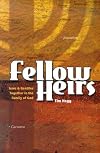
NO OF PAGES: 120 SUB CAT I: Israel SUB CAT II: Jewish Identity SUB CAT III: Identity DESCRIPTION: "Jews should do Jewish things and Christians should do Christian things." So says conventional ecumenical wisdom. But as Jews have begun to discover the Messiah, and non-Jewish believers have begun to discover the Torah, that divisive idea is being challenged. Now, Tim Hegg's "Fellow Heirs" takes on the difficult question of the Gentile believer?s relationship to the Torah and to the people of show more God. A masterful piece of scholarship, Tim Hegg's latest work seeks the biblical perspective on identity within the family of God. Is the Torah for all of God's children, or is it only for Jews? Who are the people the Torah refers to as "strangers?" Do Gentile believers have a legitimate place in Messianic Communities? "Fellow Heirs" answers these questions and more. The powerful results of Tim's research demonstrate, from the biblical text, that Jews and Gentiles are both beholden to the same covenant norms and responsibilities. There is only one set of teachings for all of God's people. "Fellow Heirs" is a must-read for every serious student of the Bible.NOTES: Donated by Tim Hegg. SUBTITLE: Jews & Gentiles Together in the Family of God show less

NO OF PAGES: 0 SUB CAT I: Faith SUB CAT II: Torah Teaching SUB CAT III: DESCRIPTION: Tim Hegg presents the fifth session on the Essentials of our Faith.NOTES: SUBTITLE:
NO OF PAGES: 0 SUB CAT I: Jewish - Christian Issues SUB CAT II: Commentary SUB CAT III: DESCRIPTION: Tim Hegg addresses the question of "What Is the Dividing Wall" mentioned in Ephesians 2:14, and explains that this refers to the additional "walls" erected by the oral Torah having to do with purity that had the effect of keeping Jews and Gentiles from associating with each other. Paul explains that "?now in Messiah Yeshua you who once were far away have been brought near through the blood of show more Messiah." Messiah's blood cleanses both Jew and Gentile, thus breaking down this man-made barrier.NOTES: SUBTITLE: What Is It? Who Made It? How Is It Destroyed? show less
You May Also Like


Statistics
- Works
- 99
- Members
- 331
- Popularity
- #71,752
- Rating
- 4.9
- Reviews
- 64
- ISBNs
- 43