
Lauren St. John
Author of The White Giraffe
About the Author
Image credit: Lauren St John, in October 2017
Series
Works by Lauren St. John
The White Giraffe Series: The Last Leopard and The Elephant's Tale: More African Adventures - books 3 and 4 (2012) 13 copies
Dead Man's Cove and Kidnap in the Caribbean: 2in1 Omnibus of books 1 and 2 (Laura Marlin Mysteries) (2014) 10 copies
Greg Norman : the biography 2 copies
Bezcenny 1 copy
Delfinernas sn̄g 1 copy
Legend of the Animal Healer, Books 1-3: The White Giraffe, Dolphin Song, and The Last Leopard (3-Book Set) (2010) 1 copy
AA25 الحصان ابو دولار 1 copy
Tagged
Common Knowledge
- Canonical name
- St. John, Lauren
- Birthdate
- 1966-12-21
- Gender
- female
- Occupations
- journalist
golf correspondent
children's book author
novelist - Organizations
- The Sunday Times (Journaliste, Golf)
- Nationality
- Zimbabwe
- Birthplace
- Gatooma, Rhodesia (now Kadoma, Zimbabwe)
- Places of residence
- Gadzema, Zimbabwe
Harare, Zimbabwe
London, England, UK - Associated Place (for map)
- Zimbabwe
Members
Reviews
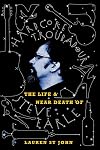
Excellent read about a talented and driven man. The book smoothly describes family and early life in east Texas. Earle had a raucous but caring southern upbringing. It was family, in the guise of a young uncle, who started him out on the rock n' roll and heroin path, but it was also his family that eventually helped him back to the world. Eventually the book goes from album to album and wife to wife, all five of them. In the end, the man seems to have found some peace. Though at times he show more sounded like a titanic asshole, good for him. An American original for sure. show less
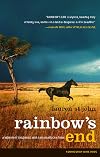
I never learned much about Africa in school. But the countries in Africa have a rich history. Lauren St John tells us about her life in the context of Rhodesia/Zimbabwe's history as a nation, particularly during the turbulent years of the civil war.
Lauren is much like I was as a child. A bit of a tomboy, obsessed with horses and animals, and idealizing her father. She spends the majority of her childhood on one of two farms surrounded by the wild and domesticated animals she loves. show more Meanwhile, the war rages on. She considers it a bit of an adventure, with her dad going off to fight now and then. She compares her life to the romance of the old American west.
But when the war is over, she discovers that the land she loved is not really hers. The values she was brought up with as a child were based on racism and oppression and she has to learn to deal with this new reality.
This memoir is an important look at the Zimbabwe civil war and taught me so much about the history and culture of that country. The book is also a look at childhood; how one can be blinded by devotion to a parent and not see the full truth. The book shows us how even in these dangerous circumstances, children can adapt and still have a blissful childhood. Finally, the book is a love letter to Africa. Her home, her family's home for 4 generations, yet it will never really be hers. show less
Lauren is much like I was as a child. A bit of a tomboy, obsessed with horses and animals, and idealizing her father. She spends the majority of her childhood on one of two farms surrounded by the wild and domesticated animals she loves. show more Meanwhile, the war rages on. She considers it a bit of an adventure, with her dad going off to fight now and then. She compares her life to the romance of the old American west.
But when the war is over, she discovers that the land she loved is not really hers. The values she was brought up with as a child were based on racism and oppression and she has to learn to deal with this new reality.
This memoir is an important look at the Zimbabwe civil war and taught me so much about the history and culture of that country. The book is also a look at childhood; how one can be blinded by devotion to a parent and not see the full truth. The book shows us how even in these dangerous circumstances, children can adapt and still have a blissful childhood. Finally, the book is a love letter to Africa. Her home, her family's home for 4 generations, yet it will never really be hers. show less
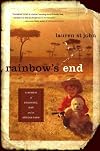
Rainbow’s End is a memoir set in a place that longer exists. Lauren St. John spent her early childhood on a farm in white-ruled Rhodesia. Her story is one with many contradictions and highlights her loss of innocence. As Lauren grows, she realizes that her perceptions of reality, her understanding of country and family, were in large part mere illusions.
The memoir is filled with images of the African landscape. The political landscape is also ever-present. It is seen with the childlike show more innocence of a girl exposed to the world through the eyes of her parents. Lauren was eleven years old at the beginning of the Rhodesian Bush War. She trusted the adults around her implicitly and truly believed that the war wasn’t one about racism; after all, many of the members in the Rhodesian army were black. The Communists were the enemy, and she fervently believed in the righteousness of the Rhodesian army. She loved her country unconditionally. When independence was finally achieved and the country became Zimbabwe, Lauren’s shock at the reality of the situation was palpable.
“For me it was the euphoria that was the giveaway. That and the fact that I’d only recently registered the name of Mugabe, and yet every black person in Zimbabwe seemed to have known about him for years…it was the euphoria that told me that the war of freedom, which in my childish innocence I had believed we were fighting against Communism, had turned out to be someone else’s war of freedom. WE were the terrorists. Our heroes were not heroes at all, they were evil racists. Only black people were allowed to be heroes.”
The memoir allows us to follow Lauren’s life after the establishment of Zimbabwe, as well. We see the tumultuous relationship between her eccentric parents, her life at boarding school, her dreams for the future, and the beginnings of the reign of terror under Mugabe. My edition of the book came complete with maps, a helpful glossary, and thought-provoking discussion questions at the end. This memoir of Lauren St John’s life is heartfelt, and a noteworthy read. Recommended. show less
The memoir is filled with images of the African landscape. The political landscape is also ever-present. It is seen with the childlike show more innocence of a girl exposed to the world through the eyes of her parents. Lauren was eleven years old at the beginning of the Rhodesian Bush War. She trusted the adults around her implicitly and truly believed that the war wasn’t one about racism; after all, many of the members in the Rhodesian army were black. The Communists were the enemy, and she fervently believed in the righteousness of the Rhodesian army. She loved her country unconditionally. When independence was finally achieved and the country became Zimbabwe, Lauren’s shock at the reality of the situation was palpable.
“For me it was the euphoria that was the giveaway. That and the fact that I’d only recently registered the name of Mugabe, and yet every black person in Zimbabwe seemed to have known about him for years…it was the euphoria that told me that the war of freedom, which in my childish innocence I had believed we were fighting against Communism, had turned out to be someone else’s war of freedom. WE were the terrorists. Our heroes were not heroes at all, they were evil racists. Only black people were allowed to be heroes.”
The memoir allows us to follow Lauren’s life after the establishment of Zimbabwe, as well. We see the tumultuous relationship between her eccentric parents, her life at boarding school, her dreams for the future, and the beginnings of the reign of terror under Mugabe. My edition of the book came complete with maps, a helpful glossary, and thought-provoking discussion questions at the end. This memoir of Lauren St John’s life is heartfelt, and a noteworthy read. Recommended. show less
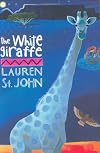
Impulse because giraffe, but I never felt like I got to know the giraffe at all. And despite the fact that the author wrote what she knows, having grown up close to African wildlife, some things didn't ring true (bats getting tangled in hair, peacock feathers in Cape Town in a small rural African's home).
The fantasy story itself, and the main characters, are fine. Entertaining enough I will read the next book if it's at my library. It's a 'tween novel, not a transitional chapter book for show more younger readers as I first thought, which means it's meatier and richer than I expected.
Recommended if you care about African wildlife.
"[T[he best revenge is forgiveness. Sometimes the thing that hurts your enemies most is to see that you are not like them." show less
The fantasy story itself, and the main characters, are fine. Entertaining enough I will read the next book if it's at my library. It's a 'tween novel, not a transitional chapter book for show more younger readers as I first thought, which means it's meatier and richer than I expected.
Recommended if you care about African wildlife.
"[T[he best revenge is forgiveness. Sometimes the thing that hurts your enemies most is to see that you are not like them." show less
Lists
Awards


You May Also Like


Associated Authors
Statistics
- Works
- 48
- Members
- 3,907
- Popularity
- #6,480
- Rating
- 3.9
- Reviews
- 63
- ISBNs
- 269
- Languages
- 12
