
Margery Sharp (1905–1991)
Author of The Rescuers
About the Author
Series
Works by Margery Sharp
Associated Works
Tagged
Common Knowledge
- Other names
- Sharp, Clara Margery Melita
- Birthdate
- 1905-01-25
- Date of death
- 1991-03-14
- Gender
- female
- Education
- Bedford College, University of London (BA|1928)
- Occupations
- novelist
children's book author - Organizations
- British Universities Women's Debating Team
- Relationships
- Castle, Geoffrey (husband)
- Nationality
- UK
- Birthplace
- Salisbury, Wiltshire, England, UK
- Places of residence
- London, Middlesex, England, UK
- Place of death
- Aldeburgh, Suffolk, England, UK
- Map Location
- England, UK
Members
Reviews
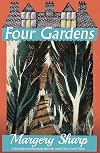
This is a gentle book about a very nice woman, Caroline Smith, a traditional wife and mother with an uncommunicative husband of whom she is quietly fond, and two adult children to whom she is devoted. Caroline is kind, diffident and intelligent, with a great deal of common sense.
The story begins at the turn of the last century, when Caroline Chase is seventeen. She lives in Morton, an outer suburb of London which consists of the town, where the common people live, and the common, where the show more upper classes live. The town and the common do not mix socially, and never intermarry. When Caroline, from the town, meets Victor, from the common, when both are exploring the garden of an abandoned manor house, she knows that they can't be friends in public but hopes anyway. She marries Henry, a man of her own class, capable and ambitious. Henry's eventual success enables him to move his family to a manor house in the equivalent of the common in a neighbouring suburb. All through the book we see the class system through Caroline's perspective: she knows her place, but is determined to fit in where she has to for the sake of her husband and children.
The stages of Caroline's life are delineated by gardens: the overgrown garden of the abandoned manor; the tiny backyard of the house in the town part of Morton, where she grows vegetables; the beautiful, formal garden at the new manor house, with a gardener who ignores her; the garden with which the book ends.
Nothing much happens in Four Gardens, but the writing is so good, the characters are so well-drawn and the social observations are so acute, that it is well worth reading. show less
The story begins at the turn of the last century, when Caroline Chase is seventeen. She lives in Morton, an outer suburb of London which consists of the town, where the common people live, and the common, where the show more upper classes live. The town and the common do not mix socially, and never intermarry. When Caroline, from the town, meets Victor, from the common, when both are exploring the garden of an abandoned manor house, she knows that they can't be friends in public but hopes anyway. She marries Henry, a man of her own class, capable and ambitious. Henry's eventual success enables him to move his family to a manor house in the equivalent of the common in a neighbouring suburb. All through the book we see the class system through Caroline's perspective: she knows her place, but is determined to fit in where she has to for the sake of her husband and children.
The stages of Caroline's life are delineated by gardens: the overgrown garden of the abandoned manor; the tiny backyard of the house in the town part of Morton, where she grows vegetables; the beautiful, formal garden at the new manor house, with a gardener who ignores her; the garden with which the book ends.
Nothing much happens in Four Gardens, but the writing is so good, the characters are so well-drawn and the social observations are so acute, that it is well worth reading. show less
What an opening!
Hugo, a young Devon lad, the kind of hero who could so easily have stepped from the pages of a Regency novel found himself at the point of a sword. He had been on holiday with his uncle when he, quite inadvertently, breached Albanian etiquette, and it seemed that he would never see Devon again.
But, fortunately, help was at hand. A young woman appeared, disarmed the swordsman, and defused the situation.
Hugo was smitten, and so was she. He vowed to take Kathi home as his bride. show more His companions counseled him against such a course of action, but young love won the day.
And so action and adventure gave way to a love story, and a new take on Pygmalion.
A wonderful take, that showed understanding of very different cultures, and highlights the similarities and the differences , with all the warmth and wit I have come to expect from Margery Sharp.
Hugo’s parents were a little startled at their son’s choice of bride, but they quickly came to love Kathi. She was a quick learner, and there was much in her that suited them. She had been brought up to respect and care for her elders, to love and support her husband, and to share and respect the ways of others.
Kathi was a little disappointed that she wouldn’t be working the land alongside her husband, but she found much to enjoy in a comfortable life in Devon society.
And she found that the rules of Albanian society and the rules of Devon society were not so very different.
“It must be very hard to be a gentleman,” said Kathi thoughtfully, “there are so many things they may not do. I am glad I am not one.”
Hugo laughed.
“Perhaps you are right, dearest. For ladies, particularly handsome ones. may do anything they please.”
Once more Hugo found trouble. And once again Kathi came to the rescue. Much to his consternation!
Would they find a new understanding? Would they have a happy ending?
Well, what do you think?!
This is a very short novel, but it really is a gem.
A lovely mixture of adventure, romance and social comedy, made quite wonderful by Margery Sharp’s humour and intelligence, and by lovely. lovely storytelling. show less
Hugo, a young Devon lad, the kind of hero who could so easily have stepped from the pages of a Regency novel found himself at the point of a sword. He had been on holiday with his uncle when he, quite inadvertently, breached Albanian etiquette, and it seemed that he would never see Devon again.
But, fortunately, help was at hand. A young woman appeared, disarmed the swordsman, and defused the situation.
Hugo was smitten, and so was she. He vowed to take Kathi home as his bride. show more His companions counseled him against such a course of action, but young love won the day.
And so action and adventure gave way to a love story, and a new take on Pygmalion.
A wonderful take, that showed understanding of very different cultures, and highlights the similarities and the differences , with all the warmth and wit I have come to expect from Margery Sharp.
Hugo’s parents were a little startled at their son’s choice of bride, but they quickly came to love Kathi. She was a quick learner, and there was much in her that suited them. She had been brought up to respect and care for her elders, to love and support her husband, and to share and respect the ways of others.
Kathi was a little disappointed that she wouldn’t be working the land alongside her husband, but she found much to enjoy in a comfortable life in Devon society.
And she found that the rules of Albanian society and the rules of Devon society were not so very different.
“It must be very hard to be a gentleman,” said Kathi thoughtfully, “there are so many things they may not do. I am glad I am not one.”
Hugo laughed.
“Perhaps you are right, dearest. For ladies, particularly handsome ones. may do anything they please.”
Once more Hugo found trouble. And once again Kathi came to the rescue. Much to his consternation!
Would they find a new understanding? Would they have a happy ending?
Well, what do you think?!
This is a very short novel, but it really is a gem.
A lovely mixture of adventure, romance and social comedy, made quite wonderful by Margery Sharp’s humour and intelligence, and by lovely. lovely storytelling. show less

I have loved many of Margery Sharp’s books for many different reasons and, though I could argue with myself for a long time over the question, I think that if I had to pick just one favourite, one book to take with me to a desert island, it would be ‘The Innocents’.
I read it twice and each time I didn’t write about it, because I wasn’t sure that I could find the words to do it justice. And now I’ve read it for a third time, and I know that I must start to write.
It’s a later show more work, it’s a quieter and simpler work than many of her others, and it speaks so profoundly.
The story is told by a middle-aged – almost elderly spinster living in a quiet country village. She had lived there all her life, first as the only child of the vicarage, and then as a lady of independent means. She was content with her life and with her position in village society; not at the forefront but always with a role to play.
Margery Sharp drew her character so well, and all of the characters who had parts to play in the story she has to tell. She had the ability to draw a real, living, breathing person with just a few lines, and in this case an account of a particular village fete. I can’t explain them nearly so well and so I shan’t even try. You need to read this book, and somebody needs to reissue it, please.
What she didn’t do was tell me her narrator’s name, and so I must continue to refer to her as ‘she’.
She recalled a visit from friends in the summer of 1939. A younger friend, who had been the belle of the village, had a whirlwind romance with an older Scottish businessman and they had settled in the USA. They had come home for business reasons, with their infant daughter in tow, and they had plans to tour continental Europe before they travelled back across the Atlantic. They realised that it had been a mistake to bring a young child without her nanny, and they wondered if could leave her, safe in the care of their older friend, while they holidayed.
She was pleased to say yes, she was quite taken with the child, and arrangements were quickly put into place.
She had already recognised what the parents had left unsaid: the child – Antoinette – Toni – had learning difficulties, or, in her own preferred terminology, she was ‘an innocent.’
This was when the story really struck a chord with me; because I had a brother who was ‘an innocent’. And that is why it means a great deal for me to say that everything rang true, that it was emotionally honest without ever being sentimental, and that ….
It made me think of many of the lovely people I met who were involved in my brother’s care, and it made me think of my mother and wish that I had discovered that book when my mother would have still been able to read it.
Now, back to the story.
Toni was blessed with a guardian who took such good care of her. She borrowed a basket of tabby kittens in case a distraction was needed when the parents left; it wasn’t, but Toni loved them anyway. She borrowed a cot from the WI and she took great care to understand what made her charge happy. What she loved was to spend her days wandering in the garden, to come into the house to eat when she was hungry, and to sleep securely in her cot at night. And so that was what happened.
A lovely understanding grew between the two. Toni had only a small number of words, and she used them to express herself rather than applying their conventional meaning; but of course true understanding doesn’t need words.
This arrangement lasted for much longer than had been originally planned. Because Britain declared war on Germany before that holiday was over, and an anxious employer arranged flights back to the USA, post haste. There was no time to collect Toni, and so she stayed just where she was until the war was over.
Her guardian learned, as more arrangements were put in place, that Toni’s father understood her condition and its implications, that he was anxious to do whatever was best for her; and that her mother did not, that she thought that counselling and speech therapy would transform Toni into the model daughter to follow her into society.
Toni’s father died just before the end of the war, and her mother arrived to take her home. She didn’t understand her child; she could not – or maybe would not – Margery Sharp is far to clever a writer to let me decide which, but she made me care so much.
The way that the story played out then was heart-rending. The guardian persuaded the mother to stay a while, to help the child’s transition; she wished to do more but she knew she could not; The child was unhappy, she tried to cling to the secure world she knew and loved, but it was clear that at some level she knew that she could; and the mother’s presence, living in a world where she no longer really belonged, sent ripples through the village community.
The conclusion is dramatic, and it could be interpreted in more than one way. I can’t quite decide; but I can tell you that thinking about it brings a lump to my throat.
Margery Sharp was such a perceptive writer; she understood all of her characters so well, and she knew that there were no heroes and no villains, just fallible human beings, some wiser than others.
Even though I knew this story it held me, it had my heart rising and falling, from the first page to the last.
I can’t do it justice, but I can say that it really is a gem. show less
I read it twice and each time I didn’t write about it, because I wasn’t sure that I could find the words to do it justice. And now I’ve read it for a third time, and I know that I must start to write.
It’s a later show more work, it’s a quieter and simpler work than many of her others, and it speaks so profoundly.
The story is told by a middle-aged – almost elderly spinster living in a quiet country village. She had lived there all her life, first as the only child of the vicarage, and then as a lady of independent means. She was content with her life and with her position in village society; not at the forefront but always with a role to play.
Margery Sharp drew her character so well, and all of the characters who had parts to play in the story she has to tell. She had the ability to draw a real, living, breathing person with just a few lines, and in this case an account of a particular village fete. I can’t explain them nearly so well and so I shan’t even try. You need to read this book, and somebody needs to reissue it, please.
What she didn’t do was tell me her narrator’s name, and so I must continue to refer to her as ‘she’.
She recalled a visit from friends in the summer of 1939. A younger friend, who had been the belle of the village, had a whirlwind romance with an older Scottish businessman and they had settled in the USA. They had come home for business reasons, with their infant daughter in tow, and they had plans to tour continental Europe before they travelled back across the Atlantic. They realised that it had been a mistake to bring a young child without her nanny, and they wondered if could leave her, safe in the care of their older friend, while they holidayed.
She was pleased to say yes, she was quite taken with the child, and arrangements were quickly put into place.
She had already recognised what the parents had left unsaid: the child – Antoinette – Toni – had learning difficulties, or, in her own preferred terminology, she was ‘an innocent.’
This was when the story really struck a chord with me; because I had a brother who was ‘an innocent’. And that is why it means a great deal for me to say that everything rang true, that it was emotionally honest without ever being sentimental, and that ….
It made me think of many of the lovely people I met who were involved in my brother’s care, and it made me think of my mother and wish that I had discovered that book when my mother would have still been able to read it.
Now, back to the story.
Toni was blessed with a guardian who took such good care of her. She borrowed a basket of tabby kittens in case a distraction was needed when the parents left; it wasn’t, but Toni loved them anyway. She borrowed a cot from the WI and she took great care to understand what made her charge happy. What she loved was to spend her days wandering in the garden, to come into the house to eat when she was hungry, and to sleep securely in her cot at night. And so that was what happened.
A lovely understanding grew between the two. Toni had only a small number of words, and she used them to express herself rather than applying their conventional meaning; but of course true understanding doesn’t need words.
This arrangement lasted for much longer than had been originally planned. Because Britain declared war on Germany before that holiday was over, and an anxious employer arranged flights back to the USA, post haste. There was no time to collect Toni, and so she stayed just where she was until the war was over.
Her guardian learned, as more arrangements were put in place, that Toni’s father understood her condition and its implications, that he was anxious to do whatever was best for her; and that her mother did not, that she thought that counselling and speech therapy would transform Toni into the model daughter to follow her into society.
Toni’s father died just before the end of the war, and her mother arrived to take her home. She didn’t understand her child; she could not – or maybe would not – Margery Sharp is far to clever a writer to let me decide which, but she made me care so much.
The way that the story played out then was heart-rending. The guardian persuaded the mother to stay a while, to help the child’s transition; she wished to do more but she knew she could not; The child was unhappy, she tried to cling to the secure world she knew and loved, but it was clear that at some level she knew that she could; and the mother’s presence, living in a world where she no longer really belonged, sent ripples through the village community.
The conclusion is dramatic, and it could be interpreted in more than one way. I can’t quite decide; but I can tell you that thinking about it brings a lump to my throat.
Margery Sharp was such a perceptive writer; she understood all of her characters so well, and she knew that there were no heroes and no villains, just fallible human beings, some wiser than others.
Even though I knew this story it held me, it had my heart rising and falling, from the first page to the last.
I can’t do it justice, but I can say that it really is a gem. show less

Here we have Julia Packett, a woman who is "no better than she ought to be", but is very good at getting along without resources other than her wits and wiles. She is also, it turns out, both lucky and likeable, which is good since she's a bit overextended, and approaching an age when generous men are a bit harder to attract. When she is contacted by Susan, the adult daughter she had basically abandoned to the in-laws as an infant, things might get tricky, and there's a possibility Julia may show more have met her match in the gold-digger who wants to marry Susan. "I believe he's the same sort as I am!" she thought. "Now what the hell am I to do?" I had fun finding out. show less
Lists
Awards


You May Also Like


Associated Authors
Statistics
- Works
- 50
- Also by
- 15
- Members
- 5,811
- Popularity
- #4,237
- Rating
- 3.9
- Reviews
- 182
- ISBNs
- 199
- Languages
- 8
- Favorited
- 15


