
Georges Duhamel (1884–1966)
Author of Le notaire du Havre
About the Author
A prolific writer, Georges Duhamel (1884-1966) authored more than sixty volumes of fiction, nonfiction, and poetry along with several plays. In 1935 he was elected to a seat at the Acadmie Franccidle;aise. Catharine Savage Brosman is professor emerita of French at Tulane University and an honorary show more research professor at the University of Sheffield. She is the author of numerous books on nineteenth- and twentieth-century French literature, including Visions of War in France: Fiction, Art, Ideology. show less
Series
Works by Georges Duhamel
Rakontoj Pri Nederlando 4 copies
Försvar för boken 3 copies
L'archange de l'aventure, roman 3 copies
La nuit d'orage 3 copies
Sága o Salavinovi 1 3 copies
Scenes de la vie future 2 copies
Chronique des Pasquier, v2 2 copies
The fortunes of the Pasquiers 2 copies
Le voyage de Moscou 2 copies
Pages choisies 2 copies
Le Prince Jaffar 2 copies
Norda kanto 2 copies
Biographie de mes fantômes 2 copies
Om bokälskare 2 copies
Svatojanská noc 1 copy
Pohled do zaslíbené země 1 copy
Le prince jaffar 1 copy
Citový zeměpis Evropy 1 copy
Confissão da Meia-noite 1 copy
Notář z Havru 1 copy
Hudba utěšitelka 1 copy
Souvenirs de la Grande Guerre (Methuen's Twentieth Century French Texts) (French Edition) (1985) 1 copy
Zahrada šelem 1 copy
Le miracle de Cervantes 1 copy
Cécile Pasquier 1 copy
El imperio de las sombras 1 copy
CONFESIÓN DE MEDIANOCHE 1 copy
En fredlyst plet 1 copy
De udstødte 1 copy
Confessió de mitja nit 1 copy
De vilda djurens lustgård 1 copy
Clamor da solidão 1 copy
el desierto de Brieves 1 copy
Der Besitz der Welt 1 copy
El desierto de Bièvres. 1 copy
Fábulas de mi jardín 1 copy
Le complexe de Théophile 1 copy
IS ADAMI 1 copy
Hommes du jour 1 copy
Clan dei Fromond 1 copy
Cécile among the Pasquiers 1 copy
L'humaniste et l'automate 1 copy
Życie Salavina Tom II 1 copy
Życie Salavina Tom I 1 copy
Le Desert de Bievres: Chronique des Pasquier (in French) 1937 Ex-library Edition. 324 pages (1937) 1 copy, 1 review
Il clan dei Fromond 1 copy
Three Pasquier Chronicles 1 copy
Le Temps de la recherche 1 copy
The white war of 1938 1 copy
Salavins historia : roman 1 copy
Associated Works
Tableau de la France : par les écrivains illustres — Foreword, some editions — 1 copy
Georges Duhamel — Associated Name — 1 copy
Tagged
Common Knowledge
- Canonical name
- Duhamel, Georges
- Legal name
- Duhamel, Georges
- Other names
- THÉVENIN, Denis (Pseudonyme)
THÉVENIN, Georges-Denis (Pseudonyme)
DUHAMEL, Georges - Birthdate
- 1884-06-30
- Date of death
- 1966-04-13
- Gender
- male
- Occupations
- novelist
poet
playwright
doctor
literary critic
autobiographer (show all 10)
short story writer
biologist
army surgeon
publishing editor - Organizations
- Académie française (1935)
French Army (WWI)
L'Abbaye de Créteil
Mercure de France
Académie des sciences morales et politiques (1937)
Académie nationale de médecine (1937) - Awards and honors
- President of the Alliance Française
- Short biography
- Écrivain. - Biologiste et médecin. - Membre de l'Institut et de l'Académie française (élu en 1935)
Thèse Lettres, Paris 4, 1974 ? - Nationality
- France
- Birthplace
- Paris, France
- Place of death
- Valmondois, France
- Burial location
- Cimetière de Valmondois, Valmondois, France
- Map Location
- France
- Associated Place (for map)
- Valmondois, France
Members
Reviews

وشعرت شيًئا فشيًئا بأن نوعا من الفرح المشع يغزوني. كانت أمي تفعل ماshow more
تفعله كل الأمهات في هذه الظروف: تمشط شعري، وتربط رباط عنقي،
وتمرر على وجهي يدا ناعمة لم تستطع أعمال المنزل أن تكسوها خشونة.
ثم فتحت الصوان ذا المرآة، صوان عرسها، وأعطتني منديلا مطرزا، وشيئا
من الماء المعطر،
و"ملبسة" أيًضا.
سالافان شاب يواجه العديد من المشاكل في حياته مع امه او في حياته المهنية او استقراره الاقتصادي .. صاحب خيال واسع واحلام يقظة تترك تأثيرها على حياته في كل مرة مع لمسة التهور المعتادة منه والتي تتسبب في خسارته وظيفته من بداية القصة
لم أرسم خططا مع "لانو"، أو قلما فعلت ذلك، وهذا -بلا شك- هو السبب في بقائه موصولا بكل ما يحدث لي.
سالافان شخصية بائسة جدا .. لا يمتلك سوى احلام يقظته سواء تهور وحققها لو اكتفى بها كأحلام يقظة او مجرد هلاوس
يشبه في تعقيداته شخصيات دوستو ويذكرني بشخصية راسكولنيكوف من الجريمة والعقاب وندمه الذي يأكله وتردده بين النقيضين في تفكيره دائما
غني عن البيان أن طعامنا كان في غاية البساطة؛ بيد أنه كان فيه طعم خاص لا يكون إلا فيما تكهوه الأمهات، طعم يستحيل علىِّ أن أصفه لك، ولكني أستطيع تمييزه بين ألف من الطعوم، كما أميز وجهاً أعرفه بين ألف من الوجوه.
شخصية مقعدة تفاعلت معه بالحب والكره والشفقة والغيظ والنهاية جمعت كل تلك المشاعر في نفس الوقت
علاقته بأمه كانت الأكثر تأثيرا فكانت بلا تحكمات من أحد الطرفين لكنها كانت علاقة حب صادق وصاف قائم على الحب الحقيقي النابع من القلب
وعلاقة صداقته القديمة ب"لانو" والتي افسدها بأحلام يقظته كما افسد على نفسه الكثير
شكرا صديقتي ايمان مصطفى على المشاركة في القراءة اللطيفة الخفيفة show less
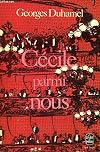
This is excellent - why didn't I discover Duhamel earlier? Cecile is the Pasquier who is a world class musician - her husband is a mad intellectual and all is more or less seen through the eyes of her brother Laurent. Family friction abounds, said and unsaid, there is a tragic death, each individual member is talented but has well defined and differing characteristics. The story flows along perfectly.

December 1918, Laurent writing in his preface, has received a letter from Mrs Simone Weill, mother of his long-time friend Justin. She has forwarded Justin's journal of the events of 1905. The journal was written by Justin while on active service and later in hospital, and may have been his first attempts to become a novelist. She notes that Justin writes in the third person and Laurent recognises that certain events and relationships would not have been clear to Justin at that time. show more Accordingly Laurent proposes to use the journal as a basis for the subsequent account while arranging the content in a coherent order and keeping the use of the third person to maintain an objective view.
At Joseph's request, Laurent accompanies him, supposedly as his secretary, to a visit with M.Urbain Leveque. Joseph, who is now a recognised figure at the "Bourse" represents the interests of the "Societé hydroélectrique de la Rommage" and needs to influence the official to aid approval for a scheme to construct a dam across "L'Augren". This is an opportunity for Laurent (and the reader) to see Joseph in his natural element. Afterwards Joseph explains to Laurent the skill and temperament required to be a successful financier, adding that their differences are not of brothers who are enemies but rather who are strangers to one another.
Joseph asks Laurent to introduce him to Renaud Censier, the celebrated senior scientist at the hospital laboratory where Laurent works alongside a small team including the young female researcher, Laure. It becomes clear during the book that Censier at 52 is attracted to the youthful Laure who admires his intellect.
Laurent invites his friend Justin Weill to accompany him to visit the Pasquier family who are in the process of moving to their new lodgings in "le faubourg Saint-Antoine". When Joseph arrives he announces that he has bought a mansion named on the papers as "les Aubiers" and he needs a more personal name. Justin suggests "La Paquelleries" and this is welcomed by Joseph, who now invites the whole family, and Justin, to attend a house-warming to take place during the midsummer week.
The subsequent gathering at "La Paquelleries" by the whole family and illustrious guests is to satisfy "l'orgueil-de-Joseph" and, unbeknown to them, an opportunity for Joseph to hopefully impress those who can further his above business project.
So the cast assembles at Joseph's spacious home (only one of his three properties). We meet again Ferdinand and his wife Claire ("l'abime Ferdiclaire" per Justin), Mme Pasquier (still sewing), Dr Raymond Pasquier, smiling, mercurial and apt to disappear for three hours without explanation, Cécile now an international concert pianist and Suzanne developing into a ravishing beauty (who attracts the attention of a famous painter invited by Joseph to add artistic weight to the gathering).
The novelist has the licence to explore the innermost thoughts of those present. While Joseph is most anxious that all his guests are suitably impressed, and Mme P is concerned that there were thirteen places set for lunch, the guests themselves have their own pressing concerns, passions and intimate dramas which eclipse all other matters.
So how to rate this the fourth volume in the "Chronique des Pasquiers"? To my mind there is not as much dramatic action as in the previous volumes as anyone having read the first three will encounter well-established characters although there are several fresh faces. The interest lies in the skilful interplay between the guests and examination of the relationships between Ferdinand/Claire, Censier/Laure, Laurent/Cécile/Justin. Still a worthwhile read and necessary as another step in development of the family history. show less
At Joseph's request, Laurent accompanies him, supposedly as his secretary, to a visit with M.Urbain Leveque. Joseph, who is now a recognised figure at the "Bourse" represents the interests of the "Societé hydroélectrique de la Rommage" and needs to influence the official to aid approval for a scheme to construct a dam across "L'Augren". This is an opportunity for Laurent (and the reader) to see Joseph in his natural element. Afterwards Joseph explains to Laurent the skill and temperament required to be a successful financier, adding that their differences are not of brothers who are enemies but rather who are strangers to one another.
Joseph asks Laurent to introduce him to Renaud Censier, the celebrated senior scientist at the hospital laboratory where Laurent works alongside a small team including the young female researcher, Laure. It becomes clear during the book that Censier at 52 is attracted to the youthful Laure who admires his intellect.
Laurent invites his friend Justin Weill to accompany him to visit the Pasquier family who are in the process of moving to their new lodgings in "le faubourg Saint-Antoine". When Joseph arrives he announces that he has bought a mansion named on the papers as "les Aubiers" and he needs a more personal name. Justin suggests "La Paquelleries" and this is welcomed by Joseph, who now invites the whole family, and Justin, to attend a house-warming to take place during the midsummer week.
The subsequent gathering at "La Paquelleries" by the whole family and illustrious guests is to satisfy "l'orgueil-de-Joseph" and, unbeknown to them, an opportunity for Joseph to hopefully impress those who can further his above business project.
So the cast assembles at Joseph's spacious home (only one of his three properties). We meet again Ferdinand and his wife Claire ("l'abime Ferdiclaire" per Justin), Mme Pasquier (still sewing), Dr Raymond Pasquier, smiling, mercurial and apt to disappear for three hours without explanation, Cécile now an international concert pianist and Suzanne developing into a ravishing beauty (who attracts the attention of a famous painter invited by Joseph to add artistic weight to the gathering).
The novelist has the licence to explore the innermost thoughts of those present. While Joseph is most anxious that all his guests are suitably impressed, and Mme P is concerned that there were thirteen places set for lunch, the guests themselves have their own pressing concerns, passions and intimate dramas which eclipse all other matters.
So how to rate this the fourth volume in the "Chronique des Pasquiers"? To my mind there is not as much dramatic action as in the previous volumes as anyone having read the first three will encounter well-established characters although there are several fresh faces. The interest lies in the skilful interplay between the guests and examination of the relationships between Ferdinand/Claire, Censier/Laure, Laurent/Cécile/Justin. Still a worthwhile read and necessary as another step in development of the family history. show less

"Etes-vous, parmi nous, a ce point étrangere" Jean Racine
There is a lot more detail here than in the previous books. We enter the world of intellectuals, artists and thespians. This allows Duhamel to introduce a range of new characters, in addition to the ones we have already met. I trust that my review may reassure any reader who has not followed the Pasquier chronicle that this book can be read in isolation without spoiling the reader's enjoyment. For example, the reader may be show more encouraged to go back to the first in the series (Le Notaire du Havre) to follow up Laurent's reference to his childhood friend Désiree Wasselin.
From the title we would reasonably expect Cécile to figure prominently. This she does although she does not appear in every scene. The earlier chapters are concerned with her brother Joseph's clandestine involvement in the debate about the apparent use of explosive bullets is the Balkan war between Turkey and Bulgaria. (It is the first quarter of 1913).
Cécile does not wish to enter the debate (she detests the "men of ideas") but her husband, Richard Fauvet does. Joseph's involvement is to further his business interests (Laurent tells his old friend Justin Weill, that "Joseph is everywhere"). Richard is an intellectual, who surrounded by his devoted coterie, decries sentimentality and advocates pure rigorous examination of any subject that interests the group.
Richard and Cecile are not kindred spirits and share only their name, occupying separate rooms in their shared apartment. It is a continual puzzle to Laurent and Justin as to how they came together. Subject to asthma and other maladies, Richard pursues his interest in other women. One particular dalliance will trigger a chain of events and lead to a fateful conclusion.
We witness intimate conversations between Richard and Cécile in which she coolly responds to his taunts). He insists on calling her "Athene" and using the non-familiar "vous".
We do see Cécile the pianist when she mentors her four young pupils of varying ability. Later, the family attend her concert where Cécile appears to be distracted and loses her composure. This is the trigger for a series of events which will form the climax of the book.
Cécile's relationship with her brother, Laurent, is strained by his attempts to confide his anxieties as he used to do when they were children. Later she has urgent need of his medical skills.
Another abiding relationship is that between Laurent and Justin Weill. Their worlds are diverging as Laurent's career as a biologist and savant progresses, and Justin the poet is still seeking his place in the world. Cécile is again the link as we know from the previous books that Justin wishes he could have married her and he still maintains an interest in her wellbeing.
Suzanne, Cécile's younger sister, has established her career on the stage. Increasingly attractive, her looks and charm are exerting a dangerous affect on younger and older men.
So we come to the opening chapter in the book, Cécile has the child she has longed for, Alexandre, 25 months old. She values him above all else, even her triumphs as a confirmed international pianist. She has been married for 3 years.
We also learn that Dr Raymond Pasquier intends to write a masterpiece, and confides this momentous news to Laurent while instructing him not to mention this to his mother.
Read on and enjoy. show less
There is a lot more detail here than in the previous books. We enter the world of intellectuals, artists and thespians. This allows Duhamel to introduce a range of new characters, in addition to the ones we have already met. I trust that my review may reassure any reader who has not followed the Pasquier chronicle that this book can be read in isolation without spoiling the reader's enjoyment. For example, the reader may be show more encouraged to go back to the first in the series (Le Notaire du Havre) to follow up Laurent's reference to his childhood friend Désiree Wasselin.
From the title we would reasonably expect Cécile to figure prominently. This she does although she does not appear in every scene. The earlier chapters are concerned with her brother Joseph's clandestine involvement in the debate about the apparent use of explosive bullets is the Balkan war between Turkey and Bulgaria. (It is the first quarter of 1913).
Cécile does not wish to enter the debate (she detests the "men of ideas") but her husband, Richard Fauvet does. Joseph's involvement is to further his business interests (Laurent tells his old friend Justin Weill, that "Joseph is everywhere"). Richard is an intellectual, who surrounded by his devoted coterie, decries sentimentality and advocates pure rigorous examination of any subject that interests the group.
Richard and Cecile are not kindred spirits and share only their name, occupying separate rooms in their shared apartment. It is a continual puzzle to Laurent and Justin as to how they came together. Subject to asthma and other maladies, Richard pursues his interest in other women. One particular dalliance will trigger a chain of events and lead to a fateful conclusion.
We witness intimate conversations between Richard and Cécile in which she coolly responds to his taunts). He insists on calling her "Athene" and using the non-familiar "vous".
We do see Cécile the pianist when she mentors her four young pupils of varying ability. Later, the family attend her concert where Cécile appears to be distracted and loses her composure. This is the trigger for a series of events which will form the climax of the book.
Cécile's relationship with her brother, Laurent, is strained by his attempts to confide his anxieties as he used to do when they were children. Later she has urgent need of his medical skills.
Another abiding relationship is that between Laurent and Justin Weill. Their worlds are diverging as Laurent's career as a biologist and savant progresses, and Justin the poet is still seeking his place in the world. Cécile is again the link as we know from the previous books that Justin wishes he could have married her and he still maintains an interest in her wellbeing.
Suzanne, Cécile's younger sister, has established her career on the stage. Increasingly attractive, her looks and charm are exerting a dangerous affect on younger and older men.
So we come to the opening chapter in the book, Cécile has the child she has longed for, Alexandre, 25 months old. She values him above all else, even her triumphs as a confirmed international pianist. She has been married for 3 years.
We also learn that Dr Raymond Pasquier intends to write a masterpiece, and confides this momentous news to Laurent while instructing him not to mention this to his mother.
Read on and enjoy. show less
Lists
Awards


You May Also Like


Associated Authors
Statistics
- Works
- 158
- Also by
- 7
- Members
- 817
- Popularity
- #31,213
- Rating
- 3.5
- Reviews
- 13
- ISBNs
- 81
- Languages
- 6
- Favorited
- 2