

Simon Thurley
Author of THE TOWER OF LONDON: OFFICIAL GUIDEBOOK.
About the Author
Simon Thurley was curator of the Historic Royal Palaces, and since 2002 has been the chief executive of English Heritage.
Works by Simon Thurley
Associated Works
Tagged
Common Knowledge
- Canonical name
- Thurley, Simon
- Legal name
- Thurley, Simon John
- Other names
- THURLEY, Simon
- Birthdate
- 1962-08-29
- Gender
- male
- Education
- Bedford College, University of London (BA|1985)
Courtauld Institute of Art, University of London (MA|Ph.D|1989) - Occupations
- architectural historian
curator - Organizations
- English Heritage
National Lottery Heritage Fund - Awards and honors
- Order of the British Empire (Commander, 2011)
Royal Historical Society (Fellow)
Society of Antiquaries of London (Fellow)
Royal Institute of British Architects (Honorary Fellow) - Nationality
- UK
- Birthplace
- Huntingdon, Cambridgeshire, England, UK
- Associated Place (for map)
- England, UK
Members
Reviews
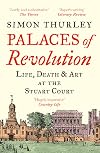
I would suggest that this excellent and enjoyable book of British architectural history requires a basic understanding of British seventeenth century history to fully appreciate, although Thurley does an excellent job of reminding us of the history. For me this book is supplemental to my reading of various history and biography books over the past few years, broadening my understanding and appreciation.
Thurley deftly introduces James I, born and raised in Scotland with only one foreign show more journey to Norway and Denmark to bring back his Danish wife before he became King of England, and so of Britain, in 1603.
James I had different requirements for buildings from Elizabeth I and her Tudor predecessors. As well as Houses of State, James I required Houses of Necessity, which were not for impressing the King’s majesty, but relatively informal buildings for his personal pleasure in hunting (hare coursing and hawking) and reading (Royston and Newmarket being close to the college libraries of Cambridge).
The most substantial and expensive building of the early Stuarts was commissioned by James’ wife, Anna of Denmark, who remodelled and extended Somerset House, and it became known as Denmark House. Thurley opines that it was “one of the great buildings of Europe: great architecturally, but also important as a cultural centre”.
Thurley also describes the remodelled and then rebuilt Banqueting House, designed by Inigo Jones.
Following the Restoration, Thurley explains Charles II and William IV’s significant input into royal building projects, with architects such as Sir Christopher Wren, but also the influence of Dutch architects.
This book is an excellent overview of the history of seventeenth century British royalty (and the Republic), very succinctly integrated into an architectural history of royal palaces and other buildings (pleasure houses, chapels etc). It is the apparently effortless and seamless integration of history and architecture to make a flowing whole that make this book special. show less
Thurley deftly introduces James I, born and raised in Scotland with only one foreign show more journey to Norway and Denmark to bring back his Danish wife before he became King of England, and so of Britain, in 1603.
James I had different requirements for buildings from Elizabeth I and her Tudor predecessors. As well as Houses of State, James I required Houses of Necessity, which were not for impressing the King’s majesty, but relatively informal buildings for his personal pleasure in hunting (hare coursing and hawking) and reading (Royston and Newmarket being close to the college libraries of Cambridge).
The most substantial and expensive building of the early Stuarts was commissioned by James’ wife, Anna of Denmark, who remodelled and extended Somerset House, and it became known as Denmark House. Thurley opines that it was “one of the great buildings of Europe: great architecturally, but also important as a cultural centre”.
Thurley also describes the remodelled and then rebuilt Banqueting House, designed by Inigo Jones.
Following the Restoration, Thurley explains Charles II and William IV’s significant input into royal building projects, with architects such as Sir Christopher Wren, but also the influence of Dutch architects.
This book is an excellent overview of the history of seventeenth century British royalty (and the Republic), very succinctly integrated into an architectural history of royal palaces and other buildings (pleasure houses, chapels etc). It is the apparently effortless and seamless integration of history and architecture to make a flowing whole that make this book special. show less


Lists
Awards


You May Also Like


Associated Authors
Statistics
- Works
- 25
- Also by
- 1
- Members
- 806
- Popularity
- #31,649
- Rating
- 3.8
- Reviews
- 5
- ISBNs
- 26
- Favorited
- 1