
Harriet Castor
Author of Starting Chess (Usborne First Skills)
About the Author
Series
Works by Harriet Castor
Associated Works
Tagged
Common Knowledge
- Other names
- Castor, H.M.
- Gender
- female
- Relationships
- Castor, Helen (sister)
Members
Reviews
VIII by H. M. Castor
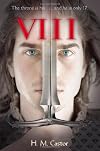
I got this book free at ALA Midwinter.
I have to say that I whipsawed back and forth and back again with this book. When I first picked it up I was giddy, elated, crazy to have it in my hand. I'm a bit of a Tudor fan, you see, and this sounded so wonderful I could hardly wait to get home and crack it open.
Then I started it and it was... first person? Present tense? Really? Ack. (I'm going to hate this book, I think.)
But there was Elizabeth of York. And that precious boy, talking in a voice show more that rang true. Okay, maybe it will be all right after all.
Then there were GHOSTS? Are you kidding me with the ghost of the princes in the Tower? and I thought oh, I hate this book.
But there was Catherine, complex and interesting followed by Anne, even more complex and interesting. And poor Jane, ahh, poor sweet Jane. And so on. Theghosts continued to reappear, but after Anne they started to almost make sense.
The last half of the book went like a whirlwind, which some reviewers have taken issue with. I suspect they are young readers, though, because from where I sit, I can state with full authority that the last half of all our books goes like a whirlwind.
Ultimately, despite the (see spoilers, above) and the pacing and the present tense, I loved this book. Historically accurate yet fantastically imagined, I recommend it to Tudor fans of every age. show less
I have to say that I whipsawed back and forth and back again with this book. When I first picked it up I was giddy, elated, crazy to have it in my hand. I'm a bit of a Tudor fan, you see, and this sounded so wonderful I could hardly wait to get home and crack it open.
Then I started it and it was... first person? Present tense? Really? Ack. (I'm going to hate this book, I think.)
But there was Elizabeth of York. And that precious boy, talking in a voice show more that rang true. Okay, maybe it will be all right after all.
Then there were
But there was Catherine, complex and interesting followed by Anne, even more complex and interesting. And poor Jane, ahh, poor sweet Jane. And so on. The
The last half of the book went like a whirlwind, which some reviewers have taken issue with. I suspect they are young readers, though, because from where I sit, I can state with full authority that the last half of all our books goes like a whirlwind.
Ultimately, despite the (see spoilers, above) and the pacing and the present tense, I loved this book. Historically accurate yet fantastically imagined, I recommend it to Tudor fans of every age. show less
VIII by H. M. Castor
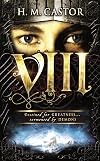
Solid historical fiction with a fresh look at Henry VIII's younger years. Well written and engaging, with Hal at the center of a dangerous and power-focused court.
VIII by H. M. Castor

This novel is a fictional autobiography of Henry VIII, aiming to get into his psyche and provide possible answers to the question of what his motives were for behaving in ways that were regarded as extraordinary to his contemporaries, as well as being so to us. How did he turn from the perfect Renaissance prince as he was widely seen at his accession to the bloated tyrant that he has generally been regarded as since (he was memorably described by Dickens in his Child's History of England as show more "a blot of blood and grease upon the History of England")? The answer here is a sense of destiny that he possesses since coming across prophecies at the age of 10 that predict that "York will be King" and "Your glory will love down the ages", that he is convinced mean he will be the greatest ruler in history. The motivation is interesting and plausible, though the 10 year old Henry here seems very precocious, gaining a steely determination at such a young age following the death of his elder brother Arthur and already fighting in mock tournaments against the older Charles Brandon and nearly winning, which seems rather unlikely. Throughout his life as depicted here he is plagued by horrible and disturbing visitations, though I didn't feel these were adequately explained in the end. The novel came across as a bit unbalanced - Henry doesn't come to the throne until half way through the book and great events encompassing years, i.e. the whole break with Rome, happen "off stage" as it were, giving the second half of the novel a rather rushed feel. Finally, a lot of the dialogue came across as too modern and there was not enough of an atmosphere of the era in which the events took place. So overall, an interesting idea, and one that kept me reading with interest, but imperfectly executed. 3.5/5 show less
VIII by H. M. Castor
I've always been fascinated with anything to do with Elizabeth I, so I picked up this book as soon as I saw it. It's an interesting take on Henry VIII, unlike what I've read before. I found it very interesting, but would recommend it only to teens who already have some background and interest in Tudor England.
Lists
Awards


You May Also Like


Associated Authors
Statistics
- Works
- 51
- Also by
- 1
- Members
- 1,607
- Popularity
- #16,043
- Rating
- 3.6
- Reviews
- 20
- ISBNs
- 182
- Languages
- 10
- Favorited
- 1