
David H. Hackworth (1930–2005)
Author of About Face: The Odyssey of an American Warrior
About the Author
Colonel David H. Hackworth served in the military for twenty-five years and received 110 medals for his service. He is the author of Hazardous Duty, The Price of Honor, and Steel My Soldiers' Hearts. He died in 2005.
Image credit: Copyright Eye On Books.
Works by David H. Hackworth
Associated Works
Booknotes: America's Finest Authors on Reading, Writing, and the Power of Ideas (1997) — Contributor — 456 copies, 5 reviews
Writing War: The Best Contemporary Journalism About Warfare and Conflict from Around the World (2003) — Contributor — 15 copies
Tagged
Common Knowledge
- Legal name
- Hackworth, David Haskell
- Birthdate
- 1930-11-11
- Date of death
- 2005-05-04
- Gender
- male
- Occupations
- soldier
journalist
novelist - Organizations
- U.S. Merchant Marine
U.S. Army 101st Airborne Division
Newsweek
King Features Syndicate - Awards and honors
- Distinguished Service Cross (2)
Silver Star (10)
Legion of Merit (4)
Distinguished Service Order (South Vietnam ∙ 2nd Class)
Distinguished Flying Cross
Bronze Star (8) (show all 13)
Cross of Gallantry (South Vietnam ∙ Gold Star)
Purple Heart (8)
Air Medal (34)
Army Commendation Medal (3)
Parachutist Badge (Master)
Combat Infantryman Badge
Battlefield Commission (1951 ∙ Korea) - Relationships
- England, Eilhys (wife)
- Nationality
- USA
- Birthplace
- California, USA
- Places of residence
- Trieste, Italy
Manhattan Beach, California, USA
Germany
Korea
Vietnam
Brisbane, Queensland, Australia - Place of death
- Tijuana, Mexico
- Burial location
- Arlington National Cemetery, Arlington, Virginia, USA
Members
Reviews

About Face is Hackworth's first book, the one he really wanted to write, and a damn fine memoir about loving the Army, building a career, and then burning it to the ground after decades of systemic betrayals. Hackworth grew up as an orphan in California, and lied about his age to join the Army in 1946, when most people were glad to be getting out. He learned the trade in the elite occupation forces at Trieste (TRUST), and then the hard way in Korea with the 27th "Wolfhounds" Infantry show more Regiment, where he was battlefield commissioned as an officer. Between Korea and Vietnam Hackworth bounced around the civilian world and Nike missile anti-aircraft units, marked as a soldier with the potential for stars, even as he was caught between his abrasive nature and the '100% efficiency' culture of the New Army; a 100% efficiency often achieved by fudging results.
Vietnam was what finally broke Hackworth. He fought with the 101st Airborne, and remade and commanded the 'Hardcore Recondo' battalion (see Steel My Soldiers' Hearts), but he became incredibly cynical at the hamfisted use of firepower, the ticket-punching attitude of careerist officers, and the way that a combination of strategic obscurity and improper training in infantry basics was getting thousands of American soldiers killed for no damn reason at all. Despite time in command, in training schools, and in the Pentagon, Hackworth couldn't move the machine, and so in 1971 he blew everything up by giving a candid interview to ABC's Issues & Answers where he dramatically countered the "Vietnamization/Light-at-the-End-of-the-Tunnel" Pentagon line. The response was immediate and drastic. Hackworth was followed, wiretapped, investigated for numerous crimes, and finally forced to resign, where he fled to Australia ("As far away as I could get from America and still speak English") to make his own way. And then after 18 years he writes this book, and uses it to launch a second career as a war reporter and defense analyst.
That's the duality of Hackworth. Unquestionably a brilliant soldier; uneducated orphans lying about their age to enlist do not get groomed for the highest command without an immense amount of talent, luck, and energy, Hackworth was also an egoist and a braggart of the highest order. Rules simply did not apply to him, and Hackworth and his men stole jeeps, partied hard on base, ran brothels, scavenged everything they could get their hands on, dealt out 'NCO justice', slept with other men's wives, lied about everything that might get them in trouble, etc. etc. There's a lot to learn from in Hackworth's earlier career (sweat the details, an organization only learns what the boss checks, focus on the fundamentals, loyalty runs downwards before it runs up), but the big deal, his Issues & Answers interview, seems mostly like the last futile gesture of a broken man. What could be done in 1971 to save the war? What did the American people not know, that was heroically revealed? The timeline reveals that Hackworth's alleged crimes were dug-up mostly as a response to the blatant attack of his TV interview; other officers got away with the same or worse. But I have a sense that in some grander sense, his interview was all for the best. General Hackworth would have imploded hard enough to take out a side of the Pentagon.
Everything in this book is written to contrast 'Hackworth the Warrior, Stud of Studs, Master of Battle' against the 'Perfumed Princes' who lies failed to achieve victory in Korea or Vietnam, and who betrayed the trust of their troops and the American people by defending a cabal of incompetence that covers up inadequate training and shoddy procurement. The writing is pulpy, the stories slanted, but this is his first book and both writing and facts are more considered and balanced, before years of "Hack the Great War Correspondent" went to his head. Whatever else, Hackworth had charisma, and it shines through. Even though I don't want to like him, I can't help it. show less
Vietnam was what finally broke Hackworth. He fought with the 101st Airborne, and remade and commanded the 'Hardcore Recondo' battalion (see Steel My Soldiers' Hearts), but he became incredibly cynical at the hamfisted use of firepower, the ticket-punching attitude of careerist officers, and the way that a combination of strategic obscurity and improper training in infantry basics was getting thousands of American soldiers killed for no damn reason at all. Despite time in command, in training schools, and in the Pentagon, Hackworth couldn't move the machine, and so in 1971 he blew everything up by giving a candid interview to ABC's Issues & Answers where he dramatically countered the "Vietnamization/Light-at-the-End-of-the-Tunnel" Pentagon line. The response was immediate and drastic. Hackworth was followed, wiretapped, investigated for numerous crimes, and finally forced to resign, where he fled to Australia ("As far away as I could get from America and still speak English") to make his own way. And then after 18 years he writes this book, and uses it to launch a second career as a war reporter and defense analyst.
That's the duality of Hackworth. Unquestionably a brilliant soldier; uneducated orphans lying about their age to enlist do not get groomed for the highest command without an immense amount of talent, luck, and energy, Hackworth was also an egoist and a braggart of the highest order. Rules simply did not apply to him, and Hackworth and his men stole jeeps, partied hard on base, ran brothels, scavenged everything they could get their hands on, dealt out 'NCO justice', slept with other men's wives, lied about everything that might get them in trouble, etc. etc. There's a lot to learn from in Hackworth's earlier career (sweat the details, an organization only learns what the boss checks, focus on the fundamentals, loyalty runs downwards before it runs up), but the big deal, his Issues & Answers interview, seems mostly like the last futile gesture of a broken man. What could be done in 1971 to save the war? What did the American people not know, that was heroically revealed? The timeline reveals that Hackworth's alleged crimes were dug-up mostly as a response to the blatant attack of his TV interview; other officers got away with the same or worse. But I have a sense that in some grander sense, his interview was all for the best. General Hackworth would have imploded hard enough to take out a side of the Pentagon.
Everything in this book is written to contrast 'Hackworth the Warrior, Stud of Studs, Master of Battle' against the 'Perfumed Princes' who lies failed to achieve victory in Korea or Vietnam, and who betrayed the trust of their troops and the American people by defending a cabal of incompetence that covers up inadequate training and shoddy procurement. The writing is pulpy, the stories slanted, but this is his first book and both writing and facts are more considered and balanced, before years of "Hack the Great War Correspondent" went to his head. Whatever else, Hackworth had charisma, and it shines through. Even though I don't want to like him, I can't help it. show less

A serious autobiography and war(s) memoir. About Face is the defining book on Colonel David Hackworth. Coming in at just under 1000 pages, this tome surprisingly reads fast. I read "after" having read Steel My Soldiers' Hearts, and I can definitely say that it gives a much broader and more complete picture of this controversial man.
Hackworth makes it clear that he joined the military for the adventure. Joining the Army at 15 just as WWII concluded, Hack served in Italy in an occupation show more capacity, but with the TRUST troops, whose exacting standards would cement his views on soldiering for the rest of his life. Jump forward to the 1950s, see Hack serving in Korea. During this time, he begins to see develop his views on leadership and battlefield combat. Furthermore, he receives a battlefield commission during the war there as well. At many times, Hack viewed the Korean War in the same way he viewed the Vietnam War. As a war directed by the staff weenies who still dream of fighting WWII style battles in unsuitable terrain and against an enemy that doesn't play by their rules.
After Korea, Hack obviously had serious trouble transitioning into the peacetime military. Assigned to staff jobs and other positions he didn't want, Hack certainly was not a "by-the-book" kind of officer. As the Cold War started and the Army placed more emphasis on nuclear weapons, Hack saw the infantry constantly being given the short straw. By the time of Vietnam, Hack would serve with the famous 101st Airborne, do a tour with Army historian SLA Marshall, command the 4th infantry battalion, and finally serve as an advisor the ARVN troops.
As time went on, Hackworth slowly became more and more fed-up with the ticket-punchers and empire builders that he constantly saw running the military (and by extent, the Vietnam War). It all culminated in a national interview where he basically blew the whistle on Vietnam and the inadequate state of things in the Army at the time. Subsequently he was ostracized, hunted, and drummed out of the Army (graciously allowed to retire).
I can definitely sympathize with Hackworth's frustrations regarding bureaucracy. To a by-the-book man, Hackworth is a nightmare. Seemingly insubordinate, rebellious, and selfish, Hackworth marches to his own beat. However, what Hackworth definitely was, was a warrior. Plain and simple. Plus, he unmistakably cared for the welfare of the men under him. In many ways, Hackworth only wanted to be the best at what he did, he just wanted the freedom to do it his own way.
As I mentioned before in my review of "Steel", Hackworth is a man who pulls no punches when it comes to what he thinks. The only times I didn't enjoy what Hackworth had to say, was when he continually described his "scrounging efforts", done in order to get what he wanted. Stealing, bribing, "borrowing", and general subterfuge where not below this man. Other than his massive ego, that's the main trait of Hackworth that I don't agree with. Then again, the years that Hackworth spent in the peacetime Army training for useless missions and wars that would never come; along with the mountains of paperwork and the general tedium of the life at that time; one can definitely understand that.
Overall, my opinion of Hackworth hasn't changed drastically from reading About Face. He's still egotistical, he's still lacking in certain moral areas, but what Hackworth really was was a pure, dyed-in-the-wool soldier. A brave and decorated man who lived an incredible, if not crazy life. show less
Hackworth makes it clear that he joined the military for the adventure. Joining the Army at 15 just as WWII concluded, Hack served in Italy in an occupation show more capacity, but with the TRUST troops, whose exacting standards would cement his views on soldiering for the rest of his life. Jump forward to the 1950s, see Hack serving in Korea. During this time, he begins to see develop his views on leadership and battlefield combat. Furthermore, he receives a battlefield commission during the war there as well. At many times, Hack viewed the Korean War in the same way he viewed the Vietnam War. As a war directed by the staff weenies who still dream of fighting WWII style battles in unsuitable terrain and against an enemy that doesn't play by their rules.
After Korea, Hack obviously had serious trouble transitioning into the peacetime military. Assigned to staff jobs and other positions he didn't want, Hack certainly was not a "by-the-book" kind of officer. As the Cold War started and the Army placed more emphasis on nuclear weapons, Hack saw the infantry constantly being given the short straw. By the time of Vietnam, Hack would serve with the famous 101st Airborne, do a tour with Army historian SLA Marshall, command the 4th infantry battalion, and finally serve as an advisor the ARVN troops.
As time went on, Hackworth slowly became more and more fed-up with the ticket-punchers and empire builders that he constantly saw running the military (and by extent, the Vietnam War). It all culminated in a national interview where he basically blew the whistle on Vietnam and the inadequate state of things in the Army at the time. Subsequently he was ostracized, hunted, and drummed out of the Army (graciously allowed to retire).
I can definitely sympathize with Hackworth's frustrations regarding bureaucracy. To a by-the-book man, Hackworth is a nightmare. Seemingly insubordinate, rebellious, and selfish, Hackworth marches to his own beat. However, what Hackworth definitely was, was a warrior. Plain and simple. Plus, he unmistakably cared for the welfare of the men under him. In many ways, Hackworth only wanted to be the best at what he did, he just wanted the freedom to do it his own way.
As I mentioned before in my review of "Steel", Hackworth is a man who pulls no punches when it comes to what he thinks. The only times I didn't enjoy what Hackworth had to say, was when he continually described his "scrounging efforts", done in order to get what he wanted. Stealing, bribing, "borrowing", and general subterfuge where not below this man. Other than his massive ego, that's the main trait of Hackworth that I don't agree with. Then again, the years that Hackworth spent in the peacetime Army training for useless missions and wars that would never come; along with the mountains of paperwork and the general tedium of the life at that time; one can definitely understand that.
Overall, my opinion of Hackworth hasn't changed drastically from reading About Face. He's still egotistical, he's still lacking in certain moral areas, but what Hackworth really was was a pure, dyed-in-the-wool soldier. A brave and decorated man who lived an incredible, if not crazy life. show less
Steel My Soldiers' Hearts: The Hopeless to Hardcore Transformation of U.S. Army, 4th Battalion, 39th Infantry, Vietnam by David H. Hackworth
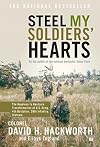
Hackworth's story is one of leadership, about how to take a losing unit and turn them into winners through energy, training, and discipline. Inheriting a broken and despirited battalion, Hackworth went from a CO with a bounty on his head to commander of a crack team of killers. The lessons in this book are about esprit de corp, warfare, and how an organization rots from the top are universal.
Unlike most of these war memoirs, Steel My Soldiers' Hearts has an antagonist, the careerist and show more incompetent Colonel (later Major General) Ira Hunt, who interfered constantly in Hackworth's plans to the detriment of the ordinary soldiers in the battalion. The VC are a respected and crafty foe, but Hackworth has no time for the slow work of counter-insurgency. He's a master of light infantry tactics, and stealthy and brutal ambushes and patrols. For a layperson, this is a good intro to the chaos of airmobile operations.
As a writer, Hackworthy is a pulpy as a freshly squeezed glass of politically incorrect orange juice. The book is far from a neutral account, but it's his story and he tells it with verve and gusto.
New crazy Vietnam War moment: A helicopter taking out an AA gun in hand-to-hand combat. Just lean out and karate chop it down. show less
Unlike most of these war memoirs, Steel My Soldiers' Hearts has an antagonist, the careerist and show more incompetent Colonel (later Major General) Ira Hunt, who interfered constantly in Hackworth's plans to the detriment of the ordinary soldiers in the battalion. The VC are a respected and crafty foe, but Hackworth has no time for the slow work of counter-insurgency. He's a master of light infantry tactics, and stealthy and brutal ambushes and patrols. For a layperson, this is a good intro to the chaos of airmobile operations.
As a writer, Hackworthy is a pulpy as a freshly squeezed glass of politically incorrect orange juice. The book is far from a neutral account, but it's his story and he tells it with verve and gusto.
New crazy Vietnam War moment: A helicopter taking out an AA gun in hand-to-hand combat. Just lean out and karate chop it down. show less
Colonel David Hackworth is one of America's most decorated soldiers. He was a "mustang," an officer who came up through the ranks. In Hackworth's case he was commissioned on the Korean battlefield. His book describes his love affair with the army, and how he felt our actions in Vietnam destroyed the trust he had in that institution. Soldiers fight often for their friends and comrades rather than for a glorified ideal. Small units develop a unity that perhaps most civilians fail to show more appreciate. They have to trust each other under very difficult conditions. "The incredible bonding that occurred through shared danger; the implicit trust in the phrase 'cover me' — these were the things that kept me going, kept me fighting here in Korea, and why I'd come back for more. . . ."
One often gets a sense of culture shock reading Hackworth's memoirs. For example, he belonged to an elite combat unit and as all such units are wont to do, they created an emblem for themselves, in this case, a skull. When Korean laborers saw the new sign, they immediately decamped. When asked why, they replied they could not work for anyone who had such little regard for human beings that he could do such a thing. "All of us may have become jaded enough to think the sign was a real masterpiece, but to the poor Koreans our attitude was simply barbaric."
Hackworth's reflections on the post-Korean army are instructive. Eisenhower and Chief of Staff Maxwell Taylor were engaged in a large restructuring of the armed forces; a conversion to a nuclear oriented service that required more training and fewer people. Morale was decimated, according to Hackworth when those with even one day less than the eighteen years required for permanent duty were RIF'd or given the option of remaining at a lower grade. Colonels were reduced to master sergeants over night. Battalions were eliminated and reorganized into five rifle groups designed for a nuclear battlefield. This became known as the Pentomic Army that was later eliminated as unworkable. Of more concern, was the insistence on "zero-defects."
Hackworth suggests the competition to be perfect led to "M-1 penciling." It was discovered that a pencil would make a hole in a cloth target that was identical to the hole made by an M-1 bullet. Soon units were turning in great marksmanship scores. Cheating in all manner of things became rampant. Perhaps the swindling had begun with the Korean Certificate of Loss statements where commanders would allow their troops to inflate kill records, "I don't know, but the Post-Korea Army had an unquenchable thirst for perfection which parched the throats of even the most desiccated leaders, and the M-1 pencil was the only water to be found. A CO simply couldn't fail. . . . Our sham of perfection set an unspoken precedent for bigger lies down the road, each and every one of them would ricochet back on the Army as an institution, with the repercussions of it all enough to shake America to its core." show less
One often gets a sense of culture shock reading Hackworth's memoirs. For example, he belonged to an elite combat unit and as all such units are wont to do, they created an emblem for themselves, in this case, a skull. When Korean laborers saw the new sign, they immediately decamped. When asked why, they replied they could not work for anyone who had such little regard for human beings that he could do such a thing. "All of us may have become jaded enough to think the sign was a real masterpiece, but to the poor Koreans our attitude was simply barbaric."
Hackworth's reflections on the post-Korean army are instructive. Eisenhower and Chief of Staff Maxwell Taylor were engaged in a large restructuring of the armed forces; a conversion to a nuclear oriented service that required more training and fewer people. Morale was decimated, according to Hackworth when those with even one day less than the eighteen years required for permanent duty were RIF'd or given the option of remaining at a lower grade. Colonels were reduced to master sergeants over night. Battalions were eliminated and reorganized into five rifle groups designed for a nuclear battlefield. This became known as the Pentomic Army that was later eliminated as unworkable. Of more concern, was the insistence on "zero-defects."
Hackworth suggests the competition to be perfect led to "M-1 penciling." It was discovered that a pencil would make a hole in a cloth target that was identical to the hole made by an M-1 bullet. Soon units were turning in great marksmanship scores. Cheating in all manner of things became rampant. Perhaps the swindling had begun with the Korean Certificate of Loss statements where commanders would allow their troops to inflate kill records, "I don't know, but the Post-Korea Army had an unquenchable thirst for perfection which parched the throats of even the most desiccated leaders, and the M-1 pencil was the only water to be found. A CO simply couldn't fail. . . . Our sham of perfection set an unspoken precedent for bigger lies down the road, each and every one of them would ricochet back on the Army as an institution, with the repercussions of it all enough to shake America to its core." show less
Awards

You May Also Like


Associated Authors
Statistics
- Works
- 7
- Also by
- 3
- Members
- 1,633
- Popularity
- #15,730
- Rating
- 4.1
- Reviews
- 22
- ISBNs
- 38
- Languages
- 4
- Favorited
- 5
