
Sarah Greenough
Author of Looking In: Robert Frank's The Americans: Expanded Edition
About the Author
Sarah Greenough is the curator of photographs at the National Gallery of Art. She has written many books about photography, including Alfred Stieglitz: Photographs & Writings (NGA 1983), Harry Callahan (Bulfinch 1998), Walker Evans (NGA, 1991), Paul Stand: An American Vision (NGA, 1991), & On the show more Art of Fixing a Shadow (Bulfinch, 1989). (Bowker Author Biography) show less
Works by Sarah Greenough
Harry Callahan [cat. exp., National Gallery of Art, Washington, Mar. 3-May 19, 1996] (1996) 114 copies
My Faraway One: Selected Letters of Georgia O'Keeffe and Alfred Stieglitz: Volume One, 1915-1933 (2011) — Editor — 86 copies, 1 review
Alfred Stieglitz: The Key Set: The Alfred Stieglitz Collection of Photographs [2-volume set] (2002) 80 copies
Captain Linnaeus Tripe: Photographer of India and Burma, 1852-1860 (2014) — Introduction — 31 copies
Associated Works
Tagged
Common Knowledge
- Legal name
- Greenough, Sarah Eden
- Birthdate
- 1951-05-21
- Gender
- female
- Education
- University of New Mexico (M.A.|1976|Ph.D|1984)
University of Pennsylvania (B.A.|1972) - Occupations
- curator
- Organizations
- National Gallery of Art
- Awards and honors
- American Book Award (1983)
George Wittenborn Award (2002)
Infinity Award (2010)
AIPAD Award (2019) - Relationships
- Cikovsky, Nicolai (husband)
- Nationality
- USA
- Birthplace
- Boston, Massachusetts, USA
- Associated Place (for map)
- Massachusetts, USA
Members
Reviews
My Faraway One: Selected Letters of Georgia O'Keeffe and Alfred Stieglitz: Volume One, 1915-1933 by Sarah Greenough
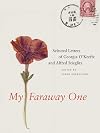
For the last six months, I've been reading this 800 page behemoth of a book that collects the letters of O'Keeffe and Stieglitz from the beginning of their relationship in 1915 until 1933. The book contains about 650 of the more than 5000 letters the couple wrote to each other. Why so many letters? Well, to write letters, you must be apart and this couple spent lots of time apart. This was both because of where their art took them and because their relationship, though passionate, was not show more always the most healthy.
I've enjoyed O'Keeffe's art, but I knew basically nothing about Stieglitz or their relationship until I started this book. The two were decades apart in age when they met and they quickly developed a romantic and, I guess you would say spiritual, connection through writing letters to each other. These letters encompass the first years of their relationship, their happy years together, a stretch when their relationship begins to fall apart, and how they (sort of) stitched it back together.
In the first section of letters, O'Keeffe writes artistically - almost in an abstract way and even the script and page breaks and symbols she uses are interesting and I'd say indicative of her personality (pictures of some of the letters are included). Stieglitz is a more traditional writer and writes lyrically and very descriptively. This first section spans 1915-1918 and is over 300 pages (large, oversized pages with small type) of letters. During this time period, O'Keeffe and Stieglitz are getting to know each other. They had met briefly in New York, and then O'Keeffe has been teaching in Virginia and Texas. They have a large age difference - she is still in her twenties, and he is in his fifties, married and with an almost adult child. Her letters are impressionistic and emotional, his are more matter of fact and traditional. However as the letters progress, their styles seem to meet in the middle. Hers generally concern her art, her health (which was not good), and her relationships with fellow teachers/people in her community. His revolve around his art gallery, his failing marriage, and his cultural experiences in NYC. They both address their feelings about the World War. They both talk about the weather a lot. :-) Their letters grow more passionate as they get to know each other. By the end of this time period, they are enamored enough with each other that O'Keeffe moves to New York and Stieglitz finally ends his marriage.
The second section of letters is shorter, spanning the years 1922-1928. These are from the early days of their marriage. The letters become a bit more down-to-earth. O'Keeffe's in particular grow in confidence. She seems to come into her own in these years. O'Keeffe and Stieglitz obviously have a deep love and similar views on life, art, and beauty. But their age difference starts to cause problems. O'Keeffe clearly has more vitality in her 30s than Stieglitz in his 60s, who has health problems. She doesn't seem to enjoy visiting his family vacation home and often goes to Maine instead. This creates a need for letters. Also, Stieglitz's flirtations with other women wear on O'Keeffe and several time she flees for space and solitude. O’Keeffe also makes a trip to Wisconsin to visit family. She is obviously inspired by both the landscape and the company. I think it starts to reveal her discontent with being so bound to Stieglitz’s family and family vacation home at Lake George where they are expected all summer every summer. The letters mainly talk about their relationship, their art, other artists they interact with, some politics, nature, and what they are reading.
The last section of letters is the longest, spanning 1929-1933 and containing 335 pages of letters. In this section, I felt O'Keeffe come into her own as a woman and artist. She spends time in the Southwest without Stieglitz, beginning to paint her most famous paintings. She makes new friends, learns about this new culture and landscape, and learns to drive. Stieglitz obviously has a hard time accepting her new-found independence and is upset to no longer be as needed as he used to be. It doesn't help his cause any that he has repeated affairs that are hurtful to O'Keeffe. Also, being so much older, Stieglitz is beginning to think about his mortality. He has health problems and starts organizing his finances and deciding which of his photographs to keep and where he should donate them . They obviously still have passionate feelings for each other, though. Their letters are often explicitly erotic, including pet names for each other and for body parts. Stieglitz just obviously can't deal with O'Keeffe's independence and does a lot of lecturing on whether she's spending enough time painting and giving unwanted advice.
As the letters progress the two seem to drift farther apart, though they do still care for each other. World events are still part of their letters, including the stock market crash in the 1930s, politics in Europe, and interactions with other artists, writers, and actors. O'Keeffe has another health issue/breakdown and goes to Bermuda for over a month to recover. As the letters end, they seem to be in the same pattern. Not really willing to let each other go, but not gaining much from the relationship.
I enjoyed reading these over the last 6 months. Reading someone's letters is such an interesting way to learn about someone. I can't say I was impressed with their relationship or was drawn to either one of them. I found them both a bit "too much", too over the top, and felt like they both needed a good talking to about being adult! I'm glad I spent the time on this and will look at their art with different eyes having gotten to know both of them through this book. Apparently there will be a second volume of collected letters from the rest of their relationship. I have not decided yet if I'll take the time to read those, or if this book was enough. show less
I've enjoyed O'Keeffe's art, but I knew basically nothing about Stieglitz or their relationship until I started this book. The two were decades apart in age when they met and they quickly developed a romantic and, I guess you would say spiritual, connection through writing letters to each other. These letters encompass the first years of their relationship, their happy years together, a stretch when their relationship begins to fall apart, and how they (sort of) stitched it back together.
In the first section of letters, O'Keeffe writes artistically - almost in an abstract way and even the script and page breaks and symbols she uses are interesting and I'd say indicative of her personality (pictures of some of the letters are included). Stieglitz is a more traditional writer and writes lyrically and very descriptively. This first section spans 1915-1918 and is over 300 pages (large, oversized pages with small type) of letters. During this time period, O'Keeffe and Stieglitz are getting to know each other. They had met briefly in New York, and then O'Keeffe has been teaching in Virginia and Texas. They have a large age difference - she is still in her twenties, and he is in his fifties, married and with an almost adult child. Her letters are impressionistic and emotional, his are more matter of fact and traditional. However as the letters progress, their styles seem to meet in the middle. Hers generally concern her art, her health (which was not good), and her relationships with fellow teachers/people in her community. His revolve around his art gallery, his failing marriage, and his cultural experiences in NYC. They both address their feelings about the World War. They both talk about the weather a lot. :-) Their letters grow more passionate as they get to know each other. By the end of this time period, they are enamored enough with each other that O'Keeffe moves to New York and Stieglitz finally ends his marriage.
The second section of letters is shorter, spanning the years 1922-1928. These are from the early days of their marriage. The letters become a bit more down-to-earth. O'Keeffe's in particular grow in confidence. She seems to come into her own in these years. O'Keeffe and Stieglitz obviously have a deep love and similar views on life, art, and beauty. But their age difference starts to cause problems. O'Keeffe clearly has more vitality in her 30s than Stieglitz in his 60s, who has health problems. She doesn't seem to enjoy visiting his family vacation home and often goes to Maine instead. This creates a need for letters. Also, Stieglitz's flirtations with other women wear on O'Keeffe and several time she flees for space and solitude. O’Keeffe also makes a trip to Wisconsin to visit family. She is obviously inspired by both the landscape and the company. I think it starts to reveal her discontent with being so bound to Stieglitz’s family and family vacation home at Lake George where they are expected all summer every summer. The letters mainly talk about their relationship, their art, other artists they interact with, some politics, nature, and what they are reading.
The last section of letters is the longest, spanning 1929-1933 and containing 335 pages of letters. In this section, I felt O'Keeffe come into her own as a woman and artist. She spends time in the Southwest without Stieglitz, beginning to paint her most famous paintings. She makes new friends, learns about this new culture and landscape, and learns to drive. Stieglitz obviously has a hard time accepting her new-found independence and is upset to no longer be as needed as he used to be. It doesn't help his cause any that he has repeated affairs that are hurtful to O'Keeffe. Also, being so much older, Stieglitz is beginning to think about his mortality. He has health problems and starts organizing his finances and deciding which of his photographs to keep and where he should donate them . They obviously still have passionate feelings for each other, though. Their letters are often explicitly erotic, including pet names for each other and for body parts. Stieglitz just obviously can't deal with O'Keeffe's independence and does a lot of lecturing on whether she's spending enough time painting and giving unwanted advice.
As the letters progress the two seem to drift farther apart, though they do still care for each other. World events are still part of their letters, including the stock market crash in the 1930s, politics in Europe, and interactions with other artists, writers, and actors. O'Keeffe has another health issue/breakdown and goes to Bermuda for over a month to recover. As the letters end, they seem to be in the same pattern. Not really willing to let each other go, but not gaining much from the relationship.
I enjoyed reading these over the last 6 months. Reading someone's letters is such an interesting way to learn about someone. I can't say I was impressed with their relationship or was drawn to either one of them. I found them both a bit "too much", too over the top, and felt like they both needed a good talking to about being adult! I'm glad I spent the time on this and will look at their art with different eyes having gotten to know both of them through this book. Apparently there will be a second volume of collected letters from the rest of their relationship. I have not decided yet if I'll take the time to read those, or if this book was enough. show less
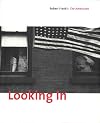
First published in France in 1958, then in the United States in 1959, Robert Frank's The Americans changed the course of twentieth-century photography. In 83 photographs, Frank looked beneath the surface of American life to reveal a people plagued by racism, ill-served by their politicians and rendered numb by a rapidly expanding culture of consumption. Yet he also found novel areas of beauty in simple, overlooked corners of American life. And it was not just his subject matter--cars, show more jukeboxes and even the road itself--that redefined the icons of America; it was also his seemingly intuitive, immediate, off-kilter style, as well as his method of brilliantly linking his photographs together thematically, conceptually, formally and linguistically, that made The Americans so innovative. More of an ode or a poem than a literal document, the book is as powerful and provocative today as it was 50 years ago.
Published to accompany a major exhibition at the National Gallery of Art, the San Francisco Museum of Modern Art and the Metropolitan Museum of Art, Looking In: Robert Frank's "The Americans" celebrates the fiftieth anniversary of this prescient book. Drawing on newly examined archival sources, it provides a fascinating in-depth examination of the making of the photographs and the book's construction, using vintage contact sheets, work prints and letters that literally chart Frank's journey around the country on a Guggenheim grant in 1955-1956. Curator and editor Sarah Greenough and her colleagues also explore the roots of The Americans in Frank's earlier books, which are abundantly illustrated here, and in books by photographers Walker Evans, Bill Brandt and others. The 83 original photographs from The Americans are presented in sequence in as near vintage prints as possible. The catalogue concludes with an examination of Frank's later reinterpretations and deconstructions of The Americans, bringing full circle the history of this resounding entry in the annals of photography.
This richly illustrated paperback edition of Looking In: Robert Frank's "The Americans" contains several engaging essays by curator Sarah Greenough that explore the roots of this seminal book, Frank's travels on a Guggenheim fellowship, the sequencing of The Americans and the book's impact on his later career. In addition, essays by Anne Wilkes Tucker, Stuart Alexander, Martin Gasser, Jeff L. Rosenheim, Michel Frizot and Luc Sante offer focused analyses of Frank's relationship with Louis Faurer, Edward Steichen, Gotthard Schuh, Walker Evans, Robert Delpire and Jack Kerouac, while Philip Brookman writes about his work with Frank on several exhibitions in the last 30 years. This paperback edition also reproduces many of Frank's earlier photographic sequences, as well as all of the photographs in The Americans and selected later works. show less
Published to accompany a major exhibition at the National Gallery of Art, the San Francisco Museum of Modern Art and the Metropolitan Museum of Art, Looking In: Robert Frank's "The Americans" celebrates the fiftieth anniversary of this prescient book. Drawing on newly examined archival sources, it provides a fascinating in-depth examination of the making of the photographs and the book's construction, using vintage contact sheets, work prints and letters that literally chart Frank's journey around the country on a Guggenheim grant in 1955-1956. Curator and editor Sarah Greenough and her colleagues also explore the roots of The Americans in Frank's earlier books, which are abundantly illustrated here, and in books by photographers Walker Evans, Bill Brandt and others. The 83 original photographs from The Americans are presented in sequence in as near vintage prints as possible. The catalogue concludes with an examination of Frank's later reinterpretations and deconstructions of The Americans, bringing full circle the history of this resounding entry in the annals of photography.
This richly illustrated paperback edition of Looking In: Robert Frank's "The Americans" contains several engaging essays by curator Sarah Greenough that explore the roots of this seminal book, Frank's travels on a Guggenheim fellowship, the sequencing of The Americans and the book's impact on his later career. In addition, essays by Anne Wilkes Tucker, Stuart Alexander, Martin Gasser, Jeff L. Rosenheim, Michel Frizot and Luc Sante offer focused analyses of Frank's relationship with Louis Faurer, Edward Steichen, Gotthard Schuh, Walker Evans, Robert Delpire and Jack Kerouac, while Philip Brookman writes about his work with Frank on several exhibitions in the last 30 years. This paperback edition also reproduces many of Frank's earlier photographic sequences, as well as all of the photographs in The Americans and selected later works. show less
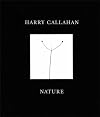
"Callahan did somehow arrive quickly at the sure knowledge that the function of his own work was to describe not the public issues of the great world, but the interior shape of his private experience." John Szarkowski
Nature is a selection of Harry Callahan's nature studies, 12 intimately scaled prints that the artist assembled into a series in the early 1990s, herein reproduced as beautiful tipped-in plates. Over the course of a career that spanned six decades, Callahan made nature of one show more his foremost themes, and continually researched new ways of seeing trees, weeds, snow and surf. Ranging in date from 1941 to 1991, these images are typical of the artist's innovative approach to these subjects, as well as of his intention to "capture a moment that people can't always see." Some images give a striking description of surface detail on natural forms, while others reduce those forms to compelling abstract patterns. Consistent throughout the series is the technical refinement that distinguishes Callahan's style and that has secured his place among the foremost American photographers of the twentieth century. show less
Nature is a selection of Harry Callahan's nature studies, 12 intimately scaled prints that the artist assembled into a series in the early 1990s, herein reproduced as beautiful tipped-in plates. Over the course of a career that spanned six decades, Callahan made nature of one show more his foremost themes, and continually researched new ways of seeing trees, weeds, snow and surf. Ranging in date from 1941 to 1991, these images are typical of the artist's innovative approach to these subjects, as well as of his intention to "capture a moment that people can't always see." Some images give a striking description of surface detail on natural forms, while others reduce those forms to compelling abstract patterns. Consistent throughout the series is the technical refinement that distinguishes Callahan's style and that has secured his place among the foremost American photographers of the twentieth century. show less
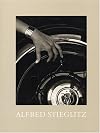
A beautiful book, large and handsome, good paper, and photographs from another time taken by a master of the camera equipment that he used. It is doubtful we shall see many of these types of photographs any longer as the equipment is outdated and very expensive to use. Certainly dated now, but nonetheless stunning in themselves. Alfred Stieglitz will most likely be best remembered for what he brought to modern art even though in fact he was a very gifted photographer. He also was involved in show more a great love story and partnership with Georgia O'Keeffe. show less
Awards


You May Also Like


Associated Authors
Statistics
- Works
- 27
- Also by
- 2
- Members
- 1,514
- Popularity
- #16,986
- Rating
- 4.3
- Reviews
- 7
- ISBNs
- 43
- Languages
- 2