
About the Author
Works by Jann Arden
Feeding My Mother: Comfort and Laughter in the Kitchen as My Mom Lives with Memory Loss (2017) 97 copies, 3 reviews
if i knew, don't you think I'd tell you?: selected journals of Jann Arden (2002) 42 copies, 1 review
Time for Mercy 8 copies
Happy? 6 copies
A Jann Arden Christmas 2 copies
The Bittermores 1 copy
Unloved 1 copy
Mixtape 1 copy
Living Under June 1 copy
Associated Works
Tagged
Common Knowledge
- Birthdate
- 1962-04-27
- Gender
- female
- Nationality
- Canada
- Birthplace
- Springbank, Alberta, Canada
- Map Location
- Canada
Members
Reviews
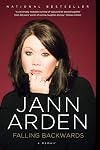
The Good Stuff
* I love Jann, she is so delightfully honest and hilariously funny -- and so very accessible, you will feel like you are just shooting the shit with one of your pals while reading it
* She talks about things that we all felt while growing up but didn't always have the honesty to talk out loud about
* The paragraph when she talks about God and wonders if he had a Penis made me laugh so hard coffee came out my nose
* Never lays blame or talks mean spiritedly about anyone
* The show more love for her family is so real and loving
* I really enjoyed how she describes her passion for music and for the written word
* Self deprecating sense of humour
* In the paperback copy I received for review - my pal Lavender Lines is quoted!
* Honestly she is just a straight forward down to earth fun and wise broad that I would love to hang out with
* Enjoyed the commentary on her parents taste in music - yup my mom and dad loved Nana Mouskouri and Roger Whittaker too -- and I hated that crap as much as she did (My brother and I used to take their albums and play Frisbee with them)
* I totally agree with her description of brussel sprouts as tasting like dog farts and copper pennies!
The Not So Good Stuff
* Sorry Jann if I ever see you out in public I am going to give you a big hug & talk to you like we are old friends
* Might not want to read out in public because you will be laughing so hard
* The last chapter sort of ends abruptly - I can understand why, but still its a little jarring
Favorite Quotes/Passages
"In a womb? My dear mother said it was nothing short of agony. I have given her the odd sympathy card on my birthday. It seems fitting, somehow. The card simply reads, "I am sorry about your vagina. Love, Jann."
"You find out early on that life is not based on a system of punishment and reward. Bad people often get ahead and good people can will die of cancer. There is no sense to be made of any of it. You just have to get up and deal with the day."
"M yidea of pigs has never been the same. Charlotte's Web has never held much water with me. You can forget Babe as well. Pigs are vicious killers with no regard for a child's young life. I am lucky to be alive. Yes,I am dramatic."
"All of the other singers that my parents owned on vinyl seemed to me to have one foot in the grave. Roger Whittaker whistled, for crying out loud, and Nana Mouskouri had big, thick, black glasses. Only old people wore glasses. Only old people whistled. My shop teacher whistled and wore bifocals, that's how I knew the singers on my parents' records were ancient. I was grateful to finally be exposed to artists with whom I had something in common- first and foremost among which was being alive."
Who Should/Shouldn't Read
* If you are a fan of Arden's music, you will love this book
* If you are Canadian -- and most importantly a self deprecating Canadian women (Is there any other such Cdn women) you will frickin love this book
5 Dewey's
I received this from Random House in exchange for an honest review show less
* I love Jann, she is so delightfully honest and hilariously funny -- and so very accessible, you will feel like you are just shooting the shit with one of your pals while reading it
* She talks about things that we all felt while growing up but didn't always have the honesty to talk out loud about
* The paragraph when she talks about God and wonders if he had a Penis made me laugh so hard coffee came out my nose
* Never lays blame or talks mean spiritedly about anyone
* The show more love for her family is so real and loving
* I really enjoyed how she describes her passion for music and for the written word
* Self deprecating sense of humour
* In the paperback copy I received for review - my pal Lavender Lines is quoted!
* Honestly she is just a straight forward down to earth fun and wise broad that I would love to hang out with
* Enjoyed the commentary on her parents taste in music - yup my mom and dad loved Nana Mouskouri and Roger Whittaker too -- and I hated that crap as much as she did (My brother and I used to take their albums and play Frisbee with them)
* I totally agree with her description of brussel sprouts as tasting like dog farts and copper pennies!
The Not So Good Stuff
* Sorry Jann if I ever see you out in public I am going to give you a big hug & talk to you like we are old friends
* Might not want to read out in public because you will be laughing so hard
* The last chapter sort of ends abruptly - I can understand why, but still its a little jarring
Favorite Quotes/Passages
"In a womb? My dear mother said it was nothing short of agony. I have given her the odd sympathy card on my birthday. It seems fitting, somehow. The card simply reads, "I am sorry about your vagina. Love, Jann."
"You find out early on that life is not based on a system of punishment and reward. Bad people often get ahead and good people can will die of cancer. There is no sense to be made of any of it. You just have to get up and deal with the day."
"M yidea of pigs has never been the same. Charlotte's Web has never held much water with me. You can forget Babe as well. Pigs are vicious killers with no regard for a child's young life. I am lucky to be alive. Yes,I am dramatic."
"All of the other singers that my parents owned on vinyl seemed to me to have one foot in the grave. Roger Whittaker whistled, for crying out loud, and Nana Mouskouri had big, thick, black glasses. Only old people wore glasses. Only old people whistled. My shop teacher whistled and wore bifocals, that's how I knew the singers on my parents' records were ancient. I was grateful to finally be exposed to artists with whom I had something in common- first and foremost among which was being alive."
Who Should/Shouldn't Read
* If you are a fan of Arden's music, you will love this book
* If you are Canadian -- and most importantly a self deprecating Canadian women (Is there any other such Cdn women) you will frickin love this book
5 Dewey's
I received this from Random House in exchange for an honest review show less
Feeding my mother : comfort and laughter in the kitchen as my mom lives with memory loss by Jann Arden

Jann describes her mother's decline into Alzheimer's disease and the death of her father in this candid memoir. While it's a heartbreaking story, Arden infuses it with an abundance of wit while showing patience, understanding and good humour. Her amiable personality and sense of fun, which she obviously shares with her mother, shines through the despair making the story heartening rather than despondent. Photos, recipes and illustrations enhance the book. Arden's talent as a writer matches show more that of her music making this much more than I expected.
"I started by cooking dinner for them once or twice a week. Within a month, they were coming arm in arm across the driveway towards my house almost every evening, chattering away like two old birds chirping on a wire. If Dad had had his way, he would have been on my doorstep by three." show less
"I started by cooking dinner for them once or twice a week. Within a month, they were coming arm in arm across the driveway towards my house almost every evening, chattering away like two old birds chirping on a wire. If Dad had had his way, he would have been on my doorstep by three." show less
Feeding My Mother: Comfort and Laughter in the Kitchen as My Mom Lives with Memory Loss by Jann Arden
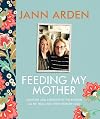
subtitled: Comfort and Laughter in the Kitchen as My Mom Lives With Memory Loss.
Canadian singer/songwriter Jann Arden writes of this turning point in her life, as she unexpectedly became the chief caregiver for her parents. Her father had dementia along with a host of other physical illnesses (diabetes, heart attack, stroke) and eventually passed away. Her mom has Alzheimer's. Jann is eloquent, candid, brutally honest (and funny) as only she can be, as she chronicles her journey into unknown show more territory with her parents, especially her mom. As a writer, she structured this book as a diary/journal over a 2-year period (2014- 2016) and not only provided snapshots of living with her mom's memory loss, but also some real insights into the journey she herself was making, as she tried to come to terms with it all. And she does so with grace, honesty and strength.
Her parents' home is on her property so that they were only across the driveway from her, making it easier for her to be able to provide care at close range, at the beginning. She began to cook for them, a real comfort for all of them, and this book also includes some of her favourite recipes. The book, by the way, is visually beautiful; Jann's photography throughout is quite stunning. The food illustrations that accompany the recipes are also lovely.
Alzheimer's is a terrible disease. Often, though, as Jann says, the patient herself is not sad about it, is often (blessedly?) unaware of the losses. It's a disease that, in fact, affects everyone else around the patient. Jann shares how she ran the gamut of emotions - denial, fear, anger, frustration, strength - and some of her passages are quite revealing. Once, she took her mom on a German river cruise:
"The German river cruise with my mother was a gift, although she thought we were on a train trip. Since we could see the shore blur past us, I guess she assumed we were rolling along on tracks. I corrected her once and then caught myself when she was talking about it again: why do I need to tell her where she is and what she is on? I have to stop being the memory police, stop needing to be right all the time. It's exhausting and completely selfish."
Jann had had a difficult relationship with her dad. When he was dying, in hospital, she wrote:
"The man I used to be afraid of is now a meek and mild, helpless child. I was thinking about how much resentment I have been carrying around and how much I don't want to still be carrying it. I want to let it go. Maybe today I'll start. I dragged it with me because I thought I needed it to protect myself. Silly what our hearts and minds do to us."
Through it all, Jann continued to work, to write:
"...music and how fantastic it is for the soul. Music saves me every day."
She talks about how unpredictable day to day life can be. What will her mom remember (or not remember) today? There are mood swings:
"She looks at me with such hatred that it takes my breath away. And then it passes, and I see her bubble to the surface of herself again and I wonder how my life got to this place...And yet, we fall into so much laughter, feel so much insane gladness and it teaches me constantly. It makes me stronger and humbler and more empathetic and caring and kind. At least, I hope it does. It's just life being life and you've got to embrace it all with your heart pounding away on your sleeve and a smile on your face...and don't forget to cry, because that'll get you through anything."
"I'm trying to focus on what I have, and not what I don't have." show less
Canadian singer/songwriter Jann Arden writes of this turning point in her life, as she unexpectedly became the chief caregiver for her parents. Her father had dementia along with a host of other physical illnesses (diabetes, heart attack, stroke) and eventually passed away. Her mom has Alzheimer's. Jann is eloquent, candid, brutally honest (and funny) as only she can be, as she chronicles her journey into unknown show more territory with her parents, especially her mom. As a writer, she structured this book as a diary/journal over a 2-year period (2014- 2016) and not only provided snapshots of living with her mom's memory loss, but also some real insights into the journey she herself was making, as she tried to come to terms with it all. And she does so with grace, honesty and strength.
Her parents' home is on her property so that they were only across the driveway from her, making it easier for her to be able to provide care at close range, at the beginning. She began to cook for them, a real comfort for all of them, and this book also includes some of her favourite recipes. The book, by the way, is visually beautiful; Jann's photography throughout is quite stunning. The food illustrations that accompany the recipes are also lovely.
Alzheimer's is a terrible disease. Often, though, as Jann says, the patient herself is not sad about it, is often (blessedly?) unaware of the losses. It's a disease that, in fact, affects everyone else around the patient. Jann shares how she ran the gamut of emotions - denial, fear, anger, frustration, strength - and some of her passages are quite revealing. Once, she took her mom on a German river cruise:
"The German river cruise with my mother was a gift, although she thought we were on a train trip. Since we could see the shore blur past us, I guess she assumed we were rolling along on tracks. I corrected her once and then caught myself when she was talking about it again: why do I need to tell her where she is and what she is on? I have to stop being the memory police, stop needing to be right all the time. It's exhausting and completely selfish."
Jann had had a difficult relationship with her dad. When he was dying, in hospital, she wrote:
"The man I used to be afraid of is now a meek and mild, helpless child. I was thinking about how much resentment I have been carrying around and how much I don't want to still be carrying it. I want to let it go. Maybe today I'll start. I dragged it with me because I thought I needed it to protect myself. Silly what our hearts and minds do to us."
Through it all, Jann continued to work, to write:
"...music and how fantastic it is for the soul. Music saves me every day."
She talks about how unpredictable day to day life can be. What will her mom remember (or not remember) today? There are mood swings:
"She looks at me with such hatred that it takes my breath away. And then it passes, and I see her bubble to the surface of herself again and I wonder how my life got to this place...And yet, we fall into so much laughter, feel so much insane gladness and it teaches me constantly. It makes me stronger and humbler and more empathetic and caring and kind. At least, I hope it does. It's just life being life and you've got to embrace it all with your heart pounding away on your sleeve and a smile on your face...and don't forget to cry, because that'll get you through anything."
"I'm trying to focus on what I have, and not what I don't have." show less
Feeding My Mother: Comfort and Laughter in the Kitchen as My Mom Lives with Memory Loss by Jann Arden
This book is one part memoir, one part recipe, one part photo album and it comes out as a lovely tribute Jann Arden's mother and father. It is an honest, humerus life affirming account of grief, coping, remembrance and resilience. I connected very closely with Jann's writing- have always enjoyed her music and have great respect for her courage in writing this very personal account. She gave words to many of the feelings I experienced as I watched my own parents struggle with the show more diminishments and humiliations aging handed them as an exit gift. Reading Arden's work also reminded me that they handed me their own parting gifts of grace, acceptance, rage and love. The book is a keeper. show less
Lists
Awards


You May Also Like


Associated Authors
Statistics
- Works
- 33
- Also by
- 2
- Members
- 474
- Popularity
- #52,000
- Rating
- 3.9
- Reviews
- 16
- ISBNs
- 28